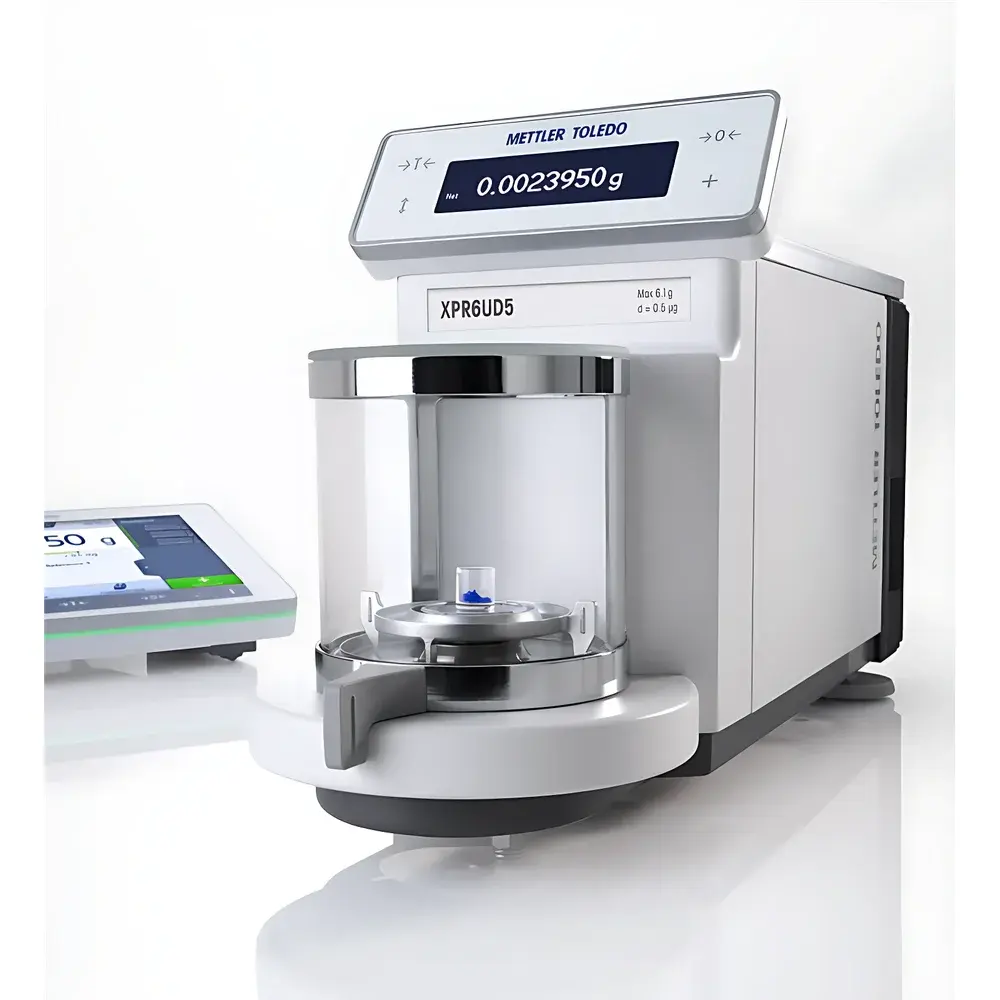
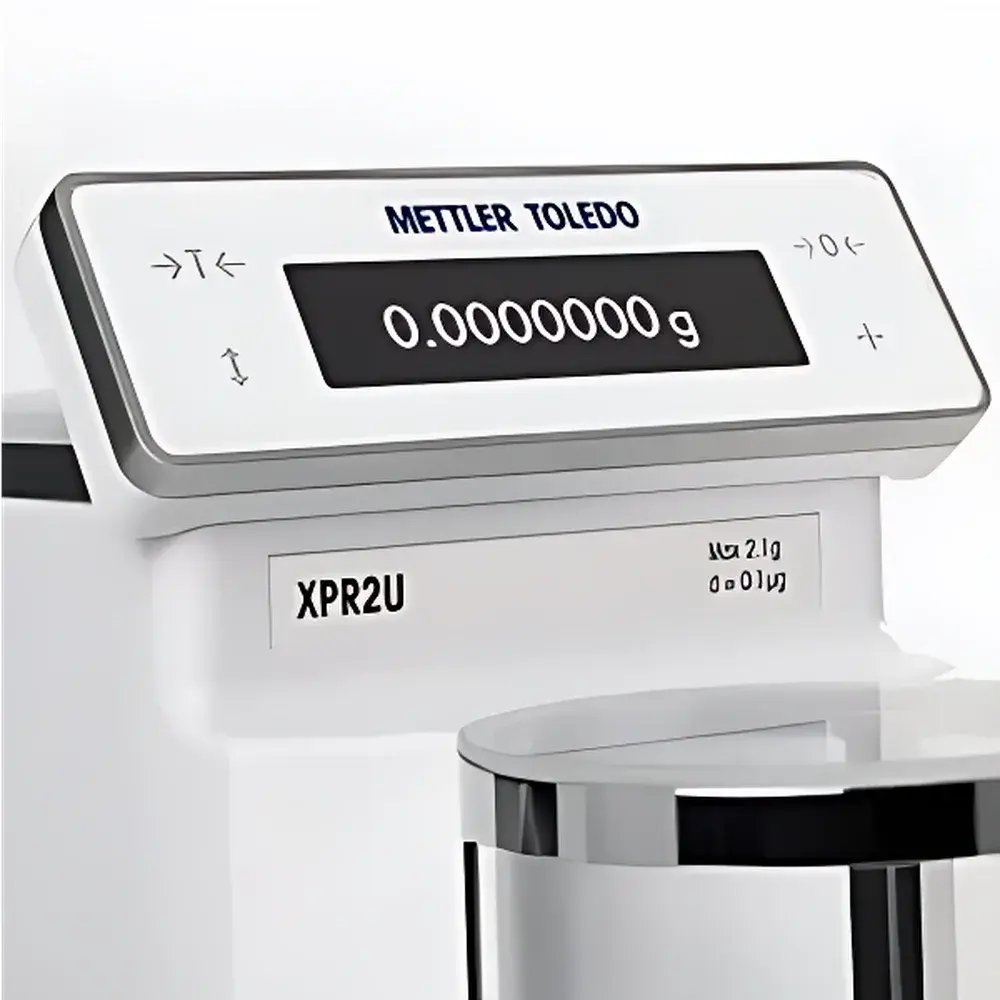
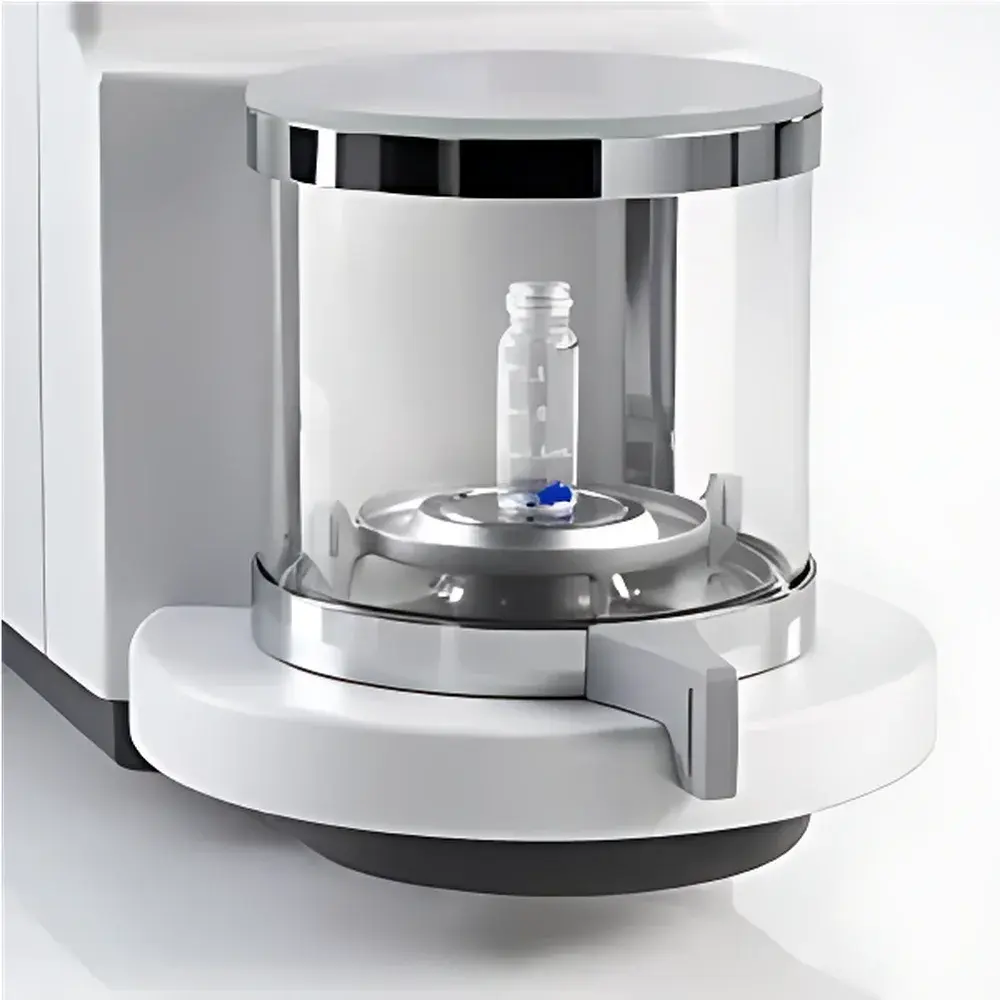
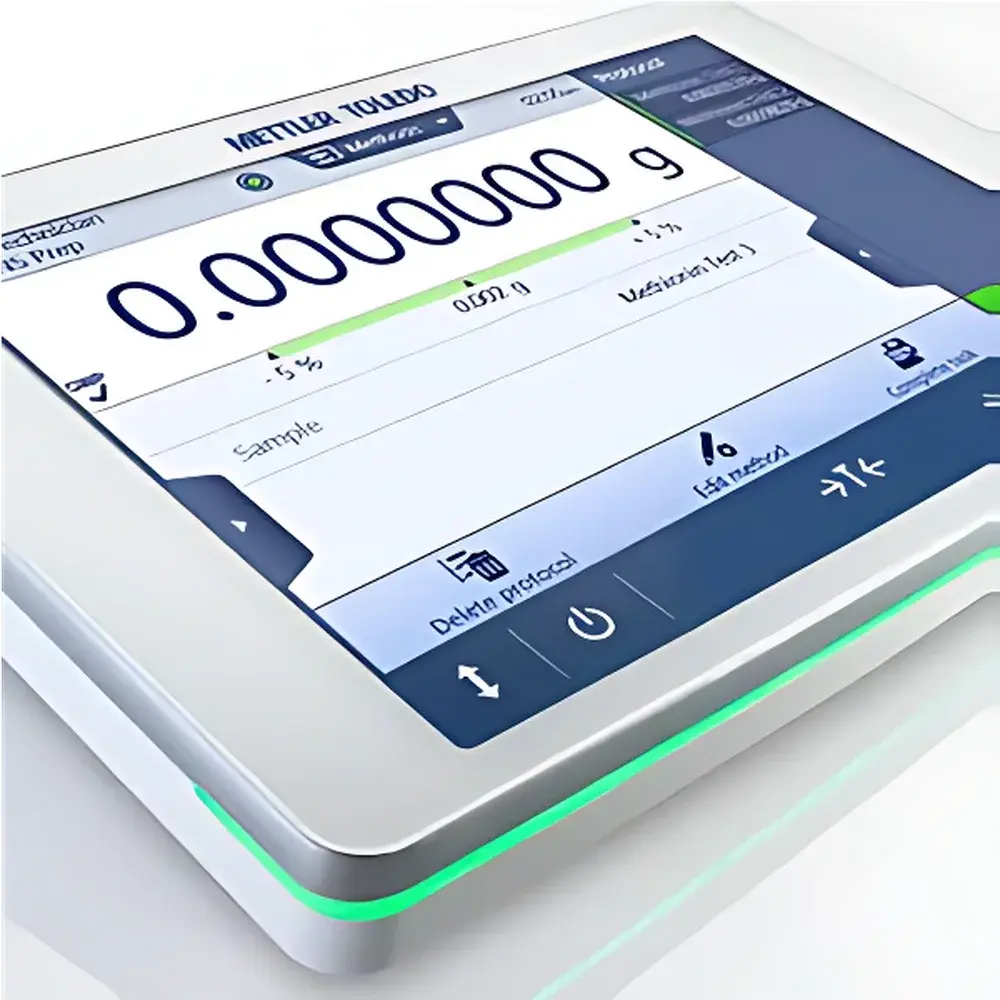
METTLER TOLEDO XPR10 Ultra-Micro Balance
| Brand | METTLER TOLEDO |
|---|---|
| Origin | Switzerland |
| Model | XPR10 |
| Instrument Type | Ultra-Micro Balance |
| Maximum Capacity | 10.1 g |
| Readability | 0.001 mg |
| Repeatability (at 5% load) | 0.0004 mg |
| Minimum Weight (5% load, k=2, U=1.0%) | 0.082 mg |
| USP Minimum Weight (5% load, k=2, U=0.10%) | 0.82 mg |
| Stabilization Time | < 8 s |
| Calibration | Automatic internal calibration |
| Compliance | Fully compatible with USP <41>, <1251>, EURAMET cg-18, GWP® Verification, FDA 21 CFR Part 11 (with LabX software) |
Overview
The METTLER TOLEDO XPR10 Ultra-Micro Balance is an engineered solution for laboratories where sample scarcity, toxicity, or high unit cost demand absolute metrological confidence at sub-milligram levels. Operating on electromagnetic force compensation (EMFC) principle, the XPR10 achieves a readability of 0.001 mg (1 µg) and repeatability of 0.0004 mg at 5% load — enabling reliable quantification down to 82 µg under standard GWP®-defined uncertainty criteria (k = 2, U = 1.0%). Its compact footprint and dual-terminal architecture are specifically designed for integration into fume hoods, gloveboxes, and isolators, minimizing spatial constraints while maximizing operator safety during handling of potent compounds such as active pharmaceutical ingredients (APIs), radiolabeled tracers, or nanomaterials.
Key Features
- Active Temperature Control (ATC™): Integrated thermal management system stabilizes internal electronics by actively dissipating heat from critical sensor components, reducing drift and enhancing long-term stability in non-climate-controlled environments.
- GWP® Verification Integration: Real-time, on-screen assessment of current weighing performance against user-defined minimum weight requirements per USP and , ensuring compliance before data acquisition begins.
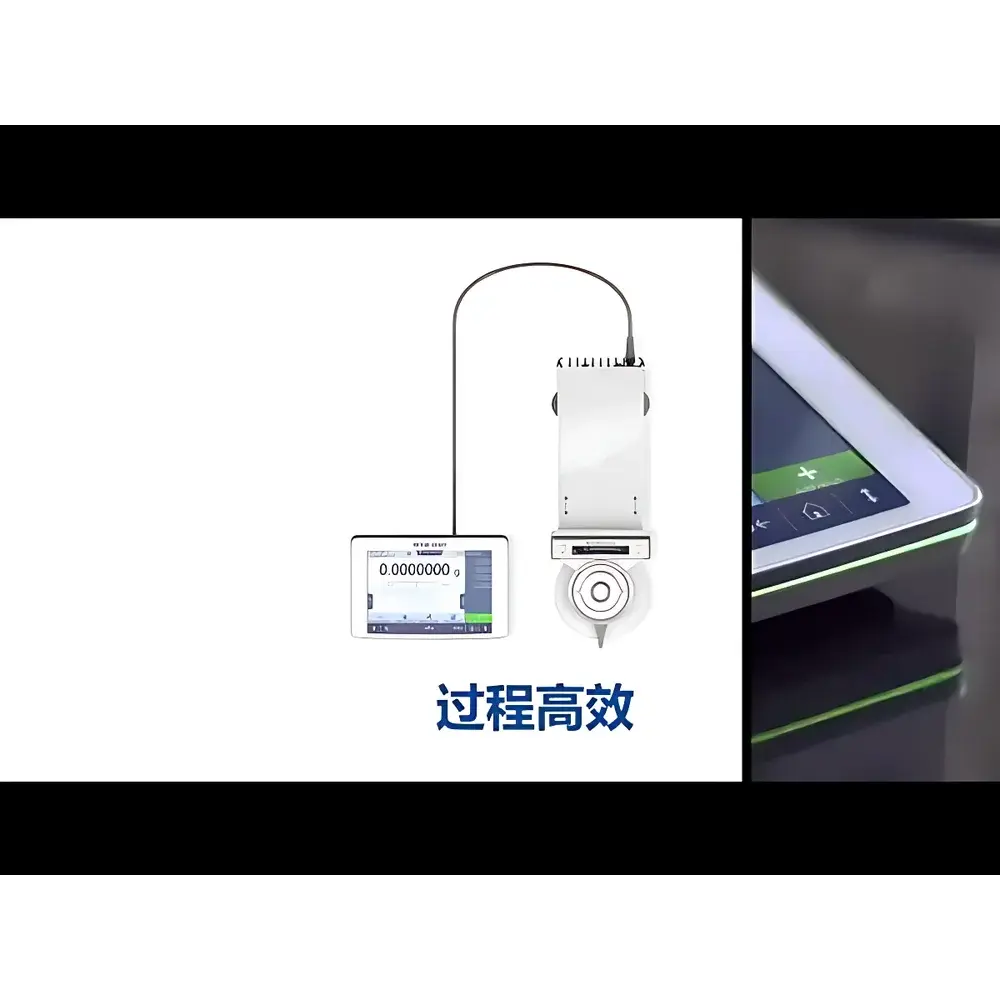
- Dual-Terminal Operation: Primary capacitive touchscreen terminal (LabX-ready) supports full method configuration and data review; secondary SmartView™ display provides tactile-free execution of core functions (tare, zero, door control, result acceptance) via intuitive icon-based navigation.
- Touch-Free SmartSens™ Infrared Sensors: Enables hands-free draft shield door actuation, eliminating physical contact and significantly reducing cross-contamination risk when handling cytotoxic or controlled substances.
- Modular Draft Shield Design: Tool-free disassembly of all shield components — including base plate, side panels, and top cover — facilitates rapid cleaning without compromising mechanical alignment or calibration integrity.
- StatusLight™ Visual Feedback System: Context-aware LED indicator communicates operational readiness, calibration status, environmental stability, and error conditions in real time, supporting GLP/GMP-aligned workflow discipline.
Sample Compatibility & Compliance
The XPR10 accommodates diverse sample forms — powders, crystals, lyophilized pellets, micro-vials, and MEMS devices — within its optimized weighing chamber geometry. Its low-profile draft shield minimizes air turbulence while permitting unobstructed access for micro-spatulas and automated dispensing tools. The balance meets ISO/IEC 17025 traceability requirements through factory-applied NIST-traceable calibration and supports full audit trail generation when paired with METTLER TOLEDO LabX software. It conforms to USP repeatability thresholds, EURAMET cg-18 guidelines for ultra-micro balances, and ICH Q5C stability testing protocols. Built-in GWP® verification ensures continuous adherence to defined uncertainty budgets, satisfying regulatory expectations for analytical method validation and routine QC release testing.
Software & Data Management
When connected to LabX laboratory software, the XPR10 delivers full 21 CFR Part 11 compliance: electronic signatures, role-based access control, immutable audit trails, and automatic metadata capture (operator ID, timestamp, environment logs, calibration history). Methods — including multi-step gravimetric assays, loss-on-drying sequences, or dynamic dosing workflows — are stored centrally and pushed securely to instruments. Raw data, intermediate calculations, and final reports export directly to LIMS or ELN systems in validated formats (PDF/A, CSV, XML). All instrument events — including door openings, tare actions, and environmental deviations — are time-stamped and cryptographically signed to support regulatory inspections and internal quality audits.
Applications
- Primary standard preparation in reference material certification programs
- Gravimetric formulation of cytotoxic oncology drug candidates (e.g., ADC payloads)
- Weighing of isotopically labeled compounds for PK/PD studies
- Micro-dosing validation for inhalation powder development
- Residue analysis in cleaning validation protocols (swab recovery quantification)
- Calibration mass set verification in national metrology institutes
- Preparation of nanomolar stock solutions for high-throughput screening
FAQ
What is the smallest quantity the XPR10 can weigh with documented metrological validity?
The minimum weight is 0.082 mg (82 µg) at k = 2 and U = 1.0%, verified per GWP® methodology. For USP-compliant applications, the minimum weight is 0.82 mg at U = 0.10% (USP ).
Does the XPR10 require external vibration isolation?
While not mandatory, operation on a dedicated vibration-dampening table is recommended in environments with floor-borne disturbances exceeding 0.5 µm peak-to-peak amplitude at frequencies below 10 Hz.
Can the XPR10 be integrated into automated liquid handling platforms?
Yes — via RS232, USB, or Ethernet interfaces using standardized SCPI or Modbus TCP protocols; LabX enables seamless orchestration with robotic arms and auto-samplers.
How frequently must the XPR10 be calibrated?
Automatic internal calibration is triggered by temperature change (>1.5 °C), time interval (user-configurable up to 24 h), or manual initiation; external adjustment with certified weights is required only after relocation or mechanical shock.
Is the draft shield design compliant with ISO 17025 clause 6.4.3 regarding equipment suitability?
Yes — the modular construction, documented cleaning procedure, and absence of crevices meet ISO 17025 requirements for contamination control and measurement uncertainty mitigation in accredited testing laboratories.