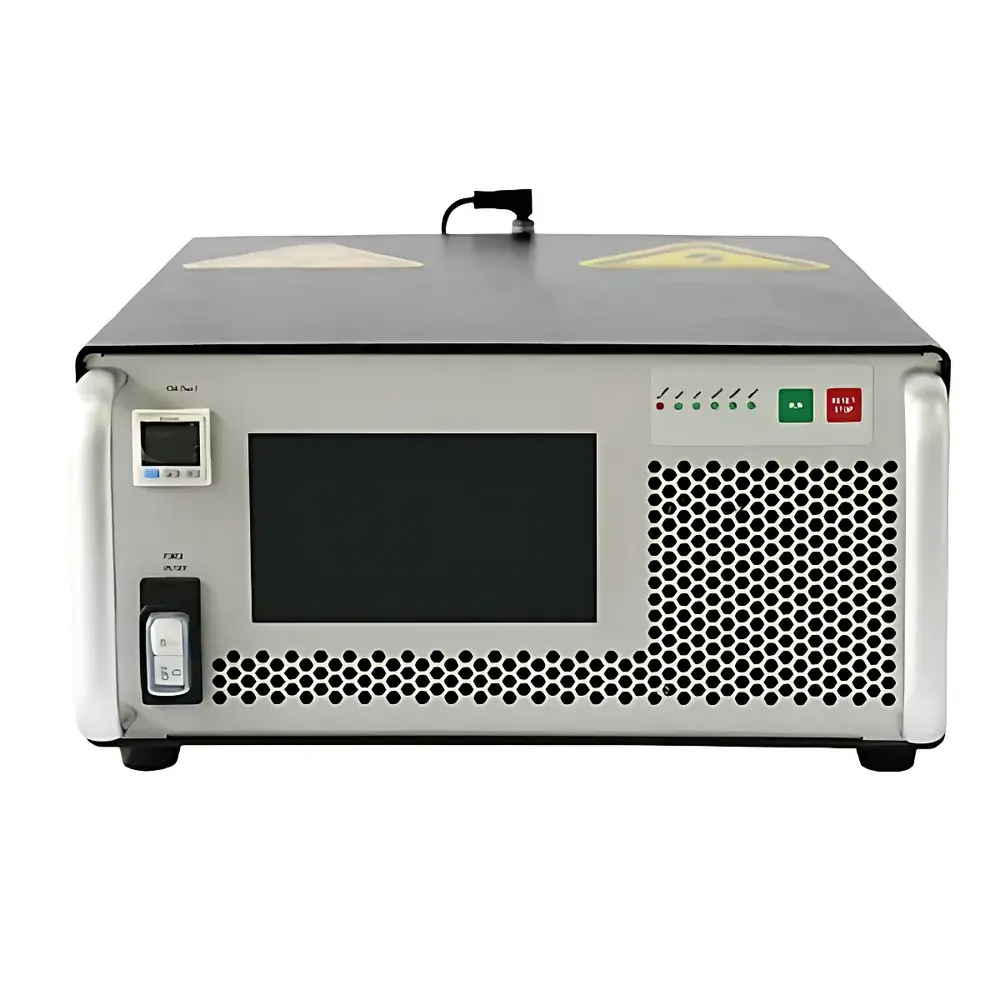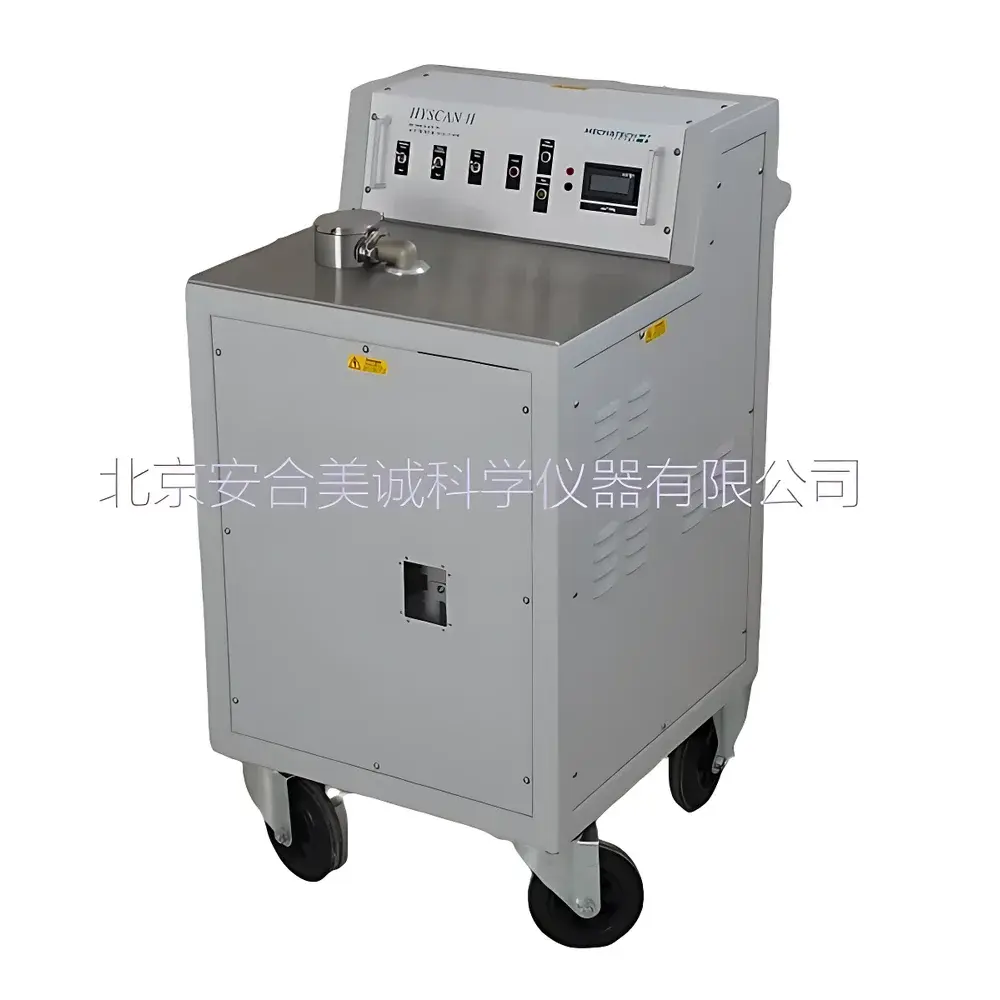
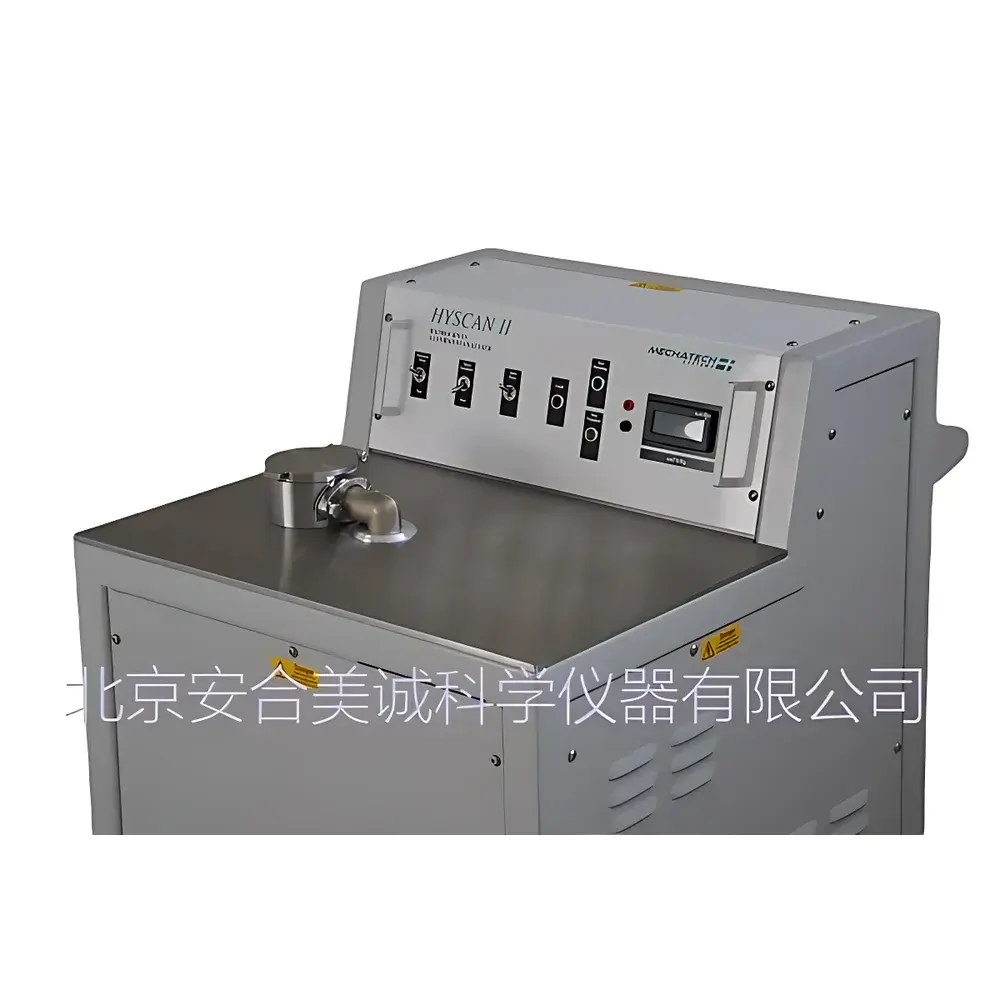
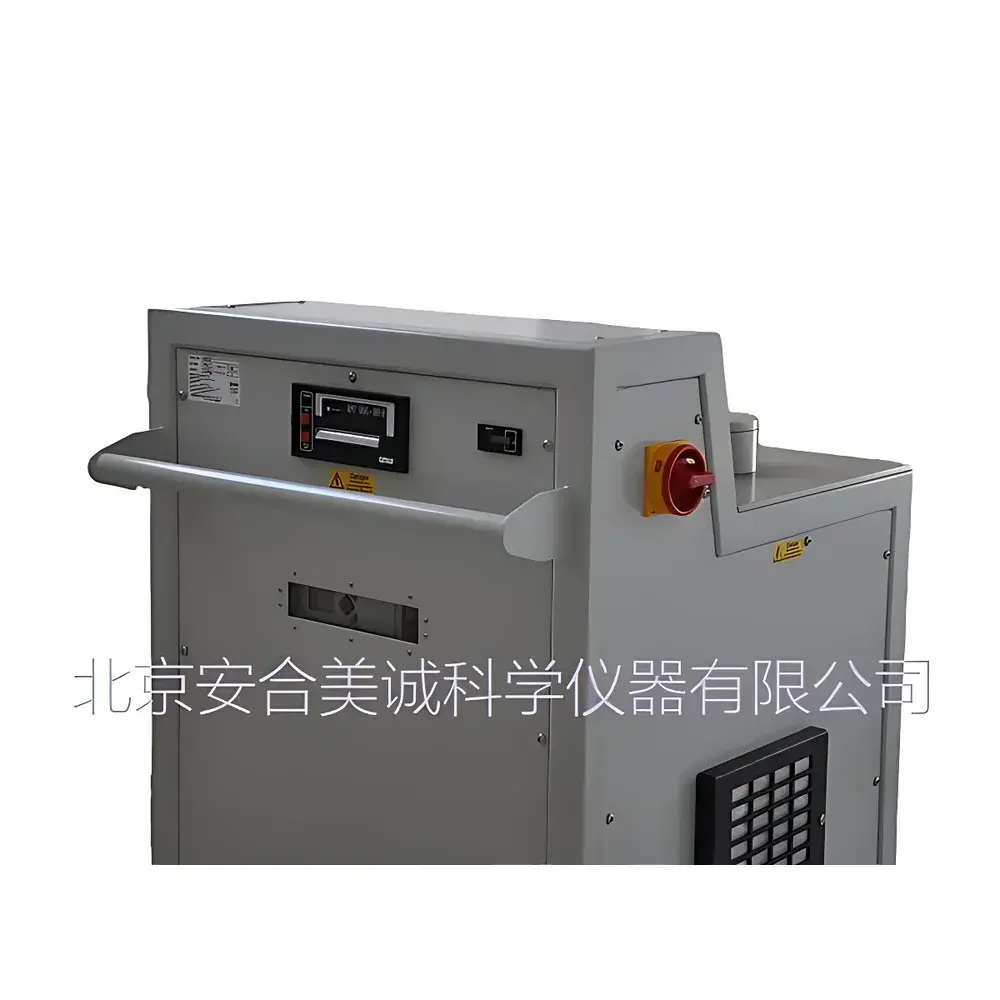
MICHEM Hyscan II Hydrogen Analyzer for Molten Aluminum
| Brand | MICHEM |
|---|---|
| Origin | United Kingdom |
| Manufacturer Type | Authorized Distributor |
| Origin Category | Imported |
| Model | Hyscan II |
| Pricing | Upon Request |
| Dimensions (W×D×H) | 600 × 600 × 1000 mm |
| Weight | 120 kg |
| Power Supply | 220 V / 50 Hz, 5 m armored cable |
| Sample Mass | 100 g |
| Measurement Time | < 5 min |
| Measurement Range | 0.01–1.99 cm³/100 g |
| Sensitivity | 0.01 cm³/100 g |
| Accuracy | ±5% (vs. vacuum fusion reference method) |
| Compliance | LMFA Certified |
Overview
The MICHEM Hyscan II Hydrogen Analyzer is a purpose-engineered, quantitative online analyzer designed specifically for the rapid and reliable determination of dissolved hydrogen concentration in molten aluminum and aluminum alloys. Hydrogen solubility in liquid aluminum is temperature-dependent and highly problematic: during solidification, supersaturated hydrogen precipitates as molecular gas, forming porosity that critically compromises mechanical integrity, pressure tightness, and surface finish of castings. The Hyscan II employs the standardized quantitative depressurization method—also known as the “direct measurement under controlled solidification” technique—in accordance with ASTM E855 (Standard Test Methods for Bend Testing of Metallic Flat Materials for Spring Applications) and ISO 11922 (Aluminum and aluminum alloys — Determination of hydrogen content in molten metal by reduced pressure test). A precisely weighed 100 g sample of molten aluminum is extracted into a sealed, pre-evacuated crucible; rapid pressure reduction induces controlled solidification while enabling complete liberation of dissolved hydrogen. The evolved gas volume is measured via a calibrated Pirani vacuum gauge, and hydrogen content is calculated using stoichiometric gas law relationships corrected for temperature, pressure, and aluminum density. This physical principle eliminates reliance on operator interpretation or empirical calibration curves, delivering traceable, repeatable, and metrologically sound results directly traceable to SI units.
Key Features
- Quantitative hydrogen measurement with sensitivity down to 0.01 cm³/100 g and accuracy better than ±5% relative to vacuum fusion reference methods.
- Complete analysis cycle completed in under 5 minutes—including sampling, depressurization, solidification, gas quantification, and result display—enabling real-time process feedback at the furnace bank.
- Robust industrial architecture: IP54-rated enclosure, shock-absorbing chassis, and thermally stabilized sensor housing engineered for foundry floor deployment near holding furnaces, ladles, and casting lines.
- No consumable probes or membranes: Unlike graphite probe-based systems, the Hyscan II requires no periodic replacement of high-cost sensing elements, reducing long-term operational expenditure.
- On-site verification capability: Integrated calibration check function allows daily validation using certified reference samples or inert gas injection, supporting GLP/GMP audit readiness.
- Operator-safe design: Fully shielded sampling chamber, automatic pressure interlocks, and thermal insulation minimize exposure to radiant heat and molten metal splash hazards.
Sample Compatibility & Compliance
The Hyscan II accepts standard 100 g aluminum samples drawn from primary melts (e.g., 1xxx, 3xxx, 5xxx, 6xxx, and 7xxx series), secondary remelt alloys, and master alloys containing up to 12 wt.% silicon. It is compatible with both salt-fluxed and flux-free melt conditions and tolerates minor oxide dross contamination without compromising measurement fidelity. The instrument meets CE marking requirements for electromagnetic compatibility (EN 61326-1) and low-voltage safety (EN 61010-1). It carries formal manufacturing authorization from the Light Metal Federation Association (LMFA), affirming conformance with industry-accepted specifications for hydrogen analysis instrumentation in aluminum production. While not inherently 21 CFR Part 11 compliant, its RS232 interface supports integration with validated LIMS or MES platforms where electronic record integrity, audit trails, and user access controls are externally managed.
Software & Data Management
The embedded control system features a high-contrast monochrome LCD interface with tactile membrane keypad, enabling full operation without external computing hardware. All measurements are timestamped and stored internally (capacity: ≥1,000 records), with optional RS232 serial output for direct connection to plant SCADA systems or laboratory data servers. An optional thermal printer provides hard-copy reports including sample ID, time/date stamp, measured H₂ value (cm³/100 g), operator ID, and pass/fail status against user-defined specification limits. Data export follows ASCII-delimited format for seamless import into Excel, MATLAB, or statistical process control (SPC) software. Firmware updates are performed via USB flash drive, ensuring long-term maintainability without vendor field service dependency.
Applications
- Real-time assessment of rotary or porous plug degassing efficiency prior to casting.
- Validation of grain refiner and modifier addition homogeneity and dissolution kinetics.
- Root-cause analysis of porosity-related scrap in high-pressure die casting (HPDC), low-pressure permanent mold (LPPM), and sand casting operations.
- Process window definition for melt holding time, superheat control, and transfer ladle dwell optimization.
- Research-grade hydrogen solubility mapping across alloy compositions and cooling rate gradients in metallurgical laboratories.
- Supplier qualification and incoming material certification for aerospace-grade aluminum billets and ingots per AMS2772 and EN 573 standards.
FAQ
What sample volume is required, and how is it collected?
A representative 100 g sample is withdrawn using a preheated, dry steel or ceramic sampling spoon and transferred immediately into the instrument’s insulated crucible. No flux or cover gas is required.
Does the instrument require daily calibration?
No routine calibration is needed. Daily verification using a certified reference sample or nitrogen spike is recommended to confirm system integrity and gauge linearity.
Can the Hyscan II be used with aluminum-lithium or high-magnesium alloys?
Yes—the depressurization method is chemically agnostic and applicable to all aluminum-based melts, including reactive alloys, provided proper crucible material selection (e.g., BN-coated graphite) is observed.
Is training required for operators?
Minimal training is required: the interface guides users through each step with visual prompts and safety interlock feedback. Comprehensive documentation and on-site startup support are included with purchase.
How does the Hyscan II compare to vacuum hot extraction (VHE) lab methods?
While VHE offers higher absolute precision in controlled lab environments, the Hyscan II delivers field-equivalent quantitative performance with orders-of-magnitude faster turnaround, enabling actionable decisions within the melt cycle rather than post-production.