
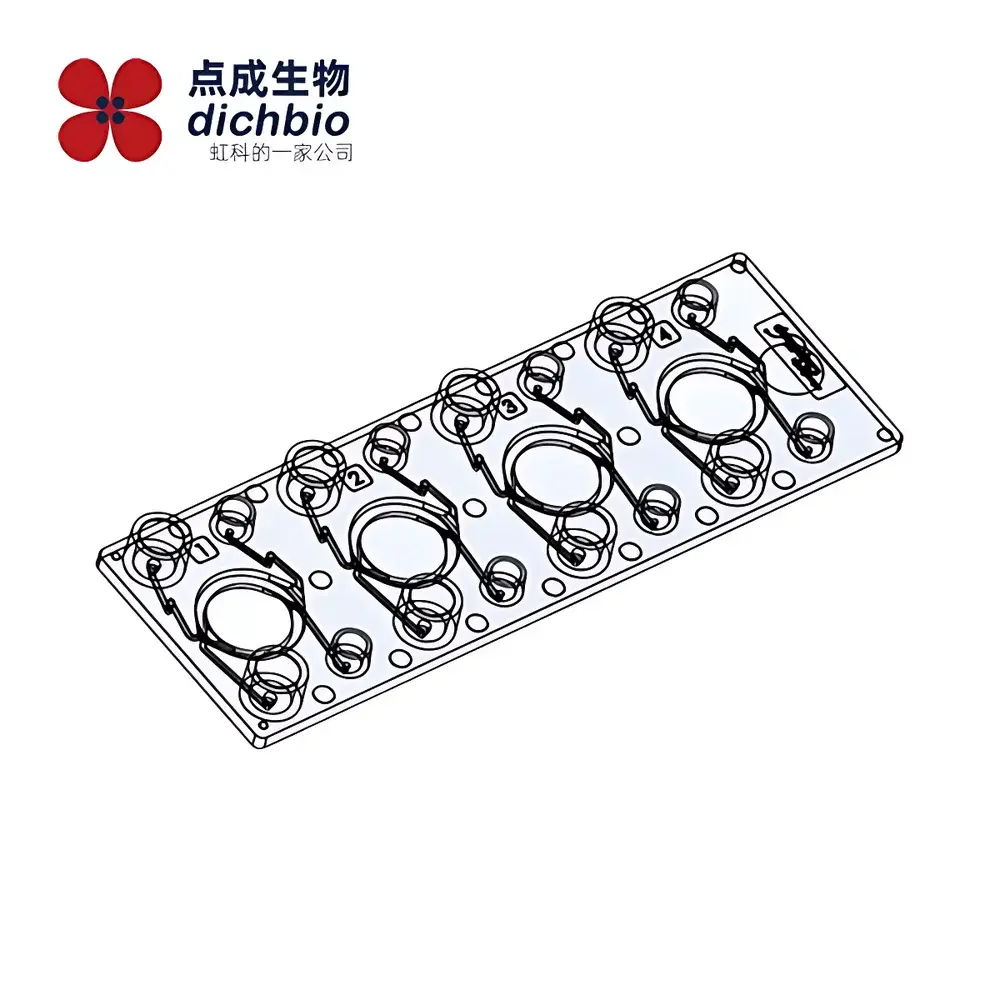
Microfluidic ChipShop Sample Preparation Microfluidic Chip – MCS Fluidic Series
| Brand | Microfluidic ChipShop (MCS) |
|---|---|
| Origin | Guangdong, China |
| Manufacturer Type | Authorized Distributor |
| Product Category | Domestic |
| Model | Sample Preparation Chip |
| Instrument Type | Microfluidic Chip System |
| Membrane Configuration | Crossflow Filtration Architecture |
| Interface Standard | Luer & Mini-Luer |
| Compatible Sample Volume Range | 25–100 µL Whole Blood |
| Plasma/Serum Yield | 12–35 µL per chip unit |
| Membrane Diameter Options | 10 mm (Fluidic 168/200/1113), Dual-Geometry (Fluidic 783), On-Chip Detection-Optimized (Fluidic 973), Open-Access (Fluidic 234/235), Transwell-Compatible (Fluidic 219) |
| Customization | Membrane Material & Pore Size Available on Request |
Overview
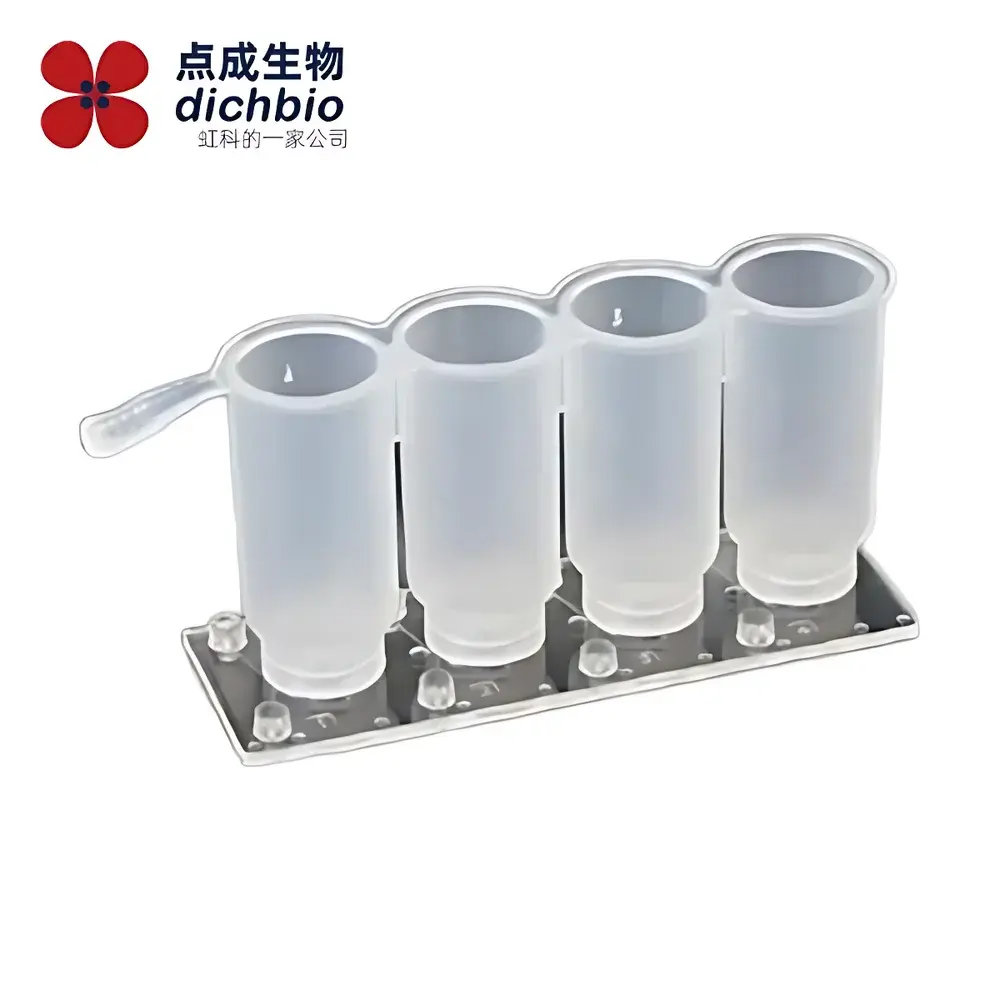
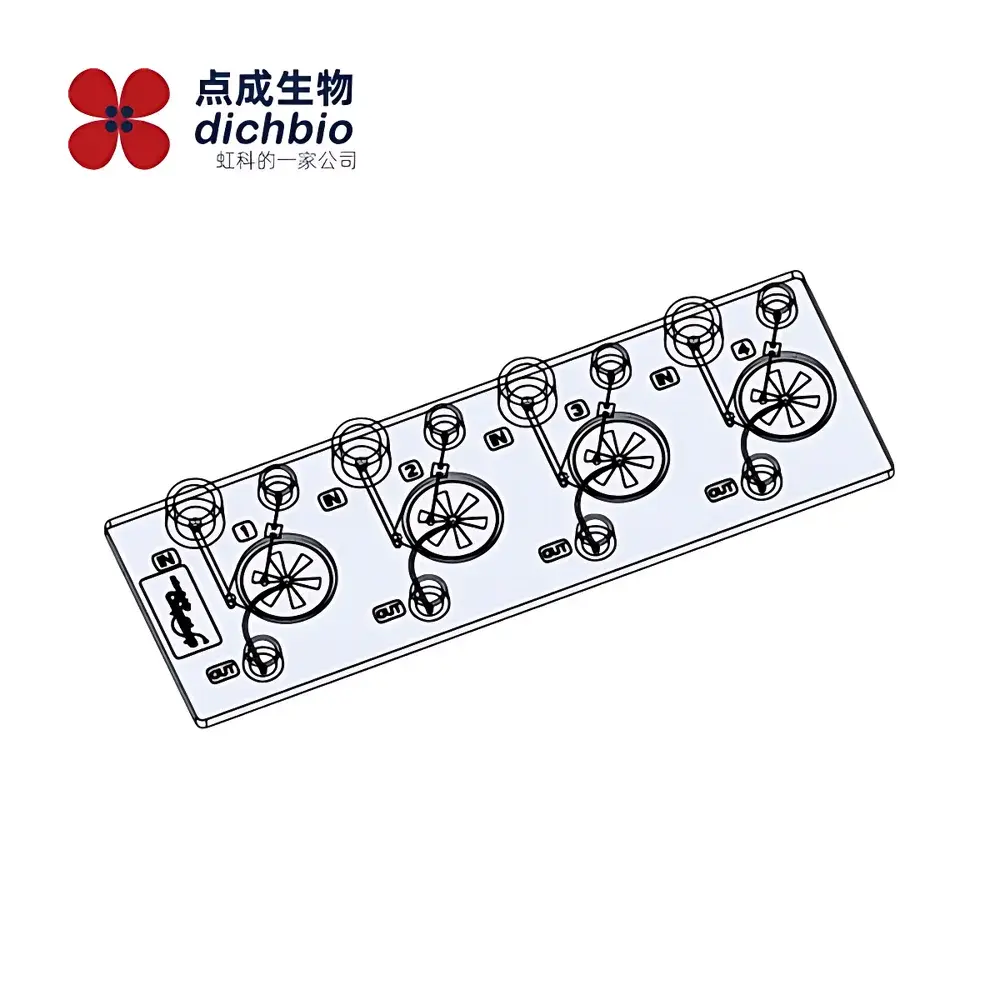
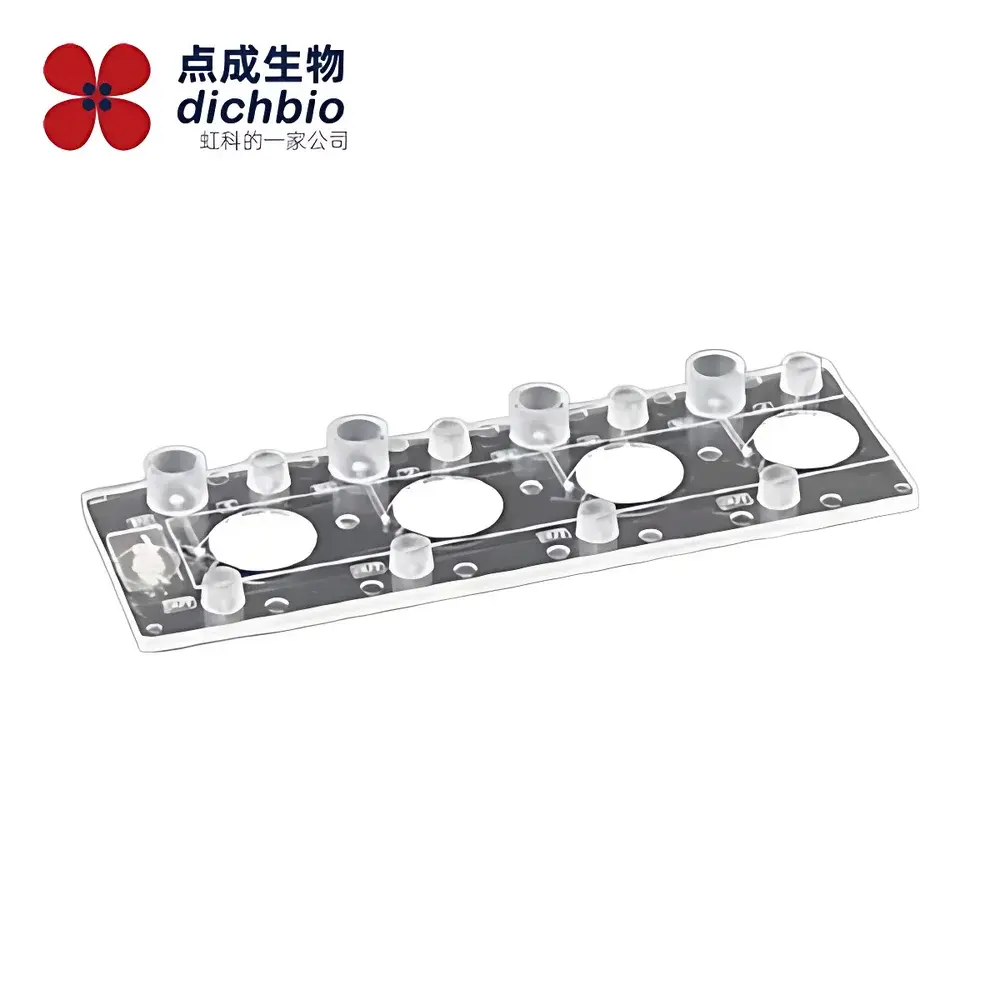
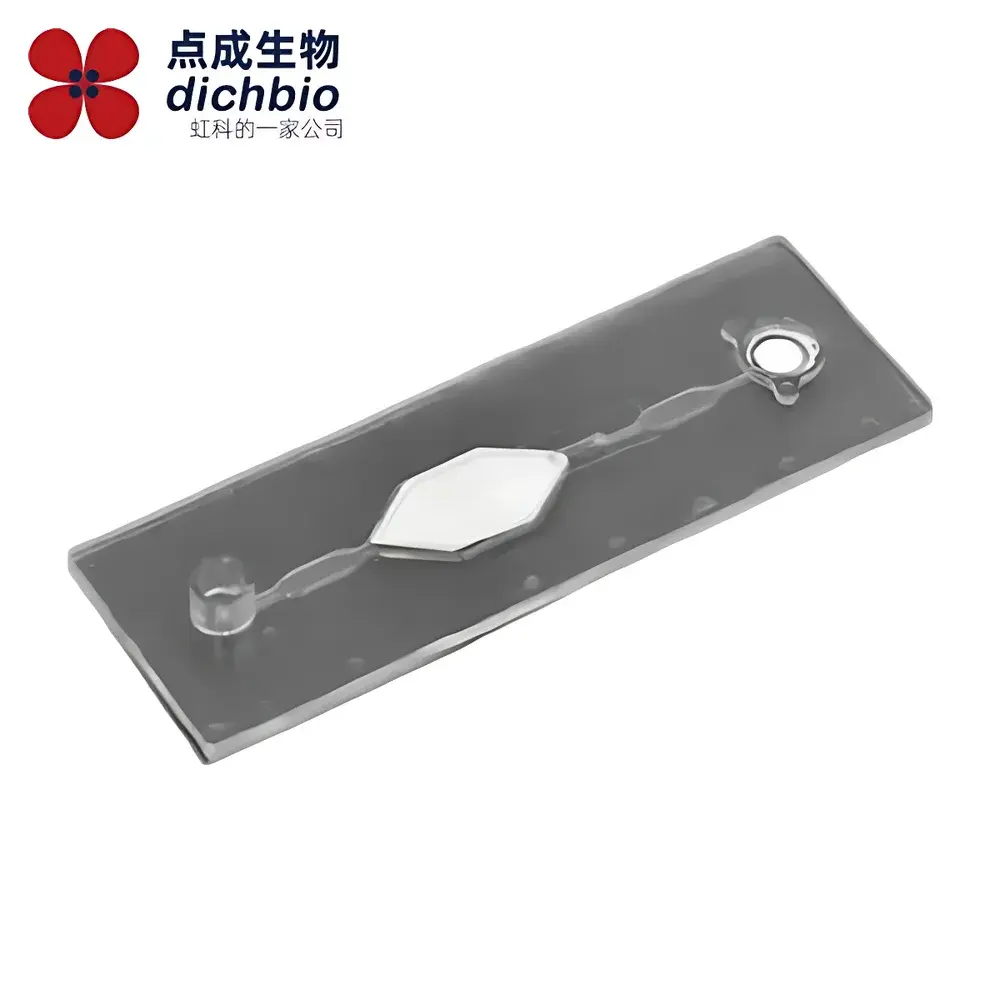
The Microfluidic ChipShop Sample Preparation Microfluidic Chip is an engineered platform for rapid, low-volume, membrane-based sample conditioning in life science workflows. Designed around crossflow filtration principles—where fluid flows parallel to a semi-permeable membrane surface rather than directly through it—the chip minimizes fouling, maintains consistent transmembrane pressure gradients, and enables high-recovery separation of plasma or serum from whole blood without centrifugation. Each chip integrates microfabricated fluidic architecture—including precisely dimensioned supply channels (e.g., 300 µm × 100 µm), membrane chambers, filtrate collection paths (100 µm × 100 µm), and integrated venting networks—into a single-use, sterile, polymeric device. The system operates under controlled vacuum or syringe-driven flow, supporting both manual and pump-integrated protocols compliant with GLP-aligned laboratory practices.
Key Features
- Crossflow membrane architecture reduces clogging by minimizing direct particle impingement on the membrane surface
- Standardized Luer and Mini-Luer interfaces ensure compatibility with off-the-shelf syringes, peristaltic pumps, and microfluidic control systems
- Multiple chip variants address distinct workflow requirements: Fluidic 168 (basic plasma generation), Fluidic 200 (enhanced venting), Fluidic 1113 (high-yield 20–35 µL output), Fluidic 783 (dual-membrane geometry with 5 µL chambers), Fluidic 973 (on-chip optical detection–ready design with pre- and post-membrane observation zones), and Fluidic 219 (Transwell-compatible configuration for barrier function assays)
- Open-access chip designs (e.g., Fluidic 234/235) integrate with external reservoirs and enable continuous-flow operation via pump coupling
- All chips support customizable membrane selection—including PVDF, cellulose acetate, and track-etched polycarbonate—with pore sizes ranging from 0.2 µm to 5.0 µm, tailored to target analyte size exclusion or cell retention needs
- Manufactured under cleanroom conditions; certified for endotoxin-free handling in primary cell isolation and diagnostic assay preparation
Sample Compatibility & Compliance
The chip series is validated for human and mammalian whole blood processing, delivering plasma or serum with minimal hemolysis and platelet activation when operated within recommended flow rates (<10 µL/min) and vacuum limits (≤−20 kPa). It supports downstream compatibility with ELISA, mass spectrometry, PCR, and microfluidic immunoassays. Devices conform to ISO 10993–5 (cytotoxicity) and ISO 13485–2016 (medical device quality management) standards. While not classified as an IVD device, the chips are routinely deployed in research-use-only (RUO) environments aligned with CLIA and CAP pre-analytical guidelines. Documentation packages include lot-specific QC reports covering dimensional verification, leak testing, and membrane integrity validation.
Software & Data Management
As a passive, non-electronic consumable, the chip requires no embedded firmware or proprietary software. However, integration into automated workflows is supported via third-party platforms including Elveflow OB1 pressure controllers, Fluigent Flow-EZ modules, and Harvard Apparatus PHD Ultra syringe pumps—all controllable via ASCII command sets or LabVIEW/Python APIs. Experimental metadata (e.g., sample ID, timepoint, applied pressure, yield volume) can be logged using LIMS-compliant templates compatible with Thermo Fisher SampleManager, LabWare LIMS, or open-source solutions such as OpenLab. Audit trails for chip usage and protocol execution may be generated in accordance with FDA 21 CFR Part 11 when paired with validated electronic lab notebooks (ELNs) like Benchling or LabArchives.
Applications
- Rapid point-of-care plasma isolation for field-deployable diagnostics
- Pre-analytical conditioning prior to single-cell RNA sequencing or proteomic profiling
- Organ-on-a-chip perfusion systems requiring continuous, low-shear plasma supplementation
- Transwell-based endothelial or epithelial barrier integrity studies (Fluidic 219 + Fluidic 234 reservoir)
- On-chip immunoassays where spatial confinement of plasma enhances binding kinetics and signal-to-noise ratio (Fluidic 973)
- Nanoparticle synthesis workflows requiring serum-free or albumin-controlled microenvironments
FAQ
Are these chips sterile and RNase/DNase-free?
Yes—each chip is gamma-irradiated and packaged in individually sealed blister packs. Certificate of Analysis includes endotoxin levels (<0.03 EU/mL) and RNase/DNase test results per lot.
Can I reuse a chip after washing?
No—these are single-use devices designed for defined flow profiles and membrane integrity. Reuse risks channel deformation, residual protein carryover, and inconsistent filtration performance.
What vacuum level is recommended for optimal plasma yield?
A regulated vacuum of −15 to −20 kPa provides reproducible separation across 25–100 µL whole blood inputs. Higher pressures increase shear stress and risk hemolysis.
Do you provide membrane characterization data (e.g., MWCO, flow rate vs. pressure curves)?
Yes—custom datasheets detailing nominal molecular weight cutoff (NMWCO), pure water flux, and pressure–permeate correlation are available upon request for selected membrane types.
Is technical support available for protocol optimization?
Yes—Microfluidic ChipShop offers application engineering consultation, including chip selection guidance, flow rate calibration, and integration schematics for pump-based automation.



