
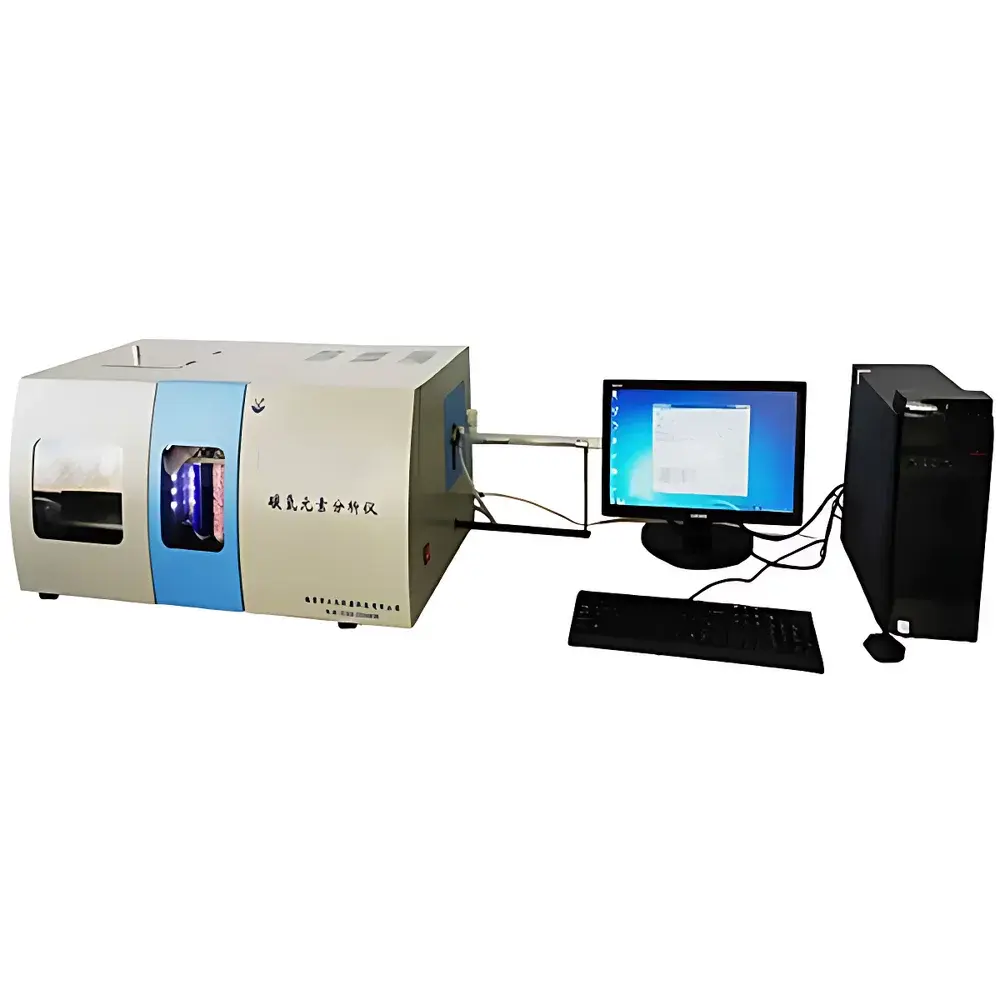
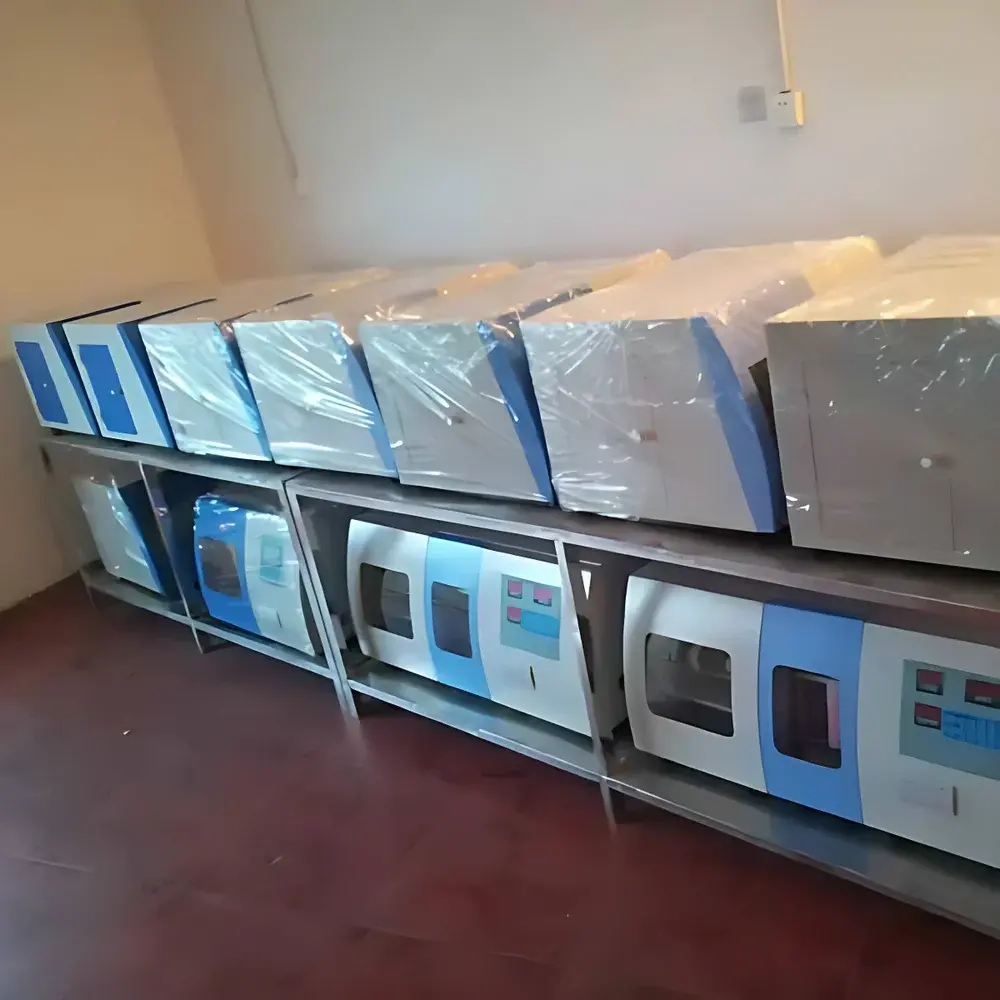
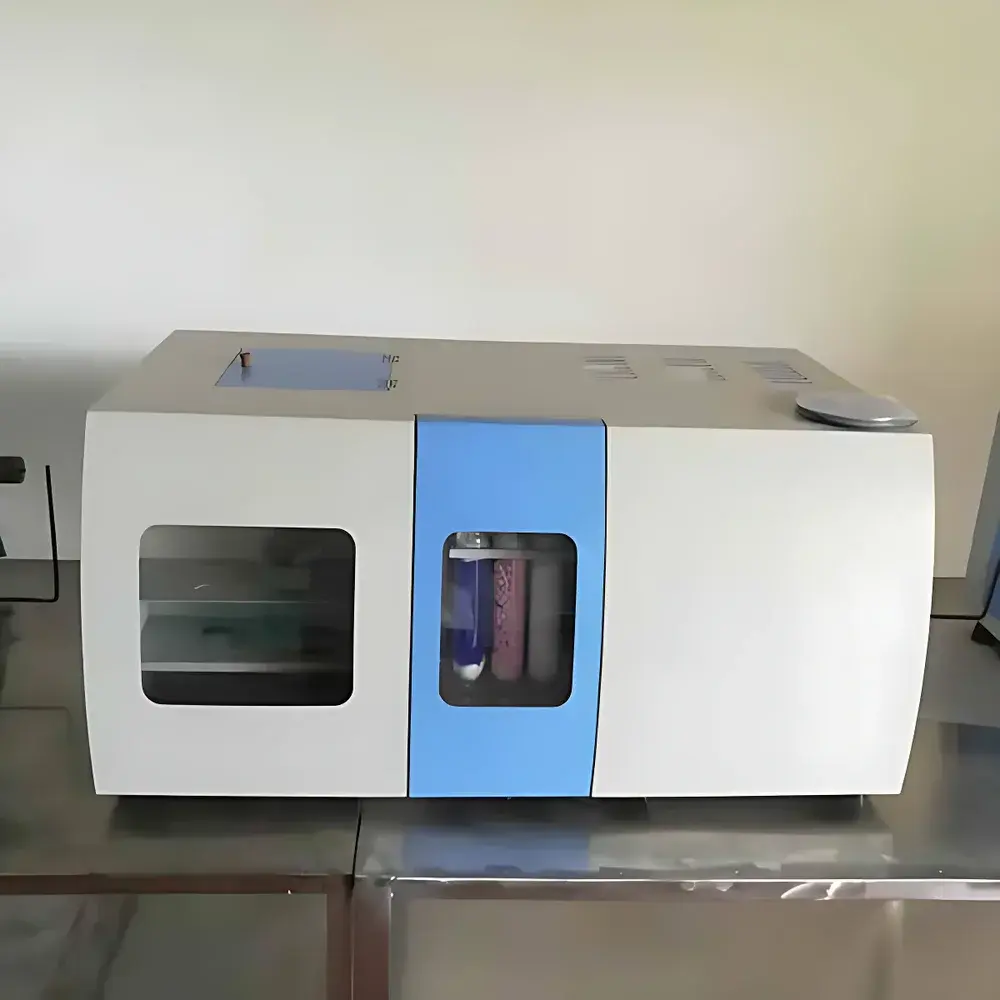
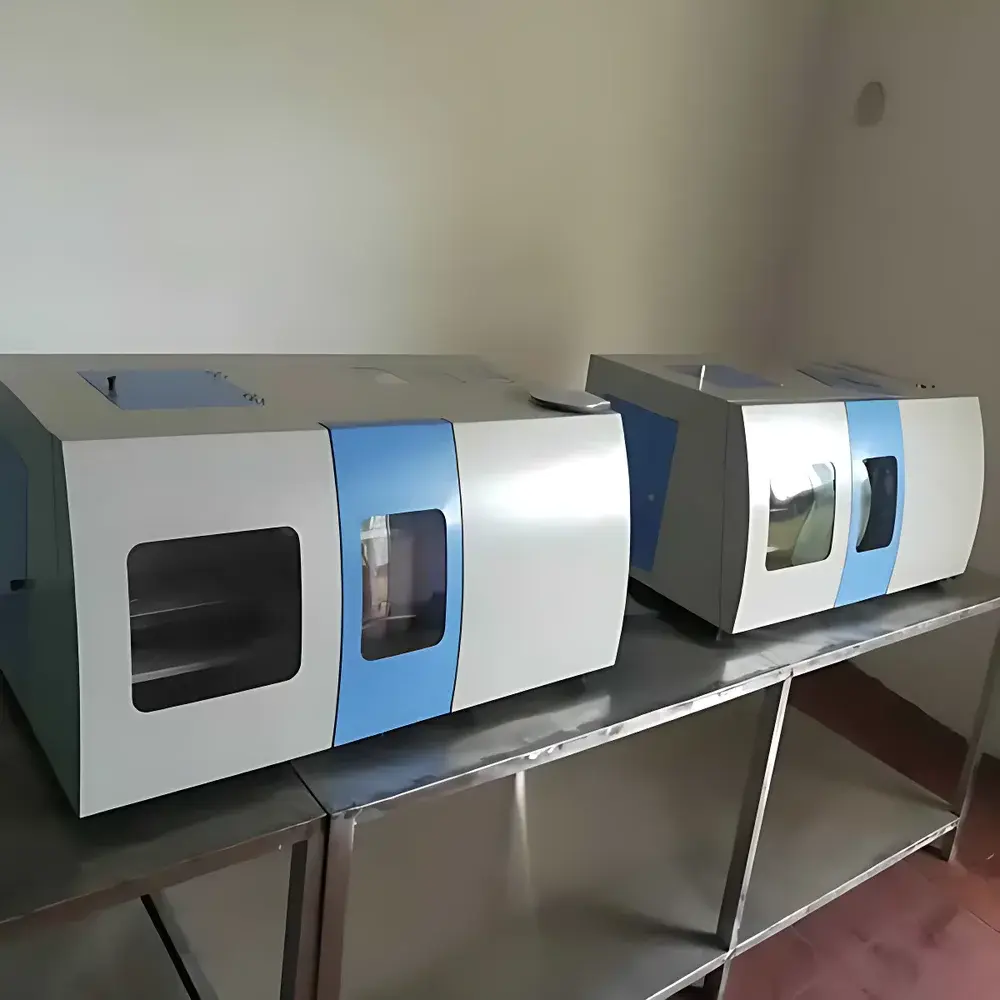
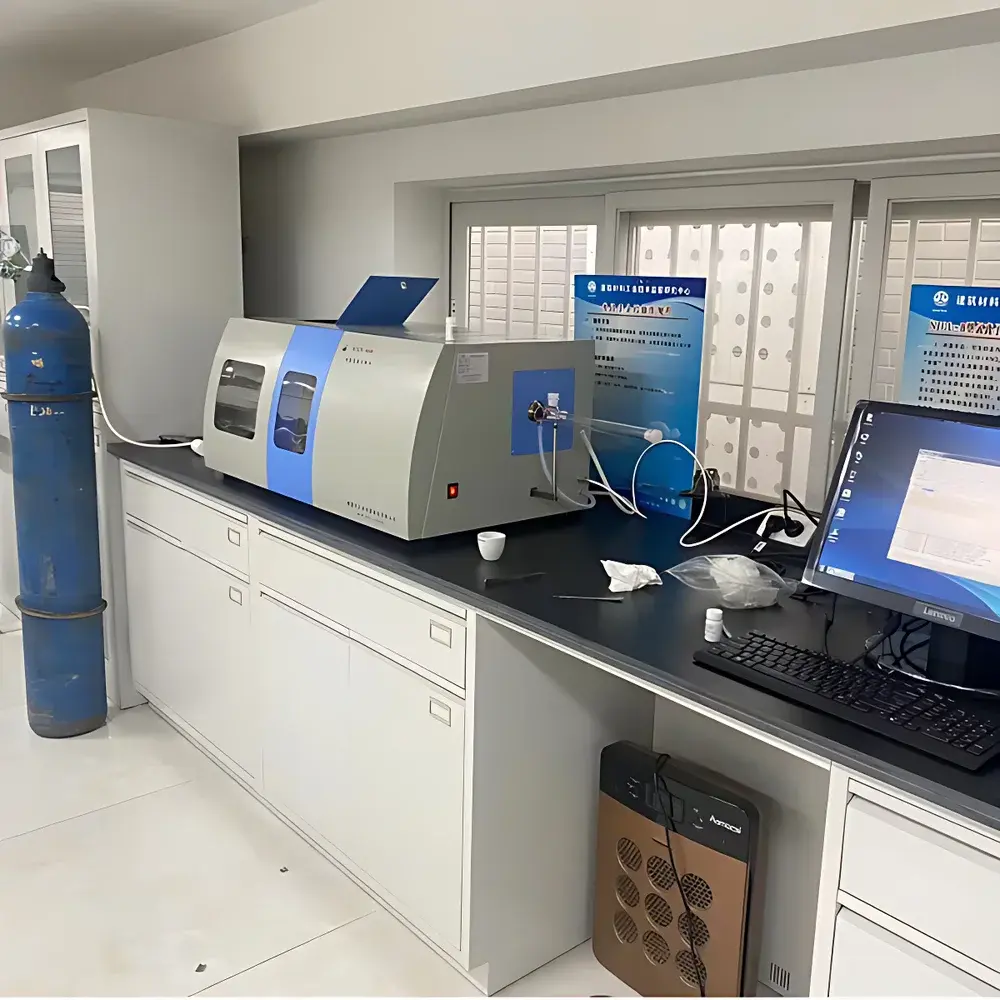
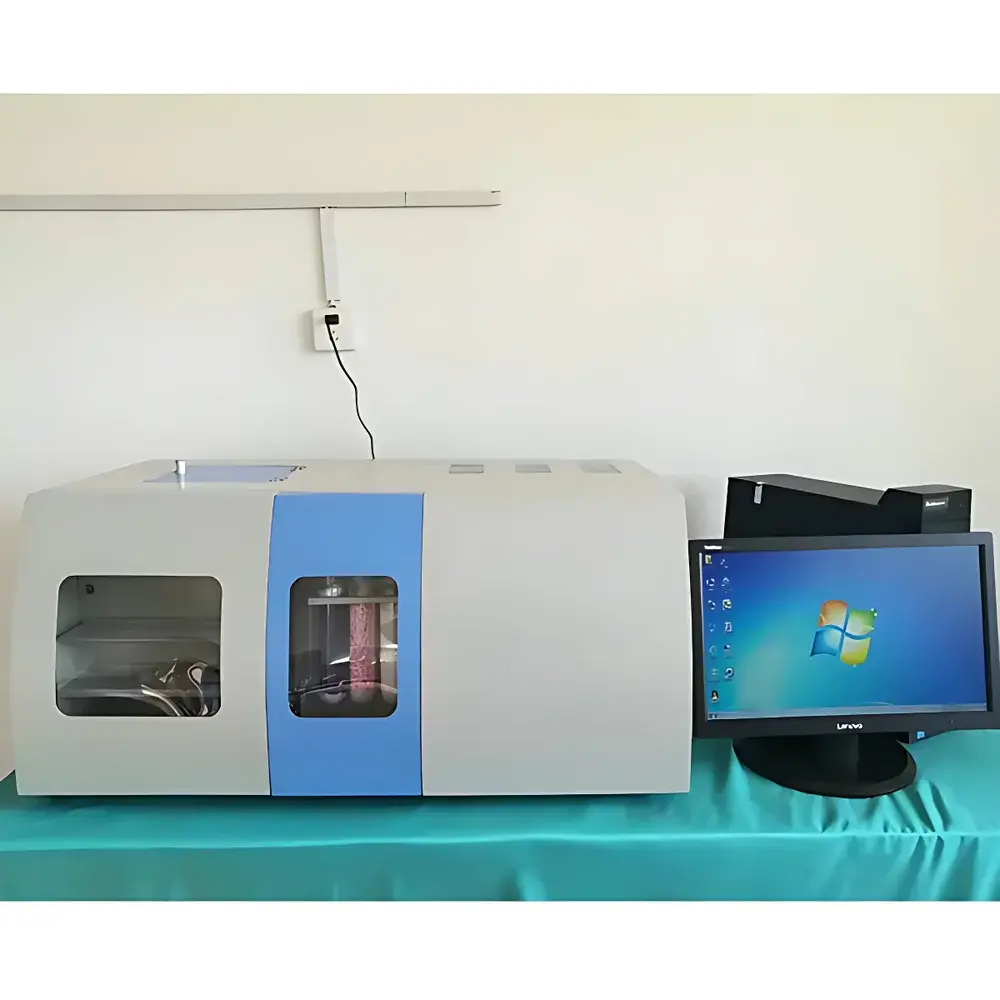
MingShen Science MSCQY-5000 Microcomputer-Based Carbon-Hydrogen Analyzer
| Brand | MingShen Science |
|---|---|
| Origin | Henan, China |
| Model | MSCQY-5000 |
| Measurement Principle | Coulometric–Gravimetric Method |
| Carbon Range | 1–99 wt% |
| Hydrogen Range | 1–20 wt% |
| Furnace Temp. | 850 °C ±10 °C (combustion), 400 °C ±10 °C (reduction) |
| Electrolysis Voltage | 24 V (main), 10 V (coating film) |
| Electrolysis Current | >500 mA (working), <70 mA (endpoint) |
| Test Duration | 9–13.5 min |
| Linearity of Coulometric Integrator | ±0.1% |
| Max. Permissible Error | H ≤0.15 wt%, C ≤0.50 wt% |
| Sample Particle Size | <0.2 mm |
| Heating Rate | 25–30 °C/min |
| Power Supply | 220 V ±10%, 50 Hz, 3 kW |
Overview
The MingShen Science MSCQY-5000 Microcomputer-Based Carbon-Hydrogen Analyzer is a dedicated instrumental system engineered for precise and reproducible determination of total carbon and hydrogen content in solid fuels—primarily coal, coke, char, and other carbonaceous materials. It operates on the internationally recognized coulometric–gravimetric principle, fully compliant with ASTM D3178 (Standard Test Methods for Ultimate Analysis of Coal and Coke) and harmonized with ISO 625:2022 (Solid mineral fuels — Determination of carbon and hydrogen). The instrument integrates high-stability quartz combustion furnace technology with dual-path gas handling: hydrogen quantification is achieved via coulometric electrolysis of phosphoric acid formed from water–P2O5 reaction, while carbon is determined gravimetrically by measuring mass gain of CO2 absorber (typically Ascarite II or NaOH–asbestos mixture). This hybrid methodology ensures traceable accuracy, minimized interferences from sulfur or halogens, and robust performance under routine laboratory QA/QC workflows in coal preparation plants, power generation labs, metallurgical R&D centers, and third-party testing facilities.
Key Features
- Quartz-tube combustion furnace (90 cm length), hermetically sealed design with internal sample delivery mechanism to eliminate ambient air ingress and ensure complete oxidation.
- Dual-zone temperature control: independent regulation at 850 °C ±10 °C (main combustion zone) and 400 °C ±10 °C (catalytic reduction zone), optimized per GB/T 476–2008 and GB/T 28734–2012 protocols.
- Integrated coulometric cell with P2O5 electrolyte film; stable 24 V DC electrolysis voltage and real-time current monitoring (operational range >500 mA; endpoint threshold <70 mA).
- Automated gravimetric CO2 absorption module with high-precision microbalance feedback and dynamic drift compensation.
- Embedded microcomputer control system with Windows-compatible software interface for sequence programming, real-time parameter logging, and automatic calculation of C/H mass percentages.
- Optimized gas circuit architecture featuring stainless-steel tubing, sintered metal filters, and pressure-regulated O2 supply (≥99.995% purity recommended), minimizing risk of blockage or leakage.
- Self-calibrating coulometric integrator with linearity deviation ≤±0.1%, verified against certified reference materials (CRMs) such as NIST SRM 1632e (bituminous coal) and SRM 1635a (anthracite).
Sample Compatibility & Compliance
The MSCQY-5000 accepts homogenized solid samples with particle size <0.2 mm, prepared per ISO 13909-4 and ASTM D2013. It supports analysis of bituminous coal, lignite, anthracite, petroleum coke, biomass pellets, and activated carbon precursors. All operational parameters—including heating ramp rate (25–30 °C/min), dwell times, and gas flow rates—are programmable to meet method-specific requirements. The system satisfies GLP documentation standards through audit-trail-enabled software, timestamped raw data export (CSV/Excel), and user-access-level controls. It is designed to support 21 CFR Part 11–compliant environments when deployed with validated software extensions and electronic signature modules.
Software & Data Management
The analyzer ships with proprietary MingShen Analytical Suite v3.2, a Windows-based application supporting method templates, multi-sample batch processing, statistical summary (mean, SD, RSD), and automatic report generation with embedded calibration curves. Raw coulometric current traces and gravimetric mass-time profiles are stored in binary format with metadata (operator ID, date/time, sample ID, CRM lot number). Export options include PDF, XML, and ASCII-delimited files compatible with LIMS integration. Data integrity safeguards include write-protected archives, checksum validation, and optional network backup to NAS or cloud storage endpoints.
Applications
- Quality assurance of commercial coal shipments per contractual specifications (e.g., ASTM D388, ISO 11760).
- Calorific value estimation using Dulong’s formula and empirical correlations requiring precise C/H input.
- Process optimization in coking and gasification operations where H/C ratio directly influences tar yield and syngas composition.
- Environmental compliance reporting for CO2 emission factor calculations under ISO 14064-1 and EU ETS guidelines.
- Research on coal rank classification, pyrolysis kinetics, and low-rank fuel upgrading technologies.
FAQ
What standards does the MSCQY-5000 comply with?
It conforms to GB/T 476–2008, GB/T 28734–2012, ASTM D3178, and ISO 625:2022 for carbon and hydrogen determination in solid fuels.
Can the instrument analyze samples other than coal?
Yes—it is validated for coke, charcoal, biomass-derived chars, and synthetic carbon materials, provided they combust completely under oxygen at 850 °C and do not generate interfering halogenated or sulfuric gases.
Is external calibration required before each run?
No. The system performs automatic zero-point and span verification using built-in reference electrodes and pre-weighed CRMs; full calibration is recommended quarterly or after maintenance.
How is data security ensured during long-term operation?
All measurement sessions are logged with immutable timestamps and operator credentials; data files are SHA-256 hashed and archived with version-controlled backups.
What maintenance intervals are recommended?
Quartz tube inspection every 200 runs; P2O5 electrolyte replacement every 6 months or after 500 analyses; CO2 absorbent change per sample batch or when baseline drift exceeds 0.05 mg.





