Mini TR PIV System by Bt Fluid
| Brand | Bt Fluid |
|---|---|
| Model | Mini TR PIV |
| Type | Time-Resolved Particle Image Velocimetry System |
| Origin | Beijing, China |
| Measurement Area | ≥300 mm × 300 mm |
| Velocity Range | 0–5 m/s |
| Temporal Resolution | 0.5–4 kHz (full-resolution frame rate) |
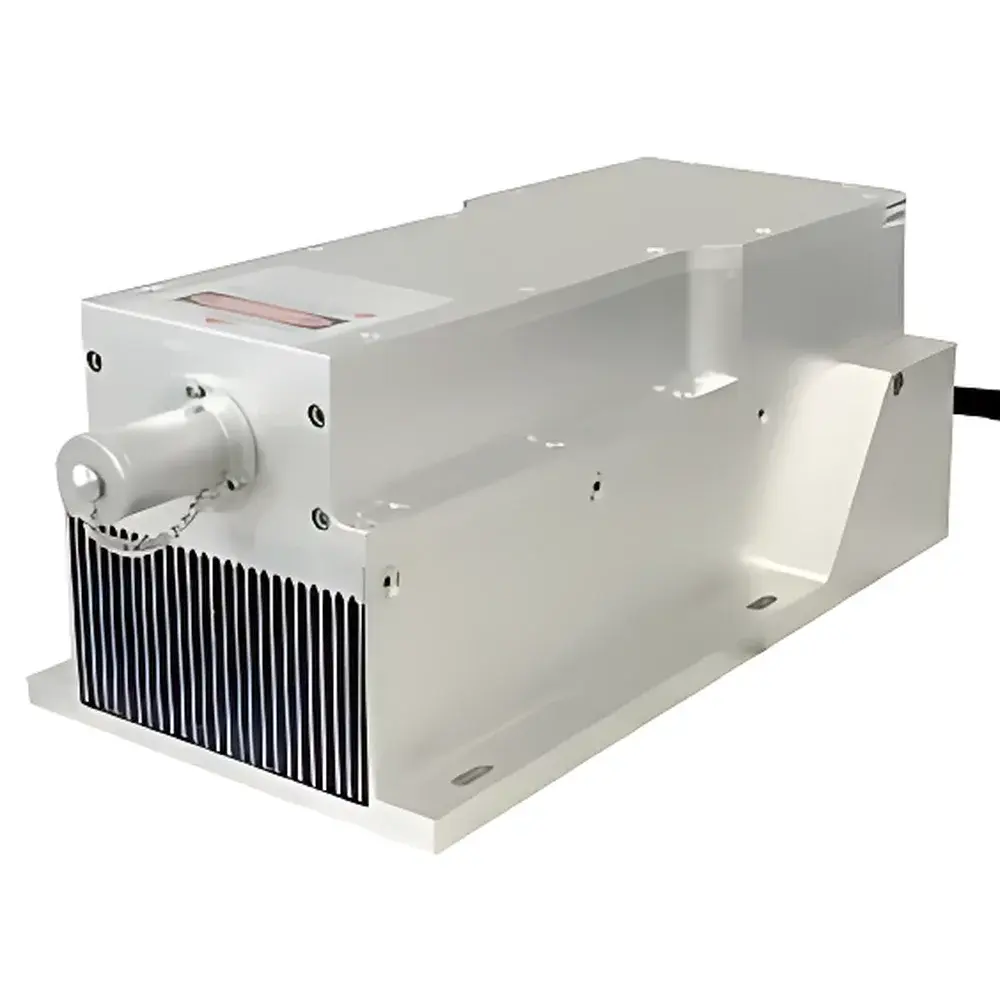
| Laser | Continuous-wave, 532 nm, 0–2 W adjustable output, power stability <1% |
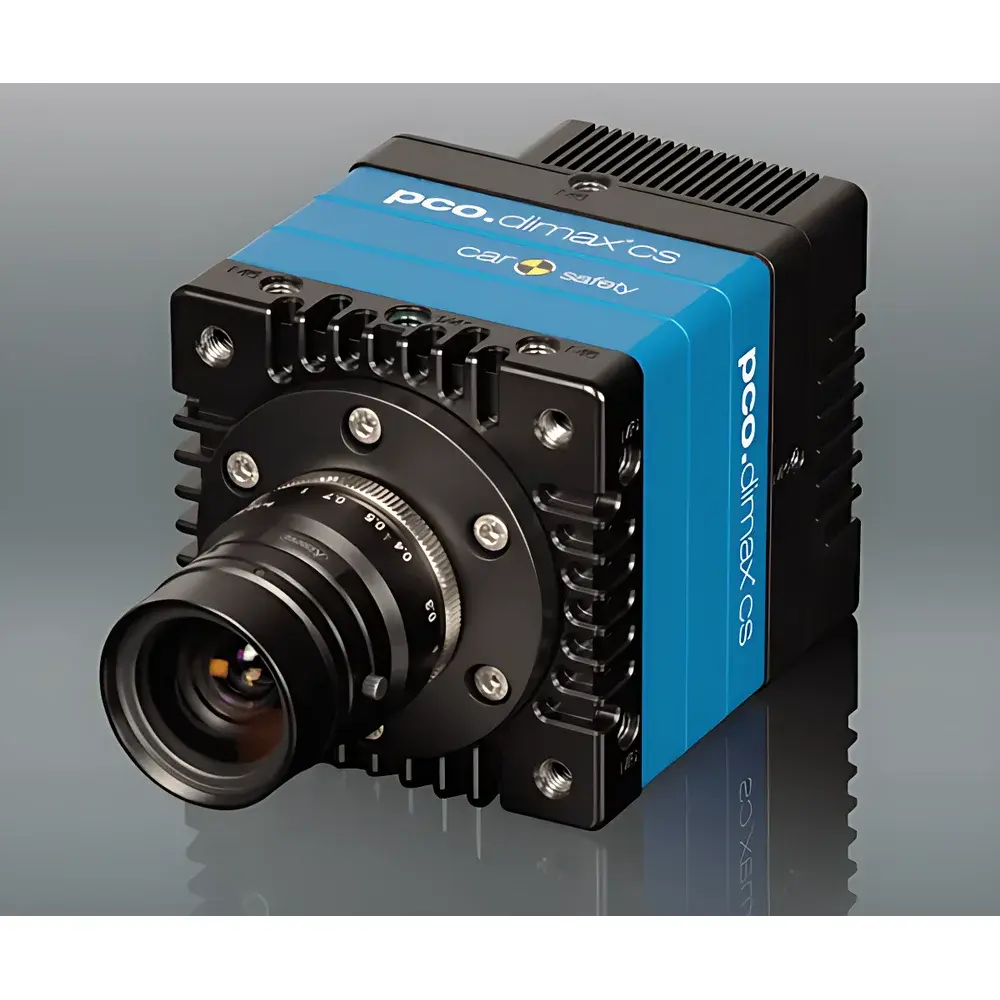
| Camera | PCO dimax CS1 (1296 × 1024, 12-bit, QE >50%, max 3000 Hz at full resolution) or PCO 1200HS (1280 × 1024, 4 GB memory, max 637 Hz at full resolution) |
| Accuracy | ±3% of measured velocity |
| Data Formats Supported | TIFF, BMP, JPEG, B16 (PCO 16-bit), PNG, PBM |
| Software | PIVview (winner-tier in multiple PIV Challenge benchmarks) |
| Compliance | Designed for GLP-aligned experimental workflows |
Overview
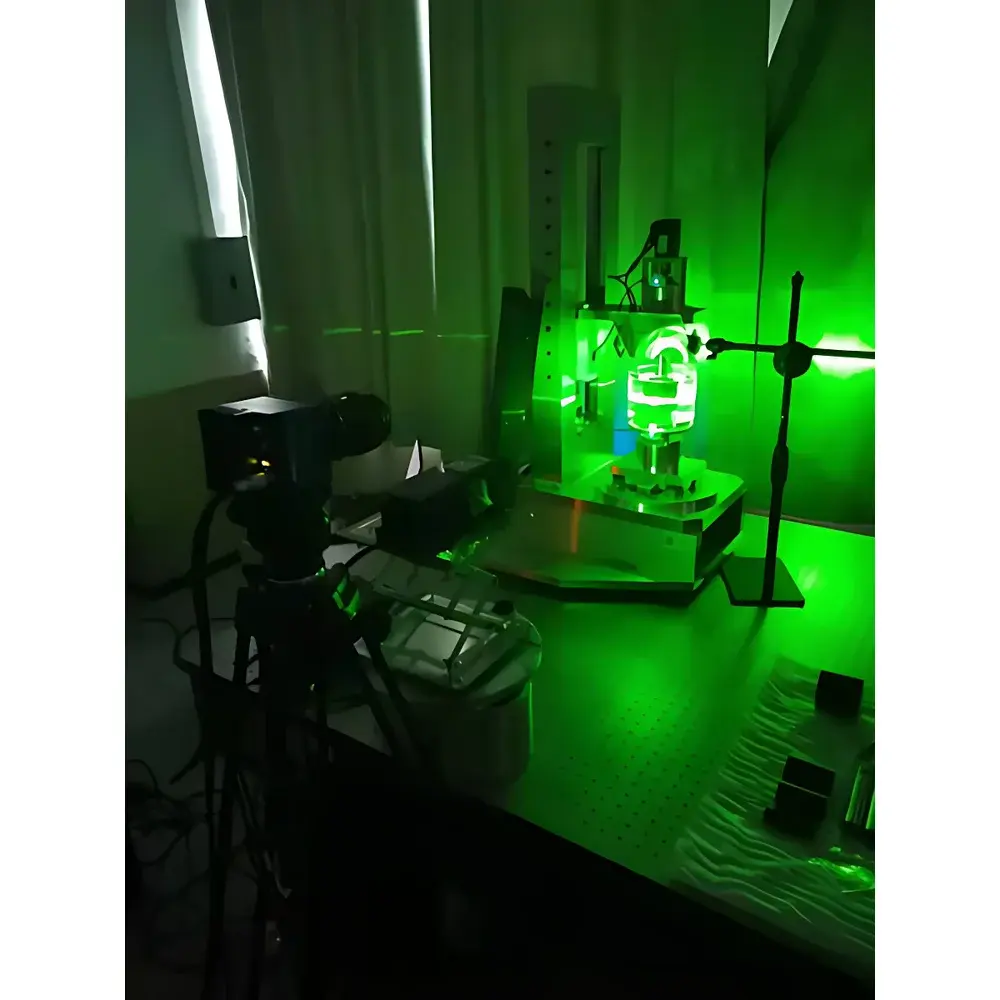
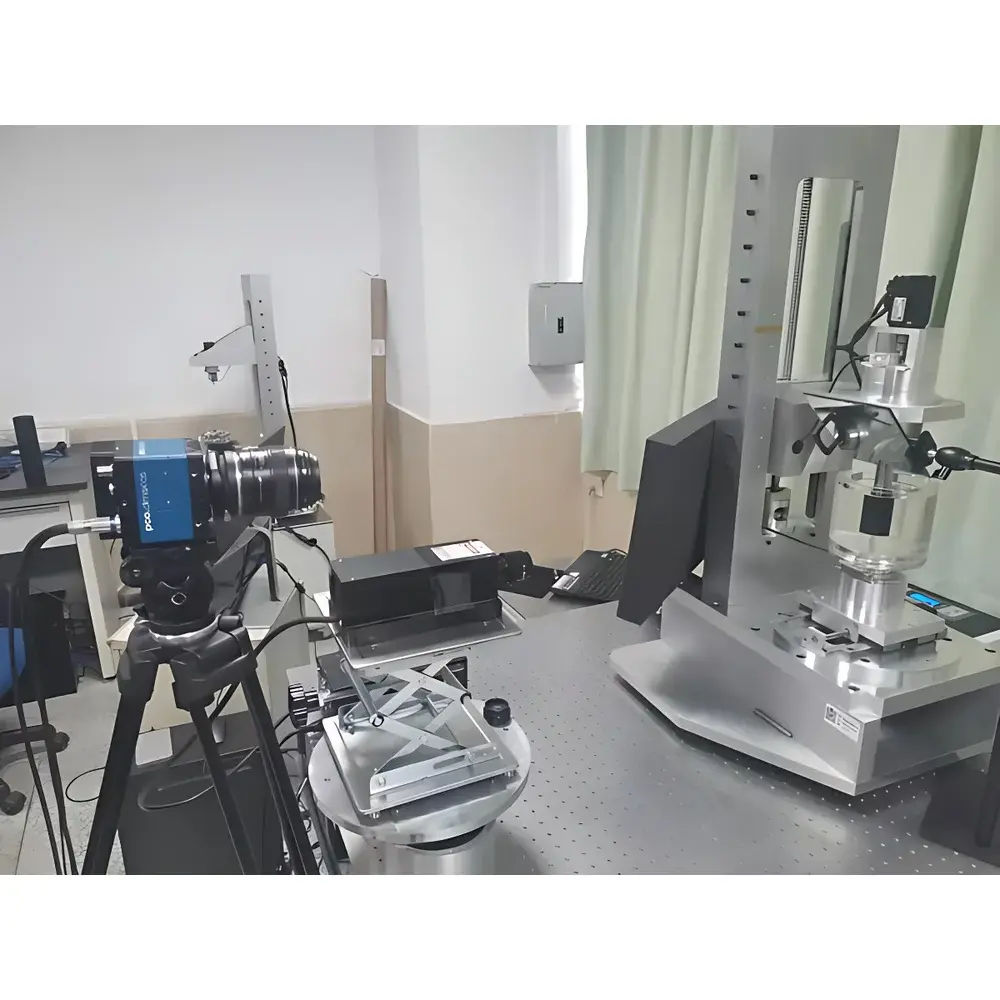
The Mini TR PIV System by Bt Fluid is a compact, time-resolved particle image velocimetry platform engineered for quantitative two-dimensional (2D) and limited stereo-three-dimensional (3D) flow field characterization in low-to-moderate velocity regimes. Unlike conventional dual-cavity pulsed laser-based TR-PIV systems—whose large footprint, high cost, and operational complexity limit deployment in teaching labs, small-scale water channels, or prototyping facilities—the Mini TR PIV replaces the bulky nanosecond-pulsed laser with a stabilized continuous-wave (CW) green laser (532 nm) and leverages high-speed imaging to achieve temporal resolution up to 4 kHz at full sensor resolution. This architecture enables phase-averaged or ensemble-averaged velocity reconstruction in quasi-stationary or slowly evolving flows (e.g., laminar boundary layers, wake dynamics in low-Reynolds-number hydrodynamics, or mixing studies in recirculating tanks), while maintaining optical path simplicity and mechanical robustness. The system operates on the fundamental principle of double-frame interrogation via digital cross-correlation, where successive particle-seeded image pairs are captured at precisely controlled intervals and spatially resolved displacement fields are computed using sub-pixel interpolation and iterative refinement.
Key Features
- Modular hardware architecture integrating a thermally stabilized CW laser (0–2 W, <1% RMS power drift), high-sensitivity sCMOS or CMOS high-speed camera (PCO dimax CS1 or 1200HS), and synchronized triggering electronics
- Full-resolution frame rates of up to 3000 Hz (dimax CS1) or 637 Hz (1200HS), enabling direct temporal sampling of unsteady phenomena without aliasing in flows with dominant frequencies below 2 kHz
- Measurement area ≥300 mm × 300 mm at 1:1 magnification (optics-dependent), scalable via telecentric or macro lens configurations for extended field-of-view applications
- Velocity dynamic range optimized for 0–5 m/s, with uncertainty bounded by ±3% RMS relative error under calibrated seeding density (10–20 particles per interrogation window) and optimal signal-to-noise ratio
- Real-time preview and offline processing supported by PIVview software—validated across multiple international PIV Challenge benchmarks for accuracy, convergence stability, and noise resilience
- No proprietary hardware lock-in: all image data stored in open, vendor-neutral formats (TIFF, B16, PNG) ensuring long-term archival compatibility and third-party algorithm integration
Sample Compatibility & Compliance
The Mini TR PIV System is compatible with standard aqueous and low-viscosity fluid media seeded with polyamide, hollow glass, or titanium dioxide particles (10–50 µm diameter). It supports both planar illumination (via cylindrical lens sheet expansion) and stereoscopic configurations using dual-camera setups (optional). While not certified to ISO 9001 or FDA 21 CFR Part 11 out-of-the-box, its software architecture preserves full audit trails—including raw image timestamps, laser power logs, ROI definitions, correlation parameters, and version-stamped processing scripts—enabling laboratories to establish internal GLP/GMP-compliant validation protocols. All optical components comply with IEC 60825-1:2014 Class 3R laser safety standards when operated within specified power limits.
Software & Data Management
PIVview serves as the core processing engine, offering dual-algorithm support: classic FFT-based cross-correlation and pyramid-based iterative multigrid interrogation with adaptive window deformation. Users may apply geometric corrections (linear warp, polynomial distortion mapping) to compensate for lens aberrations or misalignment-induced shear. Each computed vector field retains associated correlation coefficient maps, allowing rejection thresholds to be applied during post-hoc quality control. Batch processing pipelines support automated parameter sweeps (e.g., varying interrogation window size, overlap ratio, or smoothing kernel) across hundreds of image pairs. Export options include ASCII (x, y, u, v, corr), HDF5 (with metadata embedding), and VTK for CFD co-visualization. No cloud dependency: all computation occurs locally, preserving data sovereignty and enabling air-gapped operation.
Applications
- Academic fluid mechanics instruction: real-time visualization of vortex shedding, boundary layer transition, and jet entrainment in undergraduate and graduate laboratories
- Industrial R&D for HVAC duct flow optimization, microfluidic device characterization, and pump impeller performance mapping under steady-state conditions
- Environmental hydraulics: velocity profiling in open-channel flumes, sediment transport studies, and scaled river model analysis
- Biomedical engineering: low-velocity pulsatile flow simulation in vascular phantoms and perfusion chamber monitoring
- Validation of LES and RANS CFD models where time-averaged or phase-locked statistics are sufficient for benchmarking
FAQ
What distinguishes Mini TR PIV from conventional pulsed-laser TR-PIV systems?
Mini TR PIV eliminates the need for expensive, maintenance-intensive dual-cavity Nd:YAG lasers by substituting a CW laser and high-frame-rate imaging—trading peak intensity for temporal continuity and operational simplicity.
Can this system perform true 3D velocity measurements?
It supports stereo-PIV (2D3C) with dual-camera calibration but does not provide volumetric (tomographic or holographic) reconstruction; true 3D3C requires additional hardware beyond the base configuration.
Is PIVview compatible with MATLAB or Python-based custom analysis?
Yes—raw vector fields and metadata are exportable in ASCII and HDF5 formats, and PIVview’s CLI mode allows script-driven batch execution integrated into Python or MATLAB workflows.
What laser safety class applies to the 532 nm source?
The 0–2 W CW laser is classified as IEC 60825-1:2014 Class 3R; appropriate interlocks, beam enclosures, and operator training are required per local regulatory authority guidelines.
How is measurement accuracy validated?
Accuracy is verified using synthetic image generators (e.g., PIVlab’s test patterns) and calibrated rotating disk targets per ASTM D7585-19 Annex A2 methodology, with reported ±3% deviation under nominal seeding and illumination conditions.