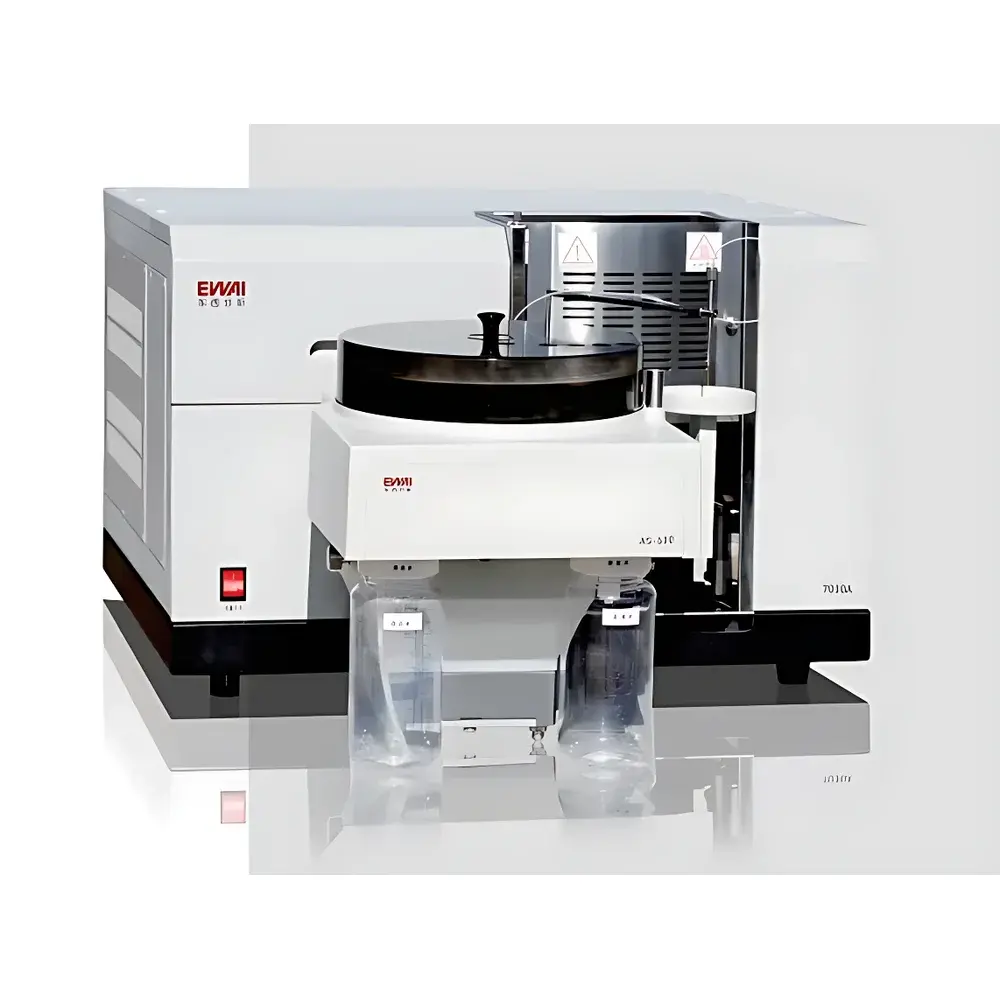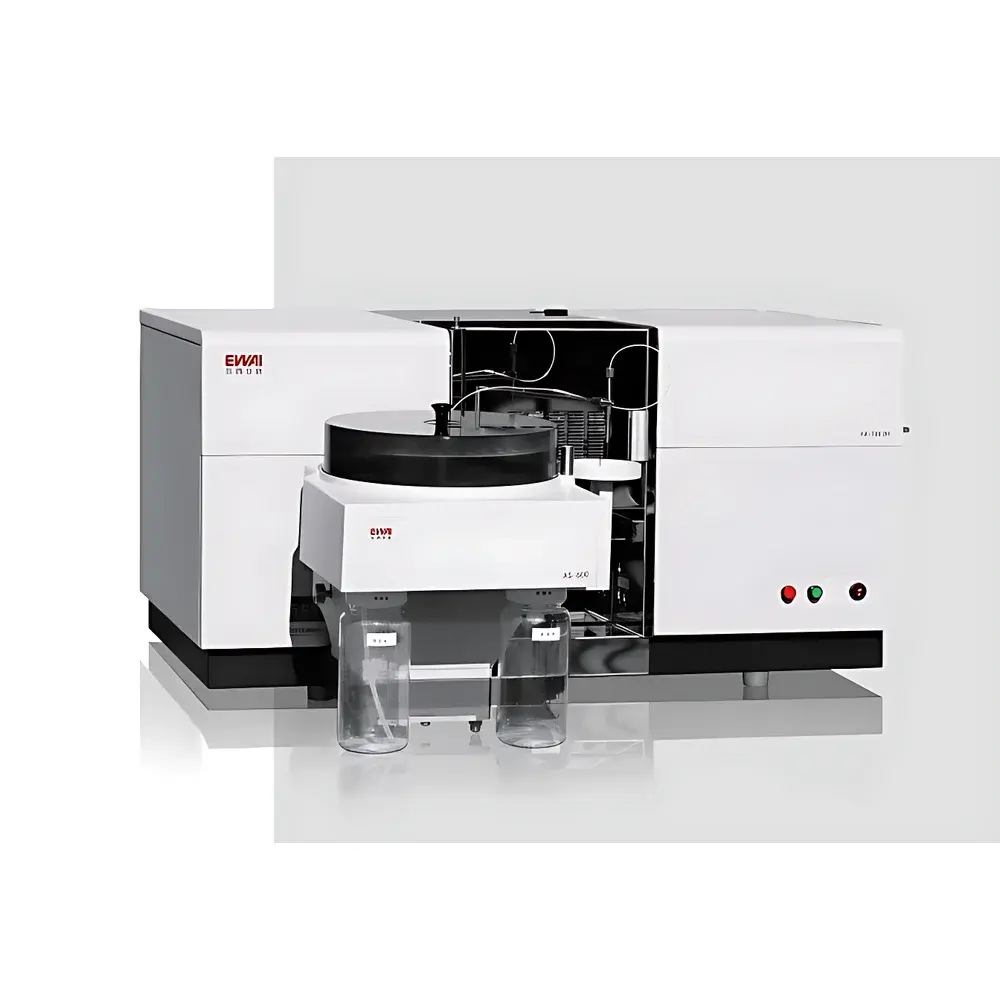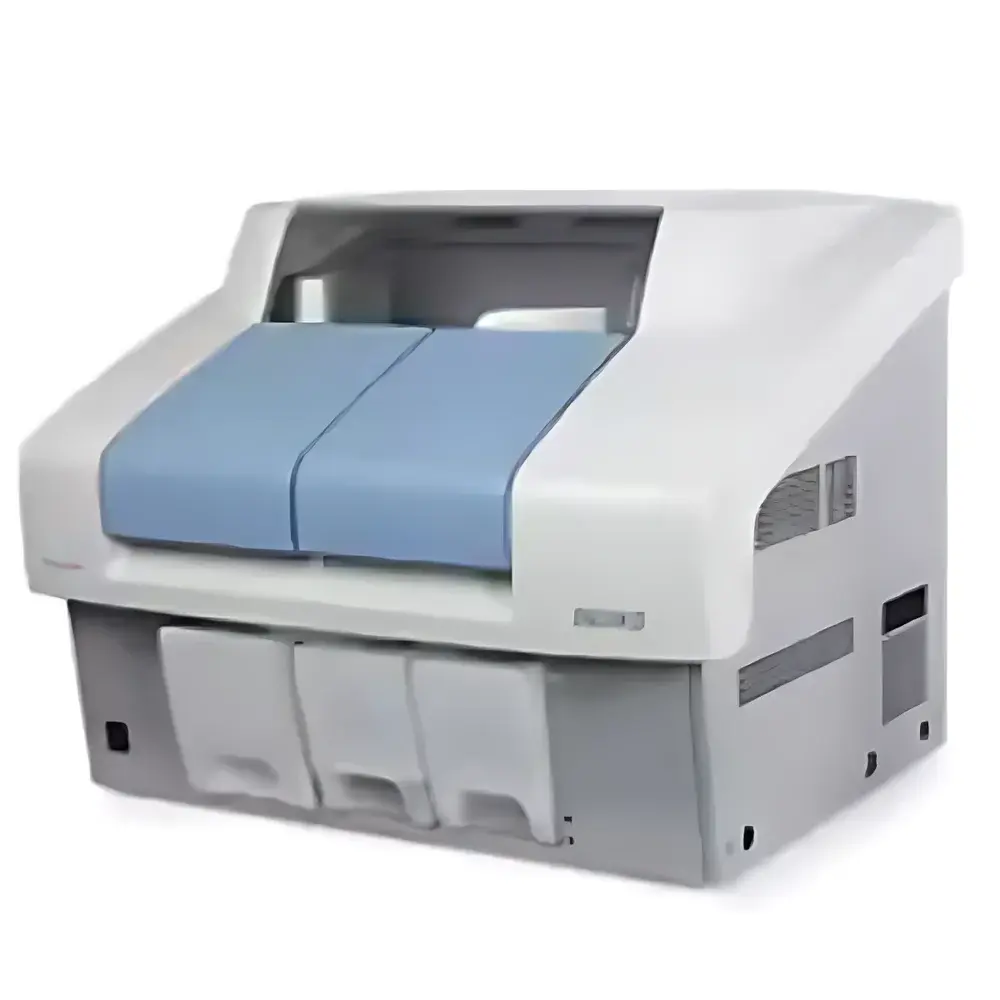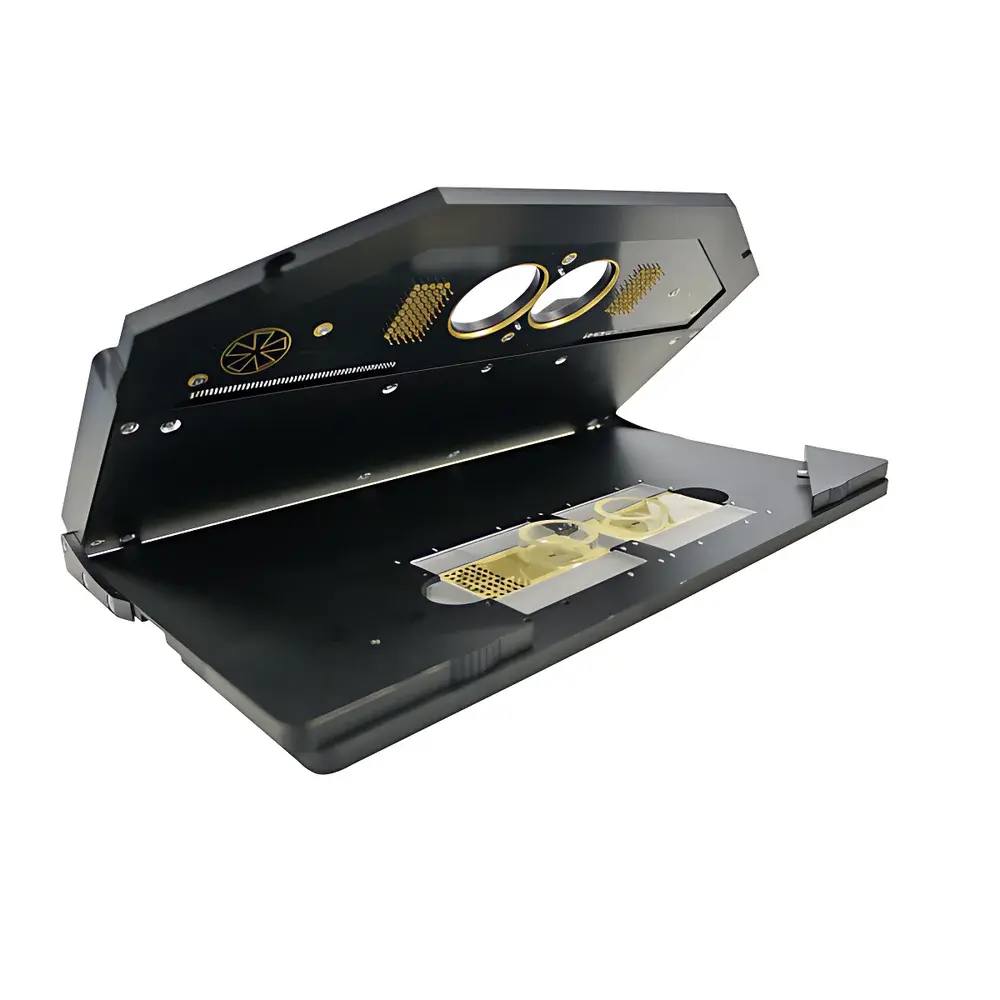
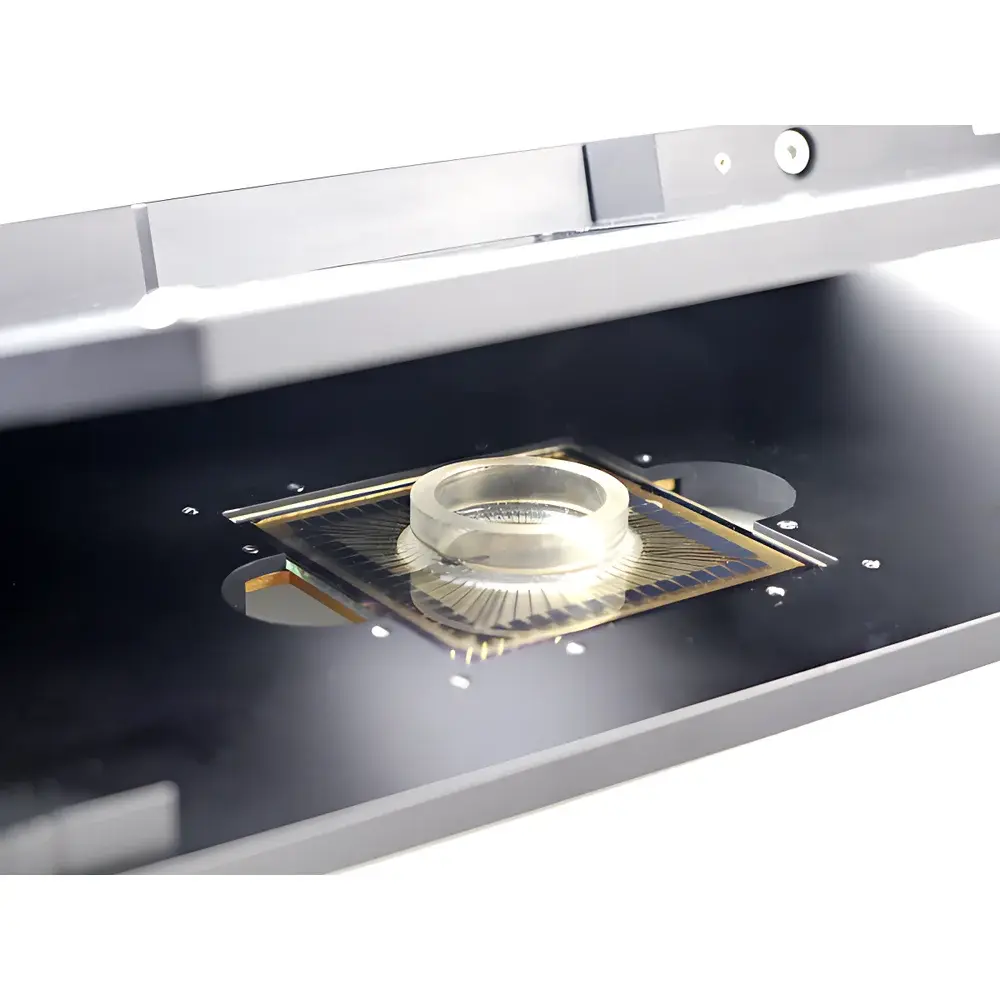
Multi Channel Systems MEA2100 Extracellular Electrophysiology Microelectrode Array Recording System
| Brand | Multi Channel Systems |
|---|---|
| Origin | Germany |
| Manufacturer Type | Original Equipment Manufacturer (OEM) |
| Import Status | Imported |
| Model | MEA2100 |
| Pricing | Upon Request |
Overview
The Multi Channel Systems MEA2100 is a high-performance, benchtop extracellular electrophysiology recording system designed for in vitro applications. It employs planar microelectrode array (MEA) technology based on the principle of extracellular field potential detection—capturing voltage transients generated by synchronized ion fluxes across neuronal or cardiac cell membranes without intracellular penetration. The system integrates low-noise analog amplification, real-time digital signal processing, and bidirectional electrical stimulation capabilities into a compact, shielded architecture engineered for high reproducibility and electromagnetic interference (EMI) resilience. Its core functionality centers on simultaneous multi-site acquisition of spontaneous and evoked extracellular action potentials and local field potentials (LFPs) from adherent neural tissues, cardiac slices, retinal explants, intestinal preparations, stem-cell-derived cardiomyocytes or neurons, and even plant root tips—enabling spatiotemporal mapping of electrophysiological activity across 256 channels.
Key Features
- 256-channel scalable recording architecture supporting standard MEA configurations: 8×8, 6×10, and 16×16 layouts (up to 252 active electrodes per chip)
- Titanium nitride (TiN)-coated microelectrodes with nominal diameter ≥8 µm and inter-electrode pitch ≥30 µm—optimized for high charge injection capacity, biocompatibility, and autoclave compatibility (121 °C, 2 bar)
- Integrated hardware-based spike detection and TTL pulse generation for real-time feedback loops in closed-loop stimulation paradigms
- Programmable analog filtering (high-pass: 1–300 Hz; low-pass: 1–5 kHz) and adjustable gain (×100–×10,000) per channel group
- Simultaneous bidirectional operation: recording + electrical stimulation (current-controlled, ±10 mA max, <1 µs jitter)
- Compact, fanless design with grounded metal shielding and differential input stages for superior common-mode rejection ratio (CMRR >110 dB)
Sample Compatibility & Compliance
The MEA2100 supports a broad spectrum of in vitro biological preparations including acute brain and spinal cord slices (200–400 µm), dissociated primary neuronal cultures, induced pluripotent stem cell (iPSC)-derived neural or cardiac monolayers, isolated retinal whole-mounts, Langendorff-perfused heart slices, longitudinal intestinal muscle strips, and Arabidopsis thaliana root tips. All MEA chips comply with ISO 10993-5 (cytotoxicity) and ISO 10993-10 (irritation/sensitization) standards. The system’s hardware and firmware architecture align with GLP-compliant workflows, supporting audit trails, user access control, and electronic signature readiness per FDA 21 CFR Part 11 when used with compliant software environments.
Software & Data Management
Acquisition and analysis are managed via MC_Rack—a modular, Windows-based platform offering real-time visualization, offline spike sorting (using template-matching and PCA-based clustering), network burst detection, cross-correlation mapping, and LFP spectral analysis (FFT, wavelet). Raw data are stored in HDF5 format (lossless compression, metadata-rich), ensuring long-term archival integrity and interoperability with Python (Neo, Elephant), MATLAB, and custom LabVIEW interfaces. Version-controlled software updates follow IEC 62304 Class B medical device software lifecycle requirements, with full traceability documentation available upon request.
Applications
- Neuroscience: Long-term potentiation/depression (LTP/LTD), paired-pulse facilitation (PPF), network bursting dynamics, developmental synaptogenesis, axonal regeneration assays, epileptiform discharge modeling, circadian oscillation tracking in suprachiasmatic nucleus slices
- Cardiac electrophysiology: Conduction velocity mapping, arrhythmia induction via burst pacing, proarrhythmic risk assessment (e.g., drug-induced EADs/DADs), maturation profiling of stem-cell-derived cardiomyocytes
- Retinal physiology: Light-evoked response topography, micro-electroretinogram (microERG) quantification, photoreceptor-bipolar circuit integrity screening
- Gastrointestinal research: Interstitial cells of Cajal (ICC)-driven slow-wave propagation, enteric neural circuit modulation
- Stem cell & toxicology: Functional phenotyping of differentiation endpoints; high-content electrophysiological screening of compound libraries under ISO/IEC 17025-aligned protocols
FAQ
What types of MEA chips are compatible with the MEA2100 system?
Standard glass-bottom and transparent polymer MEAs with 32-, 60-, and 124-electrode configurations—as well as custom 252-electrode arrays—are fully supported via interchangeable headstages and impedance-matched cabling.
Does the system support closed-loop stimulation triggered by detected spikes?
Yes—hardware-level spike detection enables sub-millisecond latency TTL output, allowing integration with external stimulators or internal current sources for real-time conditional stimulation protocols.
Is sterilization of MEA chips possible without degrading electrode performance?
TiN-coated electrodes withstand repeated autoclaving (121 °C, 20 min, saturated steam) and ethanol/plasma cleaning without measurable increase in impedance or loss of charge injection capacity.
Can raw data be exported for third-party analysis?
All acquired data are saved in open-format HDF5 files containing timestamps, electrode geometry metadata, amplifier settings, and calibrated voltage traces—fully compatible with Python, MATLAB, and R-based analysis pipelines.
What regulatory documentation is provided for GxP environments?
A comprehensive validation package—including IQ/OQ protocols, traceability matrices, and firmware version history—is available to support installation qualification and operational qualification under GLP, GCP, or GMP frameworks.