
MultiAnna MTA 5 Multi-Parameter Water Quality Analyzer
| Origin | Shenzhen, China |
|---|---|
| Manufacturer Type | Authorized Distributor |
| Model | MTA 5 |
| Price Range | USD 14,000 – 28,000 |
| Instrument Type | Online Multi-Parameter Water Quality Analyzer |
| Measured Matrices | Surface Water, Drinking Water, Municipal Wastewater, Industrial Effluent, Groundwater, Seawater |
Overview
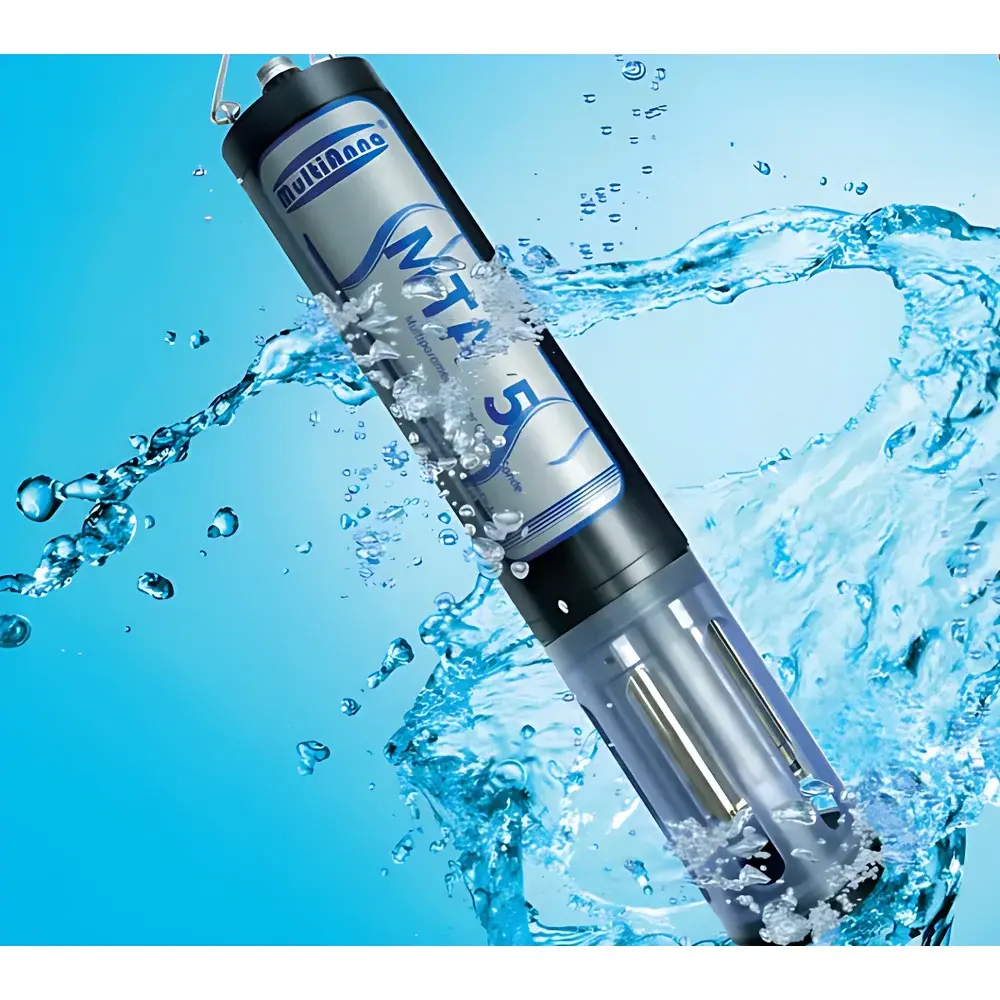
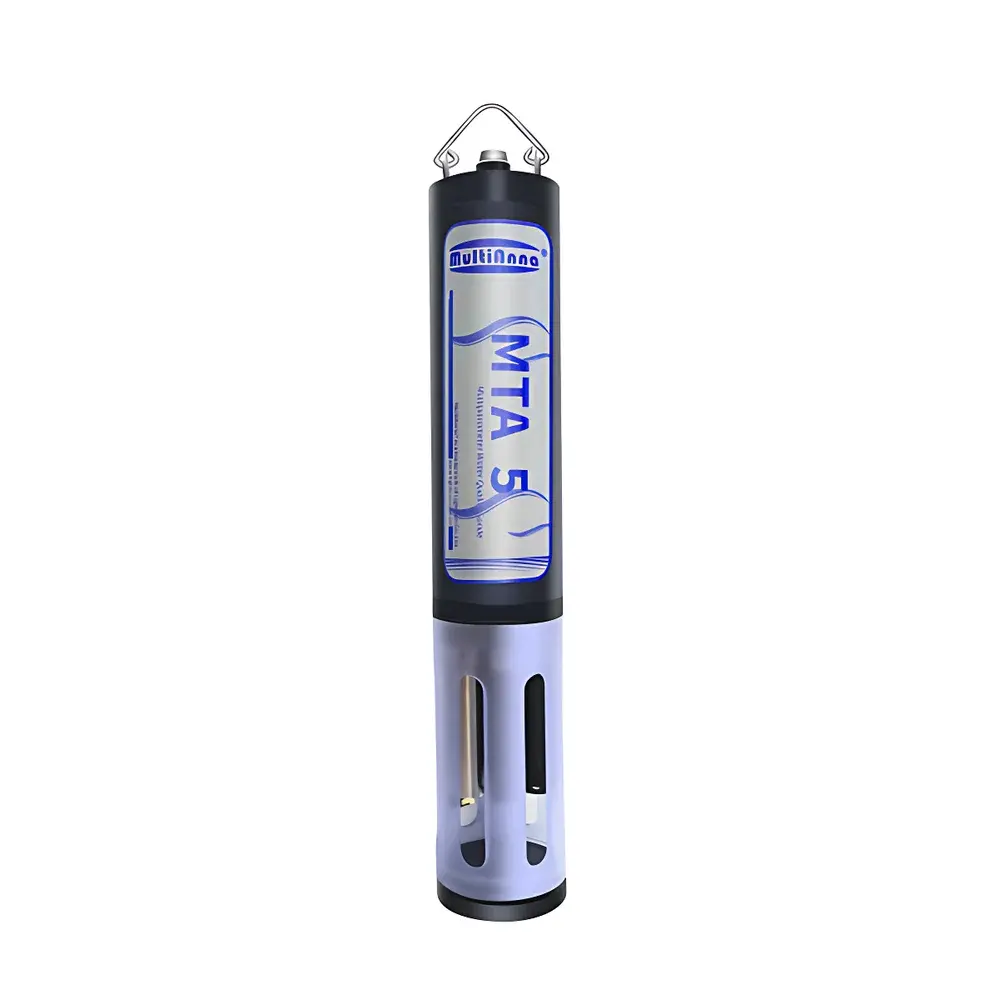
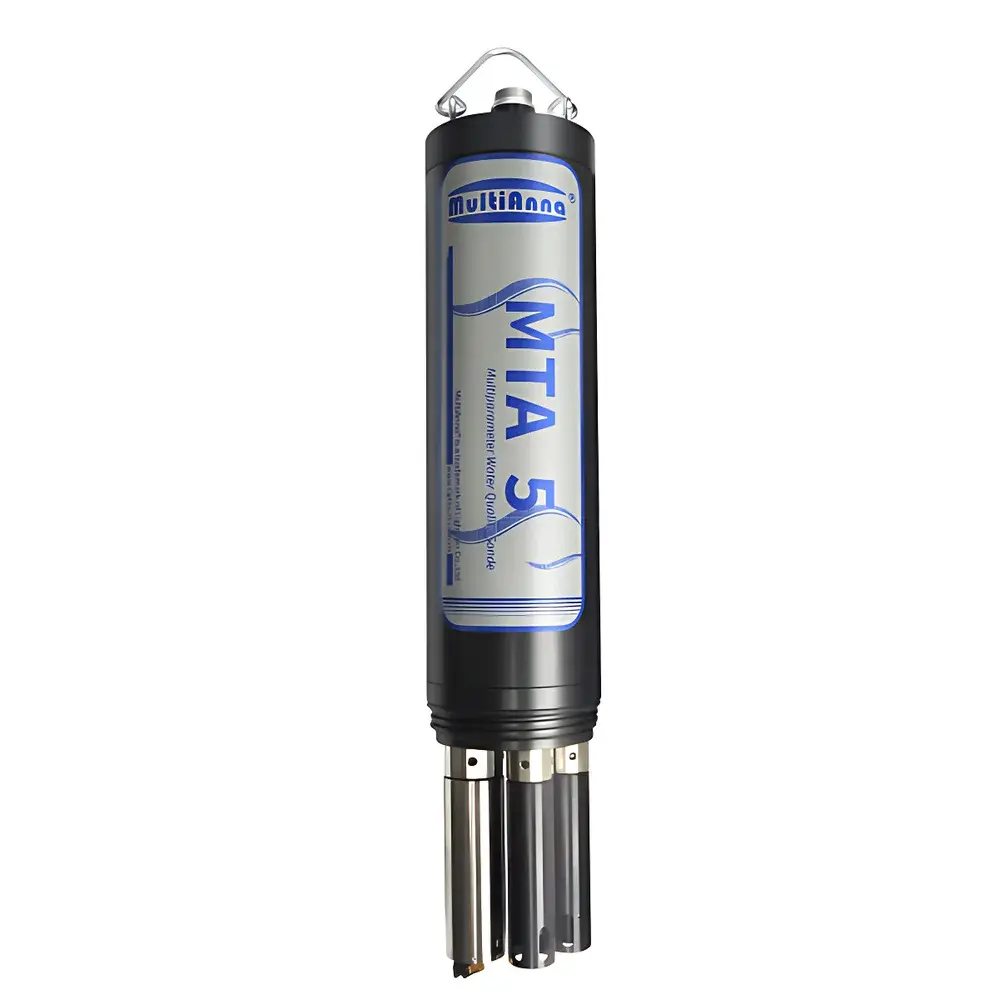
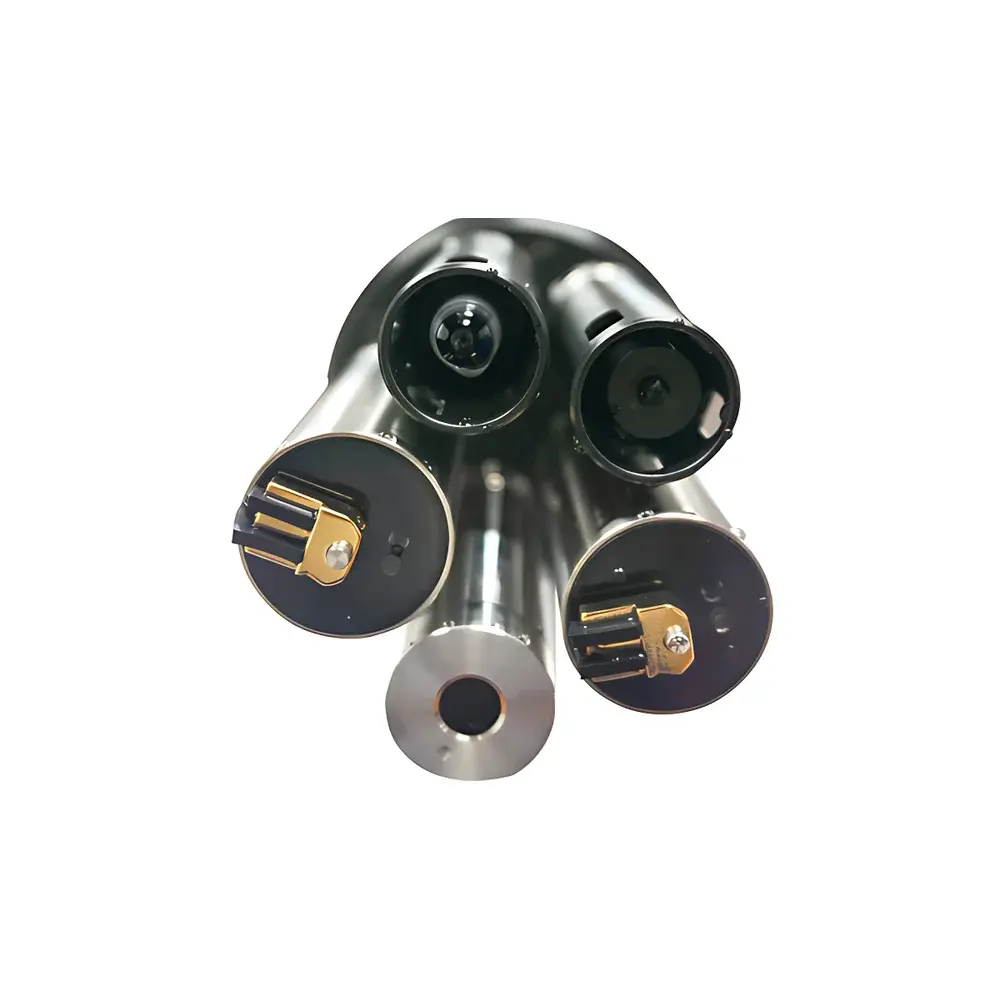
The MultiAnna MTA 5 Multi-Parameter Water Quality Analyzer is an engineered field-deployable platform designed for continuous, real-time monitoring of physicochemical and biological water quality parameters in diverse aquatic environments. Built upon a modular sensor architecture, the MTA 5 operates on the principle of multi-sensor fusion—integrating electrochemical, optical, and physical transduction technologies within a single ruggedized probe housing. Its core measurement capabilities include temperature (NTC thermistor), pH (glass electrode with Ag/AgCl reference), ORP (platinum redox electrode), conductivity (four-electrode AC conductivity cell), dissolved oxygen (optical luminescence quenching), turbidity (90° scattered light at 860 nm), chlorophyll-a and phycocyanin (excitation/emission fluorescence), rhodamine WT (fluorescent tracer detection), hydrocarbon (UV-induced fluorescence), ammonium (ion-selective field-effect transistor, ISFET), and depth (piezoresistive pressure transducer). This combination enables comprehensive water quality profiling aligned with regulatory observation requirements under ISO 5667-3, ASTM D3370, and EPA Method 180.1.
Key Features
- Modular sensor architecture supporting 2–5 simultaneously installed, independently calibrated sensors—enabling application-specific configuration without hardware redesign
- Ruggedized pressure-rated housing constructed from POM (polyoxymethylene) or PVC, certified for continuous submersion up to 200 m depth and resistant to biofouling and seawater corrosion per ASTM D1654 salt-spray testing
- Low-power operation (≤1.2 W typical) with optional internal rechargeable Li-ion battery pack (72 Wh), enabling unattended deployment for ≥30 days at 15-min sampling intervals
- RS-485 physical layer interface compliant with Modbus RTU protocol (slave ID configurable, baud rates 9.6–115.2 kbps), facilitating seamless integration into SCADA, PLC, and telemetry systems
- Field-serviceable design: individual sensor modules feature IP68 connectors, hot-swappable firmware, and self-diagnostics including electrode impedance monitoring and optical path contamination alerts
- Compact cylindrical form factor (Ø89 mm × 320 mm L) optimized for integration into buoys, moorings, AUVs, and narrow-diameter well casings
Sample Compatibility & Compliance
The MTA 5 is validated for direct immersion in natural and engineered water matrices—including freshwater lakes and rivers, chlorinated drinking water distribution systems, activated sludge effluents, acid mine drainage, brackish estuaries, and open-ocean seawater (salinity range: 0–45 ppt). All wetted materials comply with USP Class VI biocompatibility standards and EU REACH Annex XIV restrictions. Sensor calibration traceability follows NIST-traceable reference standards (e.g., NIST SRM 1692 for conductivity, APHA-certified pH buffers). Data integrity meets GLP/GMP audit requirements through embedded timestamped calibration logs, sensor drift compensation algorithms, and tamper-evident memory storage.
Software & Data Management
The included MultiAnna DataStudio software (Windows/macOS/Linux) provides full instrument control, sensor calibration (single- and multi-point), real-time visualization, automated QA/QC flagging (e.g., spike detection, range violation alerts), and export to CSV, Excel, or NetCDF formats. The software supports 21 CFR Part 11-compliant user authentication, electronic signatures, and audit trail generation—including all parameter changes, calibration events, and data exports. Firmware updates are delivered via signed OTA packages with SHA-256 verification. Optional cloud connectivity enables MQTT-based telemetry to AWS IoT Core or Azure IoT Hub with TLS 1.2 encryption.
Applications
- Long-term autonomous monitoring on coastal buoys and riverine sentinel stations
- Rapid-response deployment during chemical spills or algal bloom events
- Regulatory compliance monitoring for municipal wastewater discharge permits (e.g., NPDES)
- Groundwater quality assessment in landfill leachate plumes and agricultural nitrate zones
- Process control feedback in drinking water treatment plants (coagulation, disinfection, filtration stages)
- Ecological research requiring high-temporal-resolution profiling of phytoplankton dynamics and hypolimnetic oxygen depletion
FAQ
What is the maximum recommended deployment duration without maintenance?
Typically 6–12 months in low-fouling freshwater; 3–6 months in eutrophic or marine environments—dependent on antifouling strategy (e.g., copper alloy housing, periodic wiper activation).
Can the MTA 5 be integrated with third-party telemetry systems?
Yes—via Modbus RTU over RS-485, supporting standard register mapping for all measured parameters, status flags, and diagnostic codes.
Is factory calibration traceable to national metrology institutes?
Yes—each sensor module ships with a calibration certificate referencing NIST-traceable standards and uncertainty budgets per ISO/IEC 17025.
Does the system support automatic temperature compensation for all parameters?
Yes—real-time PT1000-based temperature measurement feeds dynamic compensation algorithms for pH, conductivity, DO, and turbidity.
What cybersecurity protocols are implemented for remote access?
Local USB/serial access requires no network exposure; optional Ethernet/WiFi variants enforce TLS 1.2, SSHv2, and role-based access control (RBAC) per IEC 62443-3-3 SL2.







