
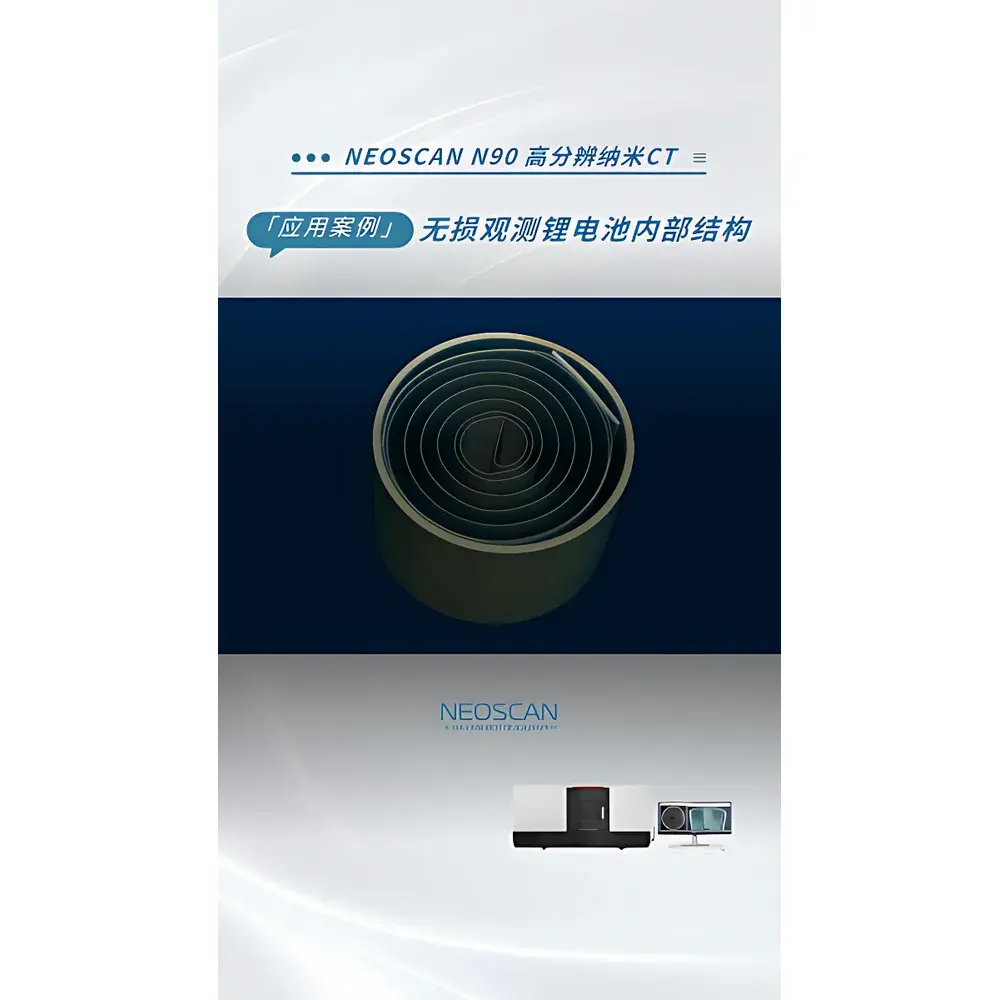
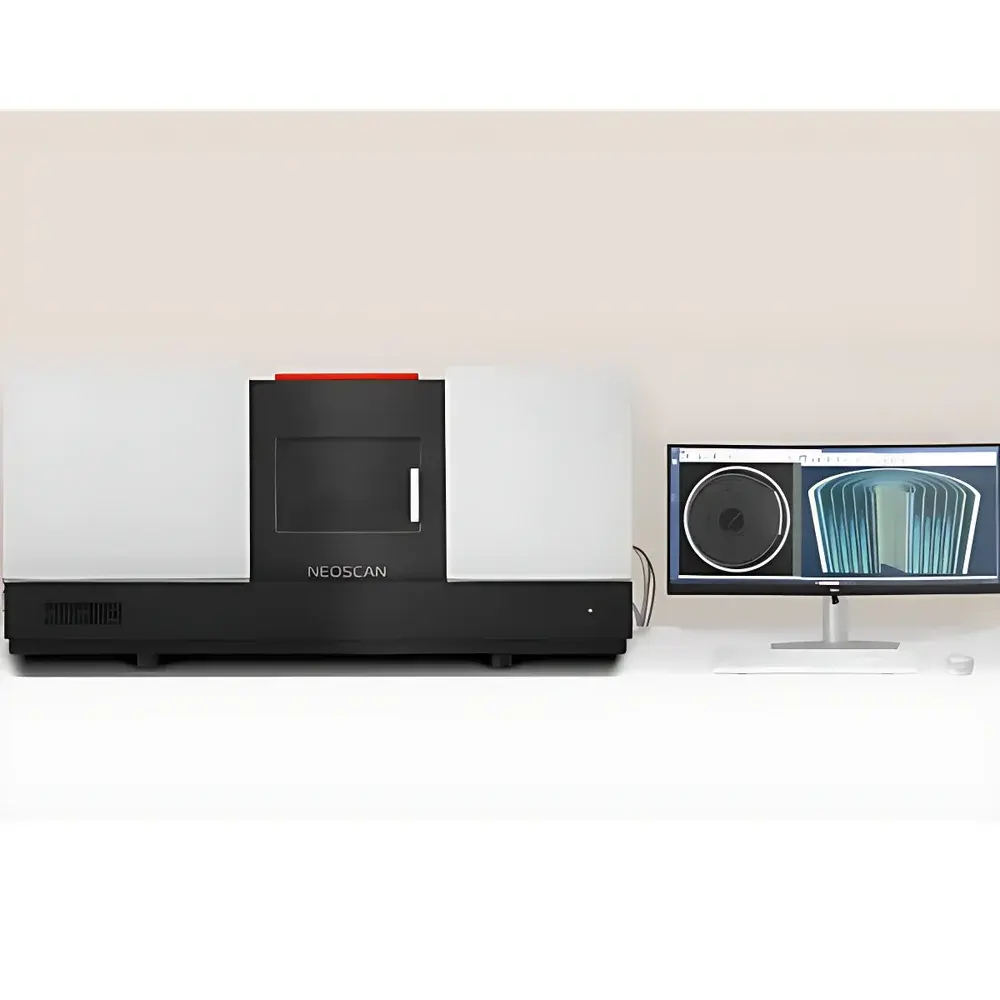
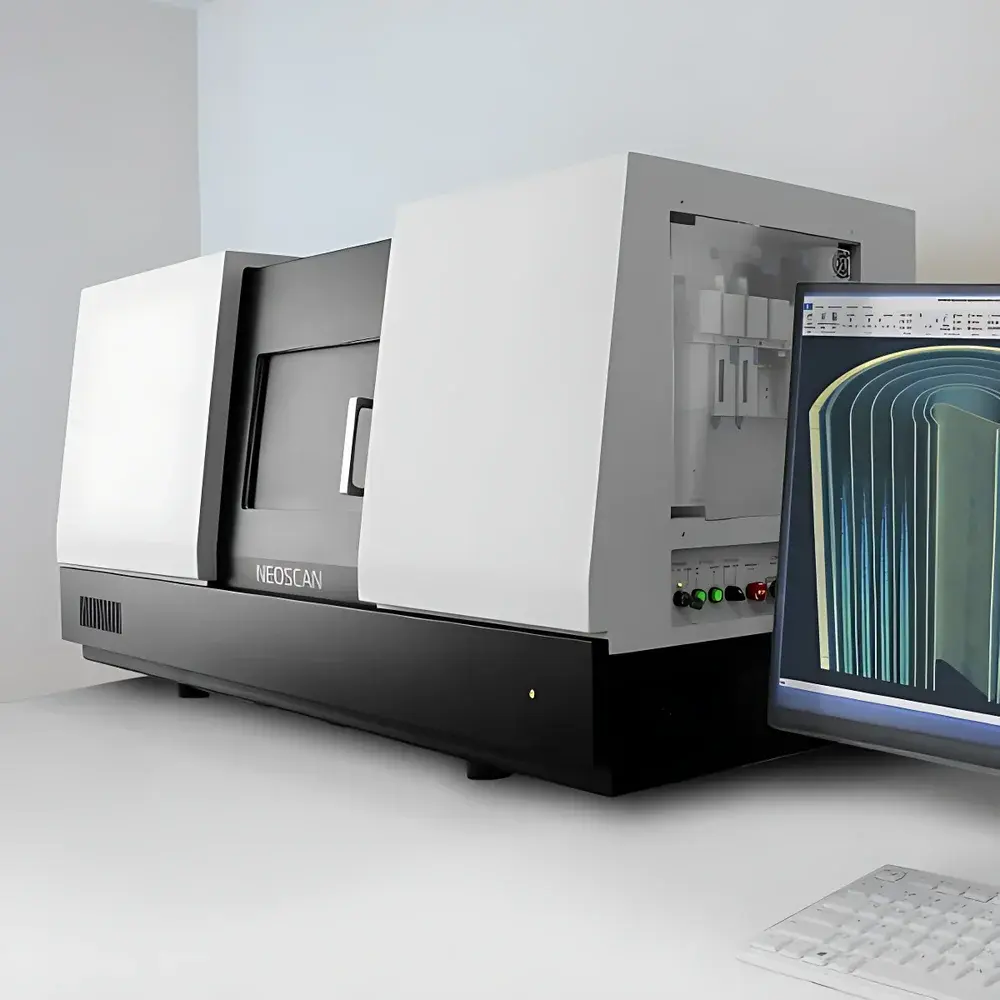
Neoscan N90 Benchtop High-Resolution Nanoscale X-ray Computed Tomography System for Lithium Battery R&D
| Brand | Neoscan |
|---|---|
| Origin | Belgium |
| Detector Type | Flat-Panel Detector |
| Scan Mode | Rotation-Only (RO) |
| Spatial Resolution | 300 nm |
| X-ray Energy | 160 kV |
| Maximum Sample Dimensions | 100 mm × 400 mm |
| System Footprint | 1540 mm × 580 mm × 740 mm |
Overview
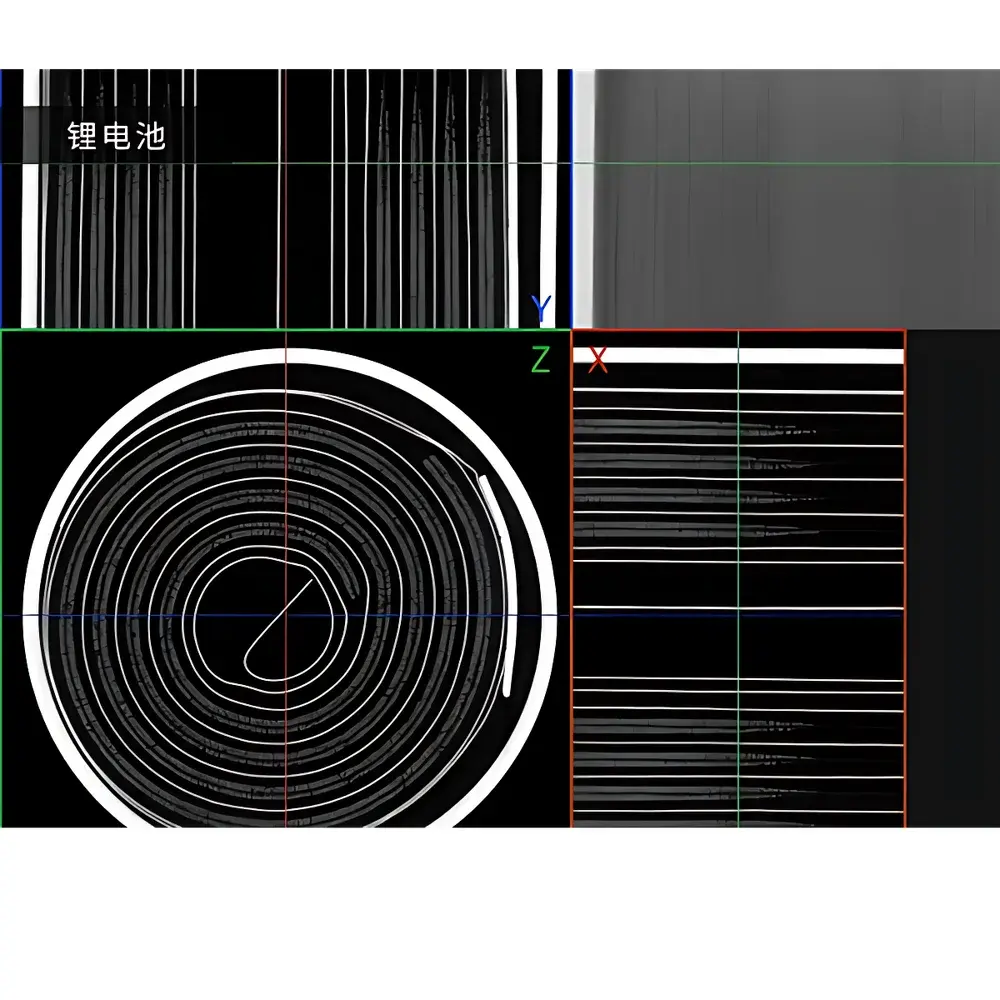
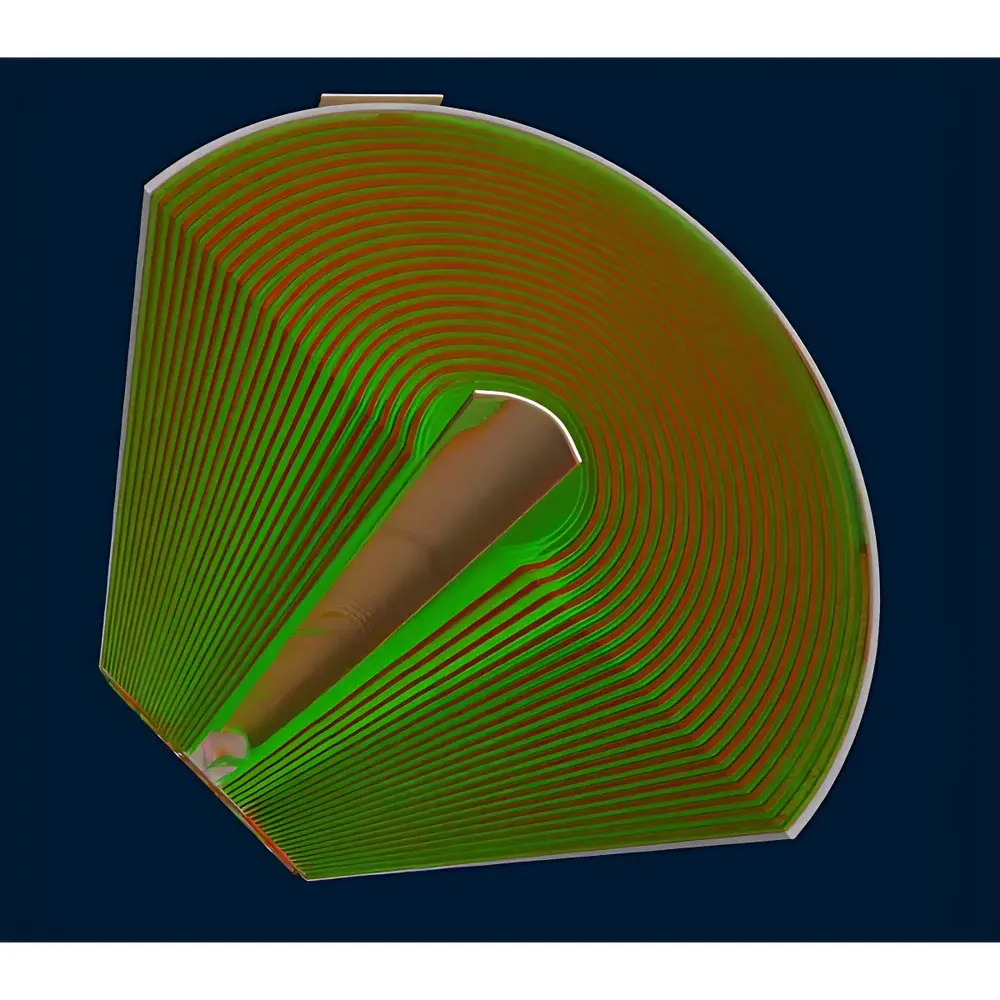
The Neoscan N90 is a benchtop nanoscale X-ray computed tomography (nano-CT) system engineered specifically for advanced materials characterization in lithium-ion battery research and industrial quality assurance. It operates on the principle of cone-beam X-ray microtomography, utilizing high-brightness microfocus X-ray sources and high-dynamic-range flat-panel detectors to reconstruct volumetric datasets with isotropic voxel resolution down to 300 nm. Unlike conventional micro-CT systems—typically limited to ~500 nm–1 µm resolution—the N90 achieves true nanoscale imaging capability without synchrotron infrastructure, enabling laboratory-based, non-destructive 3D structural analysis of electrode architectures, solid-electrolyte interfaces, pore networks, and degradation features. Its rotation-only (RO) scanning geometry ensures mechanical stability and repeatability across long acquisition sequences, critical for quantitative morphometric analysis under GLP-compliant workflows.
Key Features
- Benchtop architecture with integrated radiation shielding, eliminating need for dedicated vaults or facility modifications
- Sub-micron spatial resolution (≤300 nm isotropic voxel size) validated per ISO 19232-3 and ASTM E2737 standards
- 160 kV microfocus X-ray source with focal spot size <1 µm, optimized for high-contrast imaging of low-Z battery materials (C, O, F, P, Ni, Co, Mn)
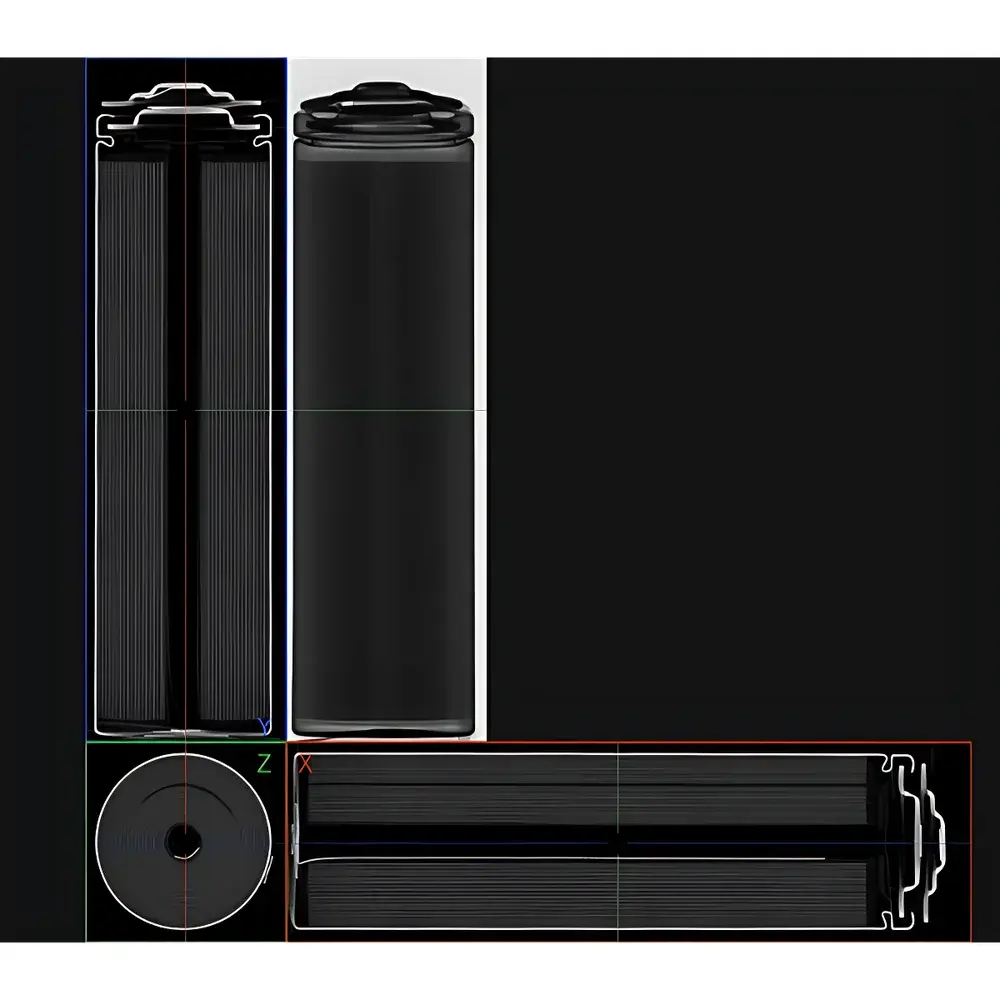
- Large-field-of-view capability accommodating full-format pouch cells (up to 100 mm × 400 mm), cylindrical cells (e.g., 18650, 21700), and electrode coupons
- Motorized precision rotation stage with angular accuracy <0.005° and thermal drift compensation for multi-hour scans
- Optional integrated energy-dispersive X-ray fluorescence (ED-XRF) module for correlative elemental mapping (K and heavier elements)
- Modular sample holder design supporting in situ electrochemical cell mounting (compatible with custom battery test fixtures)
Sample Compatibility & Compliance
The Neoscan N90 supports non-destructive 3D imaging of diverse battery-relevant specimens: pristine and cycled electrodes (anode/cathode laminates), separator membranes, solid electrolytes (LLZO, sulfides), full cells (pouch, cylindrical, prismatic), and failure-analyzed components. All scanning protocols adhere to ISO/IEC 17025-accredited measurement practices where applicable. System software includes audit trail logging compliant with FDA 21 CFR Part 11 requirements for regulated QA/QC environments. Radiation safety conforms to IEC 61000-6-4 (EMC) and local regulatory limits (e.g., EURATOM Directive 2013/59). Data formats comply with DICOM-CT and HDF5 standards for interoperability with third-party reconstruction and analysis platforms.
Software & Data Management
Acquisition, reconstruction, and quantification are managed through Neoscan’s proprietary CT Suite v4.x platform. The software provides real-time projection monitoring, automatic beam hardening correction, iterative reconstruction (SART, SIRT), and GPU-accelerated 3D volume rendering. Post-processing modules include porosity segmentation (Otsu + watershed), particle analysis (size, sphericity, convexity), tortuosity calculation (per ISO 10472-2), and interface roughness quantification (Sa, Sq per ISO 25178). All processing steps are scriptable via Python API and export metadata-rich NRRD or TIFF stacks. Raw projections and reconstructed volumes are stored with embedded calibration parameters, enabling traceable reprocessing and inter-laboratory comparison.
Applications
- Electrode Microstructure Quantification: Measurement of active material particle size distribution, intra-granular cracking, binder distribution heterogeneity, and inter-particle contact area in NMC, LFP, and silicon anodes.
- Pore Network Analysis: Extraction of pore throat diameter, connectivity index, and effective diffusivity maps for electrolyte infiltration modeling (validated against Darcy–Brinkman simulations).
- SEI & CEI Characterization: Visualization and thickness mapping of solid-electrolyte interphase layers on cycled graphite anodes and cathode-electrolyte interphases in high-voltage systems.
- Dendrite & Lithium Plating Detection: Identification of metallic Li deposits at sub-10 µm scale within separator pores and along grain boundaries in solid-state configurations.
- Manufacturing Defect Screening: Detection of coating delamination, calendering-induced density gradients, foil wrinkles, and foreign particulates in roll-to-roll processed electrodes.
- Failure Mechanism Investigation: Correlation of mechanical degradation (electrode buckling, current collector fracture) with electrochemical impedance spectroscopy (EIS) and voltage-capacity hysteresis data.
FAQ
What is the minimum resolvable feature size under standard operating conditions?
The system achieves ≤300 nm isotropic voxel resolution in optimized scan configurations; actual feature detectability depends on contrast-to-noise ratio and sample composition, per the Rose criterion.
Can the N90 perform time-resolved (4D) scans during electrochemical cycling?
Yes—when paired with compatible in situ battery holders and potentiostats, the system supports periodic scanning at user-defined state-of-charge intervals, with temporal resolution limited by exposure time and rotation speed.
Is reconstruction software included, and does it support batch processing?
Yes—CT Suite includes full reconstruction engine with automated parameter optimization and supports queued batch reconstruction across multiple datasets.
How is system calibration maintained over time?
Daily geometric calibration uses embedded fiducial markers; annual verification includes line-pair phantom testing per ASTM E2737 Annex A2 and resolution target certification.
Does the system meet regulatory requirements for GMP manufacturing environments?
The hardware and software architecture support 21 CFR Part 11 compliance when deployed with validated IT infrastructure, electronic signatures, and change control procedures.



