
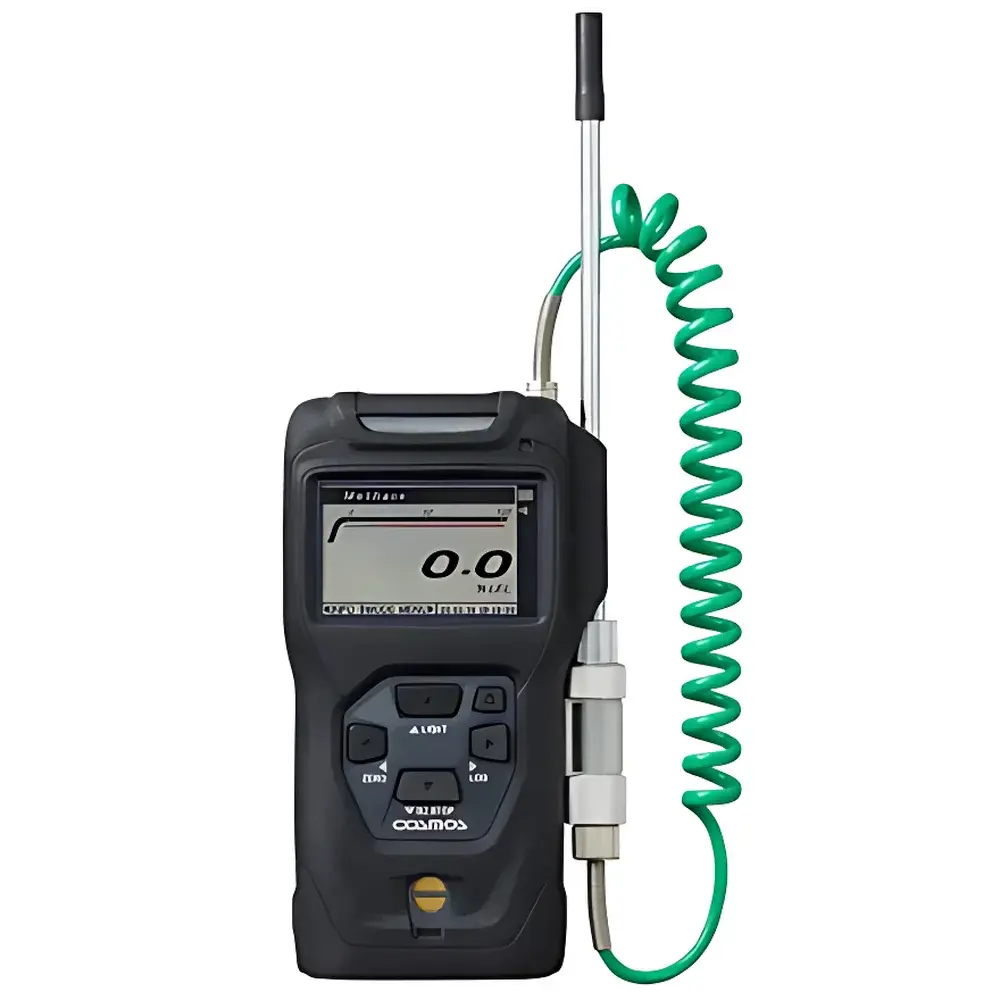
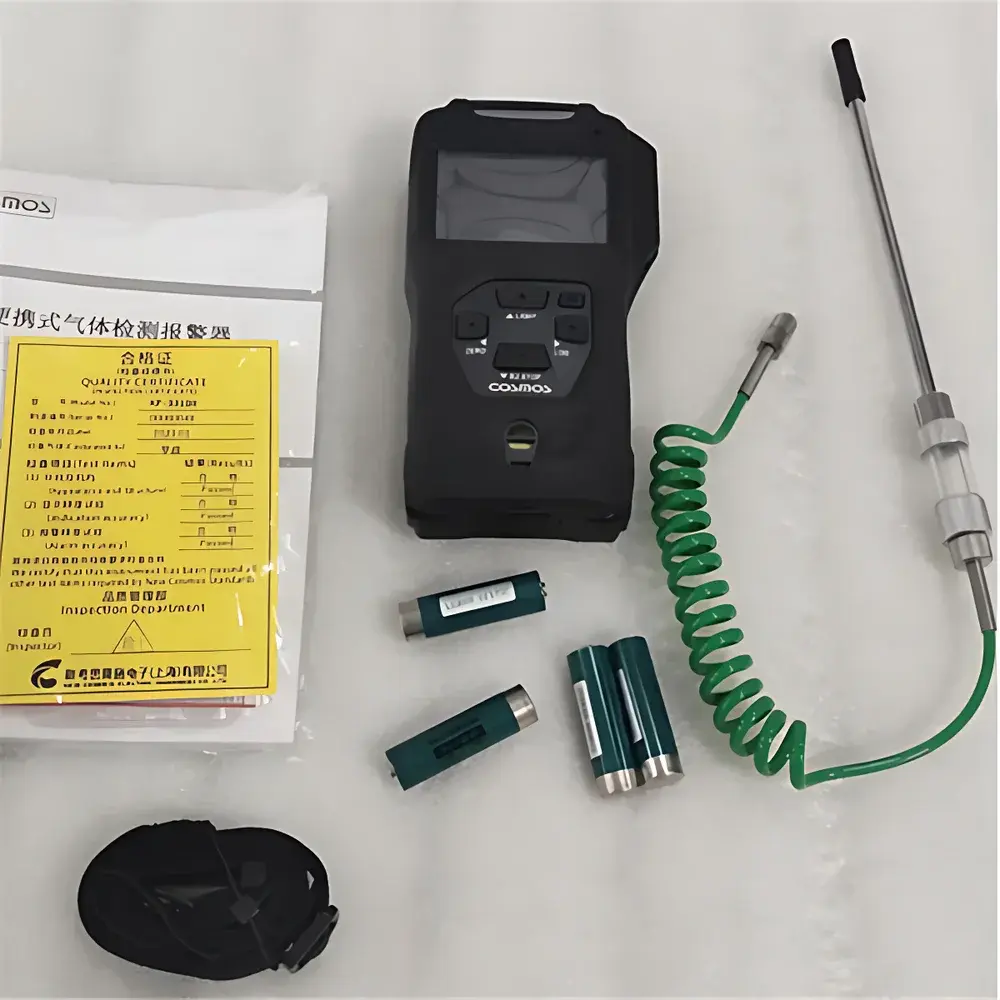
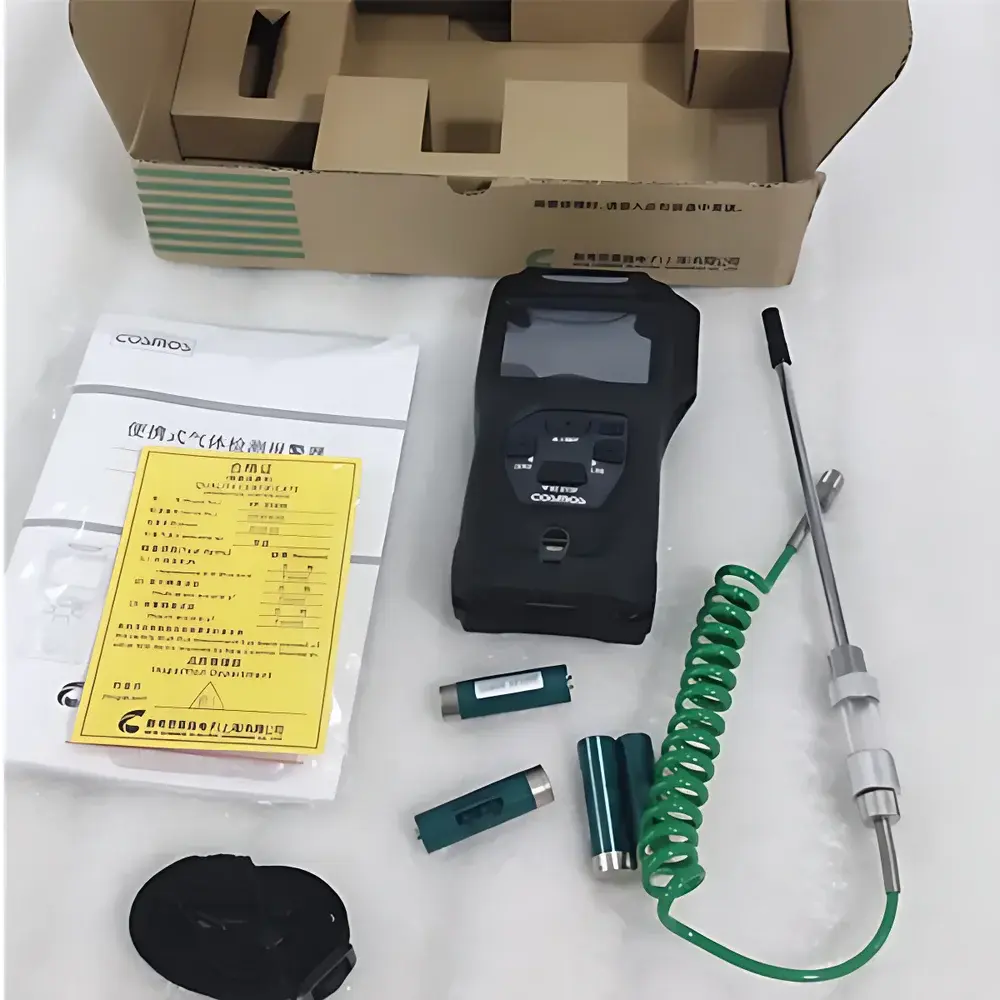
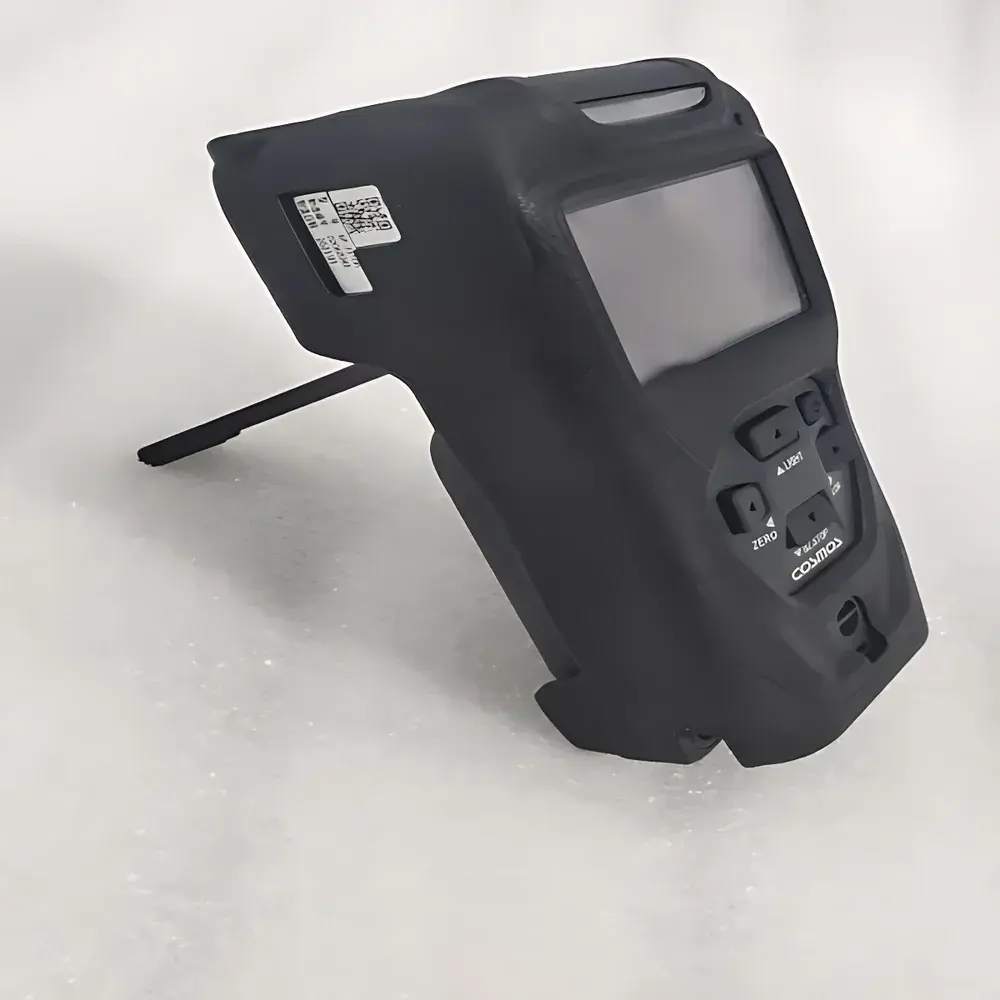
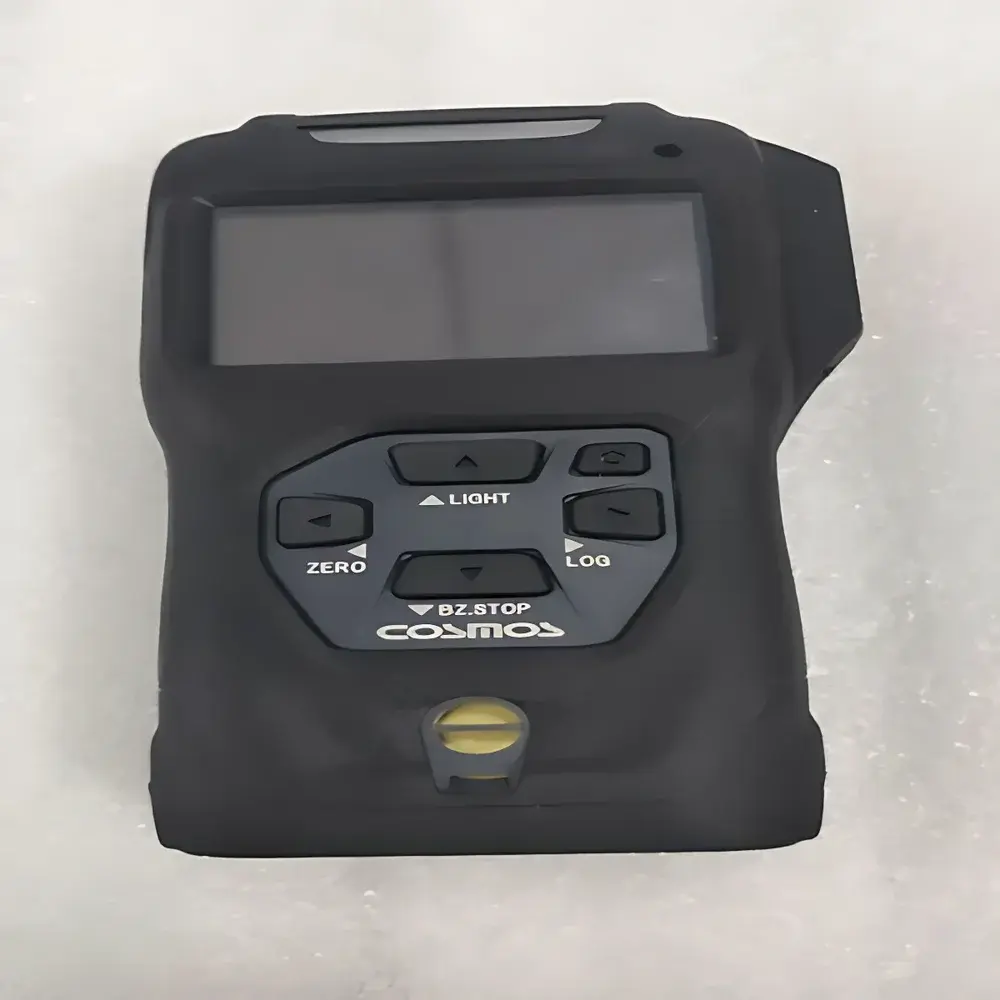
New Cosmos XP-3310II Portable Combustible Gas Detector
| Brand | New Cosmos |
|---|---|
| Origin | Japan |
| Model | XP-3310II |
| Instrument Type | Portable |
| Detection Principle | Catalytic Bead (Pellistor) |
| Measurement Range | 0–100% LEL |
| Accuracy | ±5% FS |
| Resolution | 0.1% LEL |
| Alarm Threshold | 20% LEL |
| Sampling Method | Built-in Pump (Active Draw) |
| Enclosure Rating | IP67 |
| Explosion Protection | Ex ia da IIC T4 Ga (Alkaline Battery) / Ex ia da IIC T3 Ga (Ni-MH Battery) |
| Operating Temperature | −20 to +50 °C |
| Operating Humidity | 0–95% RH (non-condensing) |
| Power Supply | 4 × AA Alkaline or Ni-MH Rechargeable Batteries |
| Weight | Approx. 460 g (with batteries) |
| Dimensions | 91 × 164 × 44 mm (W × H × D) |
Overview
The New Cosmos XP-3310II Portable Combustible Gas Detector is an intrinsically safe, pump-assisted instrument engineered for reliable detection of combustible gases and vapors in hazardous environments. It operates on the catalytic bead (pellistor) principle—where target gases undergo oxidation on a heated platinum coil, inducing measurable resistance changes proportional to gas concentration. Designed as the direct successor to the XP-3110, the XP-3310II delivers enhanced operational stability, expanded gas library support, and robust field usability across industrial safety, confined space entry, and routine facility inspection workflows. Its primary calibration gases include methane, isobutane, and propane—serving as reference standards for LEL (Lower Explosive Limit) scaling per ISO 16890, IEC 60079-29-1, and EN 50194-1 compliance frameworks.
Key Features
- Intrinsically safe design certified to Ex ia da IIC T4 Ga (with alkaline batteries) and Ex ia da IIC T3 Ga (with Ni-MH batteries), meeting ATEX Directive 2014/34/EU and IECEx requirements for use in Zone 0, 1, and 2 hazardous areas.
- IP67-rated enclosure ensures full dust ingress protection and temporary immersion resistance (up to 1 m for 30 min), enabling operation in wet, muddy, or high-particulate environments such as tunnels, ship holds, utility vaults, and semiconductor cleanroom peripheries.
- Integrated micro-pump provides consistent active sampling at flow rates optimized for rapid response (T90 < 30 s typical for methane), eliminating reliance on diffusion-only measurement limitations.
- Multi-gas capability: Pre-configured for up to five user-selectable combustible gases from a library of 32—each with individual span calibration factors traceable to NIST-traceable standards.
- High-contrast LCD with dual-mode display: real-time bar-graph + numeric readout (0.1% LEL resolution) and optional trend graph mode for temporal concentration profiling during walkthrough surveys.
- Comprehensive onboard diagnostics: automatic zero-check, sensor health monitoring, battery voltage tracking, LED backlighting, peak-hold capture, and audible/visual alarm escalation (red LED + pulsing buzzer at 20% LEL).
Sample Compatibility & Compliance
The XP-3310II detects hydrocarbon-based combustibles—including methane, propane, butane, gasoline vapor, acetone, ethanol, and xylene—as well as hydrogen and other pellistor-responsive species. It is not intended for inert, toxic, or oxygen-deficient atmosphere assessment. All sensor modules comply with IEC 61779-1 for performance requirements of combustible gas detectors and are validated per UL 2075 and CSA C22.2 No. 152 standards. Device firmware supports audit-ready logging (when paired with optional Log Data Acquisition Software), satisfying GLP-aligned recordkeeping needs for QA/QC departments operating under ISO/IEC 17025 or OSHA 1910.146 confined space entry protocols.
Software & Data Management
Optional Log Data Acquisition Software enables PC-based download, time-stamped export (CSV/Excel), and graphical visualization of stored measurements—including alarm events, zero drift logs, and battery cycle history. The software generates tamper-evident reports compliant with FDA 21 CFR Part 11 requirements when configured with user authentication and electronic signature options. Data synchronization preserves UTC timestamps synchronized to host system clock, supporting root-cause analysis during incident investigations or regulatory audits.
Applications
- Routine leak detection in natural gas distribution networks, LNG terminals, and refinery perimeter monitoring.
- Confined space entry verification prior to worker deployment in manholes, silos, ballast tanks, and cable ducts.
- Pre-startup safety sweeps in automotive paint booths, solvent storage areas, and pharmaceutical manufacturing suites.
- Emergency response triage by fire brigades and HAZMAT teams assessing vapor cloud hazards post-incident.
- Periodic maintenance validation in semiconductor fab tool exhaust lines and wafer cleaning stations where IPA or acetone residues may accumulate.
FAQ
What gases can the XP-3310II detect?
It measures combustible gases and vapors quantified in %LEL, including methane, propane, isobutane, hydrogen, gasoline, ethanol, and acetone—among 32 pre-programmed gases selectable via configuration mode.
Does it support data logging out of the box?
Internal event logging (alarms, errors, zero checks) is built-in; continuous time-series recording requires optional Log Data Acquisition Software and USB interface cable.
Can it be used in underwater or submerged conditions?
No—it is rated IP67, meaning it withstands temporary immersion (1 m for 30 min), but is not designed for sustained submersion or underwater operation.
Is calibration certificate included with purchase?
A factory calibration report (traceable to JCSS standards) is supplied; users must perform field bump tests before each shift and full calibration at intervals defined by site safety policy or ISO 45001 requirements.
How long does battery life last under typical use?
With alkaline AA cells, runtime exceeds 12 hours continuously with backlight and pump active; Ni-MH rechargeables provide ~8 hours and support hot-swap replacement without powering down.
Related Products







