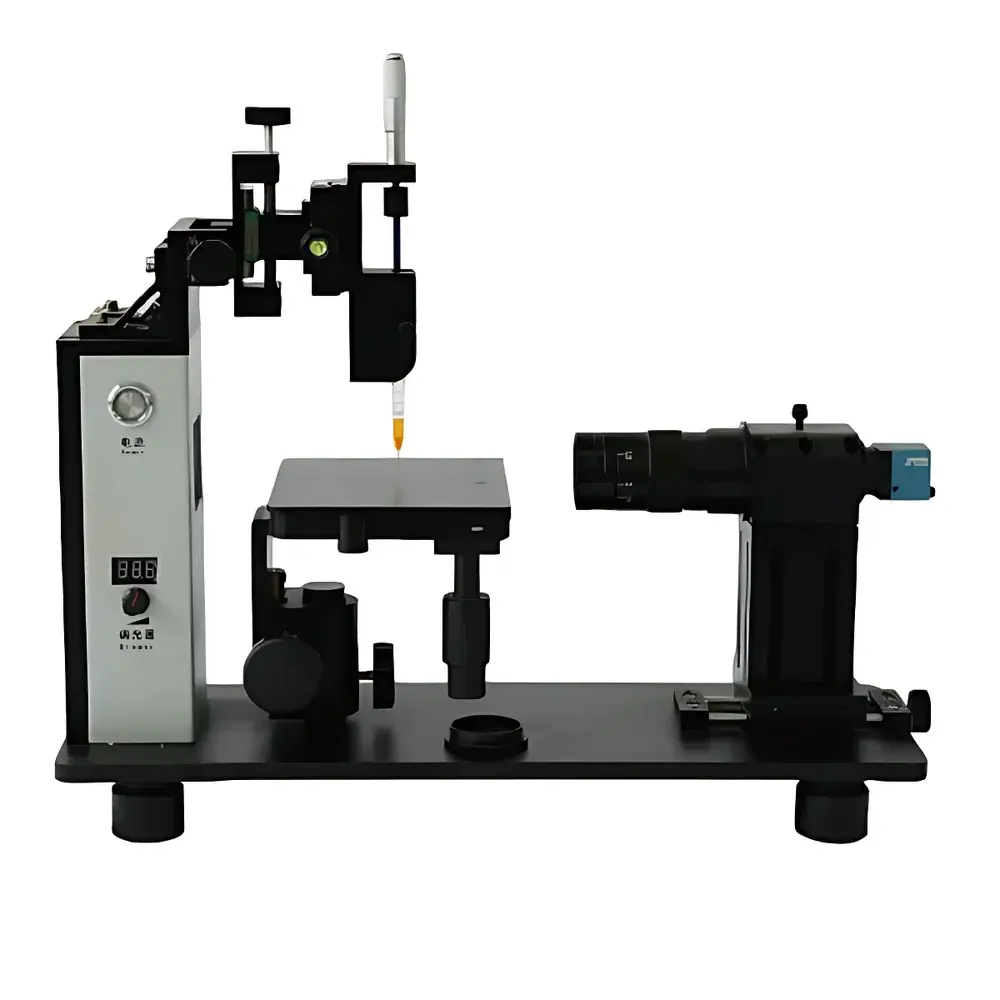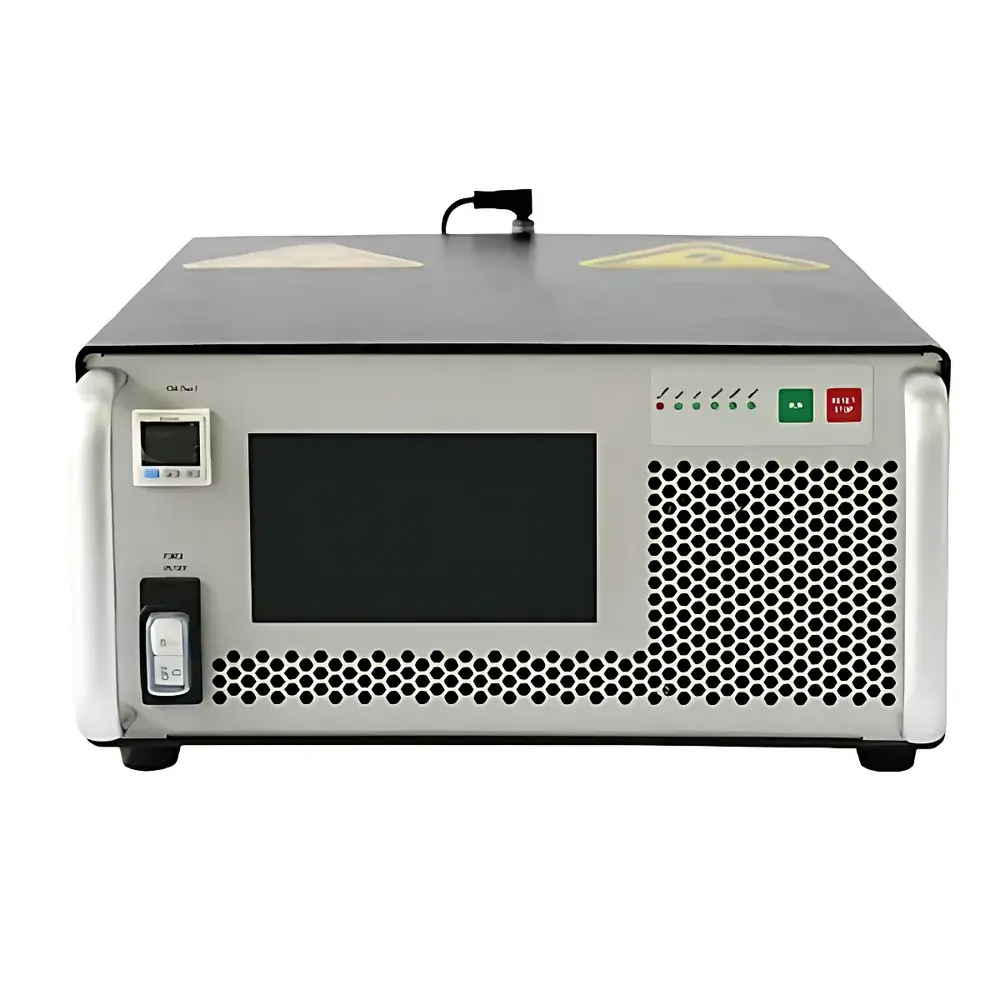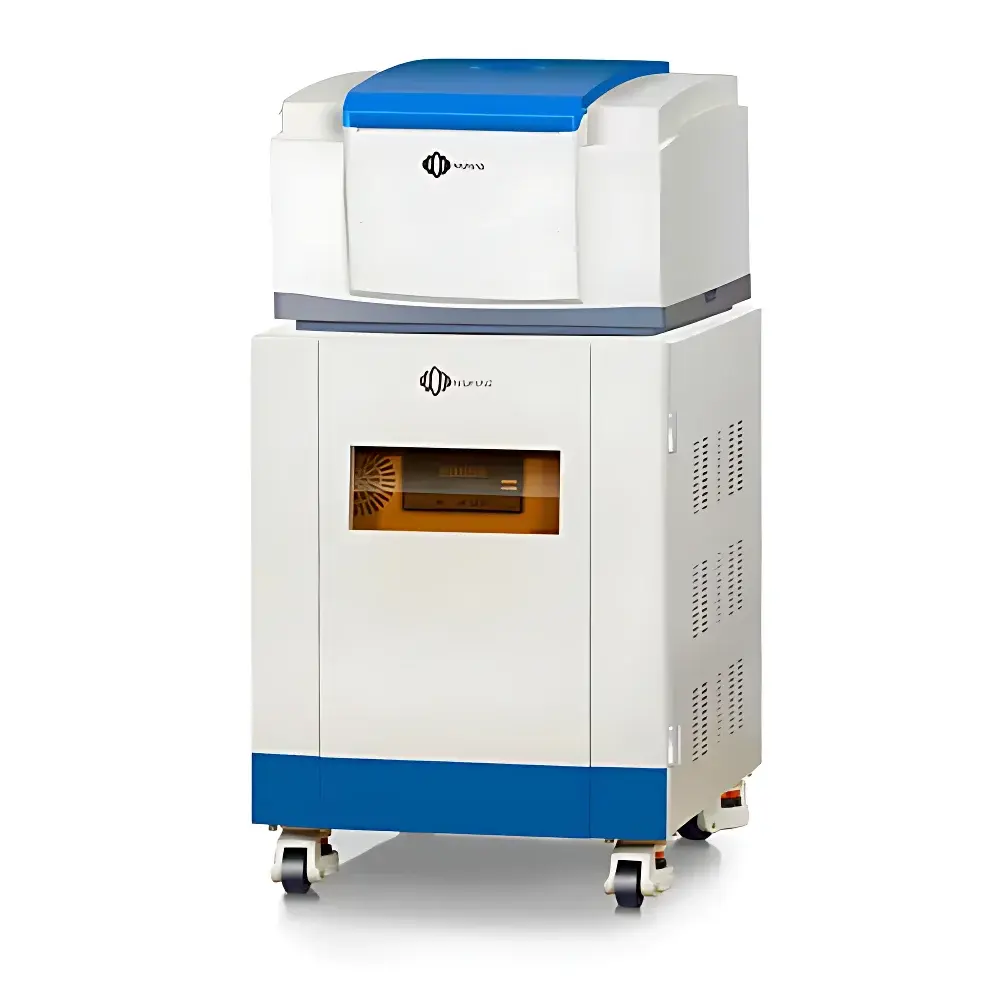
NIUMAG PQ001-LF Low-Field Nuclear Magnetic Resonance (LF-NMR) Hydrogen Content Analyzer for Fuels
| Brand | NIUMAG |
|---|---|
| Origin | Jiangsu, China |
| Manufacturer Type | Authorized Distributor |
| Country of Origin | China |
| Model | PQ001-LF |
| Pricing | Available Upon Request |
| Magnet Type | Permanent Magnet |
| Magnetic Field Strength | 0.5 ± 0.08 T |
| Probe Coil Diameter | 18 mm |
Overview
The NIUMAG PQ001-LF is a dedicated low-field nuclear magnetic resonance (LF-NMR) analyzer engineered for rapid, non-destructive quantification of total hydrogen content in liquid hydrocarbon fuels—including aviation turbine fuel (Jet A/A-1), diesel, kerosene, and gasoline. Unlike conventional wet-chemical or combustion-based methods (e.g., ASTM D5291, D3243), the PQ001-LF exploits the intrinsic NMR signal intensity of 1H nuclei, which scales linearly with hydrogen atom concentration under fixed measurement conditions. This physical principle eliminates dependence on sample composition, color, opacity, or surface morphology—enabling robust, matrix-independent analysis. The system operates at a stable static field of 0.5 ± 0.08 T generated by a temperature-compensated permanent magnet, optimized for high signal-to-noise ratio (SNR) in routine industrial environments without cryogens or RF shielding infrastructure. Measurement time per sample ranges from 30 seconds to 5 minutes post-calibration, making it suitable for real-time process monitoring and high-throughput quality assurance workflows.
Key Features
- Permanent magnet architecture ensures zero helium consumption, minimal maintenance, and operational stability across ambient laboratory or plant-floor conditions (15–35 °C, non-condensing humidity)
- 18 mm diameter RF probe coil accommodates standard 10–15 mL glass NMR tubes, supporting both sealed and open-vessel configurations for volatile or viscous fuels
- Pre-configured calibration protocols compliant with ASTM D7171–19 (“Standard Test Method for Hydrogen Content of Fuel Oils and Lubricating Oils by Low-Resolution Nuclear Magnetic Resonance Spectroscopy”)
- Integrated pulse sequence control (CPMG echo train) with automated T2 decay fitting for baseline-corrected hydrogen signal integration
- Self-diagnostic hardware checks prior to each measurement cycle, including field homogeneity verification and RF power calibration
- Touchscreen interface with guided workflow navigation—no NMR expertise required for daily operation or routine recalibration
Sample Compatibility & Compliance
The PQ001-LF accepts neat liquid fuels, blended distillates, and reformulated biofuels (e.g., FAME-diesel blends) without derivatization or solvent dilution. It is validated for samples with kinematic viscosity up to 8 mm²/s at 40 °C and vapor pressure below 100 kPa (abs). The instrument conforms to ISO/IEC 17025:2017 general requirements for competence of testing laboratories and supports audit-ready documentation per GLP and GMP frameworks. Data integrity safeguards include electronic signatures, user-level access control, and immutable measurement logs traceable to operator ID, timestamp, and calibration certificate number—fully aligned with FDA 21 CFR Part 11 requirements for regulated environments.
Software & Data Management
NIUMAG’s proprietary NMIQ software (v4.2+) provides full instrument control, calibration curve management (linear and polynomial regression), outlier detection via residual analysis, and batch reporting in PDF/CSV formats. All raw FID data and processed spectra are stored in vendor-neutral HDF5 format, enabling third-party reprocessing or integration with LIMS platforms via OPC UA or RESTful API. Audit trails record every parameter change, calibration event, and report generation with cryptographic hash verification. Software validation packages (IQ/OQ/PQ documentation) are available upon request for pharmaceutical or aerospace QA/QC deployment.
Applications
- Routine QC testing of refinery product streams against specification limits (e.g., ASTM D975 for diesel, D1655 for jet fuel)
- Hydrogen balance verification during hydrotreating and hydrocracking unit optimization
- Monitoring hydrogen loss in long-term fuel storage or thermal aging studies
- Supporting ASTM D7171 method transfer from reference labs to production sites
- Research applications in alternative fuel development, including hydrogenated bio-oils and synthetic paraffinic kerosene (SPK)
FAQ
Is the PQ001-LF certified for regulatory compliance in fuel certification?
Yes—the instrument implements ASTM D7171–19 as its primary test method and generates reports containing all mandatory metadata required for regulatory submission.
Can the system measure hydrogen content in fuels containing additives or detergents?
Yes. The LF-NMR signal integrates total 1H population regardless of molecular environment; however, calibration must be performed using representative reference materials containing the same additive package.
What is the typical lifetime of the permanent magnet assembly?
The NdFeB-based magnet system is rated for ≥15 years of continuous operation with annual field homogeneity verification, per NIUMAG’s warranty and service agreement.
Does the instrument require external cooling or compressed air?
No—no auxiliary utilities are needed. The electronics are convection-cooled; the magnet requires no active temperature stabilization beyond standard HVAC.
How is method validation performed for new fuel types?
Users perform bracketing calibration using at least five certified reference materials spanning the expected hydrogen concentration range (wt%), followed by precision testing (n=6) to verify repeatability ≤0.05 wt% RSD.