NMHC-2 Online Gas Chromatograph for Total Non-Methane Hydrocarbons Analysis
| Origin | Beijing, China |
|---|---|
| Manufacturer Type | Authorized Distributor |
| Origin Category | Domestic (China) |
| Model | NMHC-2 |
| Price | USD 12,000 (FOB Beijing) |
| Detection Principle | Dual-Column GC-FID |
| Detection Method | Methane Subtraction via Selective Separation |
| Linear Dynamic Range | 10⁷ |
| Analysis Cycle | ≤40 s |
| FID Detection Limit | ≤0.1 ppm (v/v) for CH₄ |
| Repeatability | RSD ≤2% |
| Power Supply | <300 W, 220 V AC / 50 Hz |
| Operating Environment | 5–50 °C, 10–90% RH |
| Analog Output | 4–20 mA |
| Digital Interfaces | RS232, RS485, Ethernet |
| Compliance | Designed to support EPA Method 25A, ISO 12039, and GB/T 16157–1996 workflows |
Overview
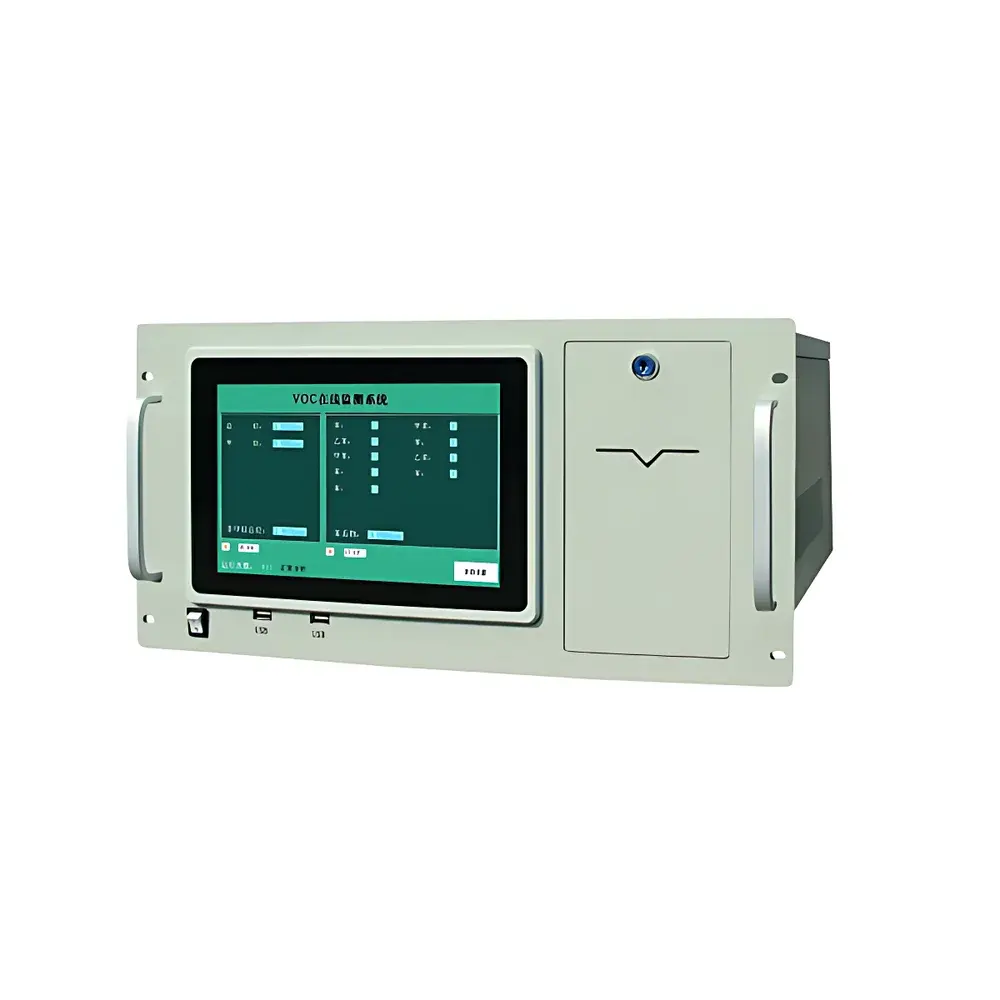
The NMHC-2 Online Gas Chromatograph is an industrial-grade, fully automated analytical system engineered for continuous, real-time quantification of methane (CH₄) and total non-methane hydrocarbons (NMHC) in gaseous process streams, ambient air, or emission ducts. It implements a dual-column gas chromatographic separation strategy coupled with a high-sensitivity hydrogen flame ionization detector (FID), enabling selective resolution of methane from C₂–C₁₀+ hydrocarbons. The instrument operates on the principle of differential retention: a pre-column isolates methane while a second analytical column resolves higher hydrocarbons; NMHC concentration is calculated by subtracting methane signal from total hydrocarbon response. This architecture meets the technical requirements of regulatory methods including U.S. EPA Method 25A, ISO 12039 for stationary source emissions, and China’s GB/T 16157–1996 standard for flue gas sampling and analysis. Its compact, rack-mountable design supports integration into hazardous-area-rated enclosures (optional ATEX/IECEx certification kits available), making it suitable for refinery flare monitoring, chemical plant stack compliance, and municipal wastewater treatment off-gas tracking.
Key Features
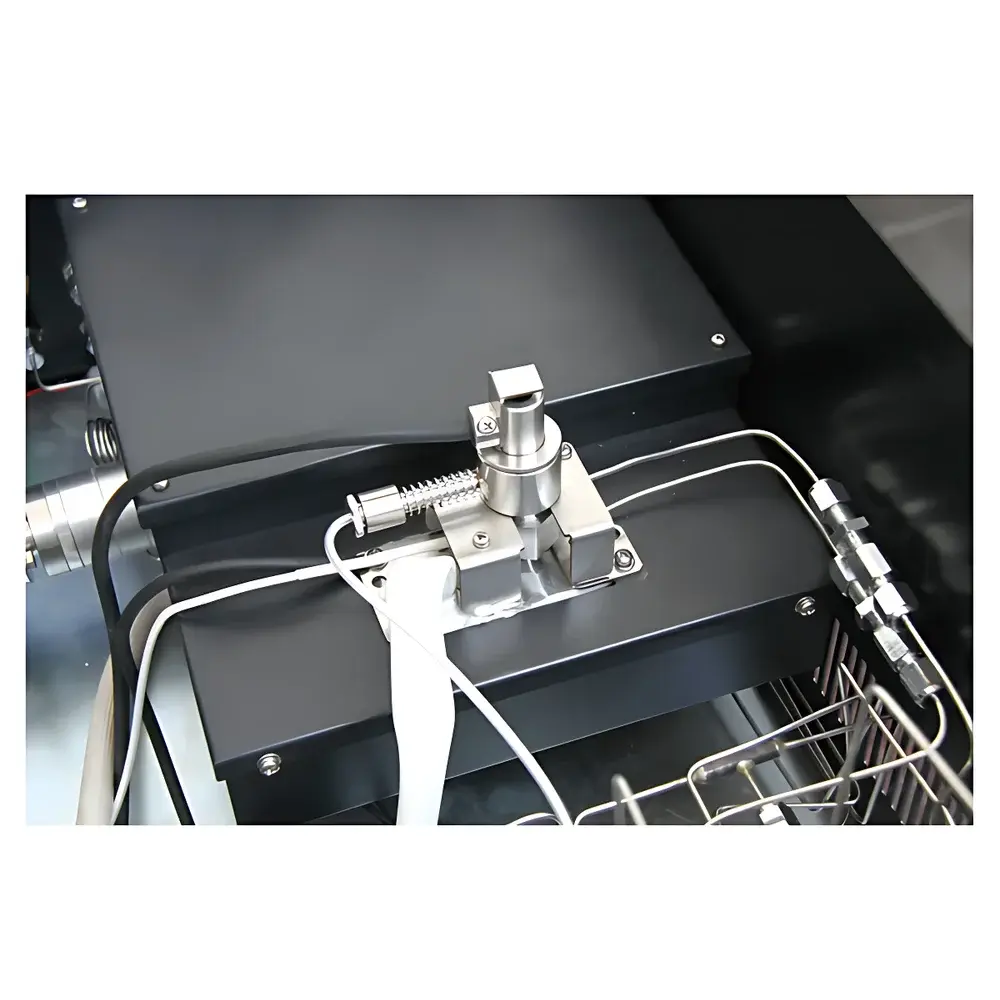
- Fully automated 10-port rotary valve with integrated sample loop—enables unattended, real-time injection without manual intervention or carrier gas interruption.
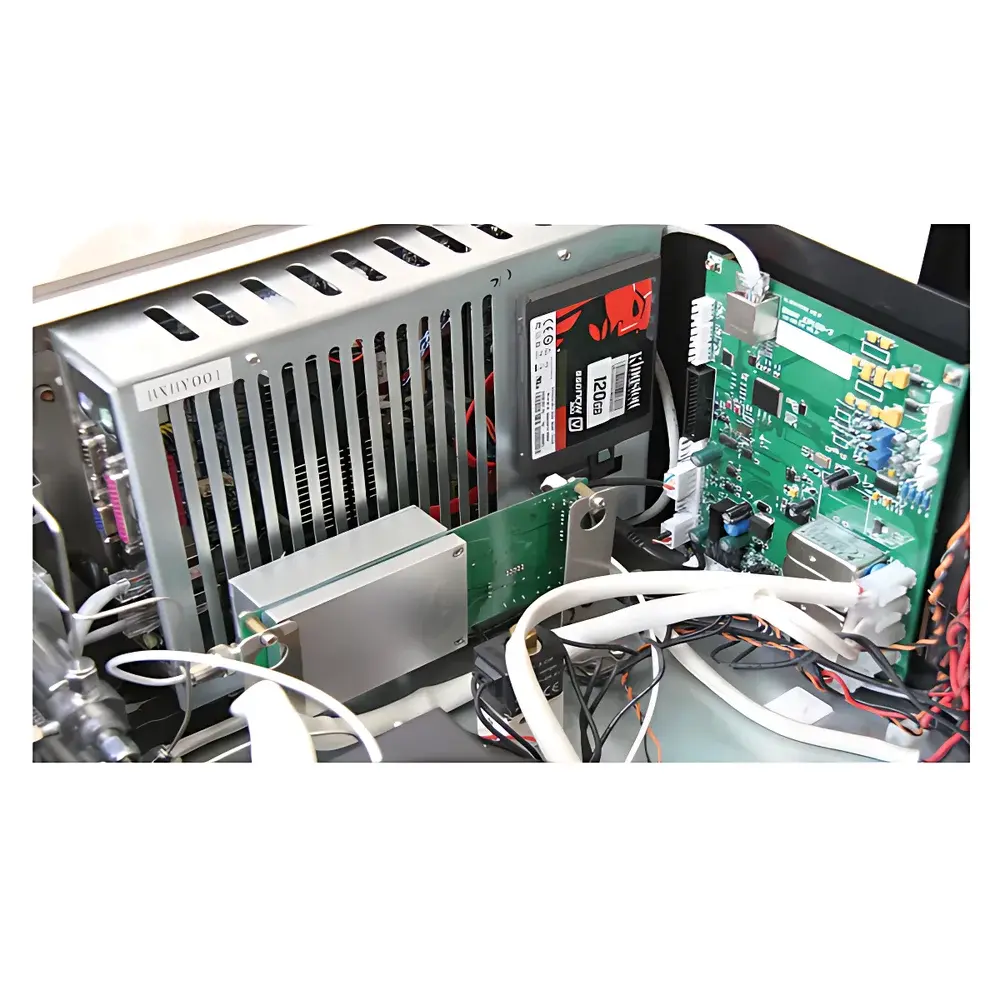
- Modular, high-integration electronics architecture with embedded microcontroller-based control—minimizes signal drift and ensures thermal stability across extended operation cycles.
- Dual-capillary column configuration with proprietary stationary phase selection—optimized for rapid methane elution (<25 s) and baseline-resolved NMHC group separation within ≤40 s total cycle time.
- High-gain, low-noise FID amplifier with auto-ignition, flame monitoring, and dynamic bias compensation—maintains detection sensitivity over 12-month calibration intervals under continuous duty.
- Self-diagnostic firmware with power-loss recovery, automatic restart, and hardware-level fault logging—supports uninterrupted 24/7 operation in remote or unmanned sites.
- Integrated temperature-controlled oven with ±0.1 °C stability—ensures reproducible retention times and eliminates column bleed artifacts during long-term deployment.
Sample Compatibility & Compliance
The NMHC-2 accepts pressurized or ambient-pressure gas samples delivered via stainless-steel or PTFE-lined sample lines (1/8″ OD). It accommodates moisture-laden, particulate-filtered, or mildly corrosive streams when paired with optional heated sample conditioning modules (e.g., Nafion dryers, sintered metal filters). All wetted materials comply with ASTM F2251 for hydrocarbon service. Data integrity adheres to GLP and GMP-aligned practices: audit trails record every calibration event, method change, and maintenance action; electronic signatures are supported via optional FDA 21 CFR Part 11-compliant software extension. Instrument validation documentation—including IQ/OQ protocols, linearity verification reports (10⁷ range), and RSD performance summaries—is supplied per ICH Q2(R2) guidelines.
Software & Data Management
The embedded Linux-based controller runs proprietary ChromaView™ firmware, providing live chromatogram visualization, peak integration, and real-time concentration calculation. Remote access is enabled via secure HTTPS interface or Modbus TCP over Ethernet. Raw chromatographic data (time-stamped .csv and .dx files) are exportable for third-party LIMS or DCS integration. The system supports OPC UA server functionality for seamless connectivity with Siemens Desigo, Honeywell Experion, or Emerson DeltaV platforms. All analog (4–20 mA) and digital outputs transmit validated, time-synchronized NMHC and CH₄ values—no post-processing required. Firmware updates are performed via encrypted USB stick or TLS-secured OTA channel.
Applications
- Continuous emissions monitoring (CEMS) for VOC abatement systems (RTOs, catalytic oxidizers) per local environmental regulations.
- Flare gas composition analysis in upstream oil & gas facilities to quantify combustion efficiency and methane slip.
- Process safety interlock triggering in petrochemical units where NMHC accumulation exceeds LEL thresholds.
- Quality assurance in solvent recovery systems—verifying purge efficiency and residual hydrocarbon content in vent streams.
- Research-grade kinetic studies requiring sub-second temporal resolution of hydrocarbon evolution during catalytic reactions.
FAQ
Does the NMHC-2 require external calibration gas cylinders for routine operation?
No—built-in zero/span validation routines support automated calibration using internal reference valves; certified gas standards (e.g., CH₄/N₂ blends) are only required for initial commissioning or annual verification.
Can the system be configured for simultaneous measurement of individual VOCs (e.g., benzene, toluene)?
Not natively—the NMHC-2 is optimized for total NMHC and CH₄. For speciated VOC analysis, consider the companion GC-VOC-500 series with PLOT/Al₂O₃ columns and PID/FID dual detection.
What cybersecurity measures are implemented for remote data access?
Role-based authentication, TLS 1.2 encryption, configurable firewall rules, and disabled default SSH credentials—all aligned with IEC 62443-3-3 Level 1 requirements.
Is field service support available outside mainland China?
Yes—authorized service partners operate in Southeast Asia, the Middle East, and Latin America; spare parts logistics are coordinated through regional hubs in Singapore and Dubai.
How is detector contamination mitigated during high-particulate sampling?
An optional heated inlet filter (150 °C) and FID jet cleaning sequence—activated automatically after every 500 analyses—prevents carbon buildup and maintains baseline stability.