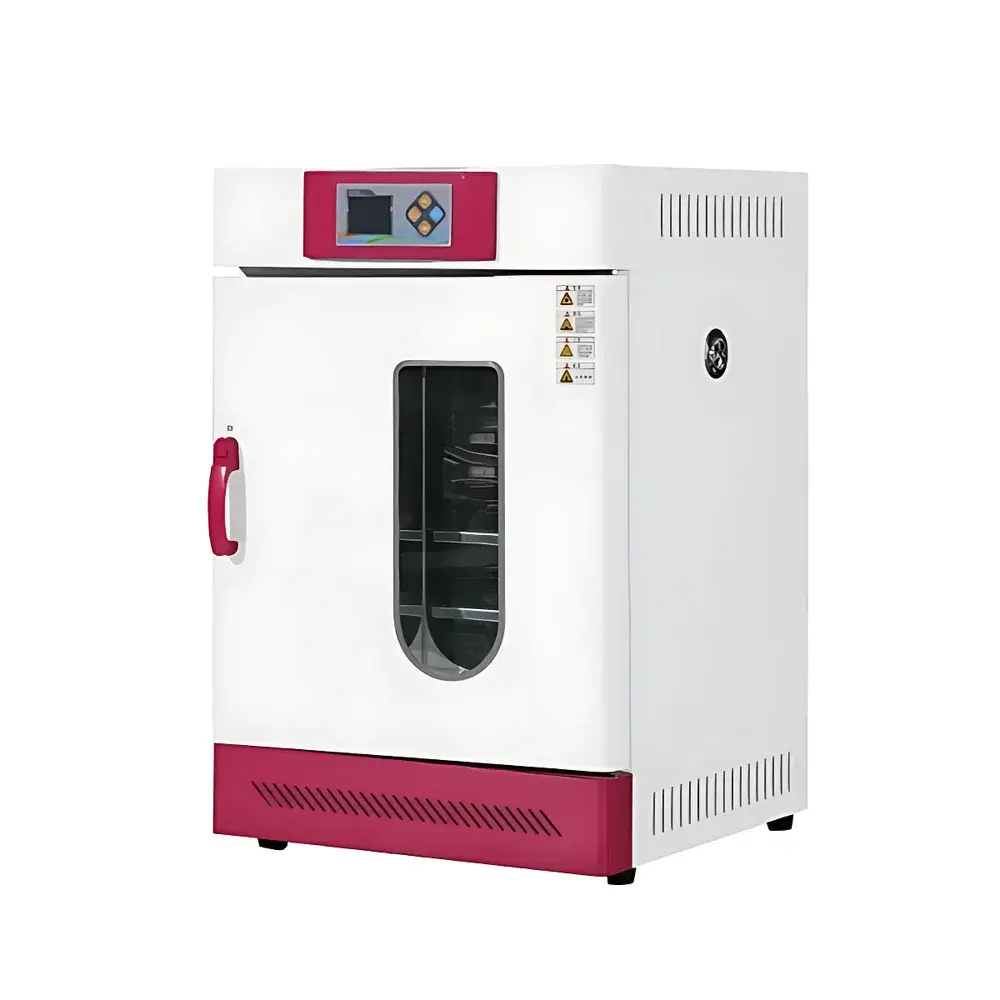
Panlab LE7106 Tail-Flick Analgesiometer
| Brand | Panlab |
|---|---|
| Origin | Spain |
| Model | LE7106 |
| Animal Compatibility | Mice and Rats |
| Stimulus Source | Halogen Heating Lamp |
| Control Interface | Footswitch-Activated Electronic Control Unit |
| Measurement Principle | Radiant Heat–Induced Nocifensive Withdrawal Reflex Timing |
| Compliance | Designed for GLP-aligned preclinical analgesia studies |
Overview
The Panlab LE7106 Tail-Flick Analgesiometer is a precision-engineered instrument for quantifying thermal nociceptive thresholds in rodent models. It operates on the principle of radiant heat stimulation applied to the dorsal surface of the tail, eliciting a reflexive flick or withdrawal response—the tail-flick reflex—when thermal input exceeds the animal’s nociceptive threshold. The system automatically detects this behavioral endpoint via real-time observation and terminates the heat stimulus upon response initiation, recording latency (in seconds) with millisecond resolution. This latency serves as an objective, reproducible metric for central and peripheral analgesic efficacy, particularly in opioid and non-opioid drug screening, tolerance development studies, and baseline thermal sensitivity profiling. The device adheres to standardized protocols referenced in NIH Guidelines for the Care and Use of Laboratory Animals and supports experimental designs compliant with IACUC-approved protocols.
Key Features
- Halogen-based radiant heat source delivering consistent, controllable infrared irradiance—engineered to minimize thermal dispersion and ensure focal, non-contact stimulation.
- Dedicated electronic control unit with integrated timing circuitry, enabling precise latency measurement from stimulus onset to tail-flick initiation.
- Ergonomic footswitch interface allowing hands-free operation during animal handling and restraint—critical for minimizing experimenter-induced stress artifacts.
- Modular design with separate stimulus and control modules, facilitating routine calibration, maintenance, and ISO 17025-compliant verification procedures.
- Adjustable platform height and tail-positioning guide compatible with standard mouse (18–30 g) and rat (150–350 g) restraint tubes, ensuring consistent anatomical alignment across subjects.
- No optical sensors or photodetectors required—latency determination relies on trained observer confirmation or optional video-synchronized manual trigger, supporting audit-ready documentation under GLP conditions.
Sample Compatibility & Compliance
The LE7106 is validated for use with Mus musculus (C57BL/6, CD-1, BALB/c) and Rattus norvegicus (Sprague-Dawley, Wistar) strains. Its operational parameters align with widely accepted thermal nociception assay standards, including ASTM E291-22 (“Standard Test Methods for Determining Analgesic Activity in Rodents”) and the European Pharmacopoeia monograph 2.7.17 (“Tests for Analgesic Substances”). All experimental procedures must comply with local ethics committee requirements, Directive 2010/63/EU, and AAALAC International accreditation criteria. The device does not incorporate data encryption or electronic signature functionality; therefore, raw latency logs are intended for manual entry into validated LIMS or ELN systems meeting 21 CFR Part 11 requirements where applicable.
Software & Data Management
The LE7106 operates as a hardware-only platform without embedded firmware or proprietary software. Latency values are displayed on a high-contrast LED screen and may be recorded manually or interfaced externally via TTL pulse output (optional accessory). For longitudinal studies, users commonly integrate recordings into spreadsheet-based templates or validated statistical platforms such as GraphPad Prism or SAS JMP—both widely used in preclinical pharmacology reporting. Audit trails, subject randomization, and blinding protocols must be implemented at the study design level, consistent with Good Pharmacology Practice (GPP) recommendations issued by the British Journal of Pharmacology.
Applications
- Quantitative assessment of acute and chronic analgesic effects of systemic or intrathecal compounds—including mu-opioid receptor agonists, NSAIDs, TRPV1 antagonists, and cannabinoid modulators.
- Characterization of neuropathic pain models (e.g., CCI, SNI) by tracking temporal shifts in thermal withdrawal latency relative to sham controls.
- Pharmacokinetic–pharmacodynamic (PK–PD) correlation studies where plasma drug concentration time-courses are paired with serial tail-flick latency measurements.
- Baseline phenotyping of genetically modified rodent lines to identify innate alterations in thermosensory processing pathways.
- Validation of alternative analgesia endpoints prior to adoption of more complex assays (e.g., Hargreaves test, cold plate, or operant thermal avoidance).
FAQ
Is the LE7106 compatible with automated video-tracking integration?
No—the system does not include built-in camera hardware or motion-detection algorithms. However, third-party high-speed cameras synchronized via external trigger output can be employed for retrospective frame-by-frame latency validation.
What safety features prevent tissue damage during repeated testing?
A hard-coded maximum cutoff time (default 15 s, user-adjustable up to 20 s) terminates irradiation regardless of response, preventing thermal injury. Pre-calibration of lamp intensity using a calibrated thermopile sensor is recommended before each session.
Can the device be used for spinal cord injury models?
Yes—provided tail motor function remains intact. Users should confirm absence of motor deficits via independent locomotor scoring (e.g., BBB scale) prior to tail-flick testing to avoid confounding due to impaired reflex execution.
Does Panlab provide calibration certificates traceable to NIST standards?
Calibration services are available through authorized Panlab service centers; certificates include uncertainty budgets and traceability statements per ISO/IEC 17025 requirements.
Is the footswitch medically certified for sterile environments?
The footswitch is rated IP42 and intended for use in controlled laboratory settings—not classified as medical electrical equipment per IEC 60601-1.
Related Products