PCS HFRR High-Frequency Reciprocating Rig / Diesel Lubricity Analyzer
| Brand | PCS Instruments |
|---|---|
| Origin | United Kingdom |
| Model | HFRR |
| Frequency Range | 10–200 Hz |
| Stroke Range | 20 µm–2.0 mm |
| Load Capacity | 0–1.0 kg (via calibrated weights) |
| Maximum Friction Force | up to 10.0 N (amplitude-dependent) |
| Operating Temperature | ambient to 150 °C (up to 400 °C with optional high-power heating module) |
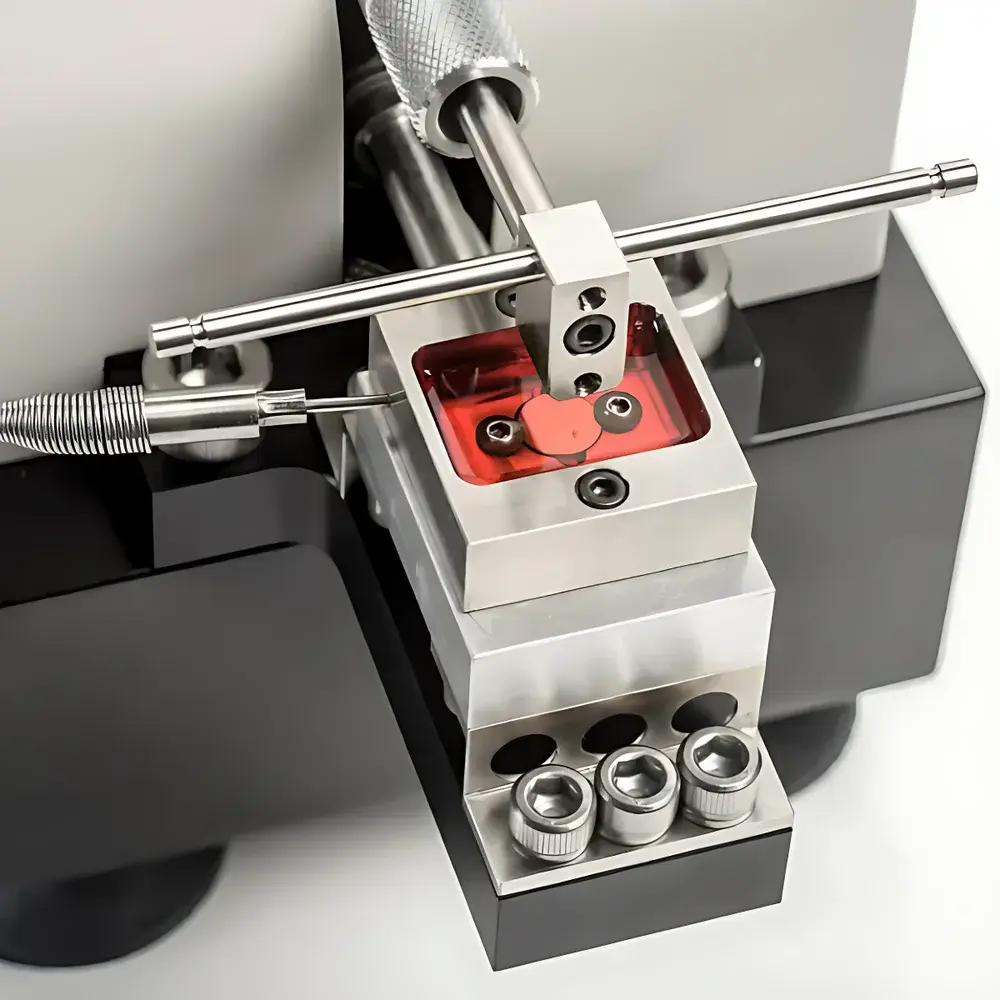
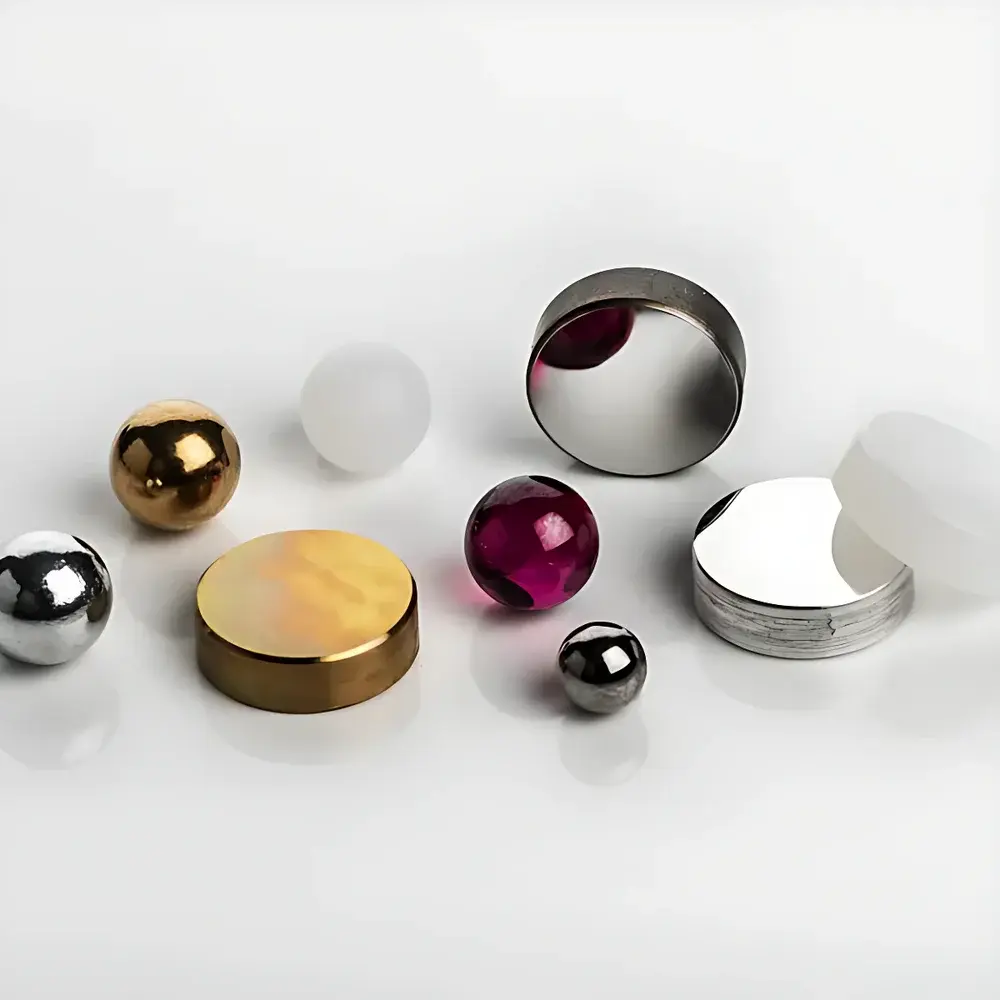
| Standard Counterface | 10.0 mm diameter × 3.0 mm thick steel disc |
| Standard Indenter | 6.0 mm diameter hardened steel ball |
| Compliance | ASTM D6079, ASTM D7688, ISO 12156-1, SH/T 0765–2021 |
Overview
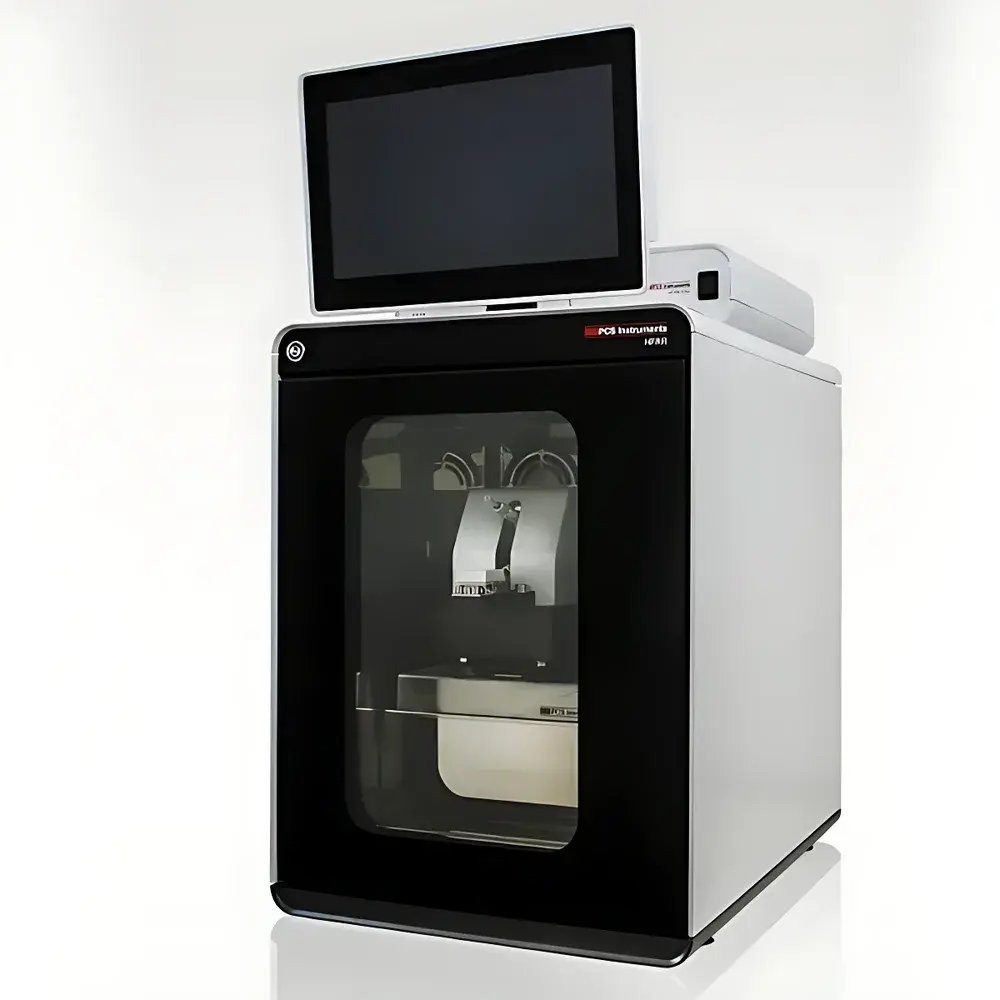
The PCS HFRR High-Frequency Reciprocating Rig is a precision-engineered tribological test system designed specifically for evaluating the lubricity of middle distillate fuels—particularly ultra-low-sulfur diesel (ULSD), biodiesel blends (FAME, HVO), and related engine fuel oils. It operates on the high-frequency reciprocating motion principle, where a loaded steel ball oscillates against a stationary steel disc under controlled temperature, humidity, and dynamic load conditions. This configuration replicates boundary-lubrication regimes encountered in fuel injection systems, especially at the needle–nozzle interface of modern common-rail diesel engines. As the sole instrument designated in ASTM D6079, ASTM D7688, and ISO 12156-1, the HFRR delivers standardized, metrologically traceable wear scar measurements (WS1.4) in micrometers—serving as the globally accepted quantitative metric for fuel lubricity performance.
Key Features
- Integrated touchscreen control unit replaces legacy PC-based architecture, eliminating external computers, dedicated humidity chambers, and discrete controller boxes—reducing footprint and simplifying operational workflow.
- Compact monolithic design occupies ≤0.3 m² bench space while maintaining full compliance with current international test standards.
- Automated calibration routines with real-time self-diagnostic feedback ensure measurement integrity prior to each test sequence.
- Minimal sample consumption (≤1 mL per test) reduces reagent cost and enables high-throughput screening of formulation variants or batch quality control.
- Programmable frequency (10–200 Hz), stroke (20 µm–2.0 mm), and load (0–1.0 kg) allow method flexibility across research, development, and regulatory testing applications.
- Thermal control supports ambient-to-150 °C operation; optional high-power heating module extends range to 400 °C for advanced thermal stability investigations.
Sample Compatibility & Compliance
The HFRR accommodates liquid hydrocarbon-based samples including petroleum-derived diesel, synthetic hydrotreated vegetable oil (HVO), fatty acid methyl ester (FAME) biodiesel, renewable diesel blends, and base oil formulations. Solid or highly viscous samples are excluded due to the fundamental requirement for capillary-fed film formation between contacting surfaces. All test protocols adhere strictly to ISO 12156-1 (Petroleum products — Determination of diesel fuel lubricity — High-frequency reciprocating rig (HFRR) method), ASTM D6079 (Standard Test Method for Determining the Lubricity of Diesel Fuels by the High-Frequency Reciprocating Rig), and ASTM D7688 (Standard Test Method for Determining the Lubricity of Biodiesel (B100) and Blends by the High-Frequency Reciprocating Rig). The system meets GLP-compliant data recording requirements when paired with validated software modules supporting audit trails, electronic signatures, and 21 CFR Part 11–compliant user access controls.
Software & Data Management
The embedded firmware provides real-time visualization of friction coefficient, displacement waveform, and temperature stabilization status during test execution. Post-test analysis includes automatic wear scar diameter quantification via integrated optical imaging and edge-detection algorithms compliant with ISO 12156-1 Annex A. Raw data files (CSV, XML) retain full metadata—including environmental conditions, calibration timestamps, operator ID, and instrument firmware version—for traceability. Optional PC-based software packages support multi-instrument fleet management, statistical process control (SPC) charting, and automated report generation aligned with internal QA/QC templates or third-party certification bodies.
Applications
- Regulatory compliance testing for diesel fuel suppliers operating under EN 590, ASTM D975, or GB 19147 specifications.
- Formulation optimization of lubricity improver additives (e.g., esters, amides, organic acids) in refinery R&D laboratories.
- Stability assessment of biofuel blends exposed to oxidative or hydrolytic aging protocols.
- Wear mechanism studies under variable temperature and humidity conditions simulating seasonal or geographic operational extremes.
- Interlaboratory proficiency testing and round-robin validation programs coordinated by national metrology institutes.
FAQ
What is the primary output parameter measured by the HFRR?
The HFRR reports Wear Scar Diameter (WS1.4), expressed in micrometers (µm), defined as the average diameter of the elliptical wear track formed on the steel disc after 75 minutes of testing under specified load, frequency, and temperature conditions.
Is humidity control mandatory for standard diesel testing?
Yes—ISO 12156-1 requires relative humidity of 10 ± 0.2 % RH during test execution. The integrated humidity regulation system maintains this condition without requiring external desiccant or climate chambers.
Can the HFRR be used for lubricating oil testing?
While optimized for low-viscosity fuels, the HFRR may be applied to light-duty lubricants (e.g., hydraulic fluids, transformer oils) provided viscosity remains below 15 cSt at 40 °C and film-forming capability is verified per ISO 12156-1 Annex B.
How often must the consumables be replaced?
Per ISO 12156-1, the steel ball and disc must be replaced after each test sequence unless certified reference materials confirm no measurable degradation—typically after every 1–3 tests depending on sample aggressiveness.
Does the system support remote monitoring or network integration?
Yes—the embedded Ethernet port enables secure HTTP/HTTPS access for status polling, firmware updates, and diagnostic log retrieval within validated corporate IT infrastructures.