Penn State Particle Separator (Automated Bins) LI-II by Harold
| Brand | Harold |
|---|---|
| Origin | China |
| Manufacturer Type | Authorized Distributor |
| Model | LI-II |
| Pricing | Available Upon Request |
Overview
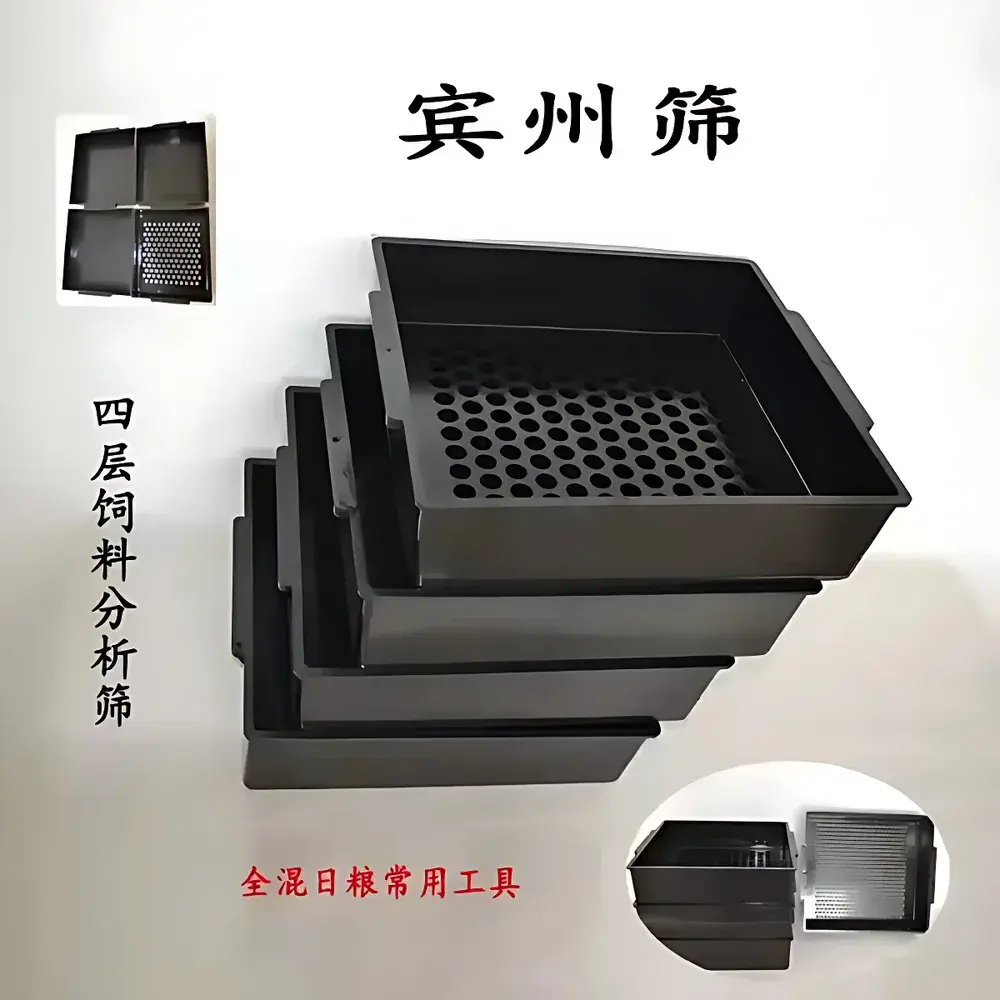
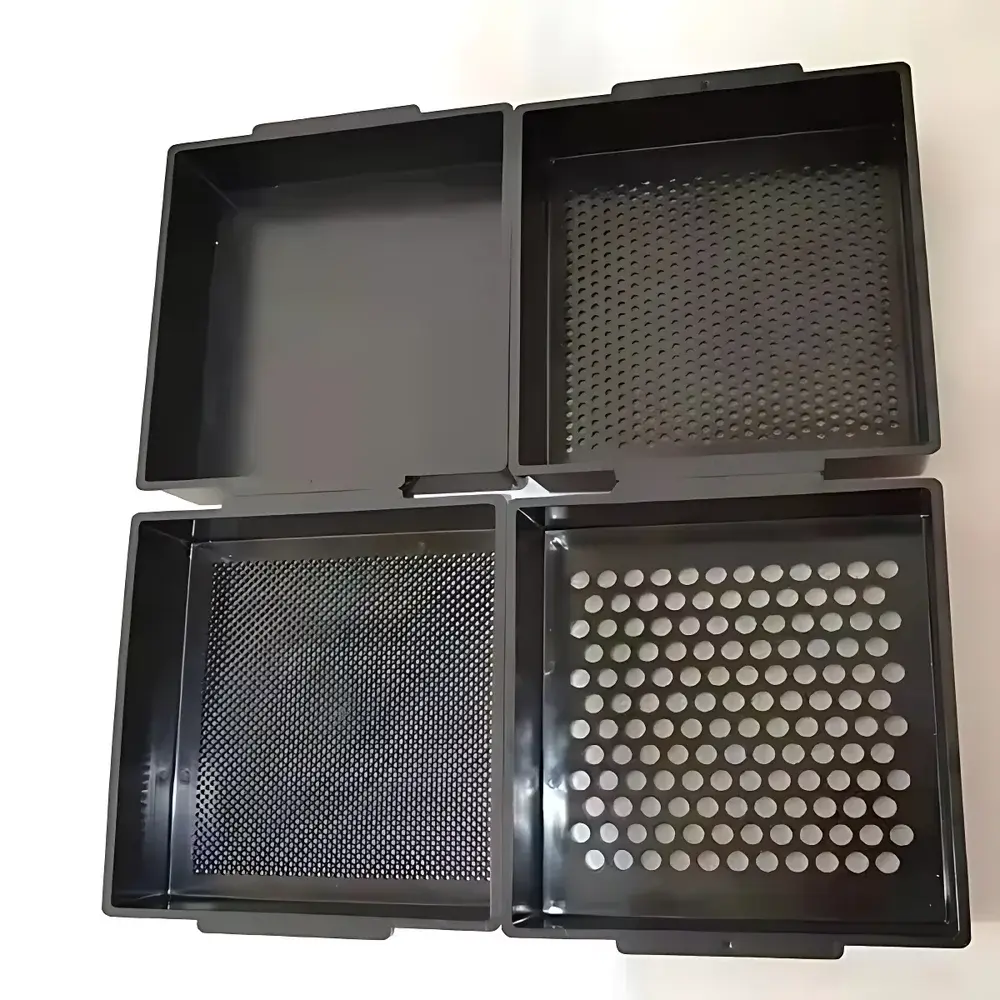
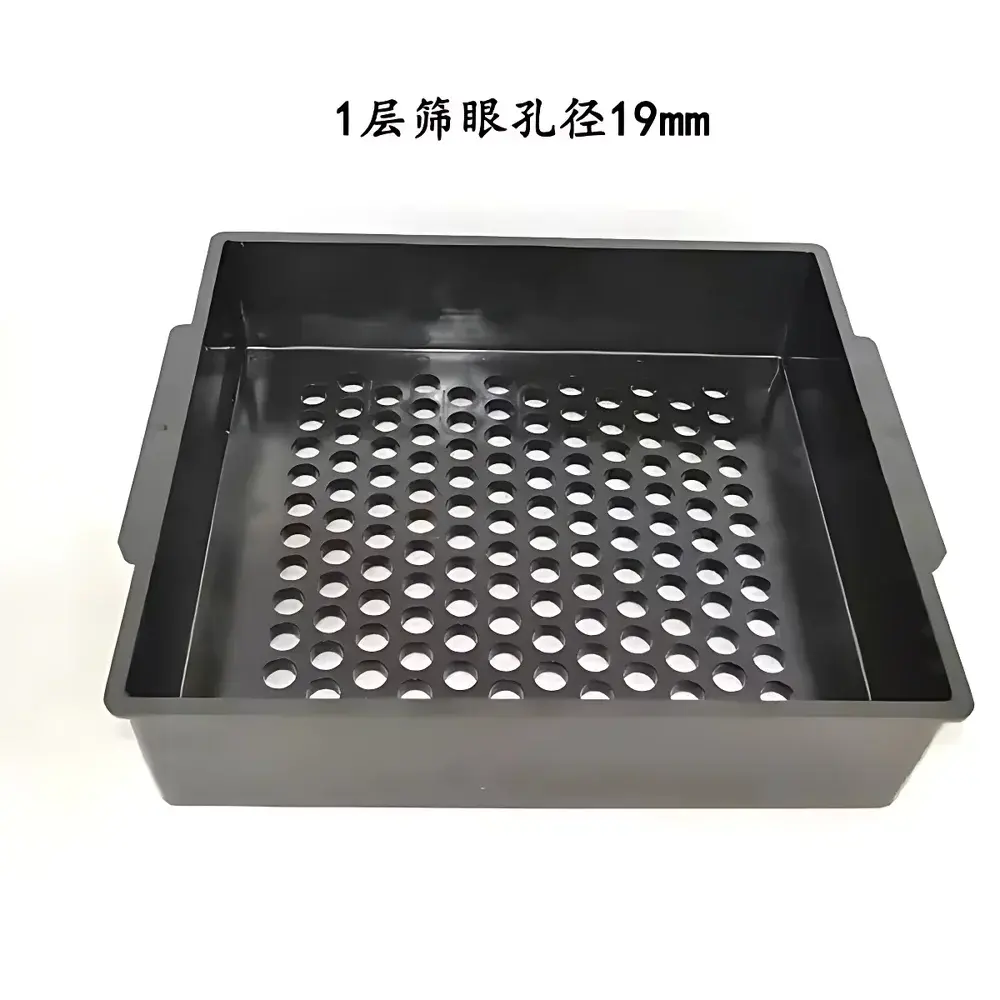
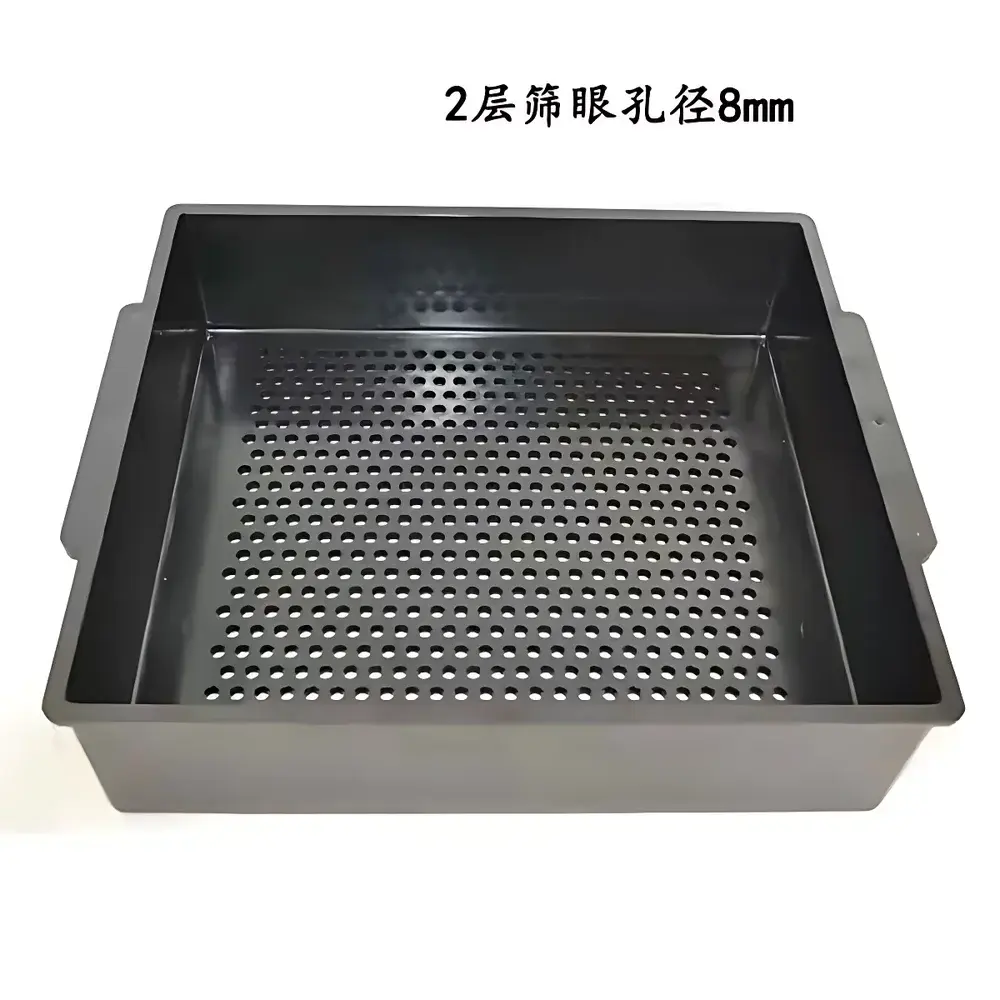
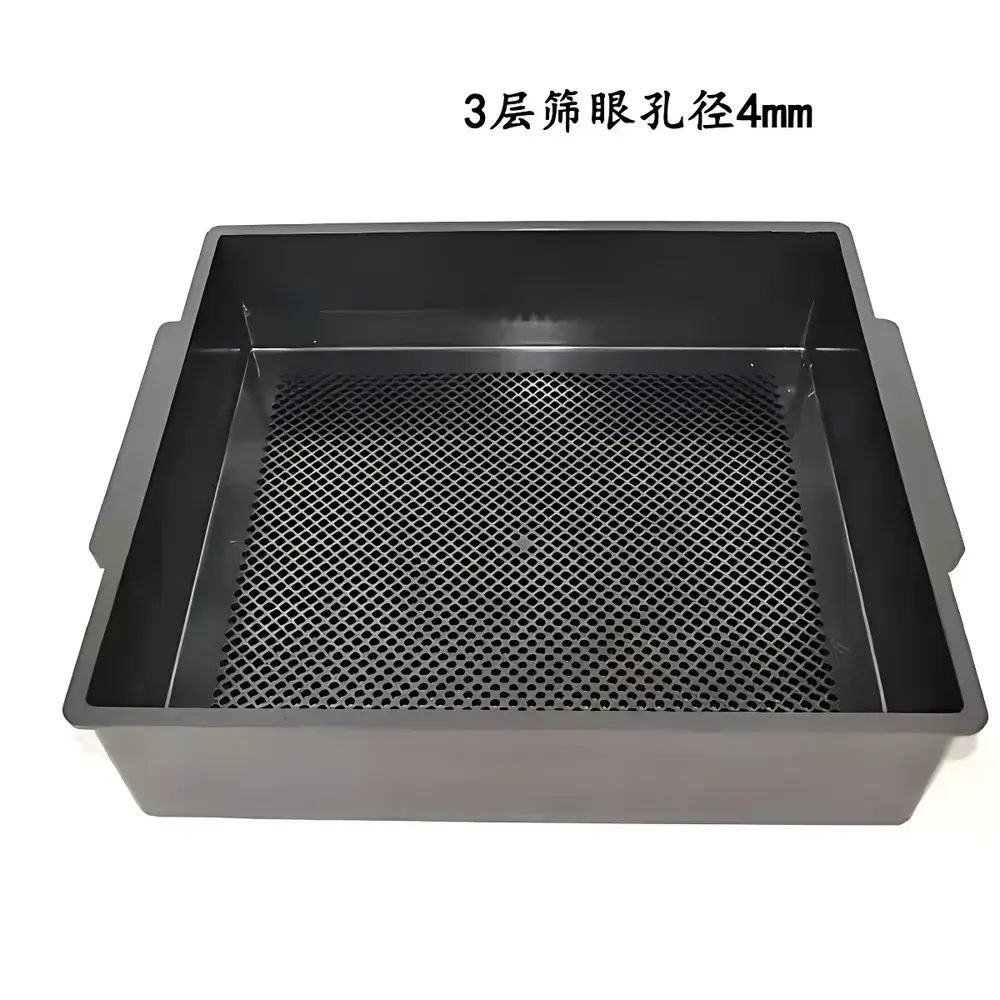
The Harold LI-II Automated Penn State Particle Separator (commonly referred to as the “Bunk Silo Sieve” or “Penn State Forage Particle Separator”) is a purpose-built, industry-standard instrument engineered for objective, repeatable analysis of physically effective fiber (peNDF) distribution in total mixed rations (TMR) and forages used in ruminant nutrition. Unlike manual Penn State sieving—a labor-intensive, operator-dependent procedure—the LI-II implements fully automated mechanical agitation, timed oscillation, and sequential gravitational separation across three standardized sieve layers (19 mm, 8 mm, and 1.18 mm), aligned precisely with the Penn State University protocol (Lammers et al., 1996; Kononoff & Heinrichs, 2003). The system operates on a fixed 2-minute cycle per sample, eliminating variability introduced by human fatigue, inconsistent shaking amplitude/duration, or subjective interpretation of particle retention. Its design conforms to the structural requirements of NRC (2001) and FAO (2017) guidelines for feed particle size assessment in dairy and beef operations.
Key Features
- Fully automated sieving sequence: programmable oscillation frequency, amplitude, and dwell time per sieve layer—fully compliant with Penn State TMR evaluation methodology.
- Integrated load-cell-based sample weighing before and after separation to calculate dry matter retention (%) per fraction with ±0.5% repeatability (within-run CV < 2.1%).
- Modular stainless-steel sieve stack with precision-machined apertures (19.0 ± 0.1 mm, 8.0 ± 0.05 mm, 1.18 ± 0.02 mm) meeting ASTM E11-22 specifications for test sieves.
- Touchscreen HMI interface with preloaded SOP workflows, user authentication, and audit-trail logging (GLP-compliant event timestamps).
- Onboard thermal printer for immediate hard-copy report generation including fraction weights, peNDF8 and peNDF1.18 calculations, and deviation alerts vs. target TMR profiles.
Sample Compatibility & Compliance
The LI-II accepts representative field-collected TMR samples (300–500 g as-received, air-dried or fresh) without preprocessing. It accommodates coarse haylage, corn silage, straw, pelleted supplements, and high-moisture grains—materials known to challenge manual sieving consistency. All mechanical and electrical components comply with IEC 61000-6-2 (EMC immunity) and IEC 60529 IP54 enclosure rating for barn-floor deployment. Data output formats satisfy ISO/IEC 17025:2017 clause 7.7 (reporting requirements) and support traceability under FDA 21 CFR Part 11 when integrated with validated cloud platforms. Calibration verification kits (NIST-traceable reference particles) are available for routine performance checks.
Software & Data Management
The embedded firmware supports local data storage (≥10,000 test records) and wireless synchronization via Wi-Fi or Ethernet to Harold’s secure cloud platform—designed specifically for multi-site dairy cooperatives and vertically integrated livestock enterprises. Field technicians access real-time dashboards on iOS/Android devices showing fraction distribution trends, herd-level peNDF compliance rates, and outlier detection (e.g., >15% deviation from benchmark). Role-based permissions, encrypted TLS 1.3 transmission, and immutable audit logs meet GMP-aligned data integrity standards. API endpoints allow integration with farm management software (e.g., DairyComp, HerdSoft) and ERP systems for automated feed formulation feedback loops.
Applications
- Quantifying physically effective neutral detergent fiber (peNDF) to optimize rumen health and prevent subacute ruminal acidosis (SARA).
- Validating TMR mixing uniformity across batches and feeding events—critical for lactation curve stability and dry matter intake consistency.
- Supporting nutritional audits during third-party certification (e.g., FARM Environmental Stewardship, AASFP Animal Welfare Standards).
- Generating longitudinal datasets for research into particle size–milk fat correlation, sorting behavior modeling, and precision feeding algorithm development.
- Enabling rapid on-farm troubleshooting of mixer wagon wear, ingredient segregation, or chop length inconsistencies.
FAQ
How does the LI-II ensure alignment with the official Penn State protocol?
It replicates the exact 2-minute, 60-cycle-per-minute horizontal shaking motion defined in the Penn State manual—mechanically controlled with servo-driven linear actuators calibrated to ±0.3 mm stroke tolerance.
Can the system handle wet or frozen TMR samples?
Yes—samples up to 65% moisture content are processed without clogging; optional heated sieve deck (accessory) prevents condensation-induced agglomeration in cold environments.
Is calibration required, and how often?
Initial factory calibration is documented in the CoC; annual verification using certified reference sieves and mass standards is recommended per ISO/IEC 17025 clause 6.6.
Does the cloud database support multi-language interfaces and regional regulatory reporting?
Yes—dashboard language toggles (EN/ES/PT/CN) and configurable report templates align with EU Regulation (EC) No 1831/2003, China GB/T 20806-2022, and US FDA Feed Safety Modernization Act (FSMA) recordkeeping mandates.