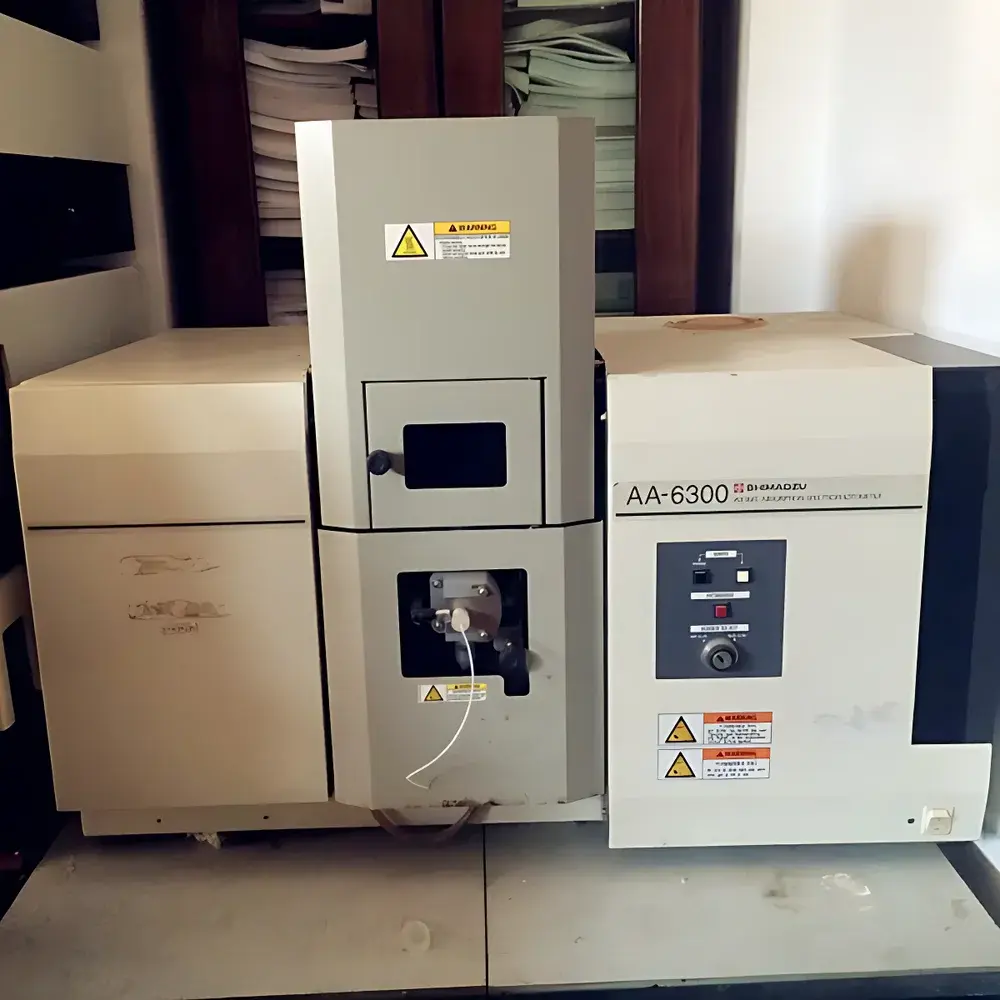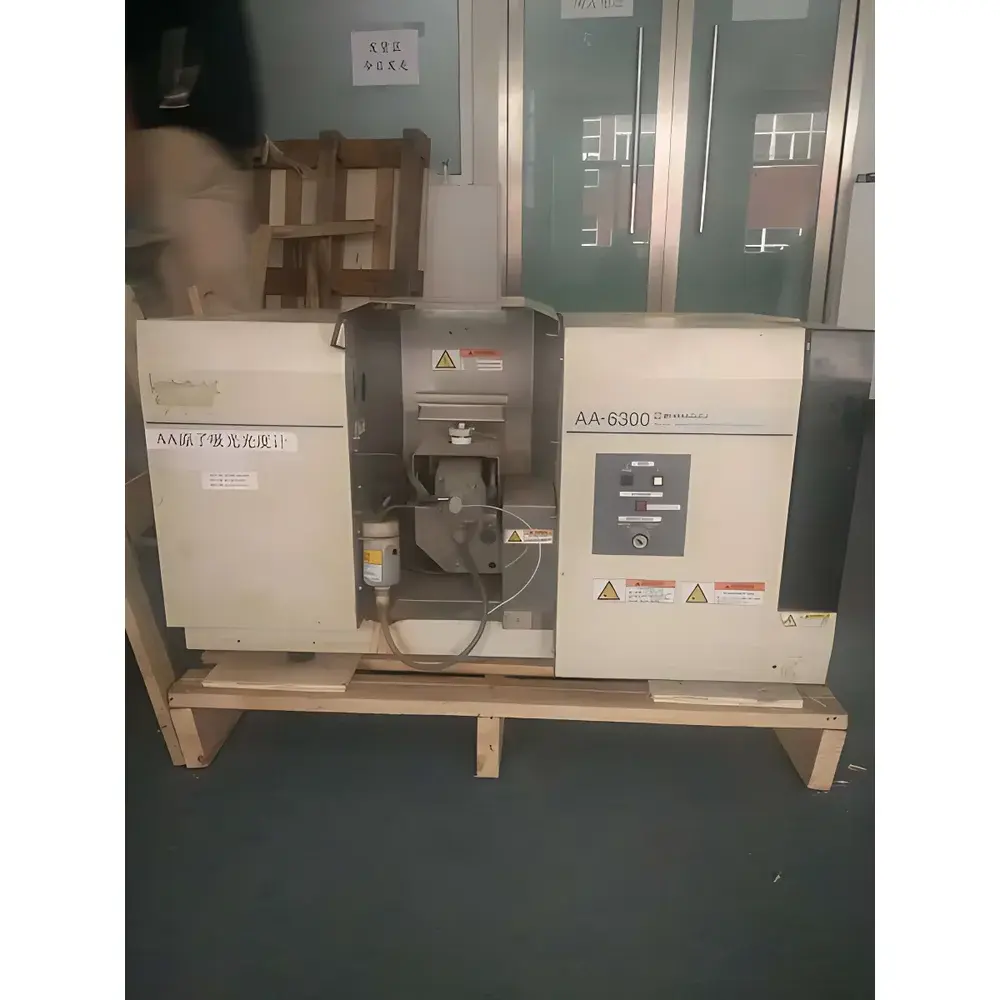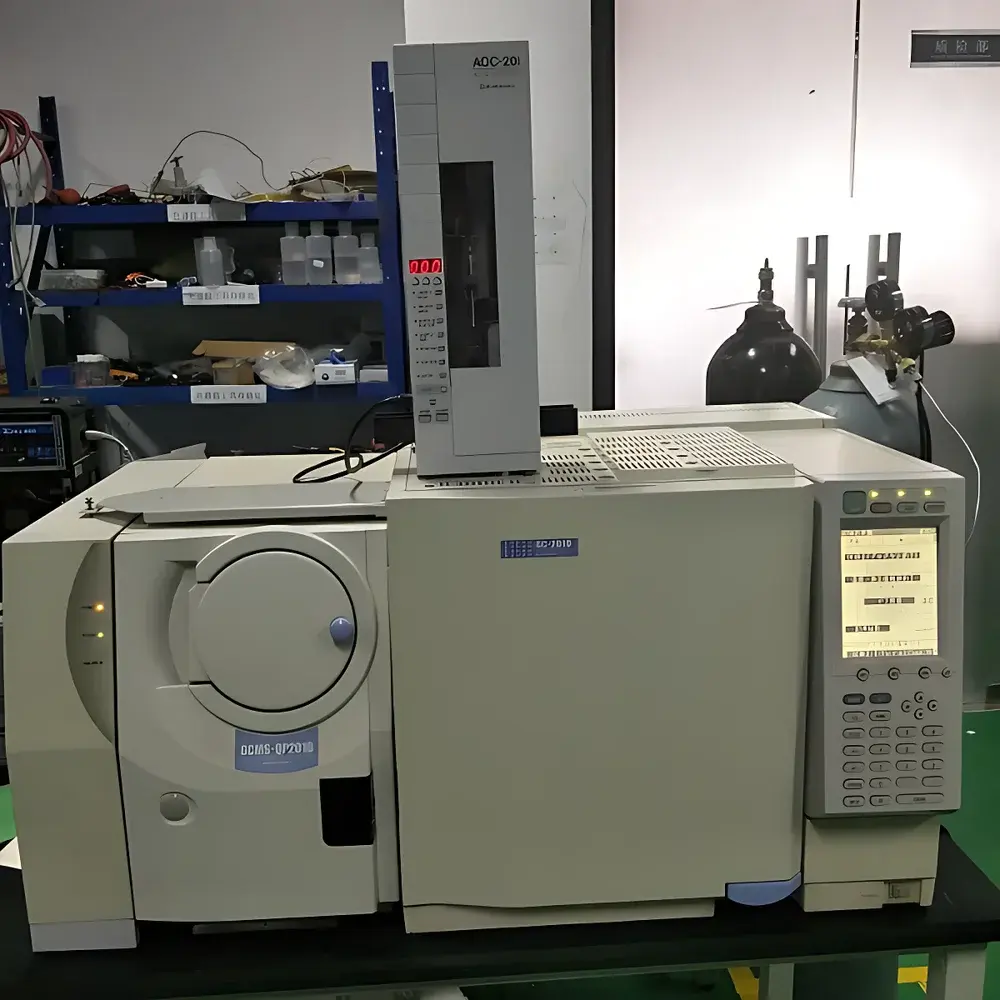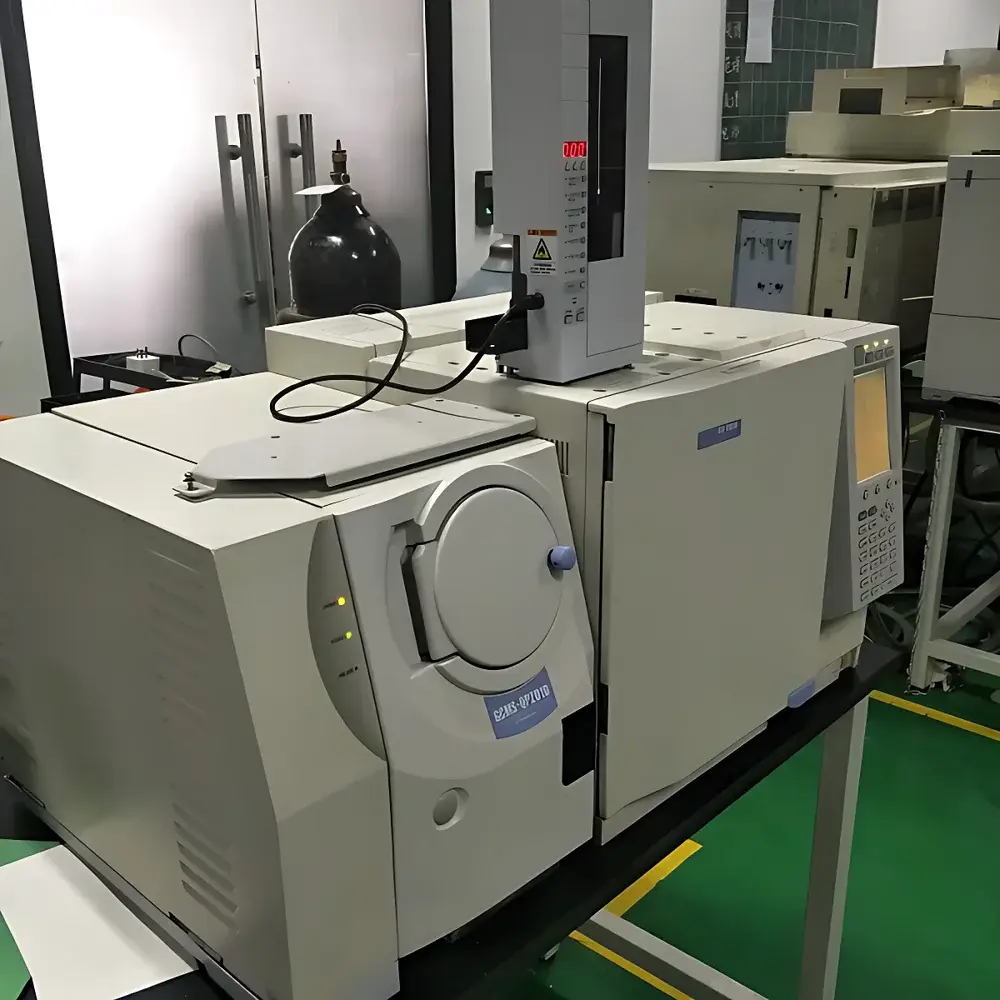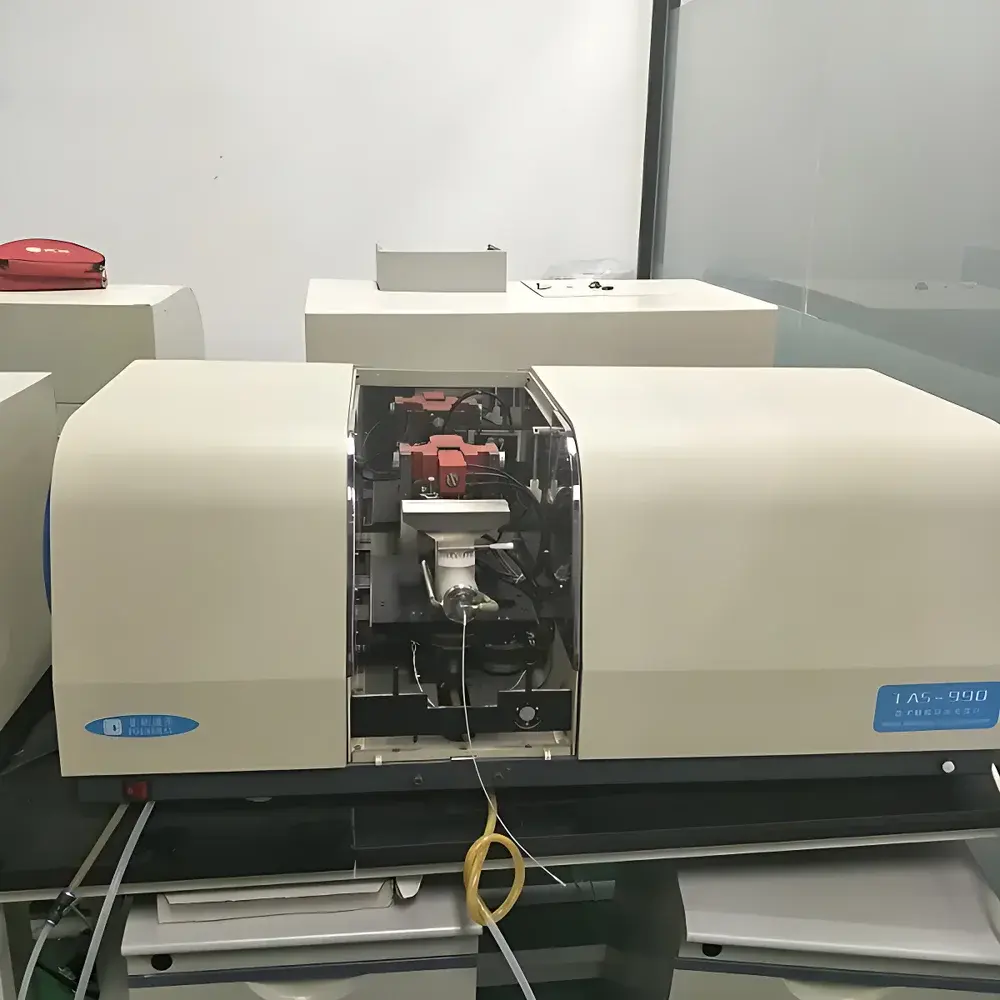
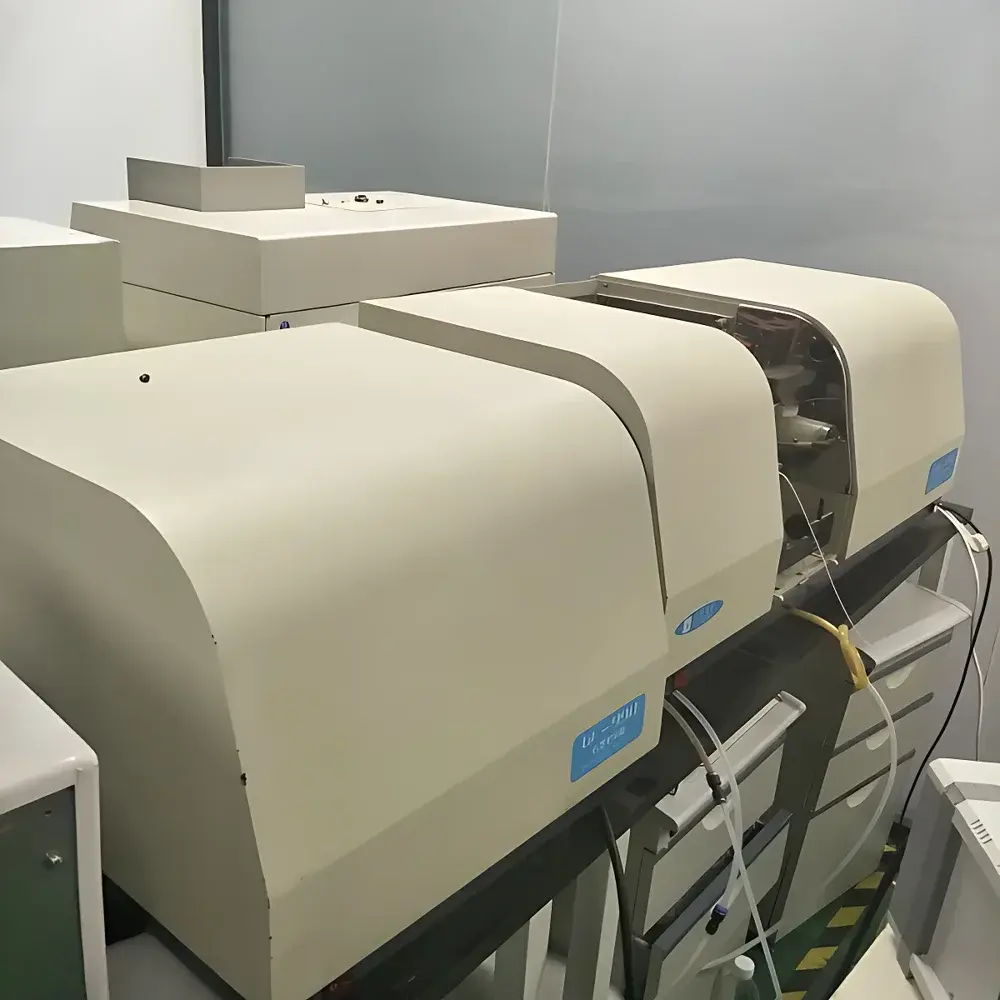
Persee TAS-990 Atomic Absorption Spectrophotometer (Refurbished, Rental)
| Brand | Persee |
|---|---|
| Origin | Beijing, China |
| Manufacturer Type | Authorized Distributor |
| Origin Category | Domestic (China) |
| Model | TAS-990 |
| Rental Rate | USD 1,150/month (excl. tax & shipping) |
Overview
The Persee TAS-990 Atomic Absorption Spectrophotometer is a flame and graphite furnace atomic absorption spectrometer engineered for trace metal quantification in liquid samples at sub-ppb concentration levels. Based on the fundamental principle of atomic absorption spectroscopy—where ground-state free atoms in the gaseous phase absorb light at element-specific wavelengths—the TAS-990 employs hollow cathode lamp (HCL) or electrodeless discharge lamp (EDL) sources and a high-resolution monochromator (1800 grooves/mm grating) to isolate analytical lines. Its dual optical path design enables rapid switching between flame (FAAS) and electrothermal (GFAAS) atomization modes without mechanical realignment, supporting both routine multi-element screening and ultra-trace analysis of complex matrices such as biological fluids, environmental water, soil digests, and pharmaceutical excipients.
Key Features
- Dual-atomization capability: Integrated flame and graphite furnace systems with automatic mode recognition and optimized gas flow control (acetylene/air or nitrous oxide/acetylene for flame; high-purity argon purge for furnace)
- Optical system: Czerny-Turner monochromator with automatic wavelength scanning (190–900 nm), spectral bandwidth selection (0.2/0.4/1.0/2.0 nm), and photomultiplier tube (PMT) detection with linear dynamic range >3 orders of magnitude
- Sample introduction: Autosampler-compatible flame nebulizer system with adjustable aspiration rate; graphite furnace with integrated platform and temperature-programmable ramping (up to 3000 °C, ±1 °C precision)
- Background correction: Deuterium arc (D₂) and Zeeman-effect options available (model-dependent); software-assisted baseline drift compensation
- Robust architecture: All-metal optical bench with thermal stabilization, vibration-damped baseplate, and sealed optics compartment to ensure long-term wavelength reproducibility (<0.05 nm shift per 8-hour operation)
Sample Compatibility & Compliance
The TAS-990 accommodates aqueous solutions, acid-digested solids, and diluted organic extracts following standard EPA, ISO, and ASTM sample preparation protocols (e.g., EPA Method 200.7, ISO 11885, ASTM D1688). It supports direct analysis of low-volume samples (5–20 µL) in GFAAS mode and accommodates up to 120-position autosampler racks for unattended operation. The instrument meets essential regulatory requirements for GLP and GMP environments: audit trail functionality (user login, method changes, calibration logs), electronic signature readiness (aligned with FDA 21 CFR Part 11 principles), and traceable calibration via NIST-traceable standards. All firmware and operational software comply with IEC 61000-4 electromagnetic compatibility standards and are CE-marked for laboratory use within the EU.
Software & Data Management
The TAS-990 operates with Persee’s proprietary AAWin software (v4.3+), a Windows-based platform offering method development wizards, real-time spectral visualization, multi-point calibration curve generation (linear, quadratic, weighted least-squares), and QC flagging (e.g., signal-to-noise ratio <3, peak asymmetry >15%). Raw data files (.aaw) are stored in structured ASCII format for third-party integration (e.g., LIMS via ODBC drivers). Audit trails record timestamped entries for all critical events—including lamp alignment, wavelength verification, and calibration updates—with user-defined retention policies. Data export supports CSV, PDF report generation, and XML schema for compliance documentation. Remote monitoring and diagnostic support are enabled via secure TLS-encrypted LAN/WAN connections.
Applications
- Environmental testing: Quantification of Pb, Cd, As, Cr, Ni, and Cu in drinking water (EPA 200.9), wastewater, and sediment extracts
- Pharmaceutical quality control: Residual catalyst metals (Pd, Pt, Rh) in active pharmaceutical ingredients (APIs) per ICH Q2(R2) guidelines
- Food safety: Lead and cadmium screening in infant formula, spices, and seafood per EU Commission Regulation (EC) No 1881/2006
- Clinical research: Zinc, copper, and selenium determination in serum and whole blood using GFAAS with matrix modifiers (NH₄H₂PO₄/Mg(NO₃)₂)
- Materials science: Impurity profiling in high-purity reagents, battery electrolytes, and semiconductor-grade chemicals
FAQ
Is the TAS-990 compatible with modern LIMS platforms?
Yes—AAWin software supports ODBC-compliant data export and includes configurable field mapping for seamless integration with major LIMS vendors (e.g., Thermo Fisher SampleManager, LabVantage, STARLIMS).
What maintenance is included during the rental term?
Rental packages include quarterly preventive maintenance (PM) by certified Persee service engineers, covering lamp alignment verification, burner head cleaning, graphite tube replacement (consumables excluded), and optical path inspection.
Can the instrument be upgraded to support hydride generation (HGAAS)?
The TAS-990 chassis supports optional HGAAS module retrofit (Persee HG-990), enabling As, Se, Sb, Bi, Te, and Hg analysis with detection limits down to 0.01 ng/mL.
Is training provided for operators?
Comprehensive on-site or virtual operator training (8 hours) is included in all 6-month+ rental agreements, covering method setup, QA/QC procedures, troubleshooting, and regulatory documentation practices.
What is the lead time for deployment?
Standard delivery and installation require 10–14 business days after contract execution, including factory recalibration, performance verification (per Persee PQ protocol), and site acceptance testing (SAT) with certified reference materials.