
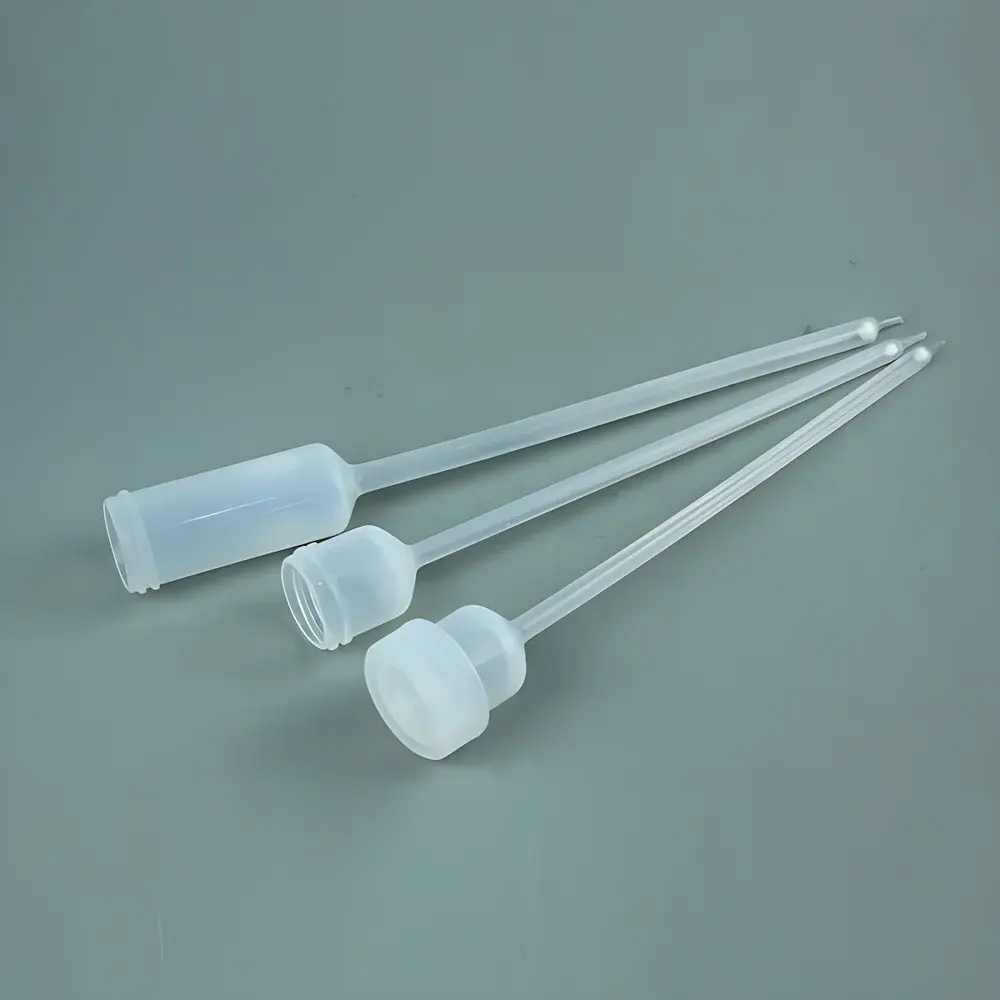
PFA Monolithic Ion Exchange Microcolumn by Binzhenghong
| Brand | Binzhenghong |
|---|---|
| Origin | Jiangsu, China |
| Manufacturer Type | Direct Manufacturer |
| Origin Category | Domestic (China) |
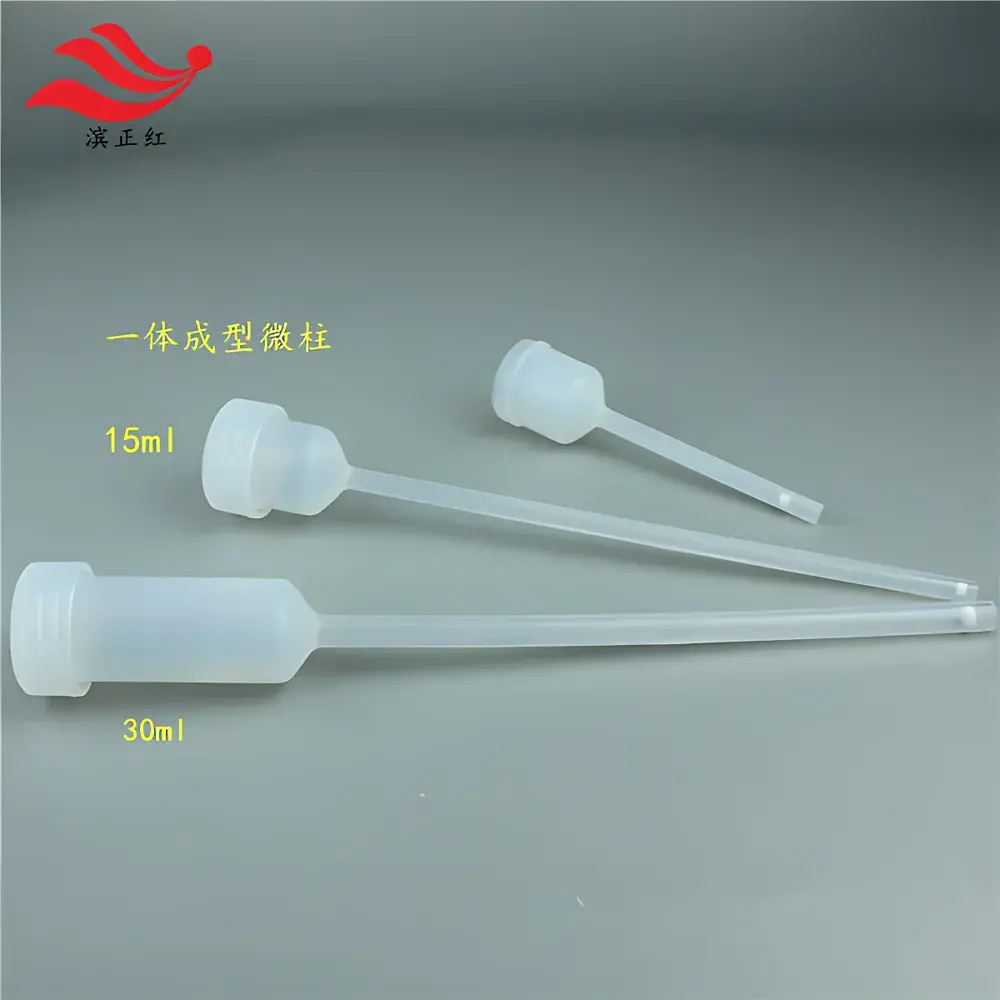
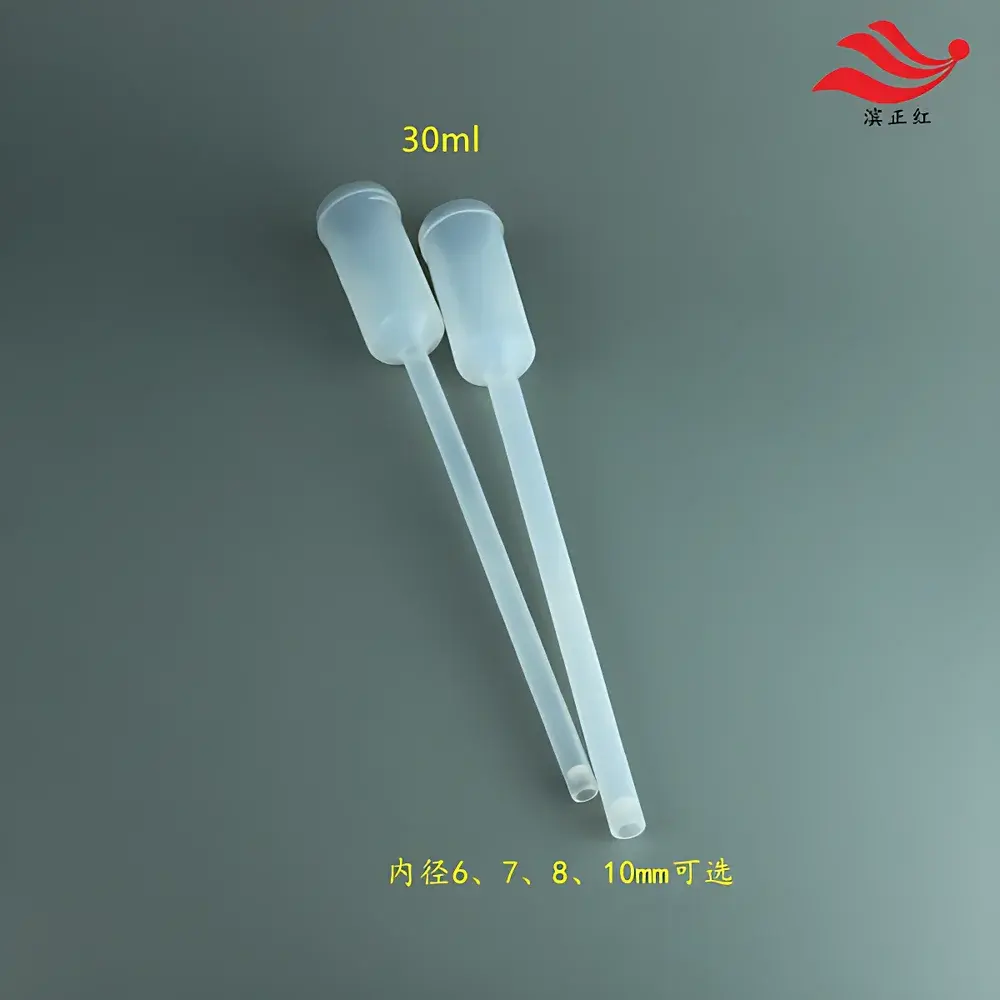
| Volume Options | 15 mL, 30 mL |
| Pricing | Upon Request |
Overview
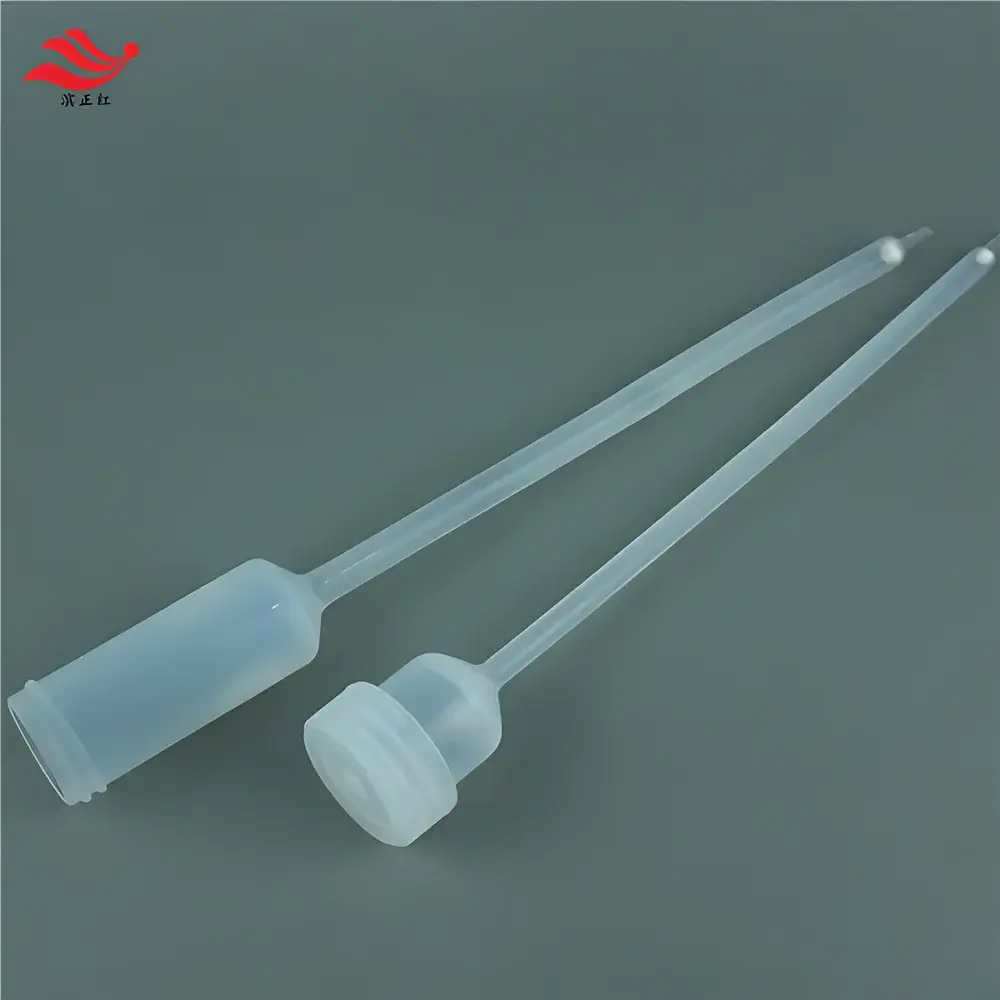
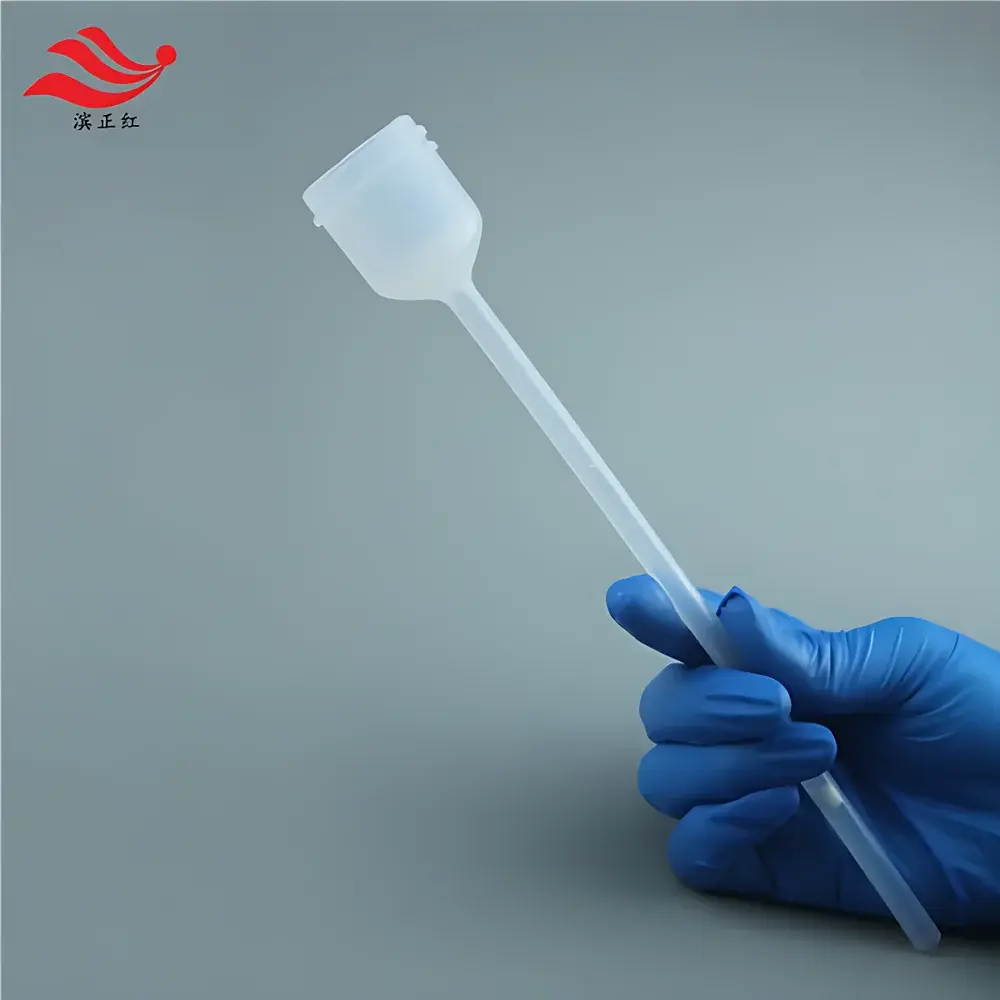
The PFA Monolithic Ion Exchange Microcolumn is a high-purity, chemically inert chromatographic separation device engineered for trace-level ion analysis, sample preconcentration, and matrix cleanup in demanding analytical workflows. Constructed entirely from perfluoroalkoxy alkane (PFA), this microcolumn integrates a monolithic ion exchange phase directly within a seamless, solvent-resistant PFA housing—eliminating frits, glue interfaces, and metal components that could leach contaminants or catalyze degradation. Its design adheres to the fundamental principles of ion exchange chromatography: selective retention of cations or anions via electrostatic interaction with functionalized polymer or silica-based monoliths immobilized in situ. The column operates under low-pressure, gravity-fed or syringe-driven flow conditions (typically 0.1–2.0 mL/min), making it ideal for offline sample preparation prior to ICP-MS, IC, or AAS analysis—particularly in environmental monitoring, semiconductor-grade reagent purification, and ultra-trace metal speciation studies.
Key Features
- Full-body PFA construction ensures exceptional resistance to hydrofluoric acid (HF), hot concentrated acids (e.g., HNO₃, HCl, H₂SO₄), strong bases, and organic solvents—enabling aggressive cleaning protocols without column degradation.
- Integrated monolithic ion exchange phase offers high surface area, uniform pore structure, and minimal backpressure—supporting reproducible breakthrough volumes and consistent retention behavior across batches.
- Fritless, bond-free architecture eliminates dead volume, channeling, and particulate shedding—critical for sub-ppt level analysis where carryover or blank elevation must be avoided.
- Available in two standardized working volumes (15 mL and 30 mL), each calibrated for defined bed heights and internal diameters to ensure method transferability and inter-laboratory comparability.
- Designed for manual or automated offline use: compatible with standard Luer-lock syringes, vacuum manifolds, and positive-pressure liquid handlers; no fittings or adapters required.
Sample Compatibility & Compliance
The microcolumn accommodates aqueous matrices including ultrapure water, dilute acid digests (e.g., EPA Method 200.8 extracts), seawater filtrates, and pharmaceutical process streams. It is routinely employed in applications requiring compliance with ISO/IEC 17025-accredited laboratories’ requirements for contamination control and method validation. While not certified to specific regulatory standards (e.g., USP , ASTM D8083), its material composition and performance characteristics align with GLP-aligned sample preparation practices—particularly where documentation of column lot traceability, cleaning validation, and blank testing are mandated. All PFA components comply with FDA CFR Title 21 §177.1550 for fluoropolymer food-contact safety, supporting use in regulated life science environments.
Software & Data Management
As a passive, hardware-only sample preparation tool, the PFA Monolithic Ion Exchange Microcolumn does not incorporate embedded electronics, firmware, or proprietary software. Its operation requires no driver installation or calibration routines. Users maintain full traceability through manual logbooks or LIMS-integrated workflow records documenting column lot number, conditioning protocol (e.g., 5 mL 2 M HNO₃ followed by 10 mL DI water), sample volume processed, and elution fraction collection. For labs operating under 21 CFR Part 11 requirements, electronic records of column usage—including timestamps, analyst ID, and QC check results—can be generated via validated third-party LIMS platforms (e.g., LabWare LIMS, Thermo Fisher SampleManager) without modification to the device itself.
Applications
- Preconcentration and matrix removal of transition metals (e.g., Fe, Cu, Ni, Co) from high-purity water used in photovoltaic wafer rinsing.
- Separation of lanthanides and actinides in nuclear fuel cycle effluent monitoring per IAEA Technical Reports Series No. 441 guidelines.
- Cleanup of biological digests (e.g., tissue homogenates treated with HNO₃/H₂O₂) prior to ICP-MS quantification of essential/toxic elements.
- Removal of interfering alkali and alkaline earth cations (Na⁺, K⁺, Ca²⁺, Mg²⁺) from environmental soil leachates analyzed by ion chromatography.
- In-line integration with automated dilution systems for dynamic range extension in routine QA/QC testing of battery electrolyte additives.
FAQ
What is the maximum recommended operating temperature for this microcolumn?
The PFA housing maintains structural integrity up to 260 °C; however, the embedded monolithic ion exchange phase is rated for continuous use below 80 °C. Short-term exposure to 100 °C is permissible during regeneration cycles.
Can the column be regenerated and reused?
Yes—regeneration is achieved using sequential washes with 2 M HNO₃ (for cation exchange) or 1 M NaOH (for anion exchange), followed by extensive rinsing with ≥18.2 MΩ·cm ultrapure water. Performance verification via blank eluent analysis is recommended before reuse.
Is there batch-to-batch retention time variability?
Monolithic phase synthesis is performed under controlled polymerization conditions; typical inter-batch RSD for breakthrough volume is ≤3.5% (n=5 columns, 100 µg/L Cd²⁺ in 0.1 M HNO₃). Certificate of Analysis includes retention capacity data per lot.
Does the column require preconditioning before first use?
Yes—preconditioning with 5 column volumes of the intended mobile phase (e.g., 0.01 M HNO₃) is required to stabilize the surface charge and displace residual manufacturing solvents.
Are custom bed volumes or functionalizations available?
Binzhenghong offers OEM development for alternative monolith chemistries (e.g., chelating iminodiacetate, quaternary ammonium anion exchangers) and non-standard volumes (5–50 mL) upon technical review and minimum order quantity agreement.



