
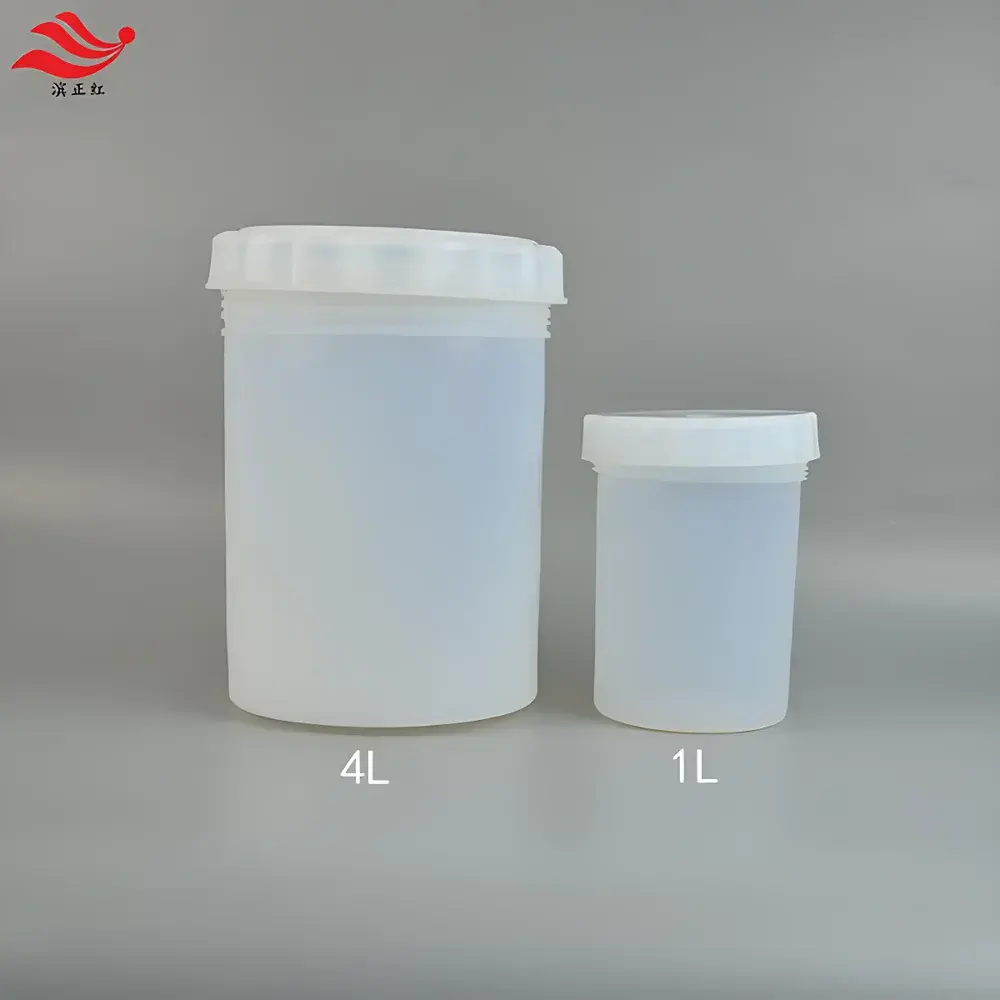
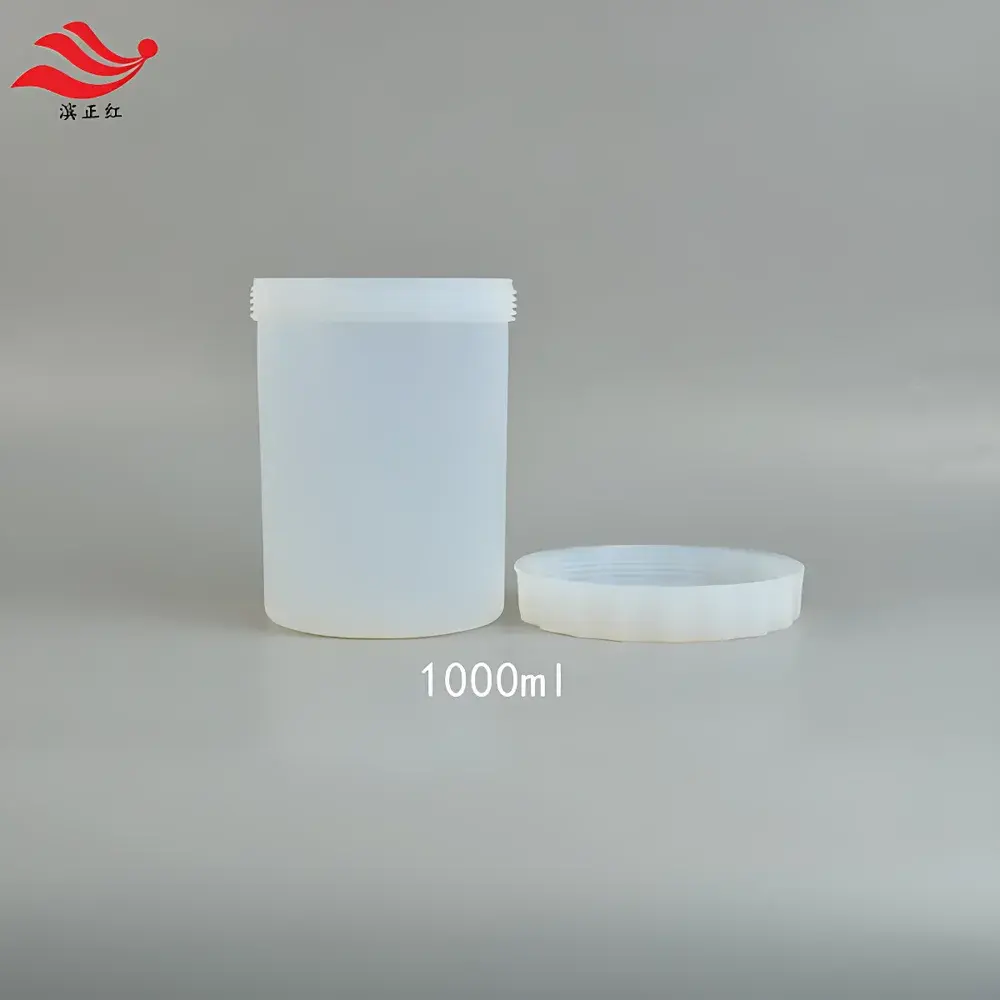
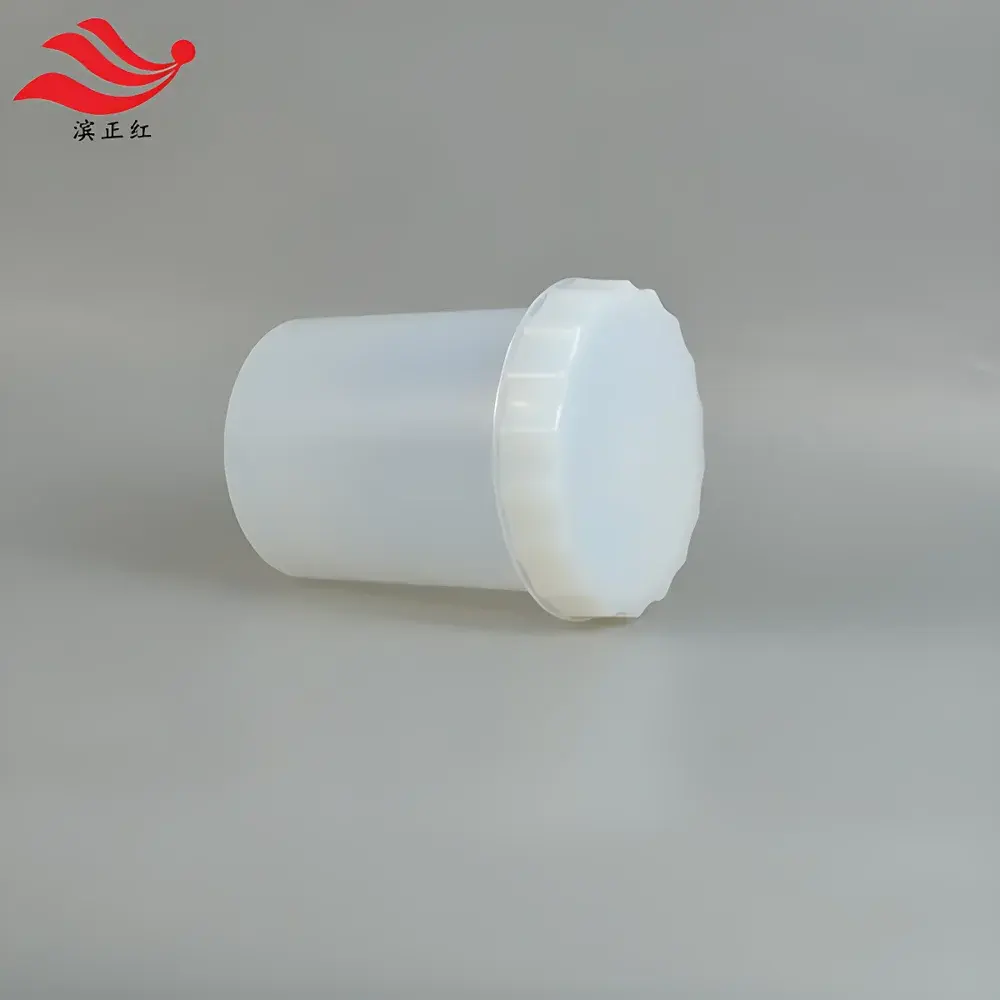
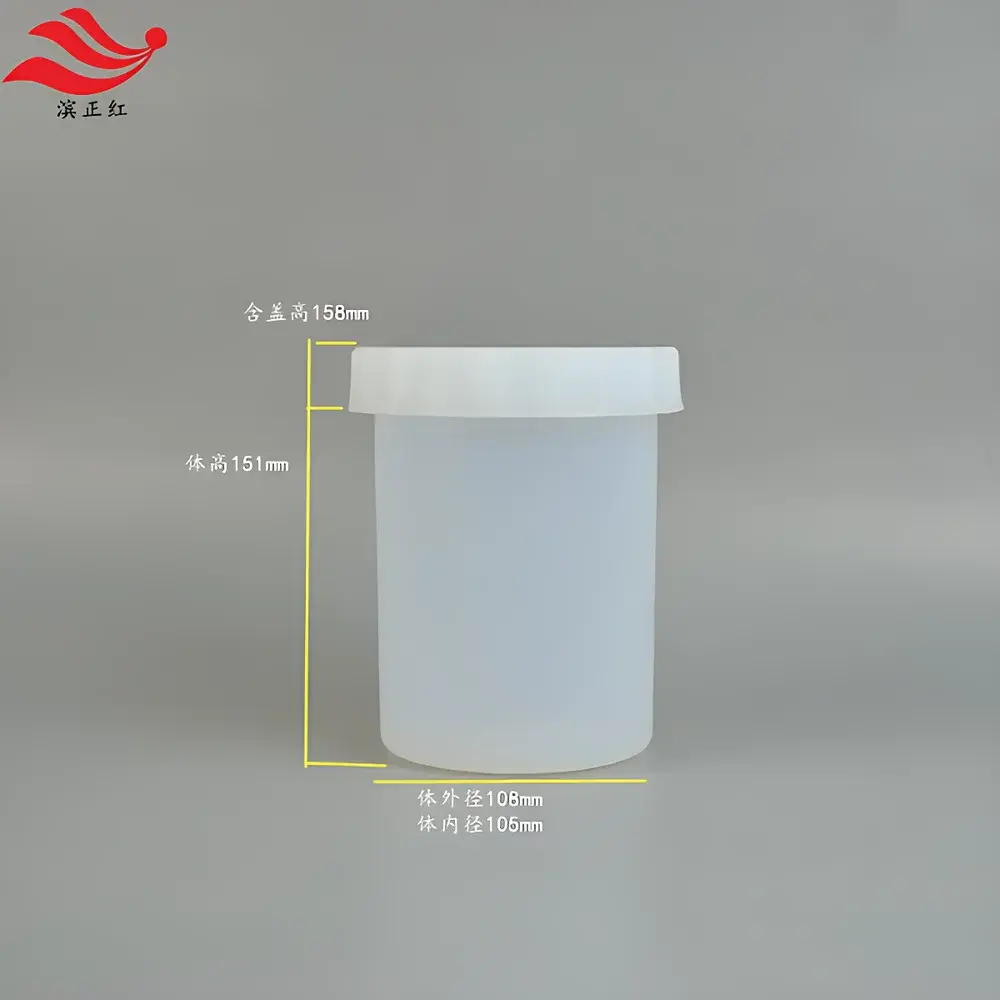
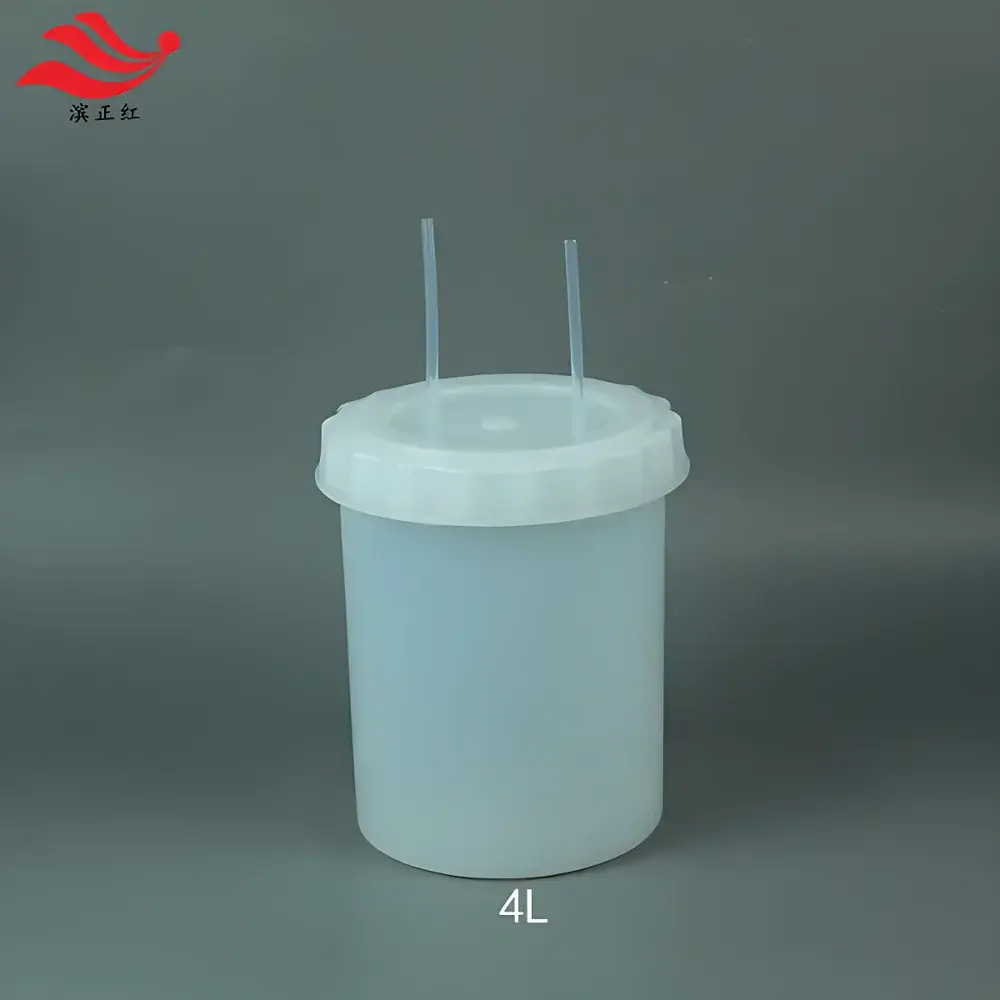
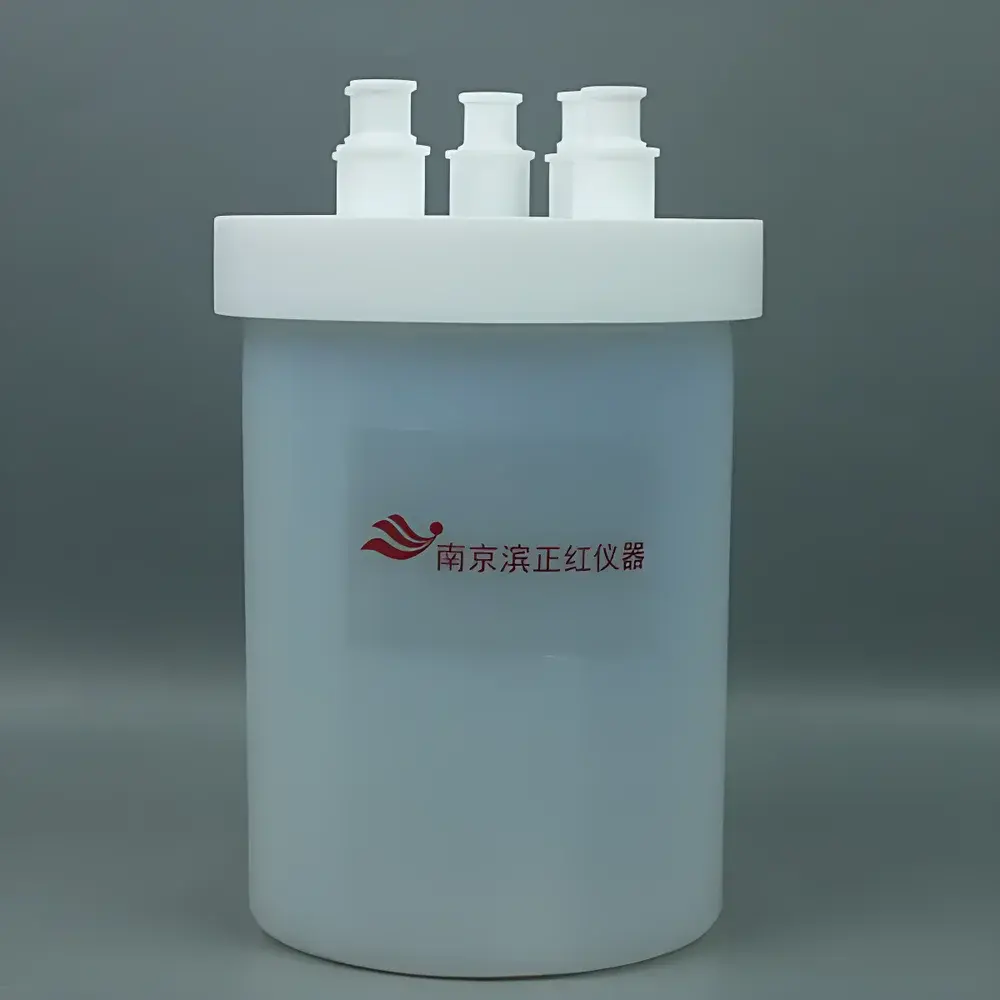
PFA Reaction Vessel 1000 mL – Transparent Fluoropolymer Digestion Flask with Wide-Mouth Design (Available in 1 L to 4 L Capacities)
| Brand | Binzhenghong |
|---|---|
| Origin | Jiangsu, China |
| Manufacturer Type | Direct Producer |
| Product Origin | Domestic (China) |
| Model Range | 1 L – 4 L |
| Pricing | Upon Request |
Overview
The Binzhenghong PFA Reaction Vessel is a high-purity, chemically inert laboratory digestion and reaction container engineered for demanding analytical and preparatory workflows. Constructed entirely from perfluoroalkoxy alkane (PFA), this vessel leverages the exceptional thermal stability (–200 °C to +260 °C), ultra-low extractables, and near-universal chemical resistance of fluoropolymers. Unlike glass or polypropylene alternatives, PFA exhibits negligible leaching—even under prolonged exposure to concentrated hydrofluoric acid (HF), aqua regia, hot nitric acid, and aggressive alkaline melts—making it indispensable for trace-metal analysis (e.g., ICP-MS, ICP-OES sample preparation), microwave-assisted digestion, and cleanroom-grade reagent storage. Its optical clarity enables real-time visual monitoring of reactions, precipitate formation, or dissolution kinetics without compromising containment integrity.
Key Features
- Monolithic PFA Construction: Seamless, molded body with no welds, joints, or adhesive interfaces—eliminating potential contamination pathways and ensuring structural homogeneity under thermal cycling.
- Wide-Mouth Geometry: Optimized aperture design facilitates rapid filling, efficient cleaning with brushes or ultrasonic baths, and unobstructed access for electrodes, stir bars, or sampling probes.
- High-Temperature & Pressure Compatibility: Rated for continuous use up to 260 °C; suitable for closed-vessel microwave digestion systems (e.g., CEM MARS, Anton Paar Multiwave) when operated within validated pressure/temperature envelopes.
- Low Blank Performance: Certified for trace-element analysis; typical background levels for Al, Fe, Cr, Ni, and Zn are <10 pg/mL after acid washing (per ASTM D5687-22 cleaning protocol).
- Non-Stick Surface & Low Adsorption: Inherently hydrophobic and oleophobic surface minimizes analyte retention—critical for recovery-sensitive applications such as speciation studies or low-concentration organic standards.
Sample Compatibility & Compliance
The vessel is compatible with all common digestion matrices—including soils, sediments, biological tissues, polymers, and electronic waste—and supports EPA Methods 3050B, 3051A, 3052, and ISO 11466 for heavy metal extraction. It complies with USP for Class VI plastic materials and meets the material requirements of ISO/IEC 17025-accredited laboratories for sample preparation equipment. While not individually certified to FDA 21 CFR Part 11, its traceability (batch-specific CoA available upon request), documented manufacturing controls, and compatibility with GLP/GMP-aligned SOPs support audit readiness in regulated environments.
Software & Data Management
As a passive laboratory consumable, the PFA Reaction Vessel does not incorporate embedded electronics or firmware. However, its physical attributes directly interface with digital lab infrastructure: batch numbers are laser-etched for LIMS integration; vessel dimensions and thermal profiles are preloaded into common microwave digestion software (e.g., CEM’s iWave, Milestone’s Ethos UP) for automated method validation. Users may log usage history, cleaning cycles, and calibration verification records via ELN platforms (e.g., LabArchives, Benchling) using standardized metadata fields (material lot ID, sterilization date, last acid wash protocol).
Applications
- Acid digestion of environmental and geological samples prior to elemental quantification
- Hydrothermal synthesis of nanomaterials (e.g., MOFs, quantum dots) requiring inert, non-catalytic surfaces
- Long-term storage of high-purity standards and reference materials (CRM) to prevent wall adsorption
- In-line cleaning and rinsing of PTFE/PFA-lined tubing, filters, and autosampler vials
- Preparation of calibration standards for clinical toxicology assays (e.g., blood lead, urinary arsenic)
- Reagent conditioning in semiconductor wet benches where metallic contamination must remain below 1E+8 atoms/cm²
FAQ
Can this vessel be used in microwave digestion systems?
Yes—provided operating conditions remain within the PFA specification limits (≤260 °C, ≤10 bar). Always consult your instrument manufacturer’s compatibility matrix and validate with blank runs before routine use.
Is autoclaving recommended?
Autoclaving at 121 °C/15 psi is permissible but not required for sterility; dry heat (150 °C for 2 h) is preferred for maximum dimensional stability.
How should the vessel be cleaned between uses?
Rinse with high-purity water, followed by soaking in 5% v/v trace-metal-grade HNO₃ at 60 °C for 1 hour, then triple-rinse with 18.2 MΩ·cm water and air-dry in a Class 100 laminar flow hood.
Does the transparency affect UV stability?
No—PFA exhibits inherent UV resistance due to strong C–F bonds; optical clarity is maintained even after extended exposure to UV-C germicidal lamps.
Are custom volumes or port configurations available?
Yes—Binzhenghong offers OEM molding services for volumes beyond 4 L and integrated fittings (e.g., PFA-threaded ports, gas inlet stems) under NDA.
Related Products



