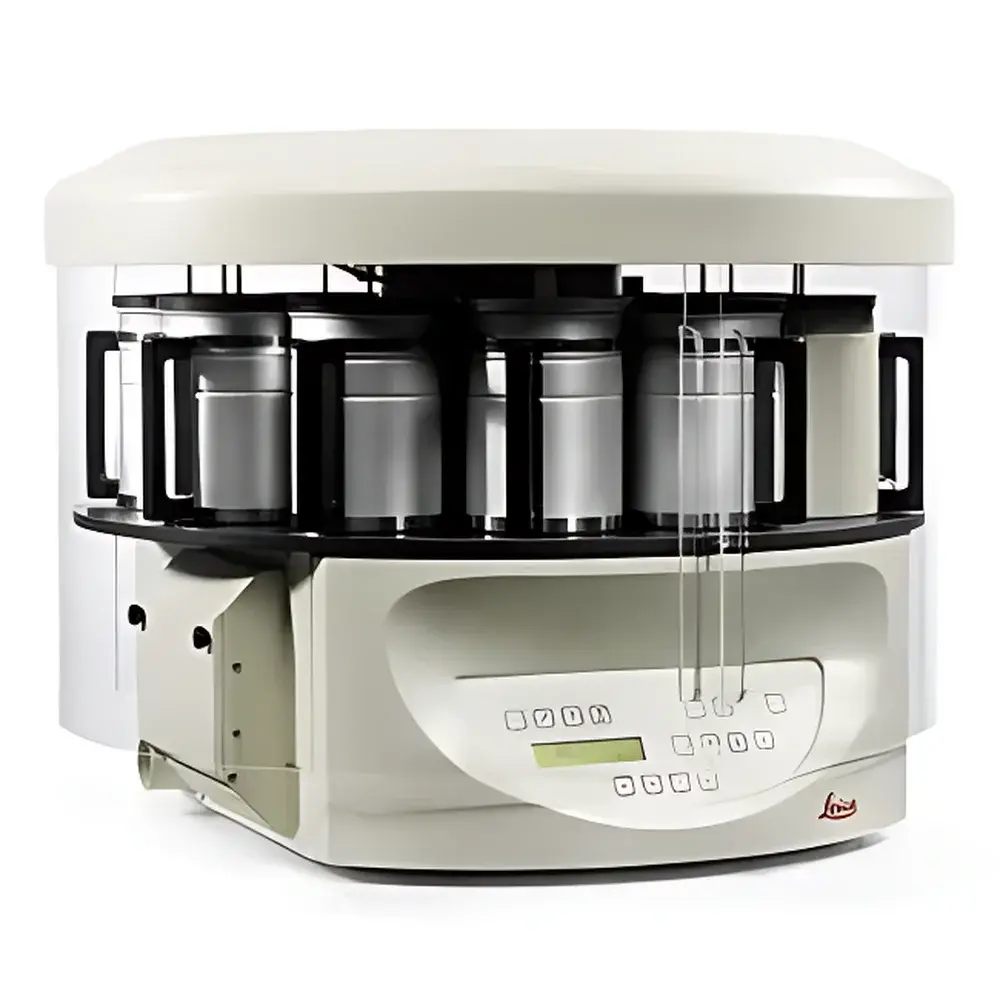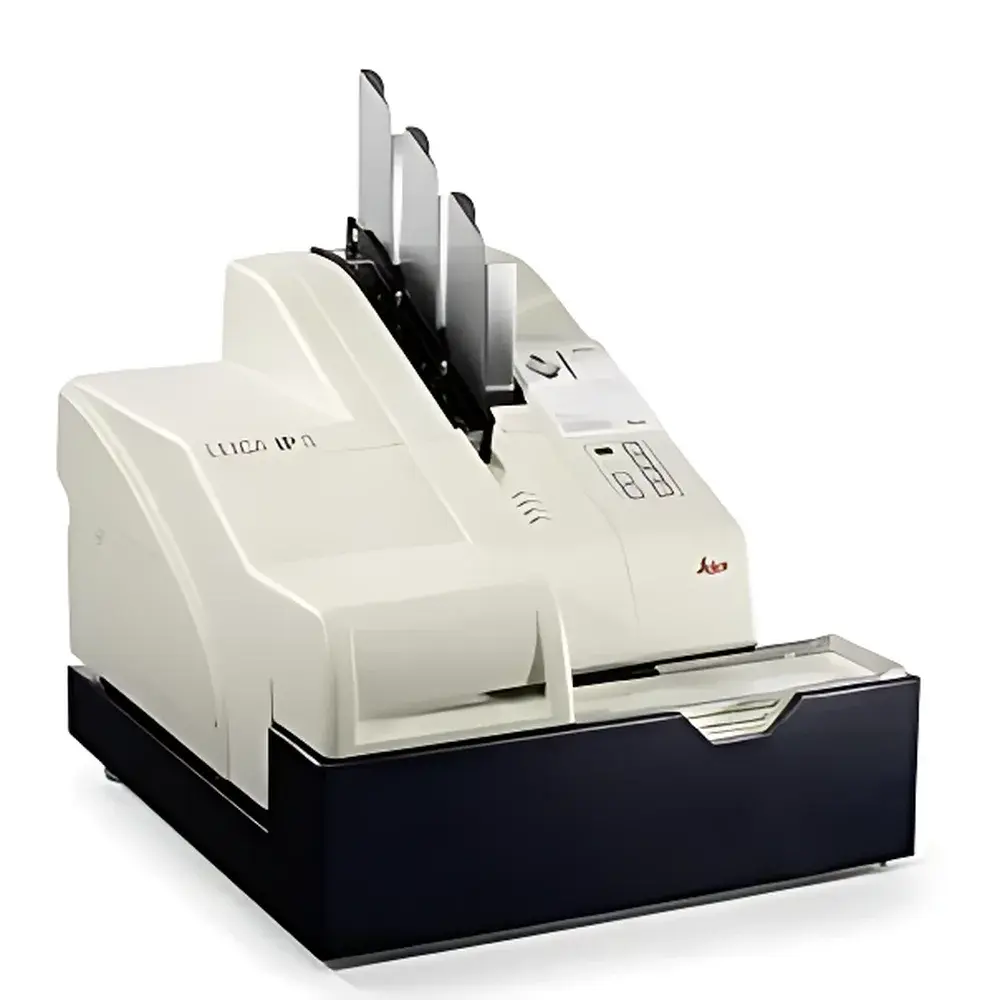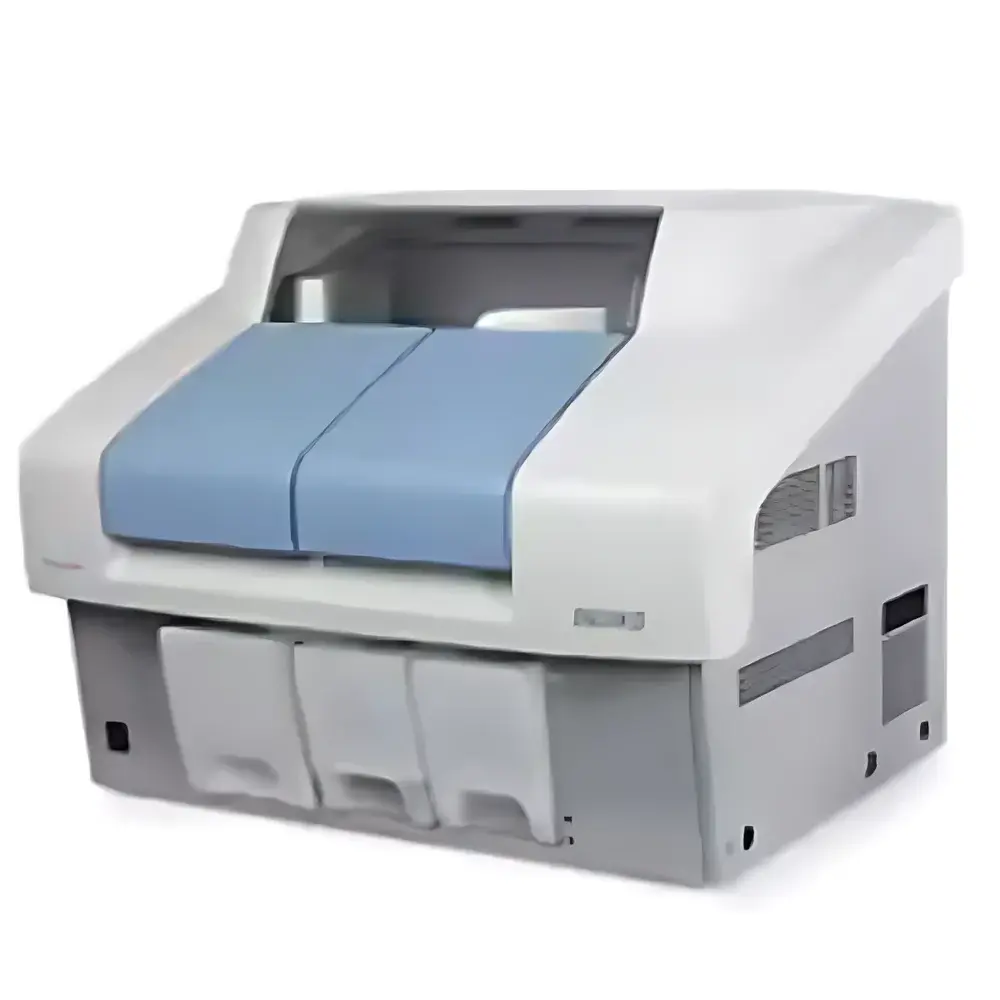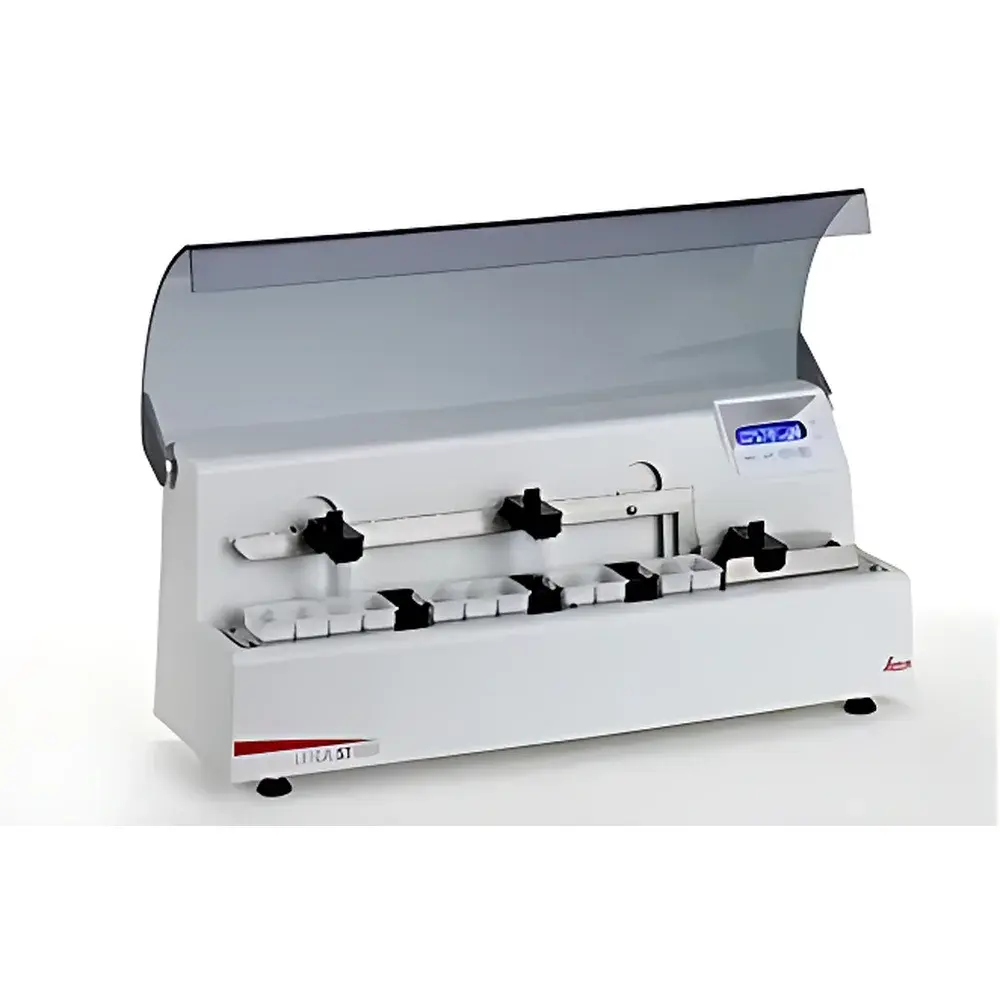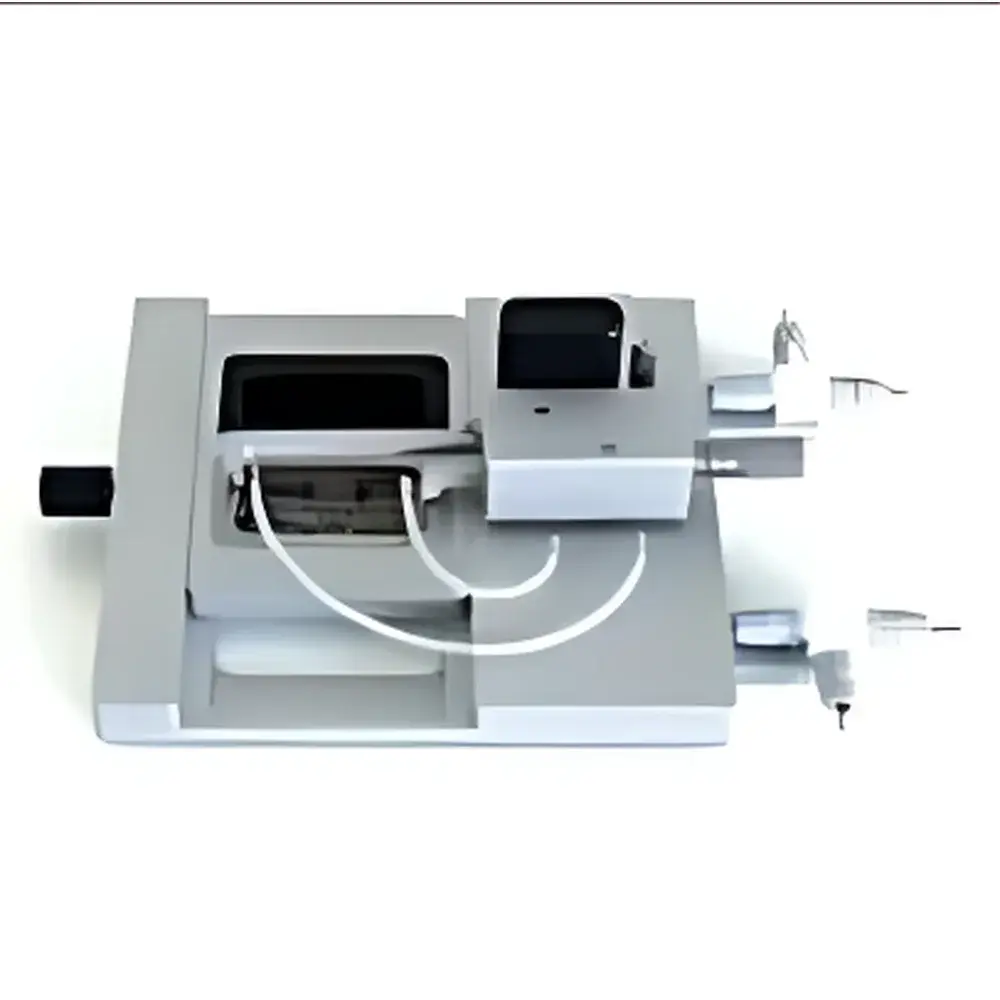
Brookfield 115FP Rapid Cryo-Fixation System for Pressurized Microvessel Diameter and Wall Thickness Measurement
| Origin | USA |
|---|---|
| Manufacturer Type | Authorized Distributor |
| Origin Category | Imported |
| Model | 115FP |
| Pricing | Available Upon Request |
Overview
The Brookfield 115FP Rapid Cryo-Fixation System is a precision-engineered platform designed for the simultaneous application of controlled intraluminal pressure and ultra-rapid cryogenic fixation of isolated microvessels—enabling high-fidelity structural preservation for subsequent morphometric, immunohistochemical, and molecular analyses. Unlike conventional chemical fixation methods that induce artifactual swelling or contraction, the 115FP employs liquid nitrogen-cooled cryoprobe technology to achieve vitrification within milliseconds (<50 ms), arresting vascular geometry *in situ* at physiologically relevant pressure states (typically 10–120 mmHg). This capability is critical for quantifying pressure-dependent parameters such as lumen diameter, wall thickness, cross-sectional area, and wall-to-lumen ratio—key metrics in studies of myogenic tone, endothelial dysfunction, vascular remodeling, and pharmacological modulation of vascular smooth muscle.
Key Features
- Programmable pressure control module with digital feedback regulation (range: 0–200 mmHg; resolution: ±0.5 mmHg) integrated into the perfusion circuit
- High-speed cryoprobe assembly featuring rapid thermal transfer via direct contact with vessel segments mounted on a temperature-stabilized POM (polyoxymethylene) bath chamber
- Inert POM bath chamber rated for continuous operation from –196 °C (liquid nitrogen immersion) to +45 °C, resistant to organic solvents and fixatives including glutaraldehyde and paraformaldehyde
- Integrated resistive heating element with PID temperature control (±0.1 °C stability) for precise thermoregulation during pharmacological challenge experiments
- Modular mounting interface compatible with standard arteriograph-style cannulation rigs and pressure transducers (e.g., ADInstruments MLT0380)
- Compact benchtop footprint (W × D × H: 32 × 45 × 28 cm) with CE-marked electrical safety compliance and UL-listed power supply
Sample Compatibility & Compliance
The 115FP system is validated for use with isolated resistance arteries and small conduit vessels ≥60 µm in native external diameter—including mesenteric, cerebral, coronary, and renal arterioles. Vessels are mounted between dual glass micropipettes under no-flow or constant-flow conditions prior to pressurization. The system conforms to ASTM F2129-21 (standard guide for assessing vascular tissue integrity post-fixation) and supports experimental workflows aligned with ISO/IEC 17025:2017 requirements for method validation in preclinical vascular physiology labs. All materials in contact with biological samples comply with USP Class VI biocompatibility standards, and the POM chamber meets FDA 21 CFR 177.2475 for repeated-use medical device components.
Software & Data Management
The 115FP operates as a hardware-integrated subsystem within third-party acquisition platforms (e.g., LabChart v8+, Spike2, or custom MATLAB-based pipelines) via TTL-triggered synchronization signals. Pressure setpoints, cryo-trigger timestamps, and bath temperature logs are exported in CSV/TSV format with millisecond-level time stamps. Audit trails for all parameter changes—including user ID, timestamp, and value delta—are retained per GLP-compliant data archiving protocols. Optional integration with electronic lab notebooks (ELN) such as LabArchives or Benchling enables automated metadata tagging (e.g., vessel origin, pressure protocol, cryo-timepoint) for FAIR-compliant data management.
Applications
- Quantitative assessment of myogenic autoregulation across pressure gradients (e.g., pressure-diameter curves)
- Morphometric analysis of vascular remodeling in hypertension, diabetes, or aging models
- Correlation of functional responses (vasoconstriction/vasodilation) with preserved ultrastructure for TEM/SEM imaging
- Immunofluorescence localization of phosphorylated proteins (e.g., p-MYPT1, p-MLC20) in relation to wall stress distribution
- Validation of computational fluid dynamics (CFD) models using experimentally derived lumen geometry
- Pharmacological profiling of Rho-kinase, PKC, or NO-sGC pathway modulators under controlled mechanical loading
FAQ
What vessel sizes are compatible with the 115FP system?
Vessels with native external diameters ≥60 µm are optimal; successful cryo-fixation has been demonstrated for segments up to 1.2 mm in length and 300 µm in diameter when mounted on standard 40–60 µm inner-diameter micropipettes.
Can the system be used for flow-mediated dilation studies?
Yes—the pressure module supports constant-flow mode with real-time pressure compensation, enabling combined flow/pressure protocols prior to cryo-arrest.
Is the POM bath chemically compatible with aldehyde-based fixatives?
Yes—POM exhibits exceptional resistance to glutaraldehyde, formaldehyde, and osmium tetroxide at concentrations and exposure durations typical for vascular embedding protocols.
Does the system support automated cryo-triggering based on physiological thresholds?
Yes—external TTL inputs accept analog-to-digital triggers from physiological monitors (e.g., onset of vasoconstriction exceeding 15% diameter reduction), enabling event-locked fixation without manual intervention.
What regulatory documentation is provided for GMP/GLP environments?
Each unit ships with a Factory Acceptance Test (FAT) report, material traceability certificates for wetted components, and IQ/OQ templates compliant with Annex 11 and 21 CFR Part 11 for computerized system validation.