
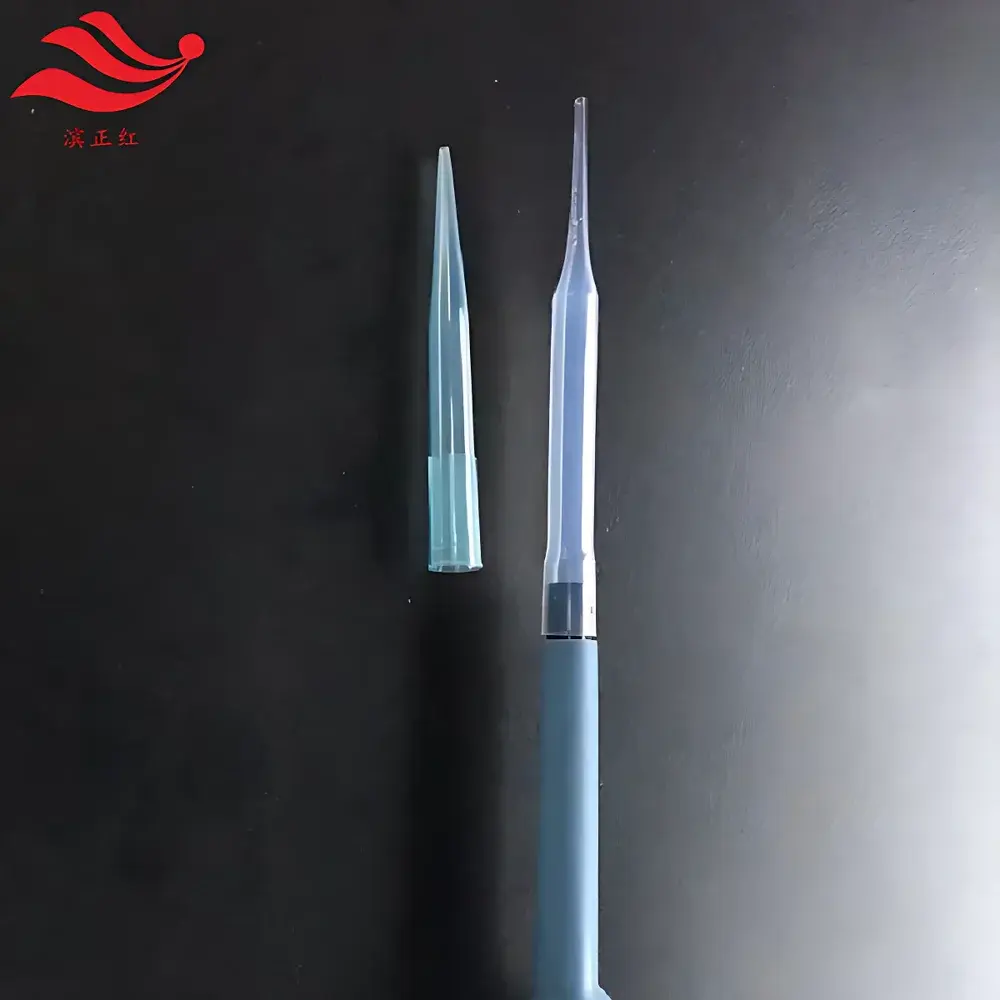
PFA Tip for Thermo Fisher, Eppendorf, and Dragon Lab Pipettes
| Brand | Binzhenghong |
|---|---|
| Origin | Jiangsu, China |
| Manufacturer Type | OEM/ODM Producer |
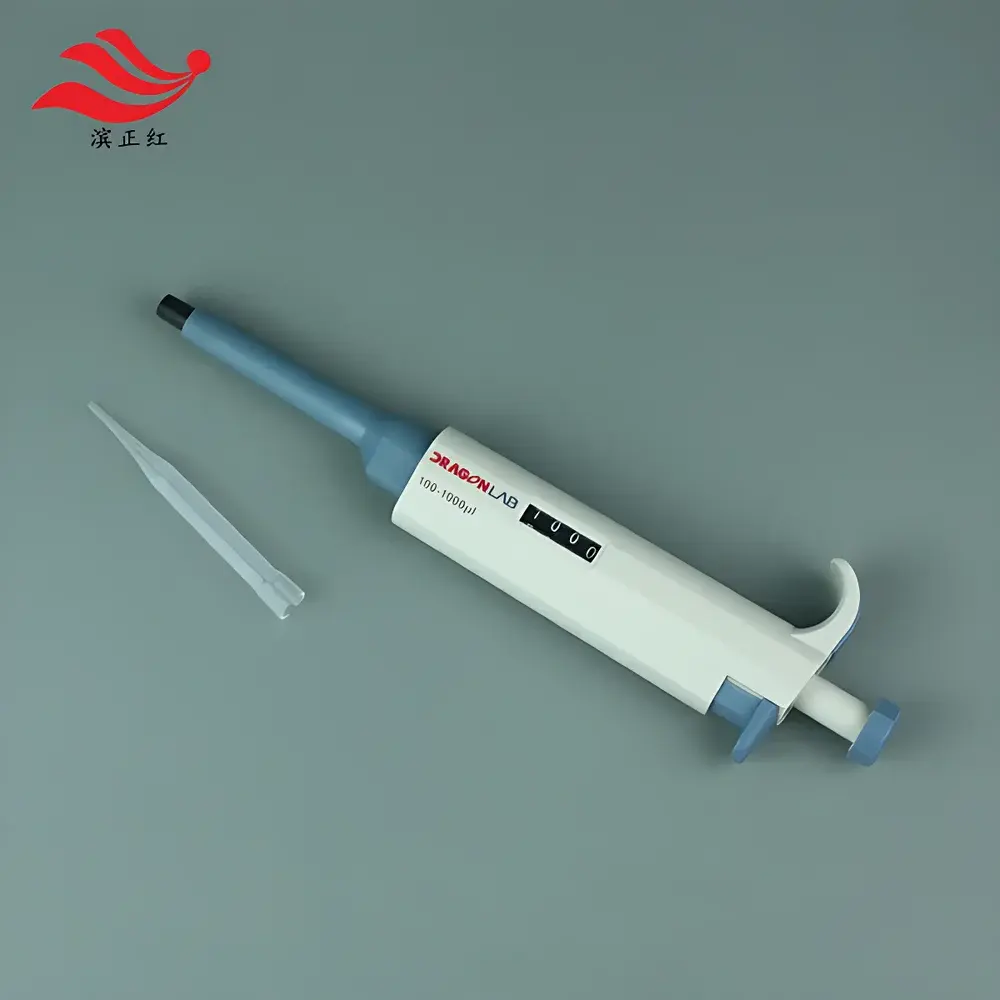
| Compatibility | Thermo Fisher (Finnpipette, Finntip), Eppendorf (Research Plus, Reference 2), Dragon Lab (TopPette, QuickDrop) |
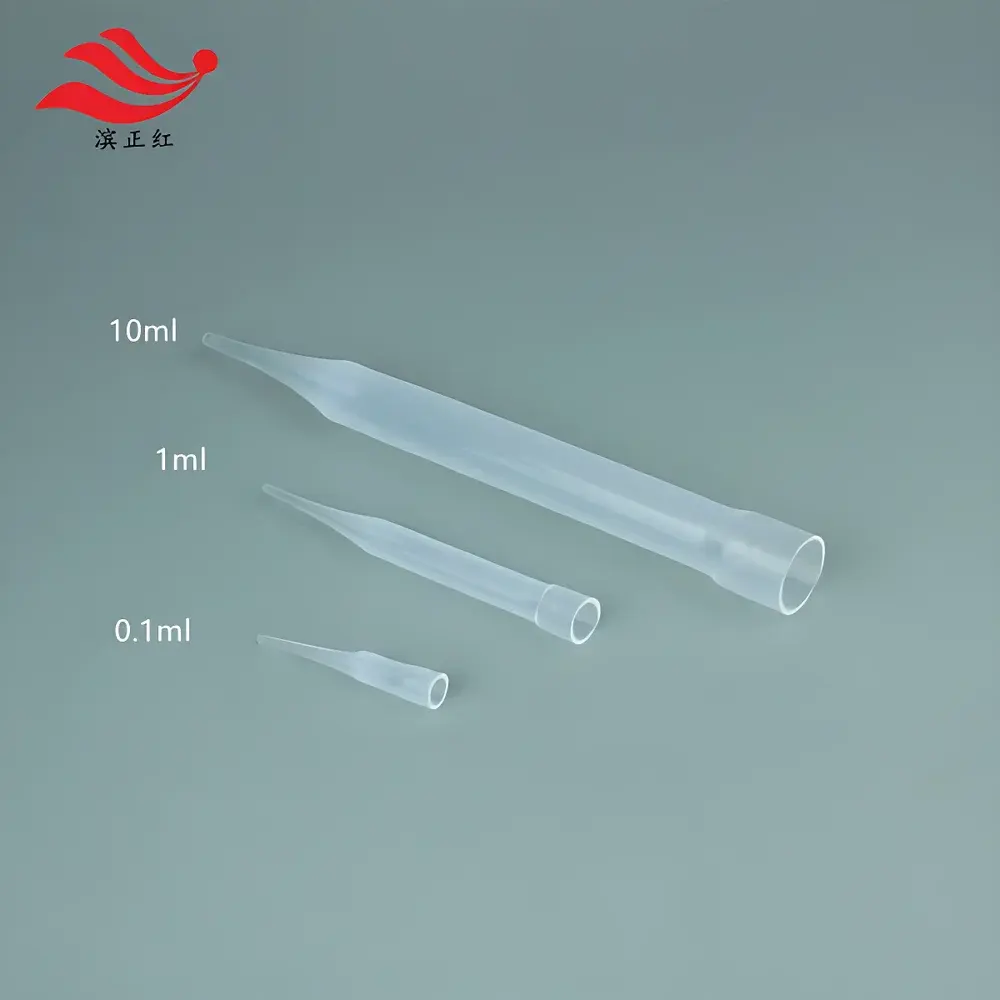
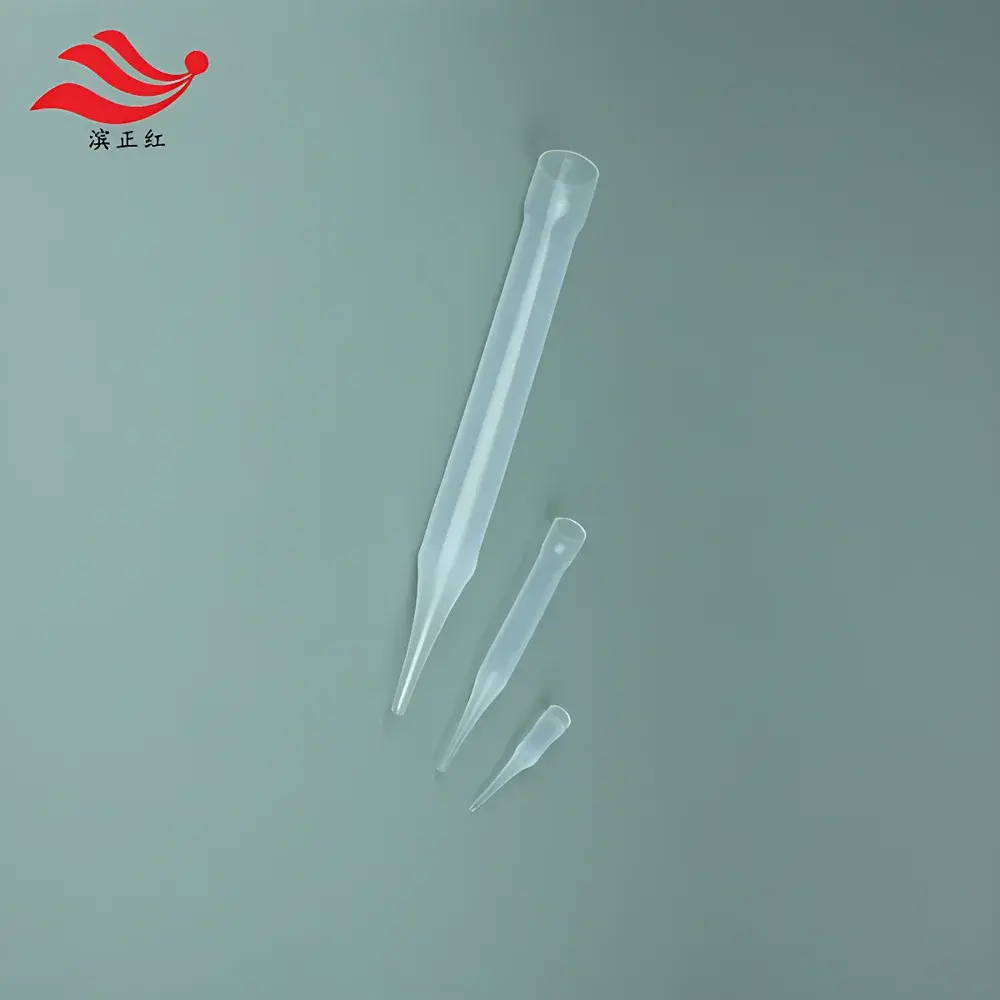
| Volumes | 0.1 mL, 0.2 mL, 1 mL, 2 mL, 5 mL, 10 mL |
| Material | Perfluoroalkoxy alkane (PFA), ASTM D3307-compliant |
| Sterility | Non-sterile (gamma-irradiated option available) |
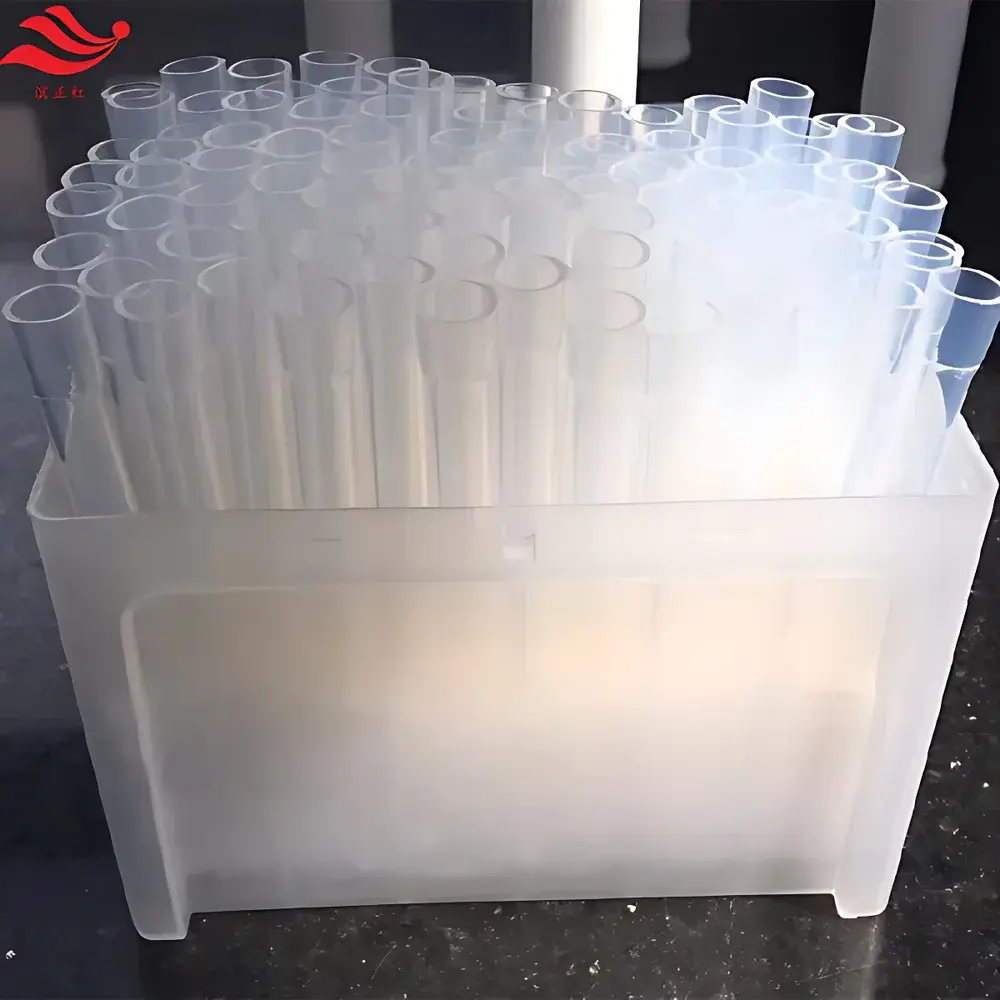
| Packaging | Bulk or racked (96-well format), ISO 8 cleanroom assembled |
| Endotoxin Level | <0.03 EU/mL (sterile version) |
| Autoclavable | Yes (121°C, 20 min, 15 cycles) |
Overview
PFA pipette tips are precision-engineered consumables designed for ultra-high chemical resistance, thermal stability, and ultralow extractables—critical for trace-level analysis, high-purity synthesis, and regulated bioanalytical workflows. Constructed from perfluoroalkoxy alkane (PFA), these tips exhibit superior inertness compared to polypropylene or standard fluorinated polymers, resisting aggressive solvents (e.g., concentrated HF, fuming nitric acid, hot KOH), high-temperature reagents (up to 260°C continuous use), and UV exposure without leaching or deformation. Unlike generic polypropylene tips, PFA tips maintain dimensional integrity across repeated autoclaving cycles and eliminate memory effects in sequential sample handling—ensuring reproducible dispensing accuracy in LC-MS, ICP-MS, radiochemistry, and semiconductor wafer cleaning protocols.
Key Features
- Universal Fit Design: Precision-molded conical geometry ensures secure, leak-free engagement with major OEM pipette systems—including Thermo Fisher Finnpipette Novus and Finntip lines, Eppendorf Research Plus and Reference 2 series, and Dragon Lab TopPette and QuickDrop platforms—without adapter requirements.
- Material Purity Assurance: Manufactured under ISO 8 (Class 100,000) cleanroom conditions using ASTM D3307-certified PFA resin; batch-tested for heavy metals (Pb, Cd, As, Hg < 1 ppb), sulfur compounds, and fluorinated volatiles via GC-MS and ICP-MS.
- Thermal & Mechanical Robustness: Withstands autoclaving at 121°C for 20 minutes over ≥15 cycles without tip deformation, seal degradation, or increased dead volume—validated per ISO 8655-3 Annex B.
- Low-Background Performance: Non-sterile versions meet USP Class VI biocompatibility standards; gamma-irradiated sterile variants (25 kGy) demonstrate endotoxin levels <0.03 EU/mL and DNase/RNase-free certification per CLSI EP22-A2.
- Volumetric Consistency: Tight tolerance control (±0.5% at nominal volume) across full range (0.1–10 mL), verified by gravimetric testing per ISO 8655-2 using certified reference fluids (density 0.9982 g/mL at 20°C).
Sample Compatibility & Compliance
These PFA tips are validated for use with corrosive, volatile, and ultra-dilute samples where polymer interference is unacceptable—including hydrofluoric acid etchants, organometallic catalysts, radiolabeled tracers (e.g., 18F, 99mTc), and nanoparticle dispersions. They comply with ISO 13485:2016 (medical device manufacturing), ASTM E2308-22 (trace metal analysis), and support GLP/GMP audit readiness through full lot traceability, CoA documentation, and raw material certifications. For pharmaceutical QC labs, the sterile variant supports FDA 21 CFR Part 11–compliant electronic record retention when used with validated pipette management software.
Software & Data Management
While PFA tips are passive consumables, their integration into digital lab ecosystems is enabled via compatibility with pipette calibration and usage tracking platforms—including Thermo Fisher’s Pipette+ Cloud, Eppendorf’s VisioNize Lab Suite, and Dragon Lab’s SmartCal system. Each production lot includes a QR-coded label linking to downloadable CoA, extractables profile reports (per USP ), and autoclave cycle validation summaries. Traceability data (resin lot, molding date, cleanroom shift log) is retained for 10 years per ISO 15189:2022 clause 5.9.2.
Applications
- High-sensitivity elemental analysis (ICP-OES/ICP-MS) requiring sub-ppt detection limits
- Radioisotope handling in nuclear medicine preparation labs (e.g., 68Ga-DOTATATE synthesis)
- Etching and cleaning of silicon wafers and MEMS devices using HF/HNO3/CH3COOH mixtures
- Stability-indicating assays for biologics exposed to acidic/basic stress conditions
- Preparation of calibration standards for environmental PFAS monitoring (EPA Method 537.1)
- Microfluidic device priming and reagent loading where surface adsorption must be minimized
FAQ
Are these PFA tips compatible with positive-displacement pipettes?
Yes—they are dimensionally optimized for both air-cushion and positive-displacement systems (e.g., Eppendorf Multipette, Thermo Fisher Finnpipette F1), though users should verify plunger travel depth alignment per ISO 8655-5 Annex C.
What is the maximum recommended autoclave cycle count?
Validation confirms structural and functional integrity up to 15 full cycles (121°C, 20 min, 103 kPa); beyond this, minor tip elongation may affect seal fidelity on certain pipette models.
Do you provide lot-specific extractables data?
Yes—each CoA includes GC-MS chromatograms and quantified results for 28 priority extractables (per USP Category 3), plus residual catalyst screening (Nb, Ta, Ti) from PFA polymerization.
Can these tips be used for cryogenic sample transfer?
Yes—PFA retains flexibility down to –200°C; however, rapid thermal cycling between cryo and ambient temperatures is not recommended due to differential contraction coefficients between PFA and pipette shaft materials.
Is custom packaging available for LIMS integration?
Yes—rack labeling with GS1-128 barcodes, RFID-enabled trays, and CSV/Excel-formatted lot metadata exports are supported under OEM agreements.



