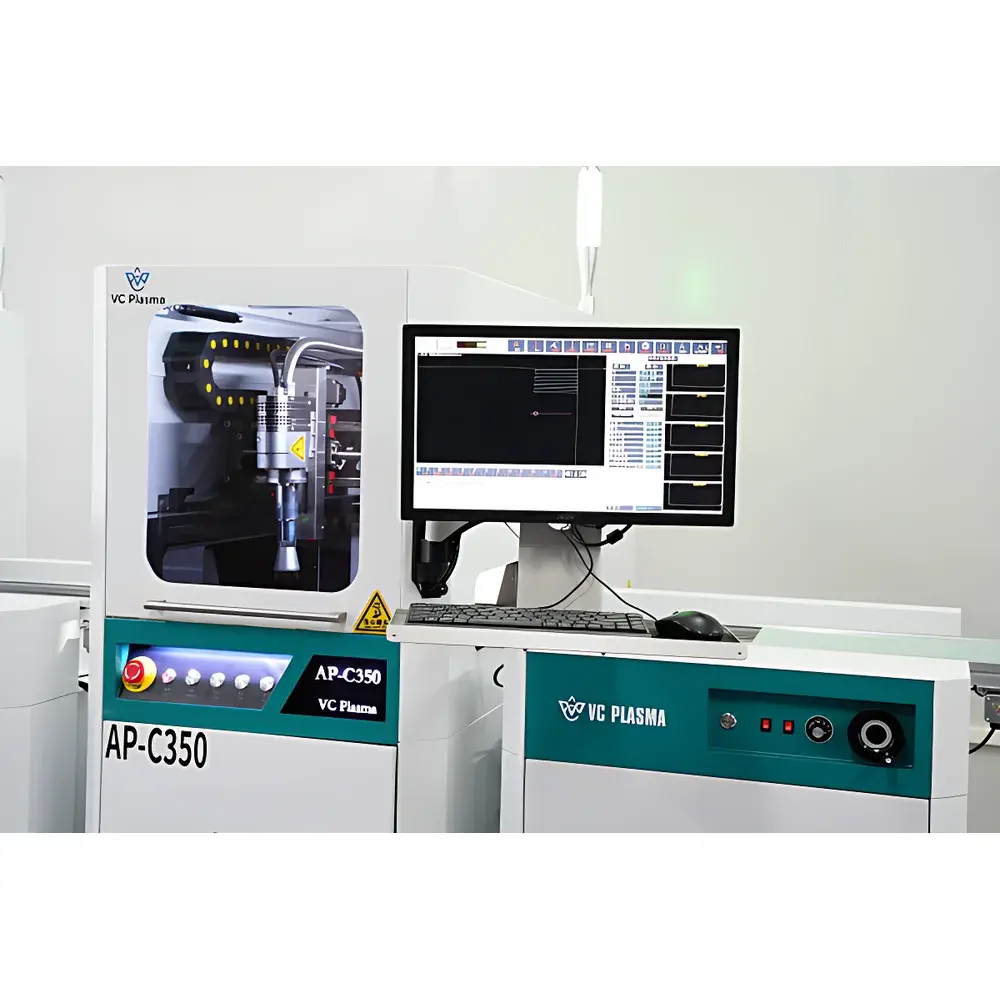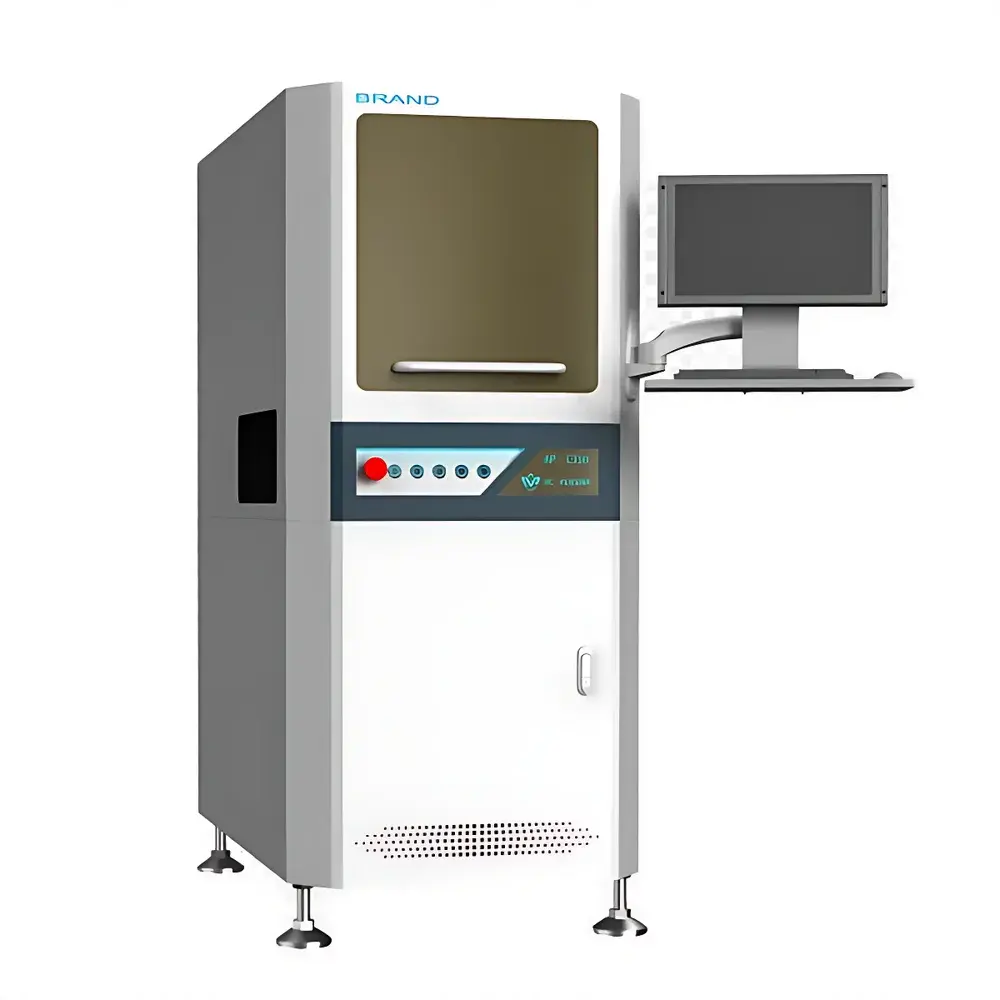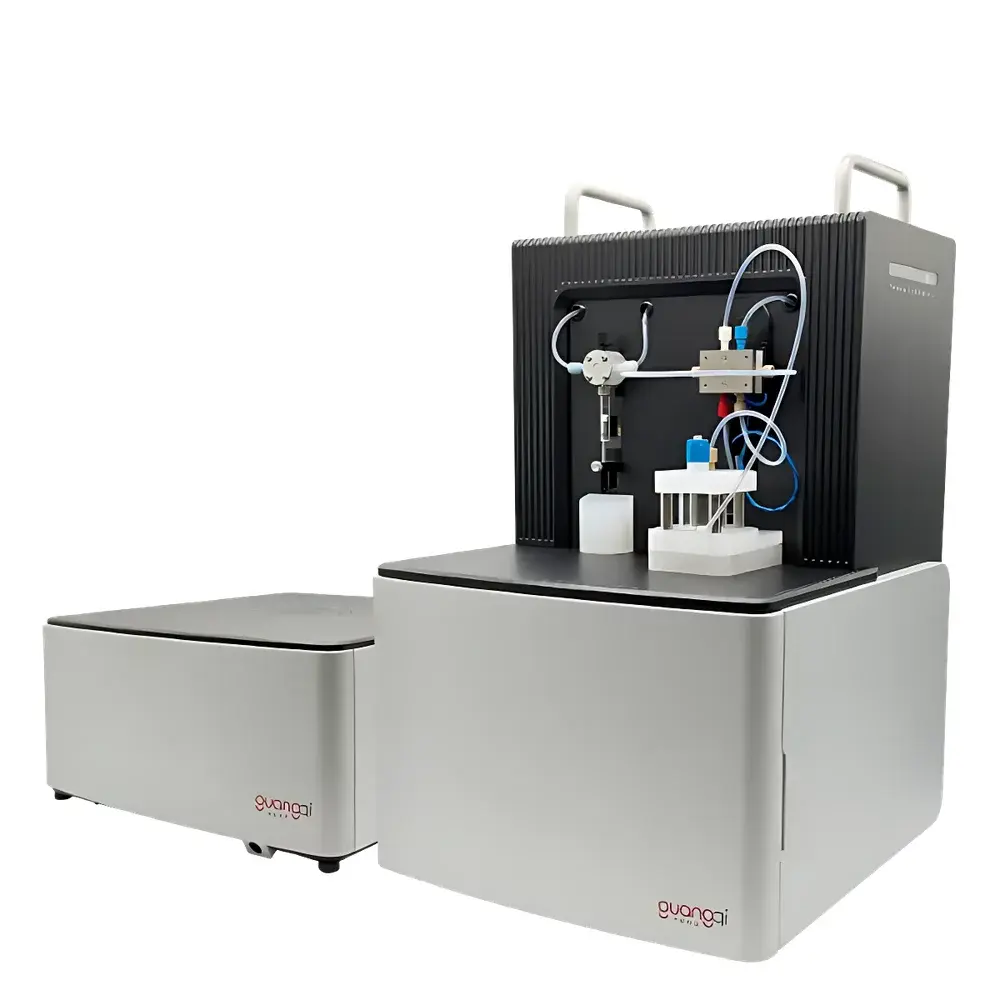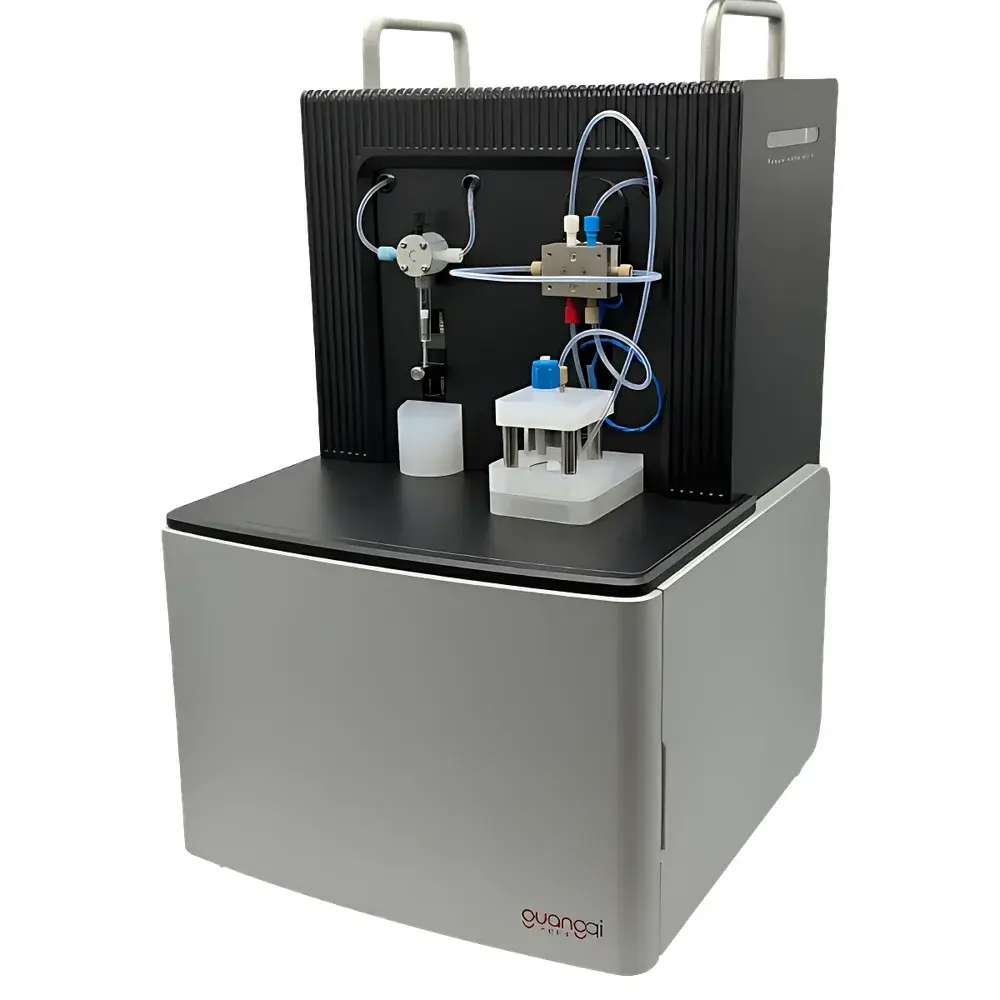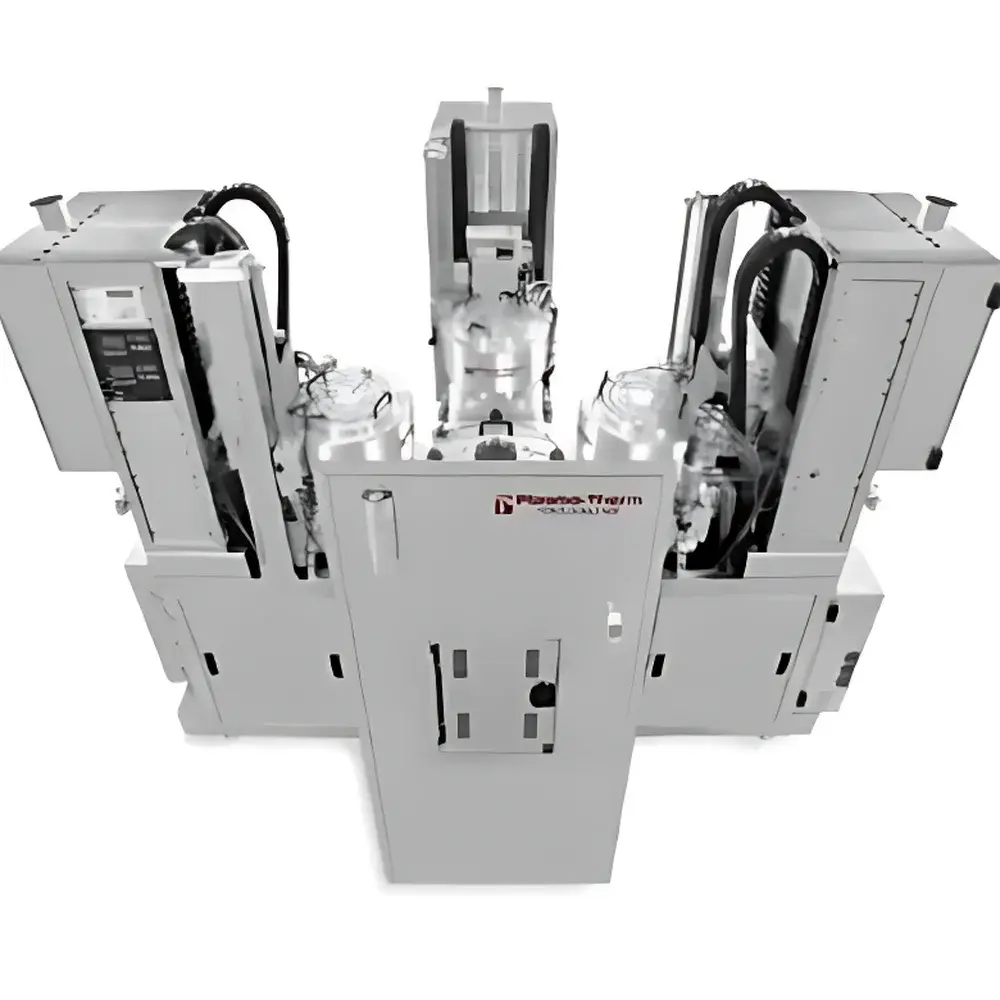
Plasma-Therm PECVD/HDPCVD Thin Film Deposition System
| Brand | Plasma-Therm |
|---|---|
| Origin | USA |
| Equipment Type | Imported Semiconductor CVD System |
| Model | PECVD Series |
| Heating Method | Hot-Wall |
| Application Domain | Semiconductor Fabrication, MEMS, III-V & Wide-Bandgap Devices (GaAs, SiC, CPV), LED, SOI, TSV |
Overview
The Plasma-Therm PECVD/HDPCVD Thin Film Deposition System is a high-precision, industrial-grade plasma-enhanced and high-density plasma chemical vapor deposition platform engineered for reproducible, low-damage thin film synthesis across 2” to 12” substrates. Leveraging parallel-plate capacitively coupled plasma (CCP) for standard PECVD operation—and optionally integrating inductively coupled plasma (ICP) or electron cyclotron resonance (ECR) sources for HDPCVD mode—the system enables precise control over film stoichiometry, stress, refractive index, and conformality. Designed specifically for semiconductor front-end-of-line (FEOL) and back-end-of-line (BEOL) processes, it supports critical dielectric (SiNx, SiOx, a-Si:H), passivation, and barrier layer deposition under tightly regulated thermal and plasma parameters. Its hot-wall heating architecture ensures uniform substrate temperature distribution (< ±3 °C across 8” wafers), minimizing thermal gradients that compromise film uniformity—a key requirement for advanced node integration and high-yield manufacturing.
Key Features
- Modular platform architecture supporting manual, semi-automated, and full cassette-to-cassette (C2C) automation configurations—scalable from R&D prototyping to pilot-line and high-volume production environments.
- Proprietary ceramic-heated reaction chamber with integrated real-time temperature mapping and closed-loop PID control—enabling stable thermal management during extended process runs.
- High-precision gas delivery system with mass flow controllers (MFCs) calibrated for SiH4, NH3, N2, O2, and other process gases; optional fast-switching manifold (patented) for sub-second gas transitions essential for multi-layer stack fabrication.
- Advanced endpoint detection via optical emission spectroscopy (OES) with real-time spectral analysis—supporting both continuous monitoring and discrete step-based endpoint recognition for etch/deposition interface control.
- Robust hardware-software co-design: fully integrated motion control, RF impedance matching, and plasma diagnostics—all managed through Plasma-Therm’s proprietary Process Control Interface (PCI) software suite.
- Compliance-ready architecture: supports audit trails, user access levels, electronic signatures, and data logging aligned with FDA 21 CFR Part 11 and ISO 9001 quality system requirements.
Sample Compatibility & Compliance
The system accommodates substrates from 50 mm (2”) to 300 mm (12”) in diameter—including silicon, GaAs, SiC, sapphire, quartz, and SOI wafers—with compatibility for both bare and patterned surfaces. It meets SEMI S2/S8 safety standards and is certified for Class 100 cleanroom operation. All wetted materials comply with ASTM F2627 (high-purity semiconductor processing components), and chamber liners are fabricated from anodized aluminum or high-purity alumina to minimize metallic contamination. Process recipes are validated per JEDEC JESD22-A108 (temperature cycling) and IPC-TM-650 (film adhesion/stress testing), ensuring reliability for automotive-grade and aerospace-qualified devices.
Software & Data Management
The PCI software provides full recipe-driven operation, including multi-step deposition sequences with independent control of RF power, pressure, temperature, and gas flows per step. Data acquisition captures time-synchronized signals from OES, RF forward/reflected power, chamber pressure, and thermocouple readings at ≥10 Hz sampling rate. Raw datasets are stored in HDF5 format with embedded metadata (operator ID, timestamp, lot number, equipment ID) for traceability. Export options include CSV, MATLAB .mat, and direct integration with MES platforms via SECS/GEM protocol. Audit logs record all parameter modifications, user logins, and alarm events—retained for ≥12 months as required under GLP and GMP frameworks.
Applications
- Semiconductor FEOL: Low-stress SiNx capping layers for gate stacks; SiO2 interlayer dielectrics in FinFET and nanosheet architectures.
- BEOL & TSV: Conformal SiCN diffusion barriers and TaN/Ta liners for copper metallization; high-aspect-ratio dielectric fill in through-silicon vias.
- MEMS & Sensors: Stress-engineered SiNx membranes for resonant structures; AlN piezoelectric films for RF filters and ultrasonic transducers.
- Compound Semiconductors: Hydrogenated amorphous silicon (a-Si:H) antireflection coatings on GaAs solar cells; high-k Al2O3 gate oxides on SiC power MOSFETs.
- LED & Photonics: SiO2/SiNx passivation stacks for GaN-on-sapphire epitaxial wafers; low-absorption SiO2 cladding layers in integrated photonic circuits.
FAQ
What wafer sizes does the Plasma-Therm PECVD/HDPCVD system support?
Standard configurations accommodate 2”, 4”, 6”, 8”, and 12” substrates—with mechanical and electrical adaptations available for non-standard geometries such as square or rectangular dies.
Is the system qualified for use in ISO Class 5 cleanrooms?
Yes—fully compliant with ISO 14644-1 Class 5 specifications when installed with appropriate air filtration, grounding, and exhaust interface per facility requirements.
Can the system be integrated into an existing factory automation infrastructure?
It supports SECS/GEM, HSMS, and Ethernet/IP protocols for seamless communication with host MES, AMHS, and equipment monitoring systems.
Does Plasma-Therm provide process qualification support?
Yes—application engineers offer on-site process development, DOE-based optimization, and full qualification reports aligned with JEDEC, SEMI, and internal fab release criteria.
What maintenance intervals are recommended for the RF generator and vacuum system?
Preventive maintenance is scheduled every 1,000 operating hours for RF matching networks and every 2,000 hours for turbomolecular pumps, per Plasma-Therm’s documented PM checklist and service bulletins.
Related Products