
Plit Instrument PTN-S400 & PTN-S500 Miniature Plankton Nets
| Origin | Beijing, China |
|---|---|
| Manufacturer Type | Authorized Distributor |
| Models | PTN-S400 / PTN-S500 |
| Quotation | Available Upon Request |
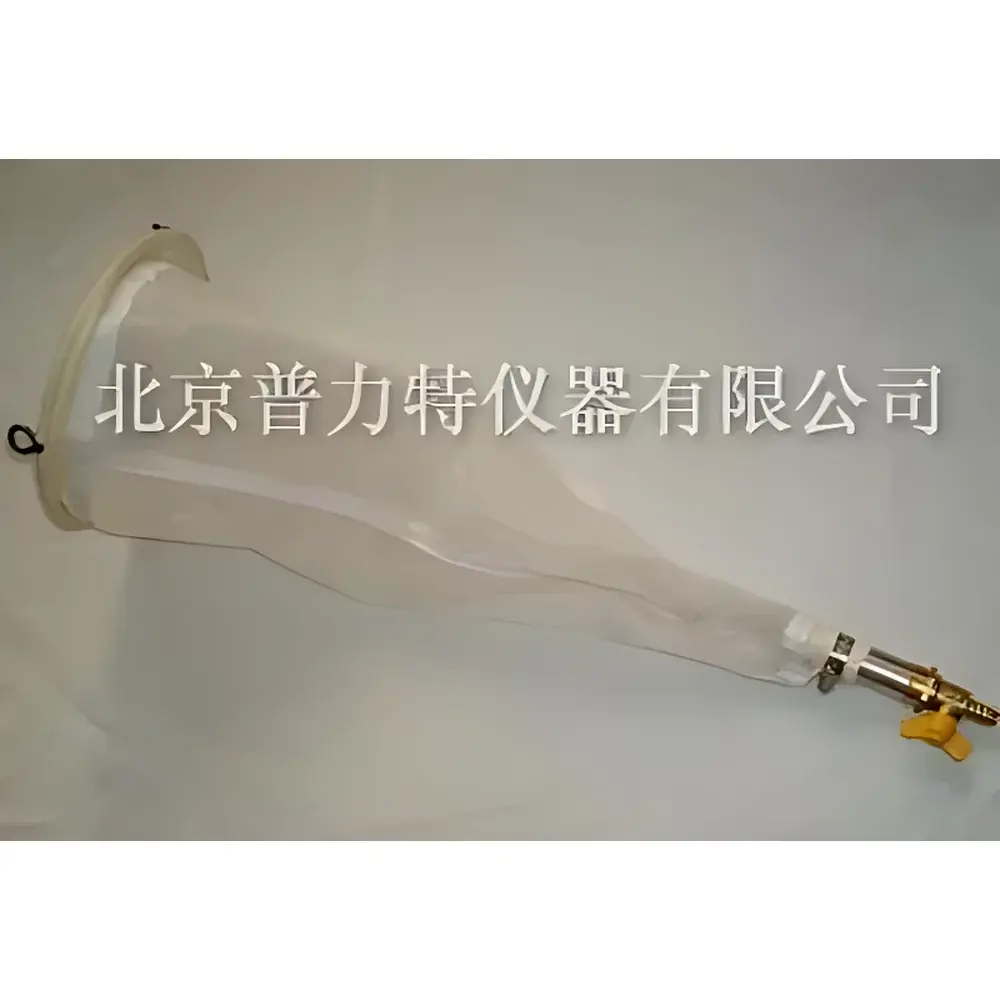
| Net Length | 50 cm |
| Ring Inner Diameter | 20 cm |
| Mesh Aperture | 35 µm (PTN-S400) / 20 µm (PTN-S500) |
| Frame Material | Anodized Aluminum Alloy |
| Bottom Tube Valve | Brass |
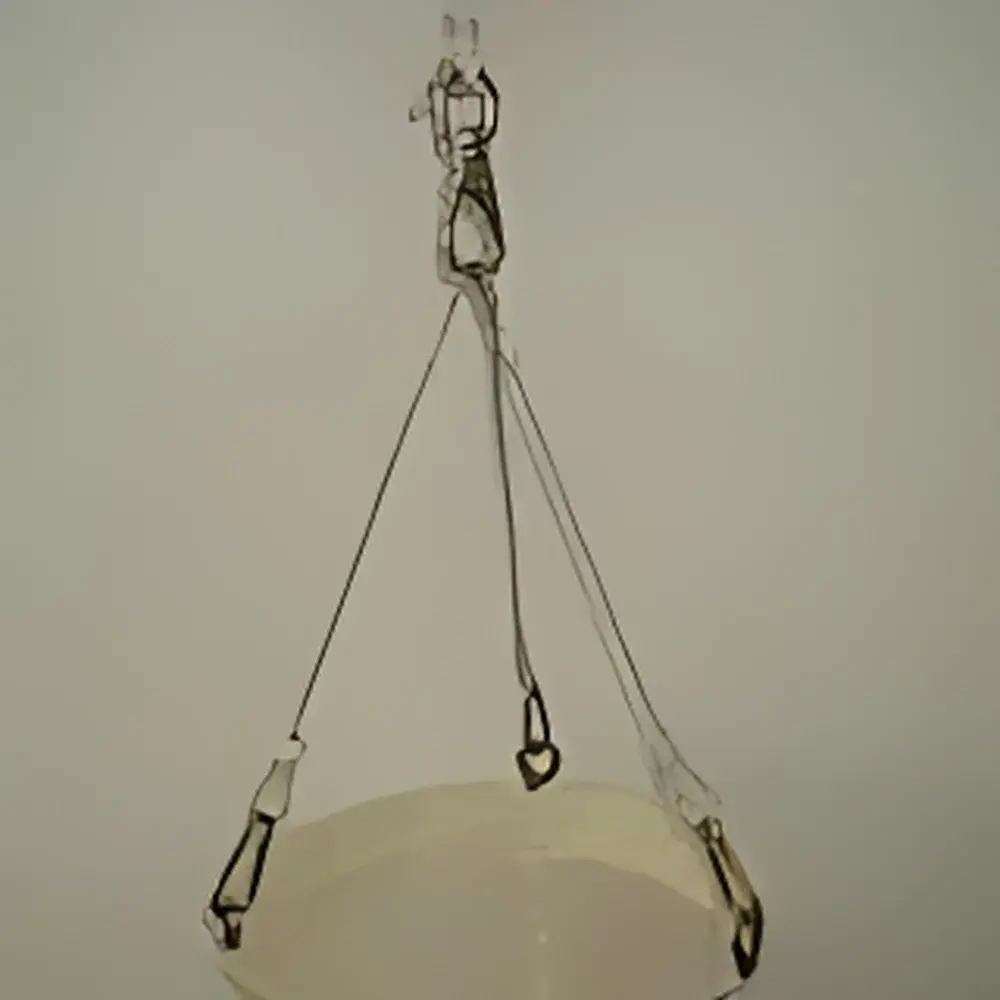
| Optional Wire Rope | Ø3 mm PVC-coated stainless steel wire rope with Ø4 mm stainless steel snap-lock carabiner |
Overview
The Plit Instrument PTN-S400 and PTN-S500 Miniature Plankton Nets are precision-engineered passive filtration devices designed for quantitative collection of microplankton—including dinoflagellates, chrysophytes, cryptophytes, and other phytoplankton and protozoan taxa—in freshwater, estuarine, and coastal marine environments. These nets operate on the principle of horizontal or vertical towing filtration, where water is drawn through a conical mesh under controlled flow conditions, enabling size-fractionated retention of organisms within defined sieve cutoffs. The PTN-S400 features a 35 µm monofilament nylon mesh, optimized for capturing larger microplankton and early-stage zooplankton larvae; the PTN-S500 employs a 20 µm imported mesh—certified to ISO 565:2019 specifications—suitable for fine-scale phytoplankton community analysis, including picoplankton-associated bacteria and small flagellates. Both models integrate a rigid anodized aluminum ring and tapered body geometry to minimize flow distortion and ensure laminar passage across the full mesh surface area. The brass valve-equipped bottom tube allows for sterile, leak-free sample recovery without cross-contamination or cell lysis—critical for subsequent microscopy, flow cytometry, DNA metabarcoding, or pigment-based HPLC analysis.
Key Features
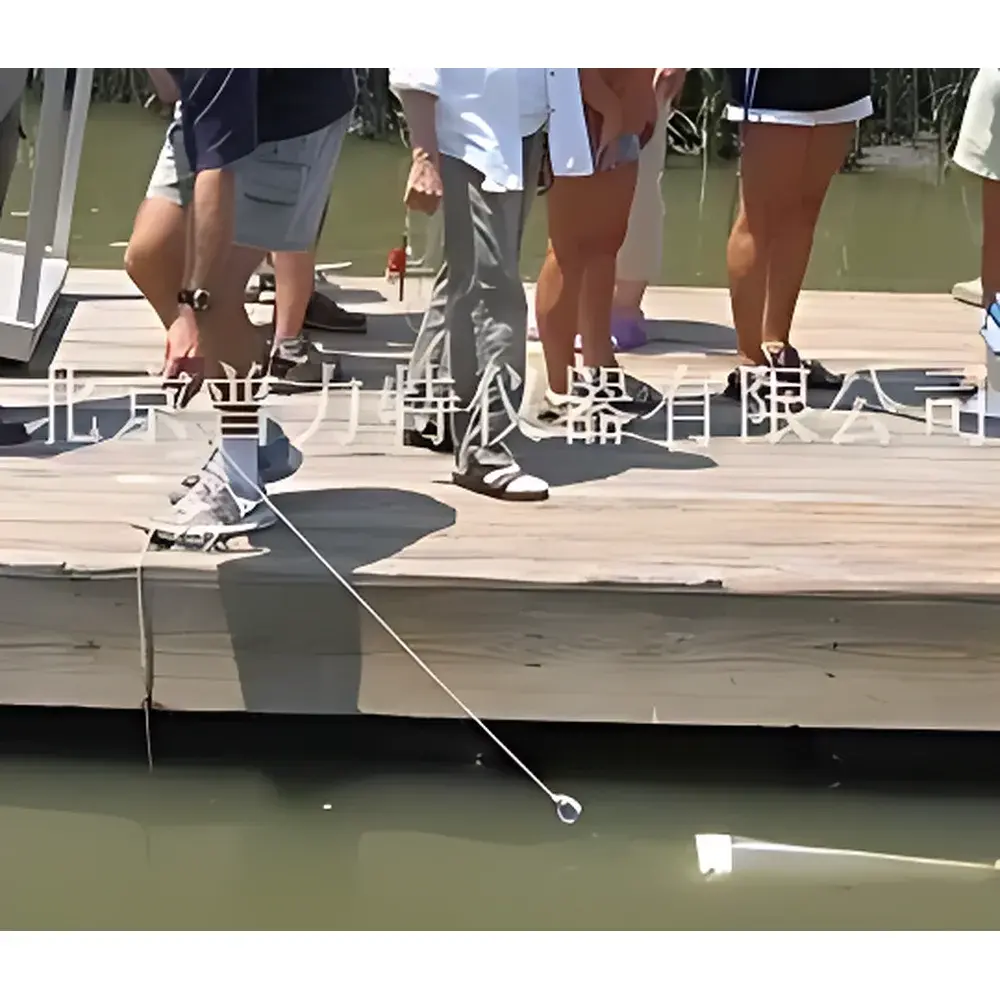
- Conical net geometry with 50 cm total length and 20 cm inner-diameter aperture ensures optimal hydrodynamic performance during low-velocity tows (0.2–1.0 m/s)
- High-tensile, UV-stabilized nylon mesh with certified pore uniformity (±2 µm tolerance per ISO 3310-1); PTN-S500 mesh sourced from EU-certified supplier
- Anodized aluminum alloy frame resists corrosion in saline and brackish matrices; compatible with long-term deployment in pH 6.0–8.5 aquatic systems
- Brass bottom valve with silicone O-ring seal enables quantitative transfer of retained biomass into sterile centrifuge tubes or cryovials
- Modular design supports interchangeable mesh replacement and field recalibration using NIST-traceable micrometer gauges
- Optional PVC-coated stainless steel wire rope (Ø3 mm) with snap-lock carabiner (Ø4 mm, ASTM F2577-compliant) facilitates secure attachment to winch systems or handheld deployment frames
Sample Compatibility & Compliance
These nets are validated for use in compliance with EPA Method 445.1 (Chlorophyll a Determination), ISO 14442:2021 (Water Quality — Sampling of Phytoplankton), and ASTM D5116-22 (Standard Guide for Small-Scale Environmental Simulation). The 20 µm and 35 µm cutoffs align with the Utermöhl sedimentation classification framework and support tiered plankton monitoring protocols required by national lake and reservoir assessment programs (e.g., US EPA NLA, EU WFD Annex V). All wetted components meet FDA 21 CFR §177.1520 for indirect food contact, ensuring suitability for environmental samples destined for ecotoxicological or human health risk assessment workflows. No lubricants, adhesives, or leachable polymers are used in construction—eliminating interference in trace metal or organic contaminant co-sampling scenarios.
Software & Data Management
While the PTN series is a manual, non-electronic sampling tool, it integrates seamlessly into digital environmental data ecosystems. Each unit ships with a unique serial number and calibration certificate (traceable to NIM Beijing), supporting LIMS-compatible metadata tagging via Plit’s optional FieldLog Pro mobile application (iOS/Android). Users can log deployment depth, tow speed, duration, GPS coordinates, temperature, and salinity—automatically synchronizing with cloud-hosted platforms such as EQuIS, Aquarius, or custom PostgreSQL-based environmental databases. Audit trails comply with ISO/IEC 17025:2017 documentation requirements for accredited laboratories conducting GLP-compliant phytoplankton surveys.
Applications
- Baseline ecological monitoring of eutrophication-sensitive lakes and reservoirs
- Ballast water compliance screening (IMO G8/G9 guidelines) for non-indigenous microplankton species
- Time-series studies of harmful algal bloom (HAB) initiation dynamics, including Alexandrium, Karenia, and Pseudo-nitzschia spp.
- Validation of in situ fluorometric or imaging flow cytometer (IFCM) deployments
- Education and training in limnology and marine biology field methods (ASTM D7777-19 aligned)
- Pre-concentration step prior to next-generation sequencing (NGS) of eDNA/eRNA from water columns
FAQ
What is the recommended towing speed for optimal microplankton retention?
For the PTN-S400 and PTN-S500, a maximum tow velocity of 0.8 m/s is advised to maintain >92% capture efficiency across the target size range; higher velocities may induce mesh deformation and particle bypass.
Can these nets be autoclaved?
No—nylon mesh degrades above 121 °C; however, chemical sterilization using 70% ethanol or 2% sodium hypochlorite (followed by triple deionized water rinse) is validated and documented in the user manual.
Is mesh pore size certified and test-report available?
Yes—each batch undergoes dry-sieve certification per ISO 3310-1; test reports including mean pore diameter, standard deviation, and cumulative retention curves are provided with shipment.
How is volume filtered calculated during vertical hauls?
Volume is derived from calibrated flow meters mounted in-line with the tow cable or estimated via the “cylinder method” (π × r² × depth × filtration efficiency factor), with correction factors supplied in Appendix B of the technical manual.
Are replacement meshes and valves available as spare parts?
Yes—Plit Instrument maintains global inventory of OEM-certified spares, including 20 µm, 35 µm, and 10 µm mesh variants, brass valves with PTFE seals, and anodized replacement rings (P/N: PTN-R20-AL-ANOD).
Related Products







