
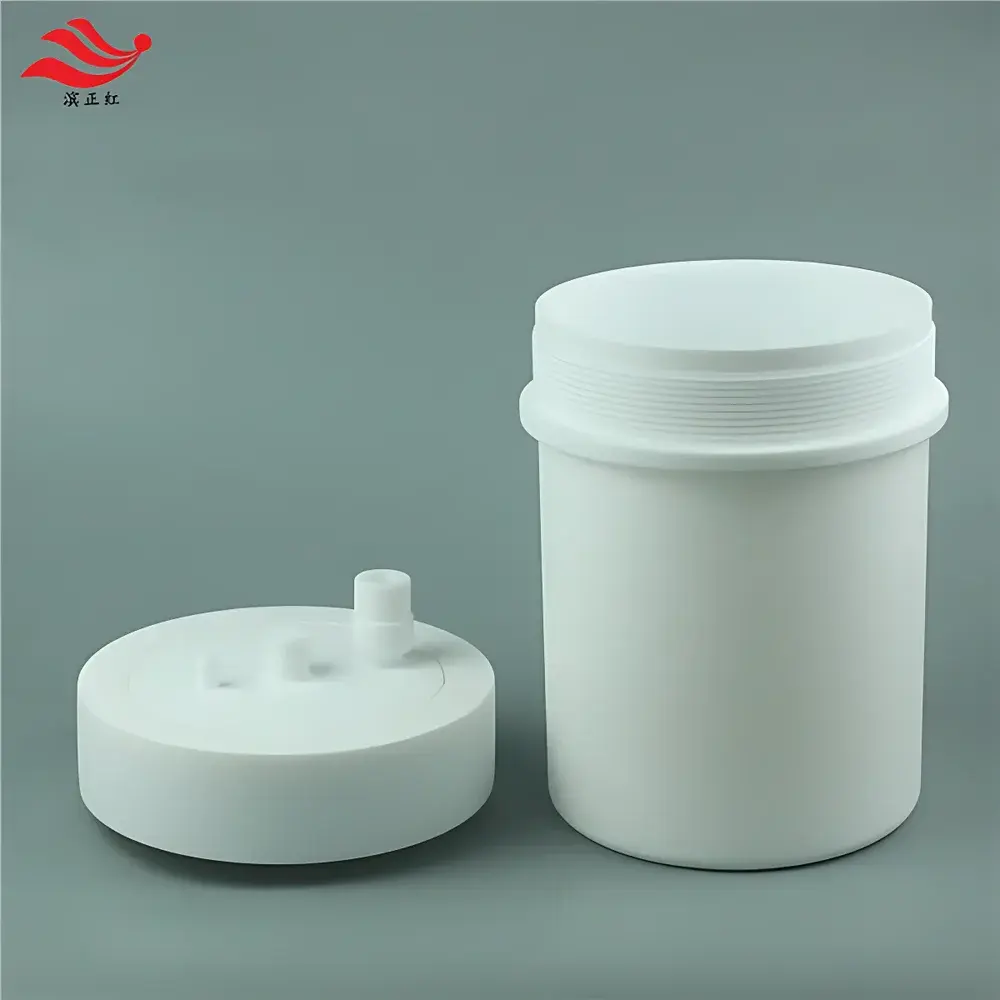
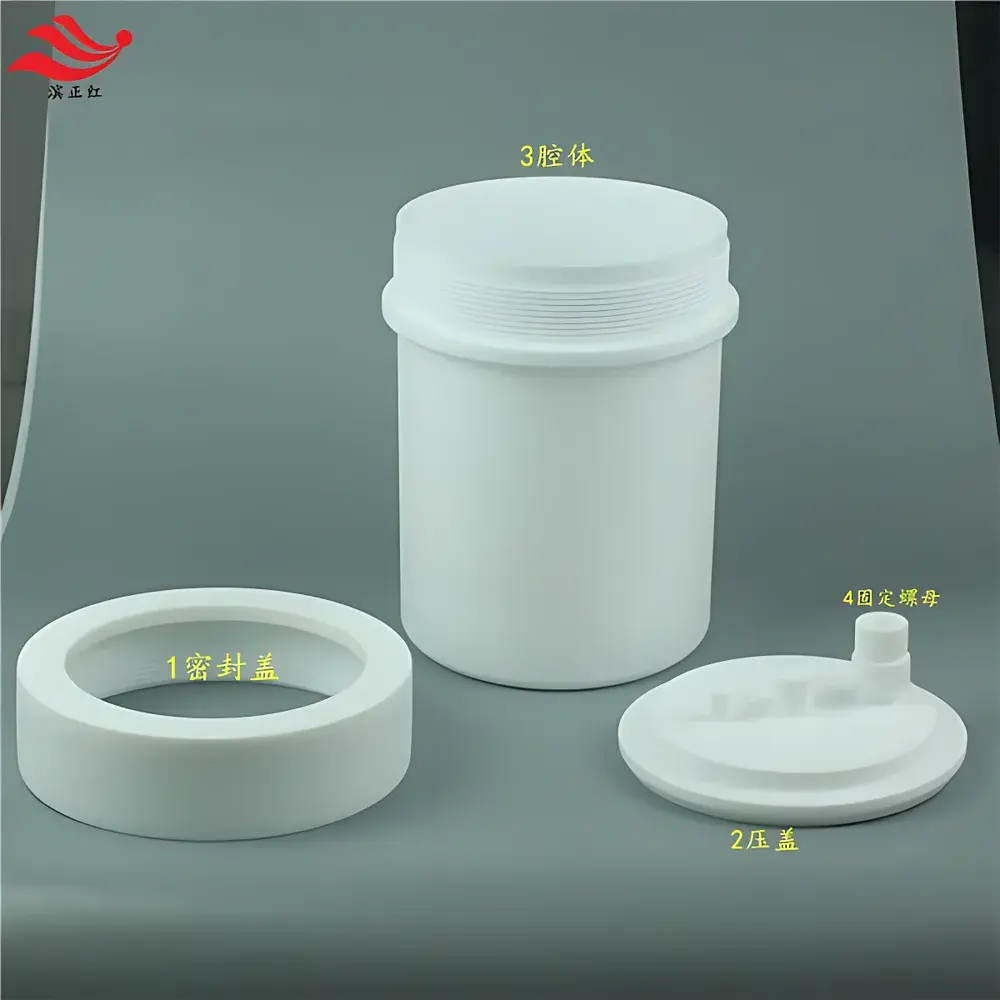
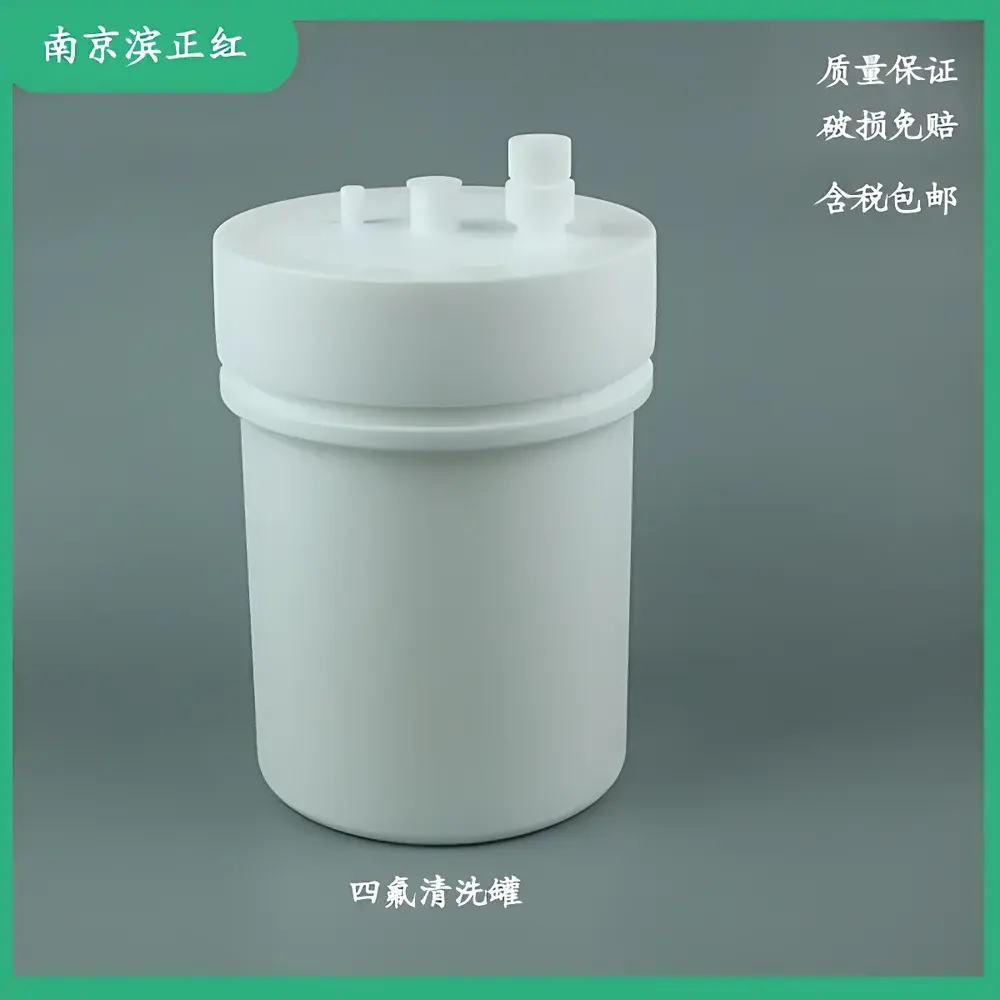
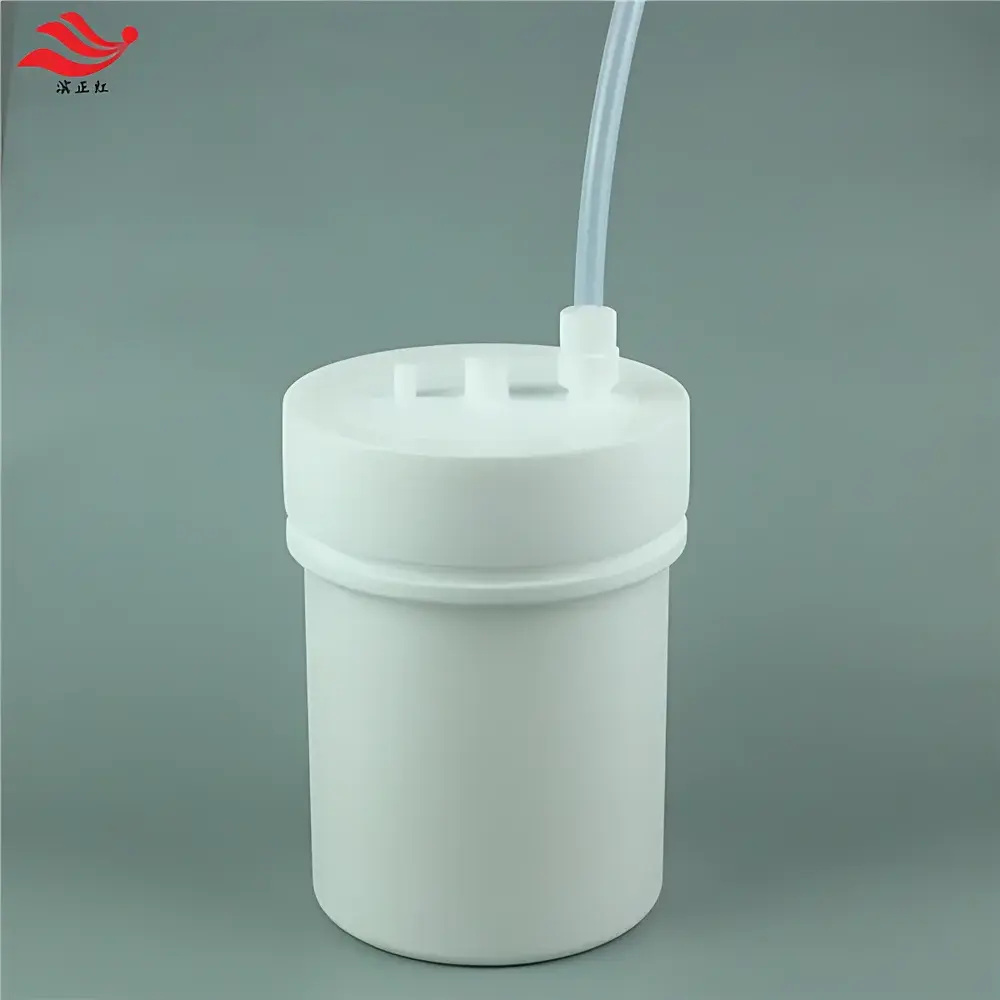
PTFE-4L Benchtop Acid Digestion Cleaning Vessel by Binzhenghong
| Brand | Binzhenghong |
|---|---|
| Origin | Jiangsu, China |
| Manufacturer Type | Direct Producer |
| Country of Origin | China |
| Model | PTFE-4L |
| Price | Upon Request |
| Material | High-Purity PTFE (≥99.99%) |
| Max Operating Temperature | 230 °C |
| Capacity | 4000 mL |
| Pressure Relief | Integrated Vent Valve |
| Drain Port | Removable PTFE Acid-Drain Fitting |
| Compliance | ASTM D4327, ISO 15586-1, USP <231> Trace Metals Testing Support |
Overview
The Binzhenghong PTFE-4L Benchtop Acid Digestion Cleaning Vessel is an engineered solution for unattended, low-volatility acid cleaning of laboratory glassware, quartzware, and metal components used in trace elemental analysis. Designed around the principle of sub-boiling acid leaching—where acidic solutions are heated to temperatures just below their boiling point—the system minimizes vapor pressure buildup while maximizing contaminant removal efficiency. Unlike conventional open-beaker acid digestion on hot plates, this sealed PTFE vessel operates under controlled thermal conditions, enabling continuous operation for up to 72–96 hours without manual intervention. Its all-PTFE construction ensures compatibility with hydrochloric, nitric, hydrofluoric, sulfuric, and perchloric acids at concentrations typically employed in EPA Method 200.2, ISO 17294-2, and CLP-compliant sample preparation workflows. The vessel’s geometry and thermal mass distribution support uniform heat transfer when placed on calibrated ceramic or aluminum-block heating platforms, reducing localized overheating risks.
Key Features
- Monolithic high-purity PTFE (≥99.99% fluoropolymer content) construction—no adhesives, gaskets, or metallic inserts—ensuring zero background contamination from leachables.
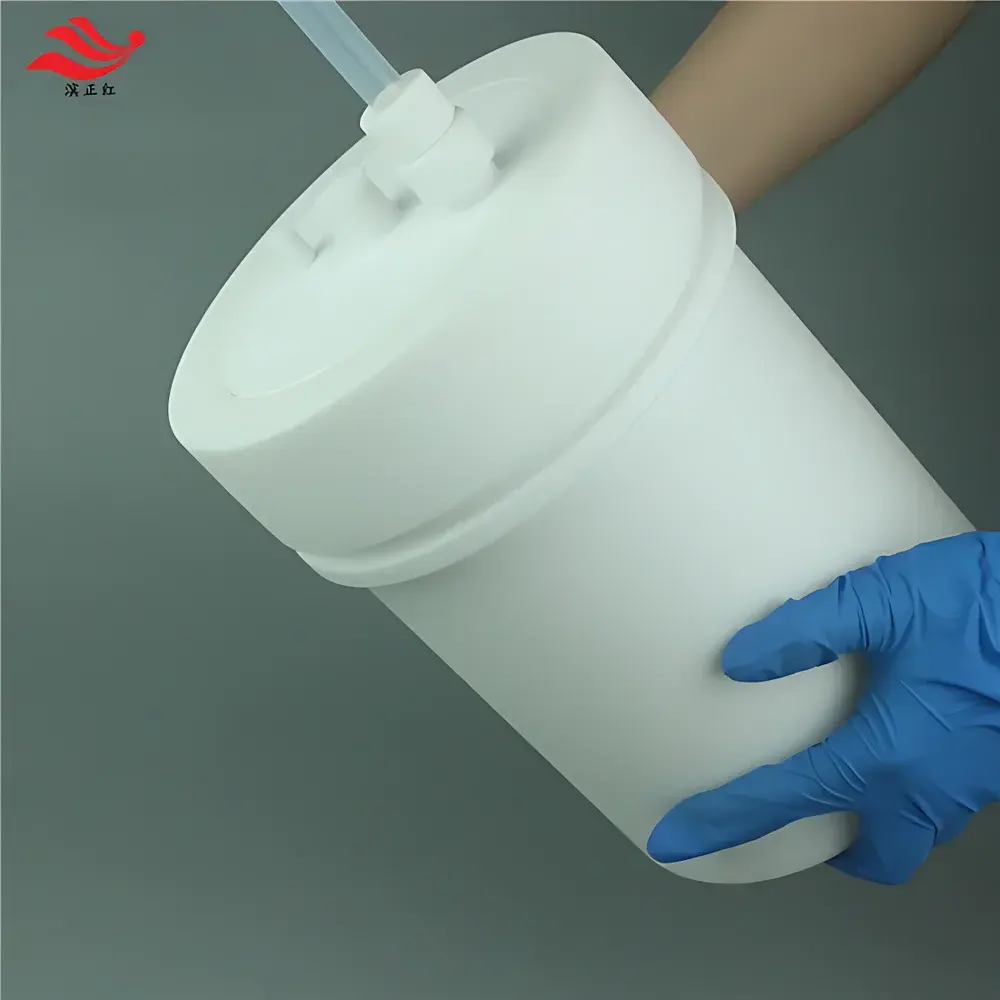
- Integrated vent valve with precision-threaded PTFE cap enables passive pressure equalization during heating; prevents over-pressurization while retaining acid vapors within the closed system.
- Removable PTFE drain port located at the base allows safe, drip-free acid decanting after cooling—eliminating pipetting or siphoning hazards associated with hot, corrosive liquids.
- Sealing mechanism employs dual O-ring grooves with compression-fit PTFE lid interface, validated for leak integrity at 0.5 bar differential pressure across 230 °C operating range.
- Thermal stability rated to 230 °C—exceeding the boiling points of HCl (110 °C), HNO₃ (122 °C), and HF (112 °C) at standard pressure—enabling accelerated cleaning kinetics without polymer degradation.
- Chemical resistance certified per ASTM D543 for immersion in concentrated mineral acids for ≥1000 hours without measurable swelling, weight loss, or surface etching.
Sample Compatibility & Compliance
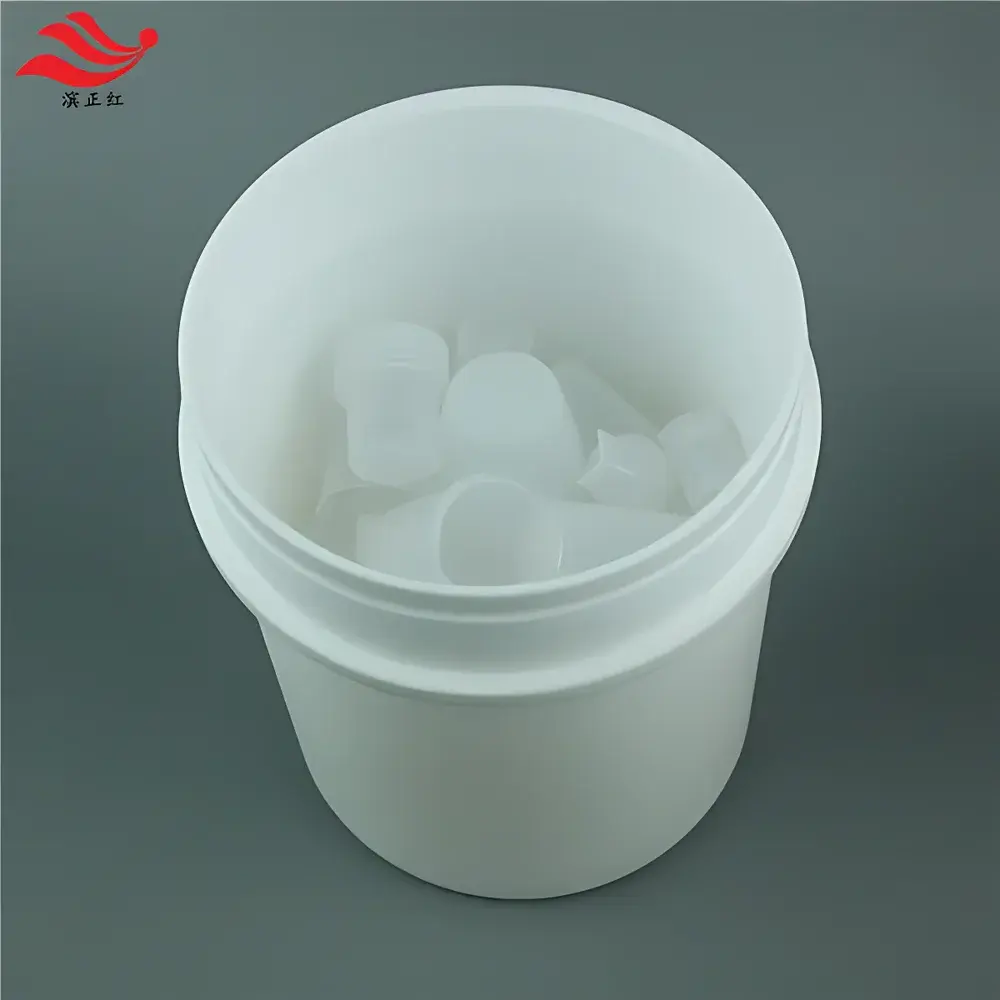
The PTFE-4L vessel accommodates standard laboratory items including volumetric flasks (up to 1000 mL), crucibles, digestion tubes, quartz cuvettes, and stainless-steel filters. Its 4000 mL internal volume permits batch processing of 12–24 small-volume vessels simultaneously. All wetted surfaces comply with USP Class VI biocompatibility standards and meet the material requirements outlined in FDA 21 CFR 177.1550 for fluoropolymer food-contact applications—providing assurance for trace-metal cleanroom protocols. The system supports GLP/GMP documentation workflows through compatibility with audit-trail-capable temperature loggers (e.g., DeltaTrak FlashLink) mounted externally on the vessel wall. It is routinely deployed in laboratories accredited to ISO/IEC 17025 for environmental testing (EPA SW-846), clinical toxicology (CAP checklist ANP.41520), and semiconductor-grade reagent certification (SEMI F57).
Software & Data Management
While the PTFE-4L vessel itself is a passive hardware platform, its operational parameters integrate seamlessly into digital lab infrastructure. When paired with programmable hot plates (e.g., Thermo Scientific Hotplate Stirrers with RS-232/USB output), temperature profiles can be logged and exported in CSV format for inclusion in electronic lab notebooks (ELN) such as LabArchives or Benchling. The vessel’s consistent thermal response time (<15 min to reach steady-state at 180 °C) enables reproducible ramp-and-hold cycles compliant with ASTM E2917 for thermal validation. Optional external PT100 probes inserted through the vent port allow real-time monitoring traceable to NIST-calibrated references—supporting 21 CFR Part 11–compliant data capture when used with validated acquisition software.
Applications
- Pre-cleaning of ICP-MS sample introduction systems (nebulizers, spray chambers, torches) to reduce polyatomic interferences from residual Na, K, Ca, and Al.
- Routine decontamination of borosilicate and fused-silica vials prior to ultratrace mercury (Hg) analysis by CV-AAS.
- Reconditioning of platinum crucibles used in fusion-based XRF sample preparation.
- Acid leaching of sediment and soil reference materials (e.g., NIST SRM 2710a) for certified element recovery studies.
- Validation of cleaning efficacy per ISO 15528 for coating substrates prior to SEM-EDS surface analysis.
FAQ
Can this vessel be used with hydrofluoric acid (HF)?
Yes—high-purity PTFE exhibits full resistance to HF across all concentrations and temperatures up to 230 °C. However, HF handling must follow institutional EH&S protocols, including calcium gluconate gel availability and dedicated fume hood use.
Is the vent valve adjustable for different acid volatility profiles?
No—the vent is a fixed-orifice, self-regulating design optimized for sub-boiling operation. It does not require calibration or user adjustment.
What is the expected service life under daily use?
When operated within specified thermal limits and cleaned post-use with deionized water, typical service life exceeds 5 years with no measurable change in dimensional stability or chemical resistance.
Does the vessel meet RoHS or REACH requirements?
Yes—PTFE raw material complies with EU Regulation (EC) No 1907/2006 (REACH) Annex XIV and Directive 2011/65/EU (RoHS 2), with full declaration of SVHCs available upon request.
Can it be sterilized in an autoclave?
No—autoclaving (121 °C, saturated steam) induces irreversible creep deformation in PTFE. Dry-heat sterilization at ≤200 °C for ≤2 hours is permissible but not recommended for routine use.



