
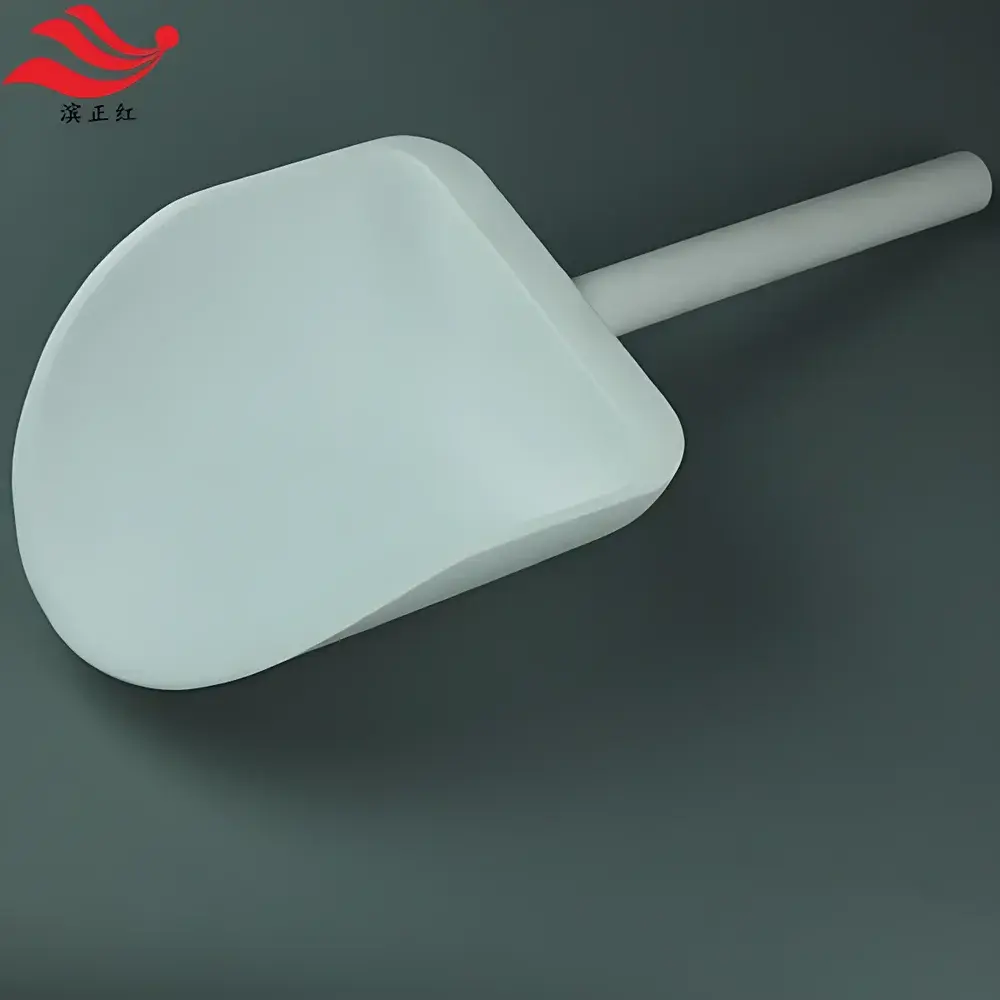
PTFE-Coated Scraping Blade for Wet Electronic Materials Handling
| Brand | Binzhenghong |
|---|---|
| Origin | Jiangsu, China |
| Manufacturer Type | Direct Producer |
| Country of Origin | China |
| Model | NJ-PTFE-CZ |
| Price Range | USD 42 – 280 |
Overview
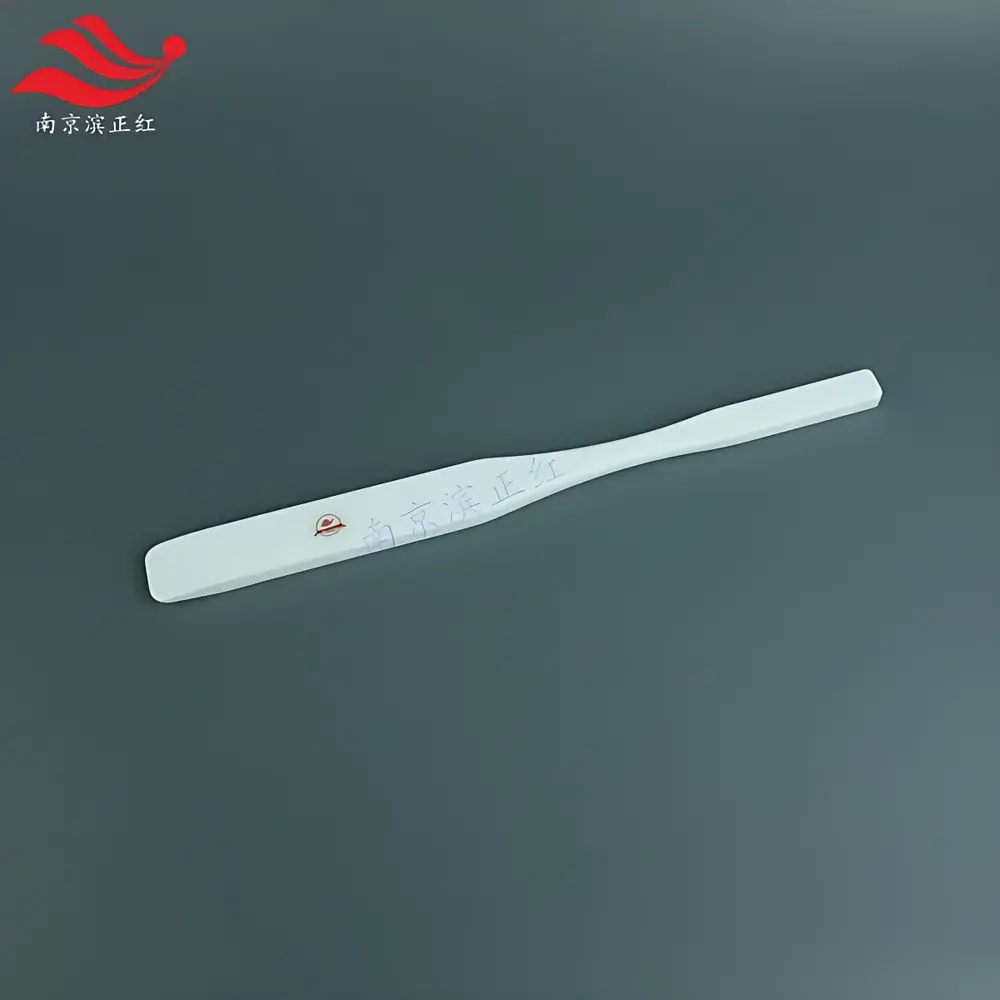
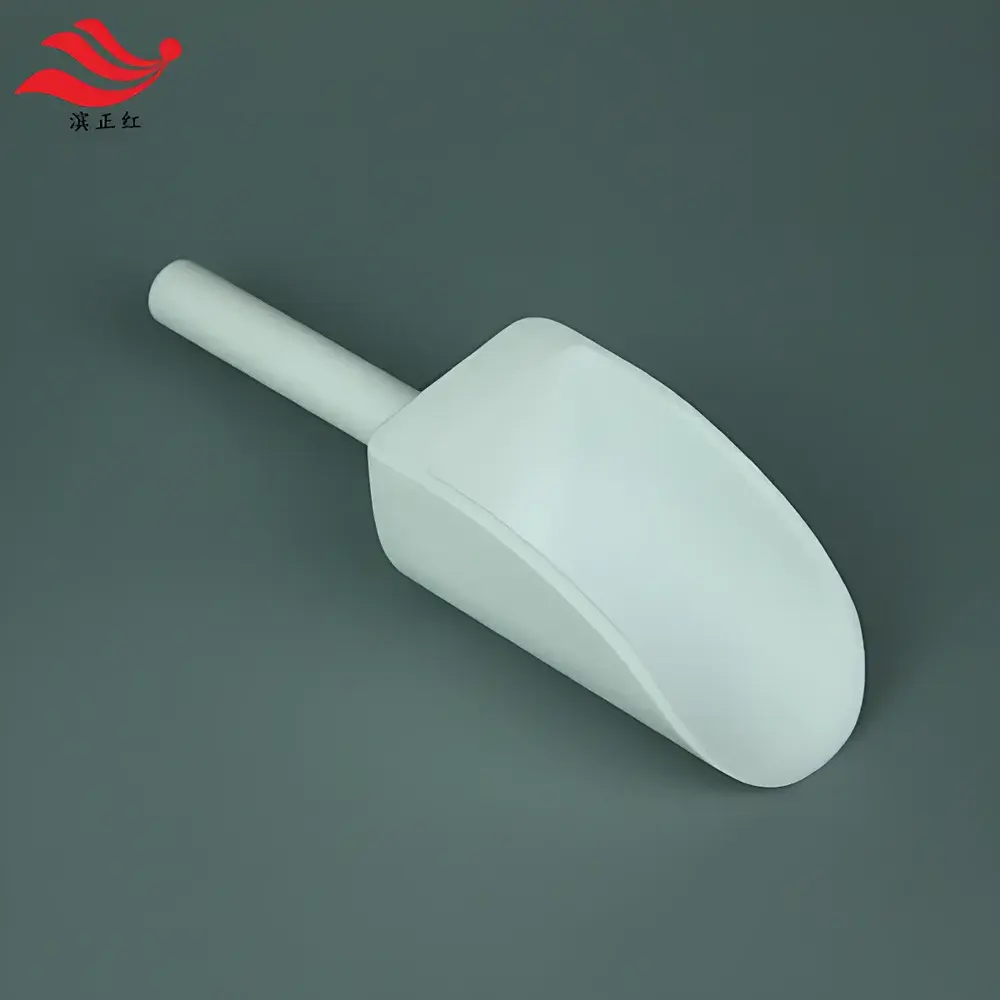
The Binzhenghong NJ-PTFE-CZ is a precision-engineered PTFE-coated scraping blade specifically designed for handling sensitive wet electronic materials in cleanroom and high-purity manufacturing environments. Unlike generic plastic or stainless-steel scrapers, this tool employs a fully fused, non-porous polytetrafluoroethylene (PTFE) surface layer bonded to a rigid yet compliant substrate—ensuring zero metal ion leaching, minimal particle generation (<0.1 µm per scrape under ISO Class 5 conditions), and chemical inertness toward aggressive solvents including NMP, DMF, GBL, and dilute HF solutions. Its operational principle relies on controlled mechanical displacement of viscous slurries, pastes, and photoresist dispersions without shear-induced degradation or interfacial contamination—critical for electrode slurry coating, thin-film uniformity control, and wafer-level material recovery in lithium-ion battery and semiconductor fabrication lines.
Key Features
- Monolithic PTFE working surface with ASTM D4894-compliant fluoropolymer integrity—no adhesive layers, no delamination risk under repeated thermal cycling (−20 °C to +150 °C)
- Dimensionally stable substrate engineered for low creep deformation; maintains edge geometry after >5,000 repetitive strokes in slurry-handling applications
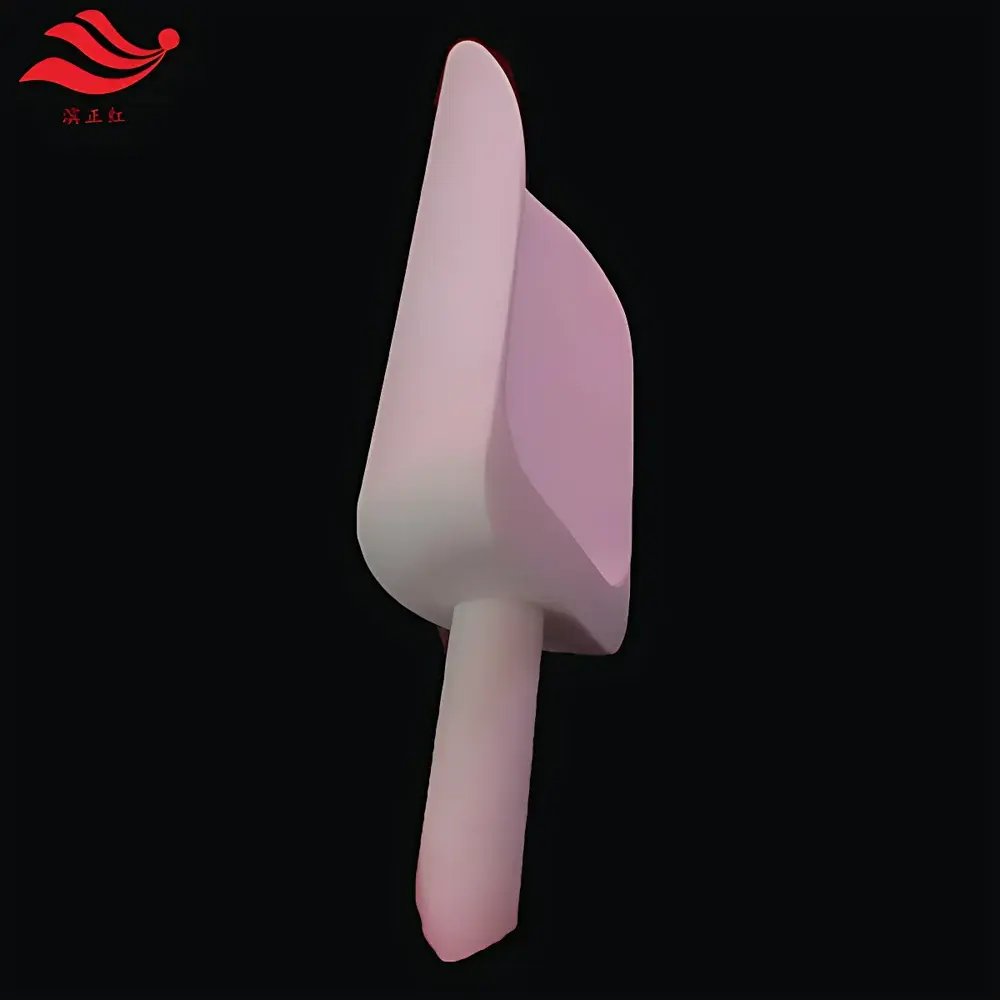
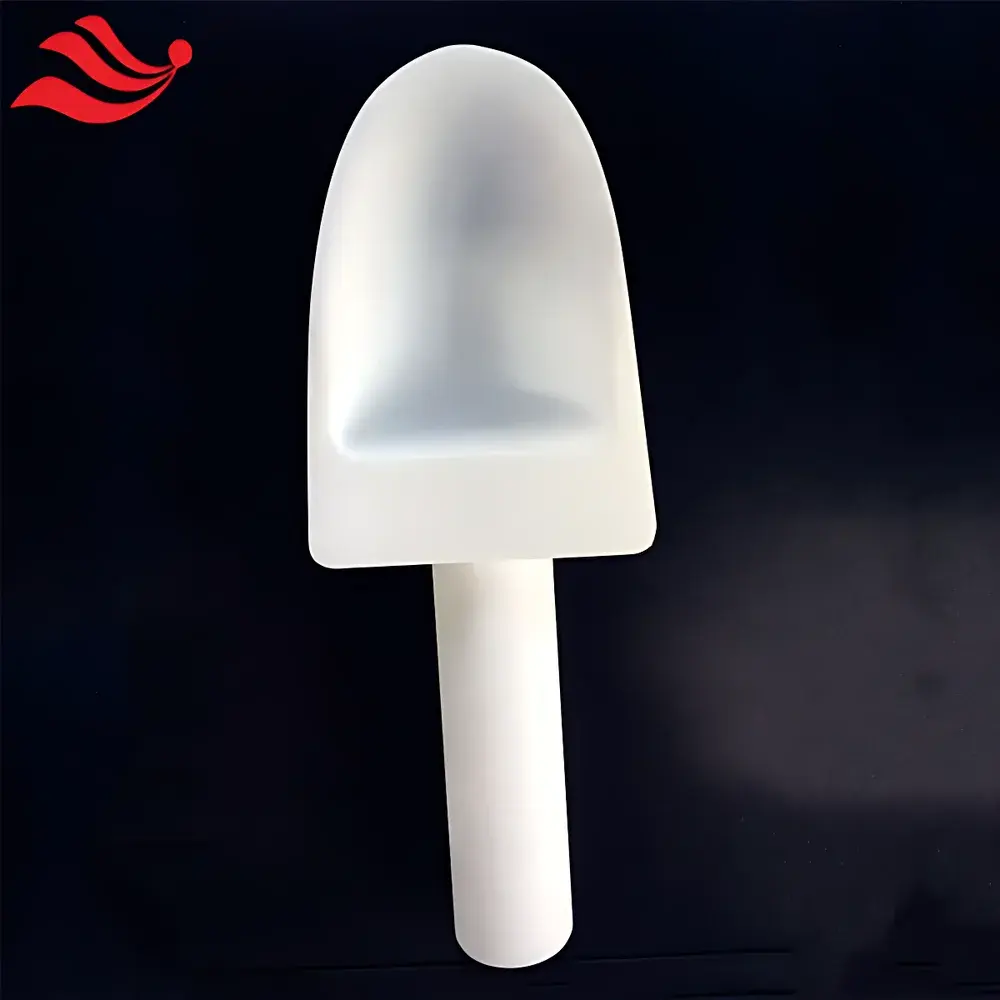
- Optimized blade profile: 285 mm total length, 305 mm extended reach variant available, 28 mm blade width, 134 mm active scraping zone, 18 mm handle thickness, 58 mm grip length, and 155 mm ergonomic offset for wrist-neutral operation
- Surface roughness Ra ≤ 0.2 µm (measured per ISO 4287), verified via stylus profilometry—prevents micro-scratching on coated substrates such as ITO glass or silicon wafers
- Compliant with SEMI F57-0218 for static-dissipative tooling; surface resistivity 10⁶–10⁹ Ω/sq (tested per ANSI/ESD S11.11)
Sample Compatibility & Compliance
The NJ-PTFE-CZ is validated for contact with aqueous and organic-phase electronic slurries—including cathode/anode slurries (LiCoO₂, NMC, Si/C composites), conductive ink formulations (Ag, Cu, PEDOT:PSS), spin-on dielectrics, and photolithographic resists. It exhibits no measurable extractables when subjected to USP extractable testing in 50% ethanol/water at 60 °C for 24 h. The tool conforms to ISO 14644-1 Class 5 cleanroom requirements for non-volatile residue (NVR) generation (<1.0 µg/cm² per ISO 15528). Documentation includes full material traceability (PTFE resin grade: DuPont™ Teflon® 30B), RoHS 2015/863/EU compliance certificate, and REACH SVHC declaration.
Software & Data Management
As a passive mechanical tool, the NJ-PTFE-CZ does not incorporate embedded electronics or firmware. However, it integrates seamlessly into digitally governed material-handling workflows: its standardized dimensions enable CAD-based fixture design for automated scraper-mounting systems; batch-specific usage logs can be tracked within MES platforms (e.g., Siemens Opcenter, Rockwell FactoryTalk) using serialized unit identifiers; and cleaning validation records (per ISO 14644-8 Annex C) are maintained in accordance with FDA 21 CFR Part 11–compliant electronic record systems where deployed in GMP-regulated battery cell production.
Applications
- Lithium-ion battery electrode manufacturing: slurry transfer from mixing tanks to coating hoppers, residual paste recovery from doctor blades and slot dies
- Semiconductor front-end processing: photoresist removal from chuck surfaces, developer solution redistribution in immersion lithography tools
- Display technology: uniform spreading of quantum dot inks and OLED emissive layer precursors on TFT backplanes
- PV module fabrication: edge trimming of screen-printed silver paste on PERC and TOPCon solar cells
- R&D laboratories: quantitative material recovery during rheological characterization of high-solid-content nanocomposite dispersions
FAQ
Is the PTFE layer chemically bonded or mechanically laminated?
The PTFE surface is fusion-bonded using proprietary thermal sintering—no adhesives are used, eliminating interfacial failure modes.
Can this scraper be autoclaved?
No. Autoclaving exceeds the continuous-use temperature limit of standard PTFE (150 °C); dry heat sterilization at 120 °C for 30 min is permissible.
What is the recommended replacement interval under daily production use?
Based on wear tracking in NMC slurry applications, replacement is advised after 120 operational hours or upon visual detection of edge rounding exceeding 0.1 mm.
Does Binzhenghong provide custom geometry or OEM branding?
Yes—custom lengths, curvature radii, and laser-etched identification marks are available under NDA; minimum order quantity applies.
How is dimensional stability verified across humidity fluctuations?
Each batch undergoes climate chamber conditioning (40 °C / 90% RH for 72 h) followed by CMM verification per ISO 10360-2; deviation remains within ±0.05 mm.



