
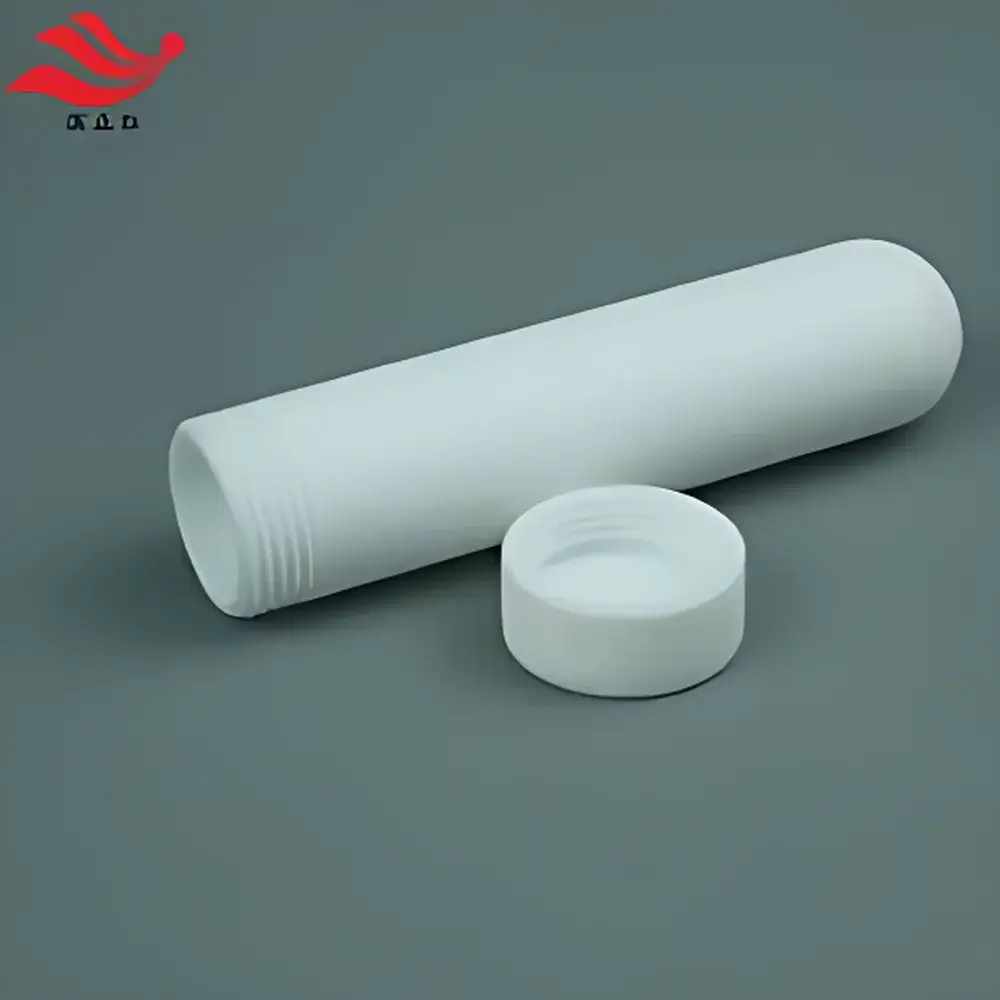
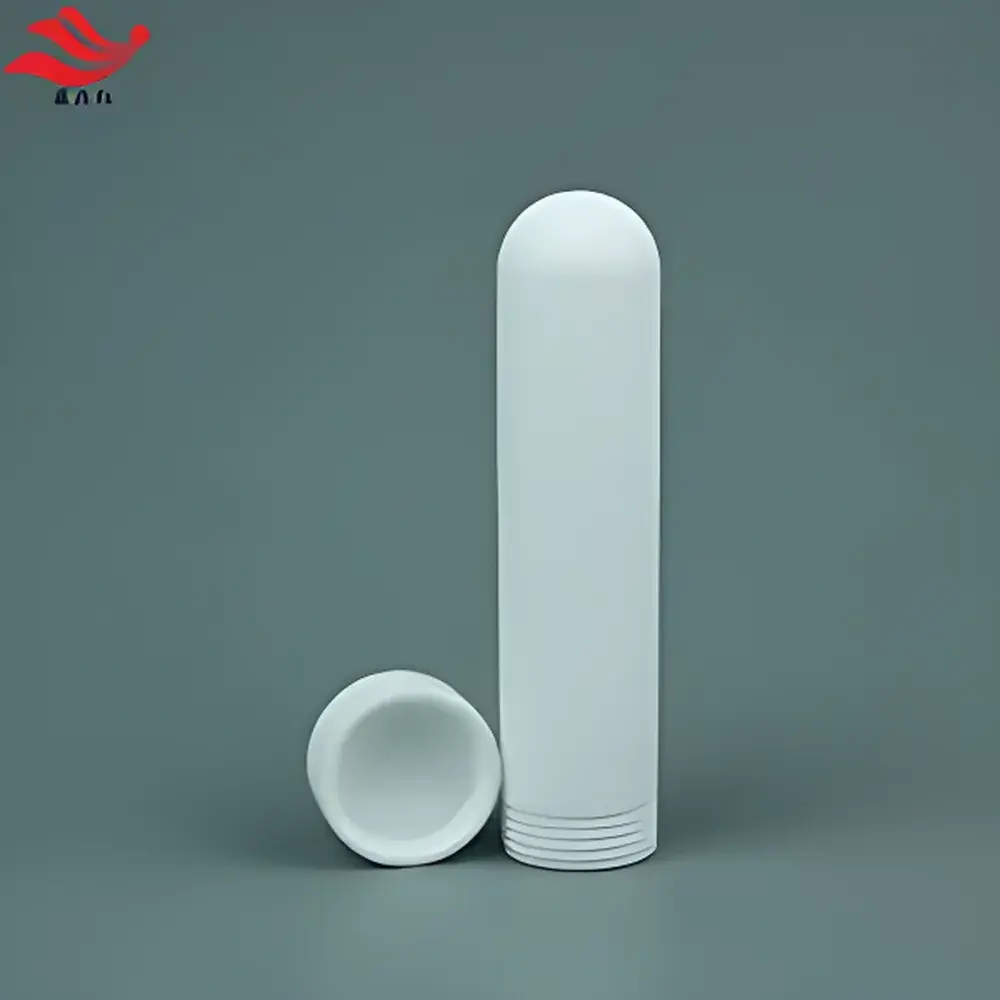
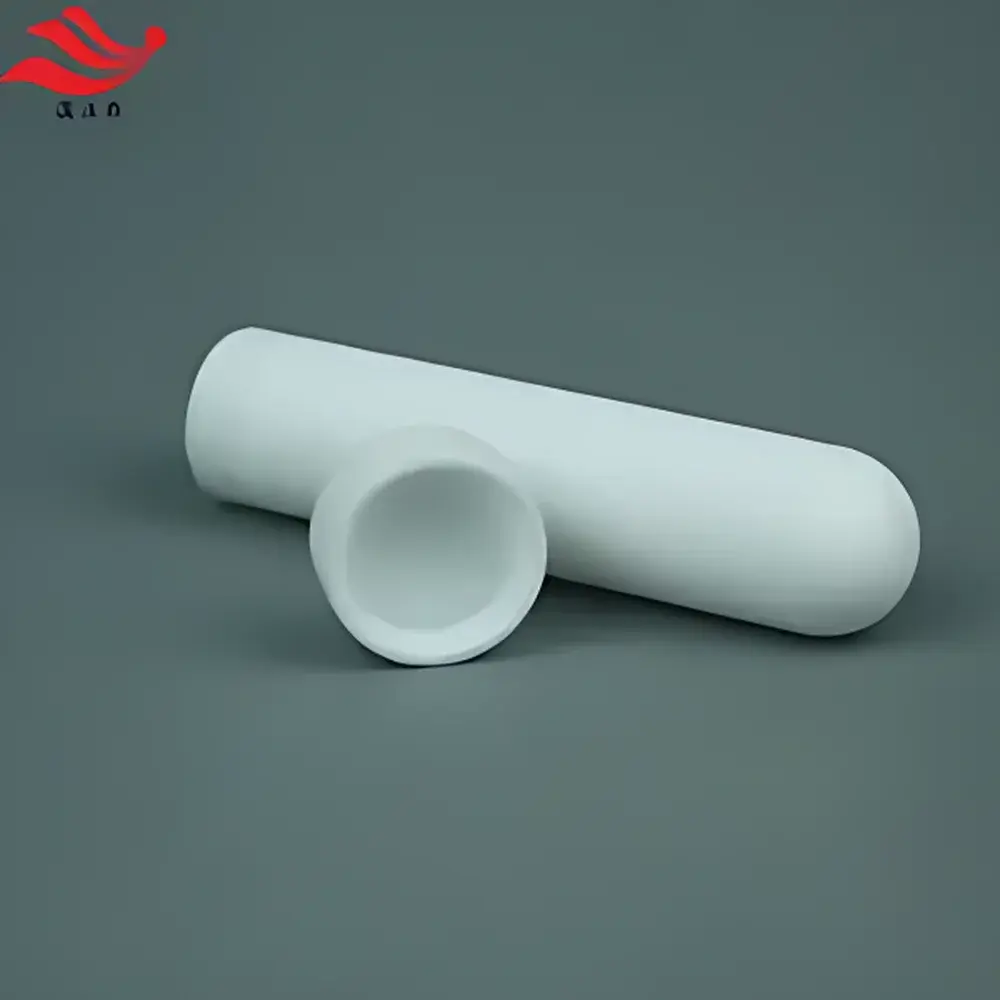
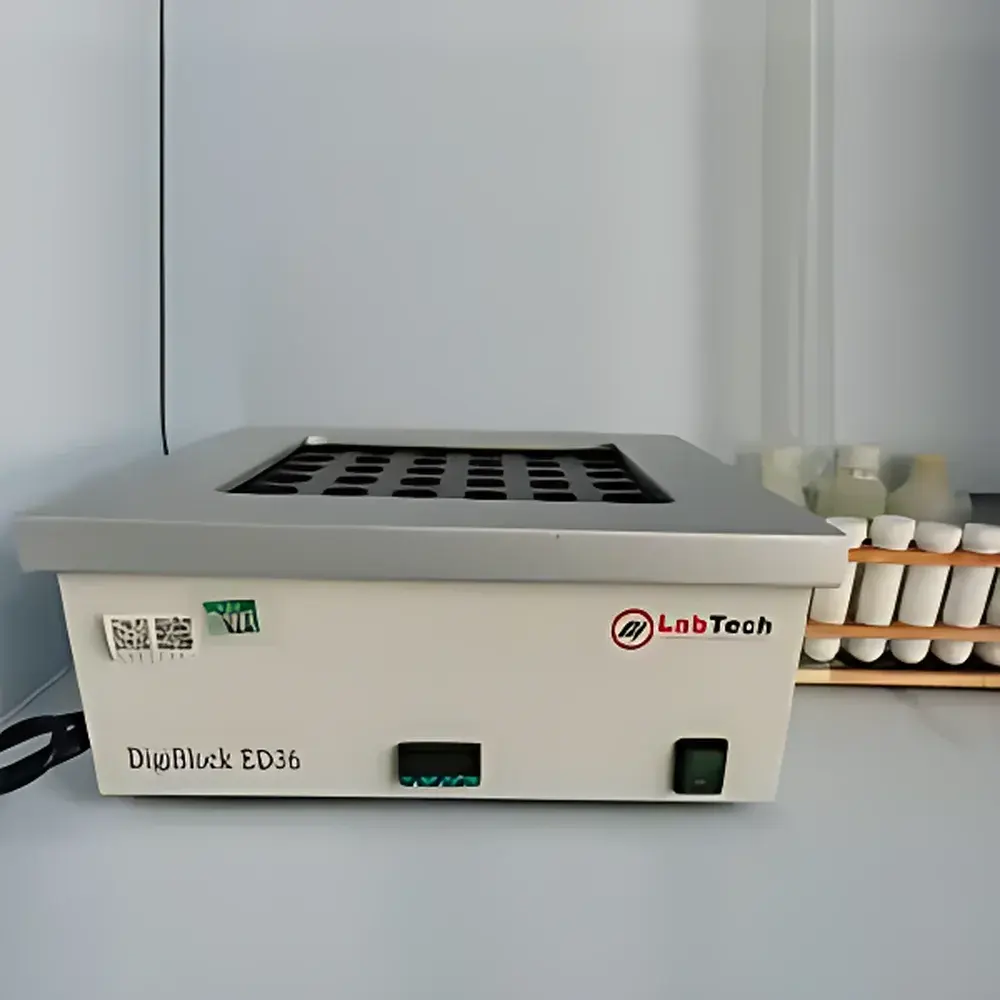
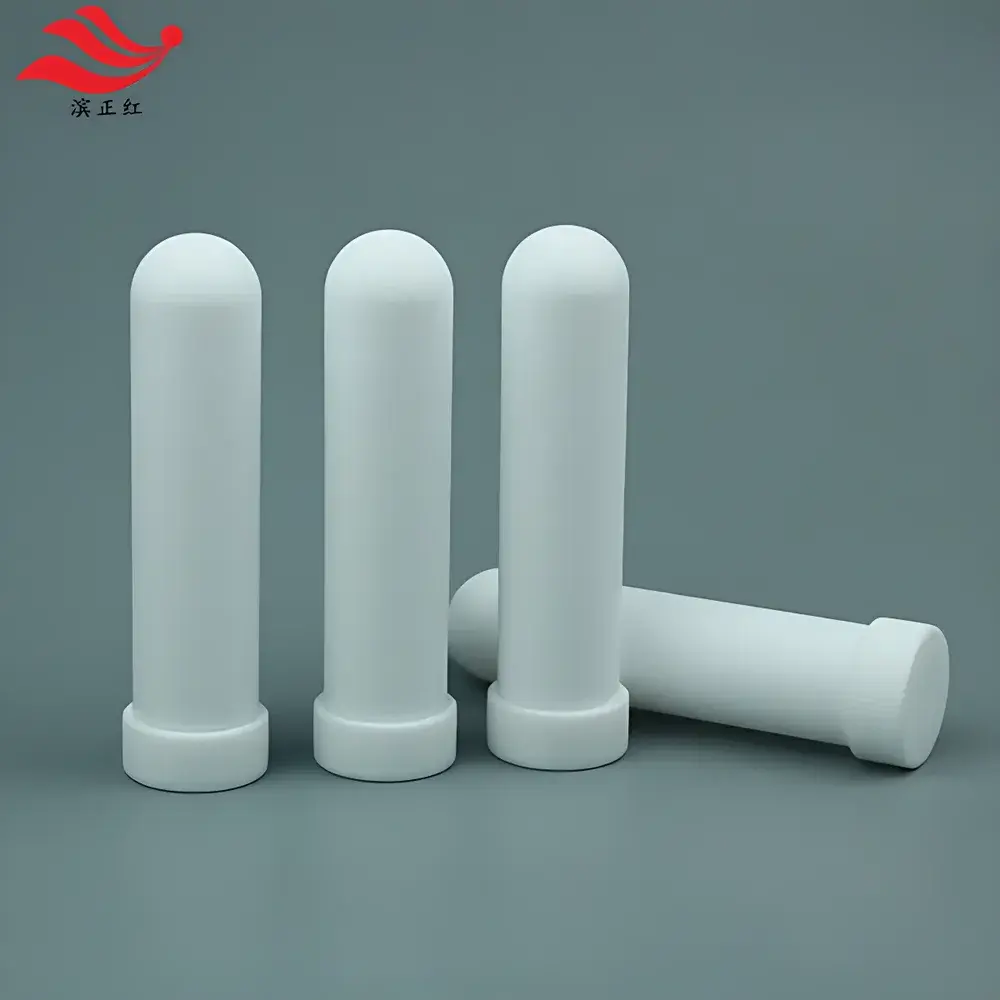
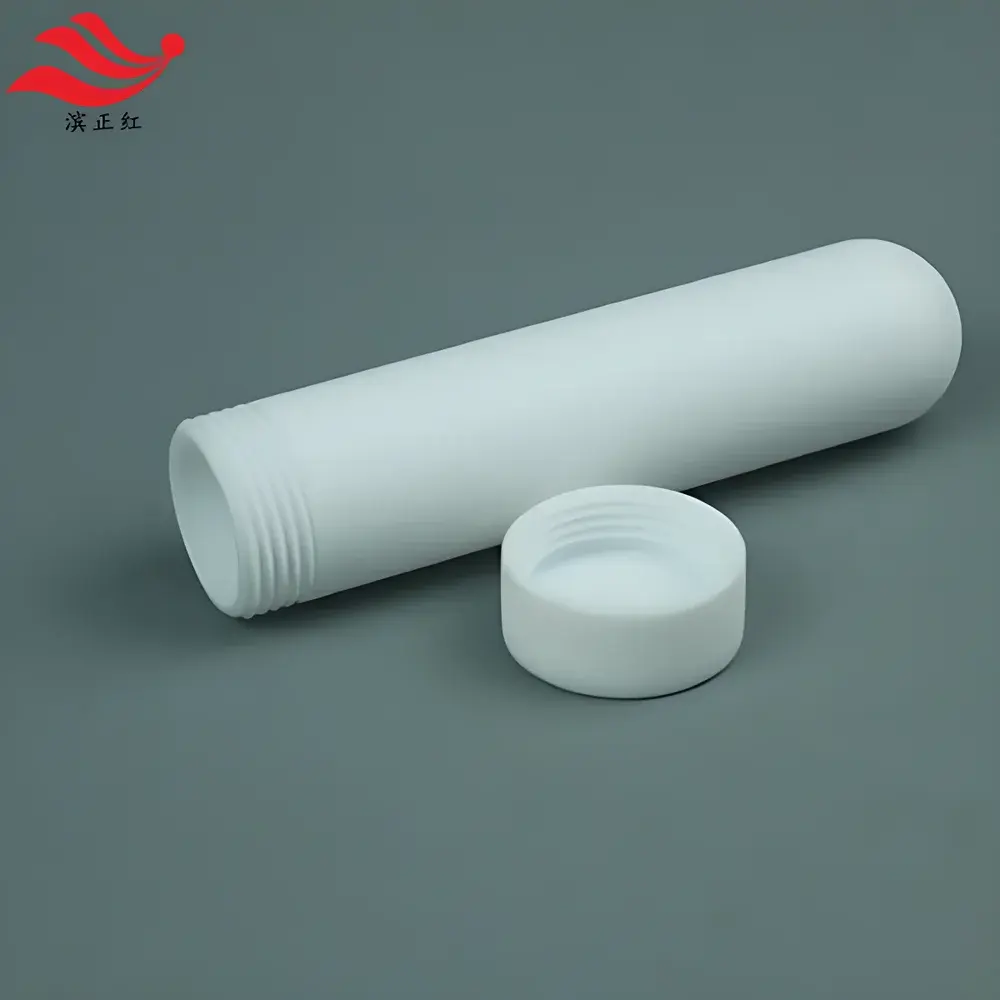
PTFE Digestion Vessel for ED Series and DigiBlock Digestion Blocks – 50 mL Capacity
| Brand | Binzhenghong |
|---|---|
| Origin | Jiangsu, China |
| Manufacturer Type | Direct Producer |
| Origin Classification | Domestic |
| Model Range | 50–60 mL |
| Pricing | Upon Request |
Overview
The Binzhenghong PTFE Digestion Vessel (Model NJ-ZH) is a high-purity, chemically inert sample containment system engineered for open-vessel hot-block digestion workflows. Constructed from virgin polytetrafluoroethylene (PTFE), these vessels operate reliably across a broad thermal range (ambient to 250 °C under non-pressurized conditions) and deliver exceptional resistance to strong acids—including hydrochloric, nitric, hydrofluoric, and aqua regia—as well as alkalis and organic solvents. Unlike borosilicate glass or standard polypropylene tubes, PTFE eliminates analyte adsorption, minimizes blank contributions, and prevents cross-contamination during trace-level elemental analysis by ICP-OES, ICP-MS, AAS, or IC. The vessel’s design supports direct digestion-to-dilution protocols: calibrated volume markings (10–50 mL) are laser-etched onto the transparent PFA-coated surface—enabling precise volumetric finalization without transfer, thereby reducing procedural error and analyst exposure.
Key Features
- Material Integrity: Made from ASTM D4894-compliant virgin PTFE; free of black specks, yellowing, microcracks, or surface defects that could compromise analytical reproducibility.
- Thermal Stability: Rated for continuous use up to 250 °C in atmospheric (non-sealed) configurations; optional vented screw caps available for controlled reflux at elevated temperatures.
- Dimensional Consistency: Outer diameter 28–29 mm, total height 135 mm, nominal capacity 50–60 mL; custom sizing (e.g., 31 mm × 100 mm for 48-position graphite blocks) supported upon request.
- Cap Flexibility: Six cap configurations available—threaded, reflux, handle-integrated, dual-compartment, flared mouth, and flat-top—each machined to ensure uniform sealing force and thermal expansion compatibility.
- Traceability: Laser-engraved alphanumeric identifiers applied simultaneously to both cap and body; resistant to chemical erosion and thermal cycling over >500 digestion cycles.
Sample Compatibility & Compliance
These vessels are validated for use with open-system digestion platforms including LabTech ED/EHD series, DigiBlock TF-36/TF-16, Gerdona DS-360, Deena Scientific, Thomas Cain, Prettech ST-60, Ruike, Tianjin Tuozhiming, Haineng, Dingtai, and OptoLab instruments. All PTFE components comply with ISO 17025 requirements for laboratory equipment qualification and meet USP material classification for Class VI plastics. Vessels undergo batch-certified leach testing per EPA Method 3052 to verify low background levels of Al, Cr, Fe, Ni, and Zn (<0.05 ng/mL after 24-h acid soak). No silicone lubricants or mold-release agents are used during manufacturing—ensuring compatibility with GLP/GMP-regulated environmental, food, and pharmaceutical testing labs.
Software & Data Management
While inherently hardware-based, the NJ-ZH vessel integrates seamlessly into LIMS and ELN ecosystems through standardized sample tracking workflows. Its permanent laser ID enables one-to-one mapping between physical tube and digital record in platforms compliant with FDA 21 CFR Part 11 (audit trail, electronic signature, data integrity controls). When paired with Binzhenghong’s proprietary graphite digestion systems (e.g., 48-hole models), users gain access to instrument-linked calibration logs, digestion method templates, and QC report generation via optional USB-connected control software—supporting ISO/IEC 17025 clause 7.7 on measurement traceability.
Applications
- Environmental: Soil, sediment, sludge, and wastewater digestion prior to heavy metal quantification (Pb, Cd, As, Hg, Cr(VI)) per EPA 3050B, 3051A, and 3052.
- Food & Agriculture: Total digestible nutrient recovery from cereals, dairy, meat, and plant tissues for nutritional labeling and contaminant screening (EU Regulation 2023/2006).
- Geochemical & Mining: Silicate rock dissolution using HF-HNO₃ mixtures for rare earth element (REE) profiling via ICP-MS.
- Clinical & Biological: Tissue homogenate digestion for elemental biomarker studies (e.g., Se, Cu, Zn in serum or biopsy samples) aligned with CLSI C38-A2 guidelines.
- Materials Science: Catalyst residue analysis, polymer ash content determination, and battery electrode material digestion per ASTM D5630.
FAQ
What temperature limits apply when using threaded caps?
Threaded caps are rated for sustained operation up to 220 °C. For applications requiring >220 °C, vented cap variants with precision-machined pressure-relief microchannels are recommended to prevent deformation while maintaining reflux efficiency.
Can these vessels be autoclaved?
Yes—sterilization via steam autoclaving (121 °C, 15 psi, 20 min) is permissible; however, repeated autoclaving beyond 50 cycles may gradually reduce PTFE surface hydrophobicity and increase potential for minor particulate shedding.
How should vessels be cleaned between uses?
Rinse immediately post-digestion with deionized water, followed by soaking in 5% v/v HNO₃ for 2 h. Gently scrub interior with PTFE-coated brushes only; avoid abrasive pads or metal tools. Air-dry or heat-dry at ≤100 °C in a class-100 laminar flow hood to eliminate residual moisture before reuse.
Is customization available for non-standard instrumentation?
Yes—custom outer diameters, heights, graduation scales, cap geometries, and laser-marking schemes are available for OEM integration or proprietary digestion platforms; lead time typically 3–4 weeks after drawing approval.
Do you provide certificates of conformance or material test reports?
Each production lot includes a Certificate of Conformance referencing ASTM D4894, ISO 1043-1, and internal purity specifications (ICP-MS trace metal assay data available upon request).
Related Products




