Q-Lab Environmental and Reliability Testing Services
| Brand | Q-LAB |
|---|---|
| Origin | USA |
| Manufacturer Type | Original Equipment Manufacturer (OEM) |
| Import Category | Imported |
| Model | Q-Lab Testing Services |
| Pricing | Available Upon Request |
Overview
Q-Lab Environmental and Reliability Testing Services provide scientifically rigorous, globally recognized exposure testing solutions for materials, coatings, polymers, automotive components, and photovoltaic modules. Leveraging decades of climatological expertise and standardized test protocols, Q-Lab delivers both natural outdoor exposure and laboratory-accelerated aging data grounded in ISO 4892, ASTM G154/G155/G7, IEC 61215, SAE J2527, and other internationally accepted standards. The core methodology integrates real-world environmental stressors—UV radiation, thermal cycling, moisture condensation, and humidity—with metrologically traceable instrumentation and GLP-compliant reporting. Unlike proprietary or non-certified service providers, Q-Lab operates as an independent third-party testing organization, enabling objective validation of product durability claims and regulatory submissions.
Key Features
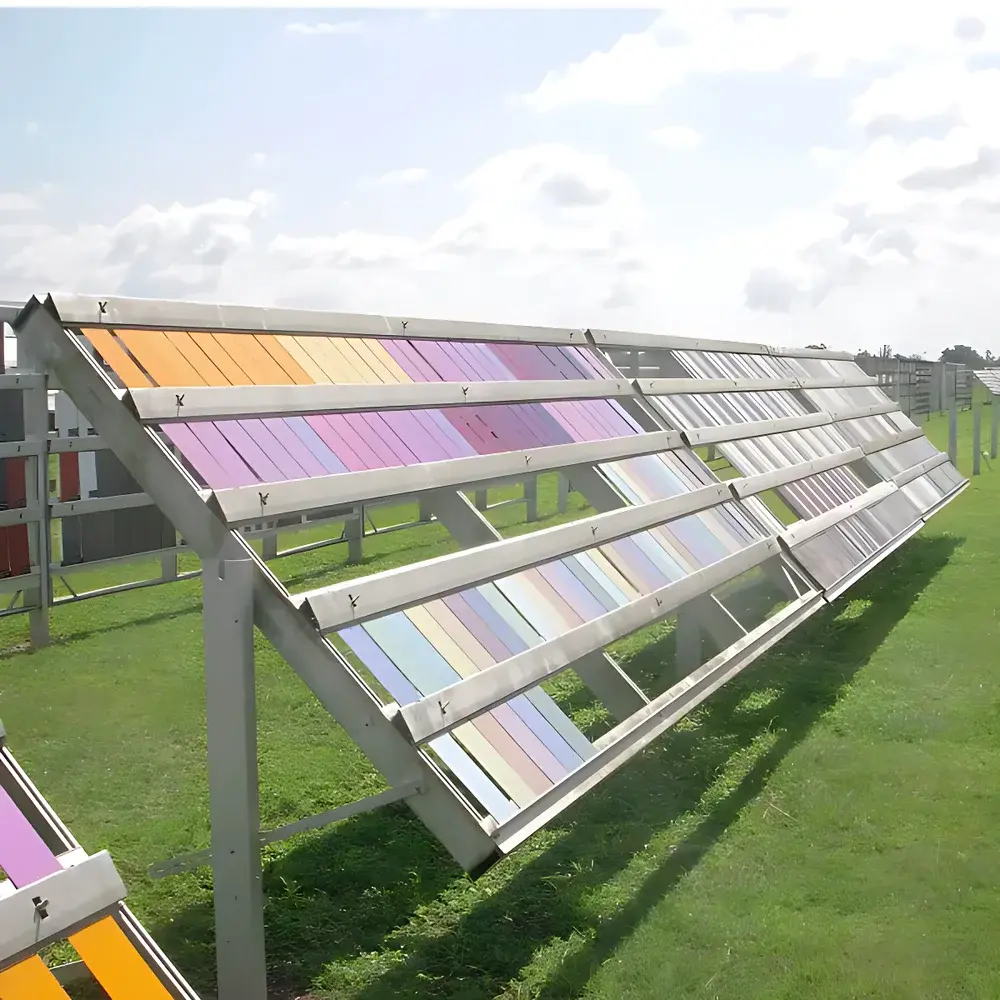
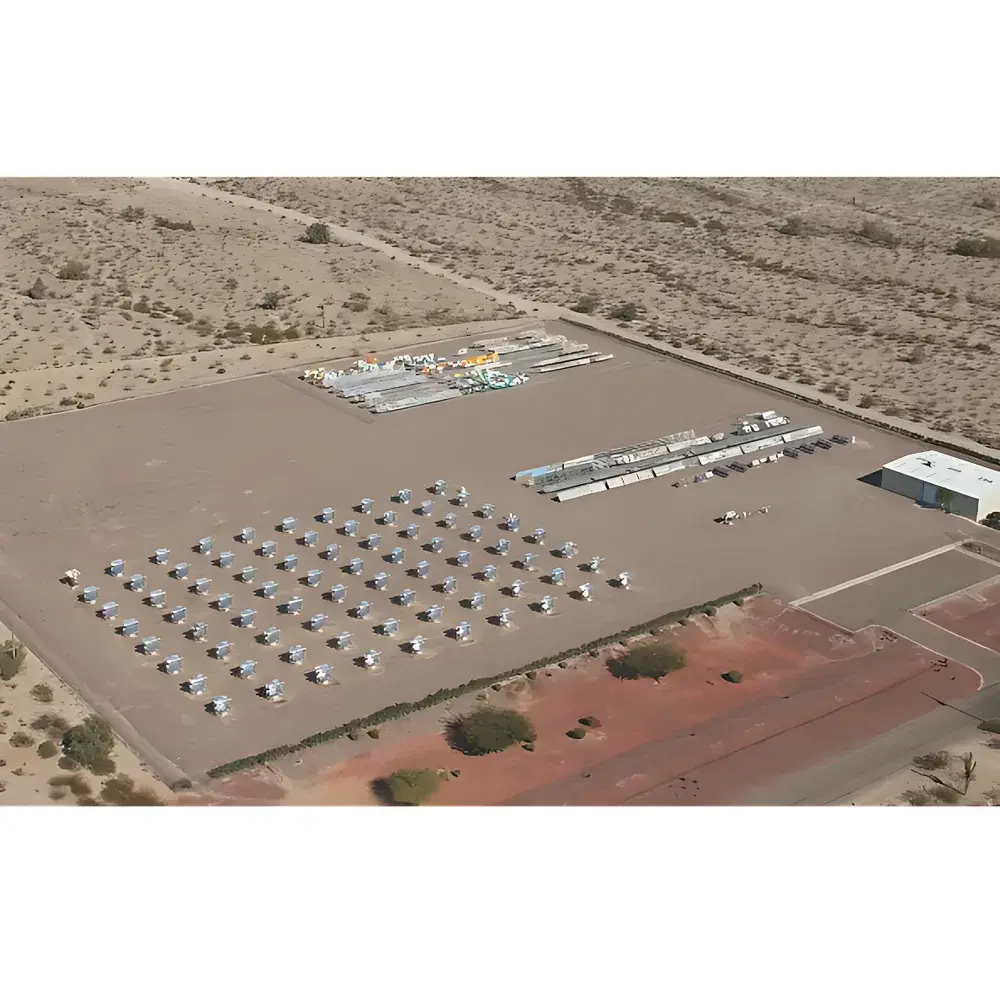
- Two globally benchmarked natural exposure sites: the Q-Lab Florida Test Site (high-UV, high-humidity, high-rainfall subtropical climate) and the Q-Lab Arizona Desert Test Site (low-humidity, extreme UV intensity, high-temperature desert environment)
- Q-TRAC® Natural Sunlight Concentrator system at the Arizona site—delivering up to 8× natural solar irradiance without spectral distortion, enabling accelerated yet physically representative exposure
- AIM Box™ (Accelerated Indoor Module) testing for controlled, repeatable simulation of combined thermal, UV, and humidity stresses under dark conditions
- Fully accredited laboratory services in Florida (USA), Ohio (USA), Germany, China, the UK, and Ohio—operating under ISO/IEC 17025:2017 accreditation by A2LA (American Association for Laboratory Accreditation)
- Comprehensive post-exposure analysis including colorimetry (ΔE, CIELAB), gloss measurement (20°/60°/85°), mechanical property evaluation (tensile strength, elongation, adhesion), and failure mode assessment per ASTM D660/D714/D715/D1654
Sample Compatibility & Compliance
Q-Lab accepts specimens across diverse material classes—including thermoplastics, elastomers, architectural coatings, aerospace composites, packaging films, and solar cell encapsulants—with no minimum sample quantity requirements for standard exposure programs. All exposure racks and mounting fixtures comply with ASTM G72 and ISO 877 specifications for specimen orientation, tilt angle (5° or 45°), and airflow management. Test reports include full chain-of-custody documentation, environmental monitoring logs (daily UV-B, global irradiance, temperature, RH, rainfall), and uncertainty budgets per ISO/IEC 17025 Clause 7.6. Data packages are structured to support FDA 21 CFR Part 11–compliant electronic archiving when required for regulated industries.
Software & Data Management
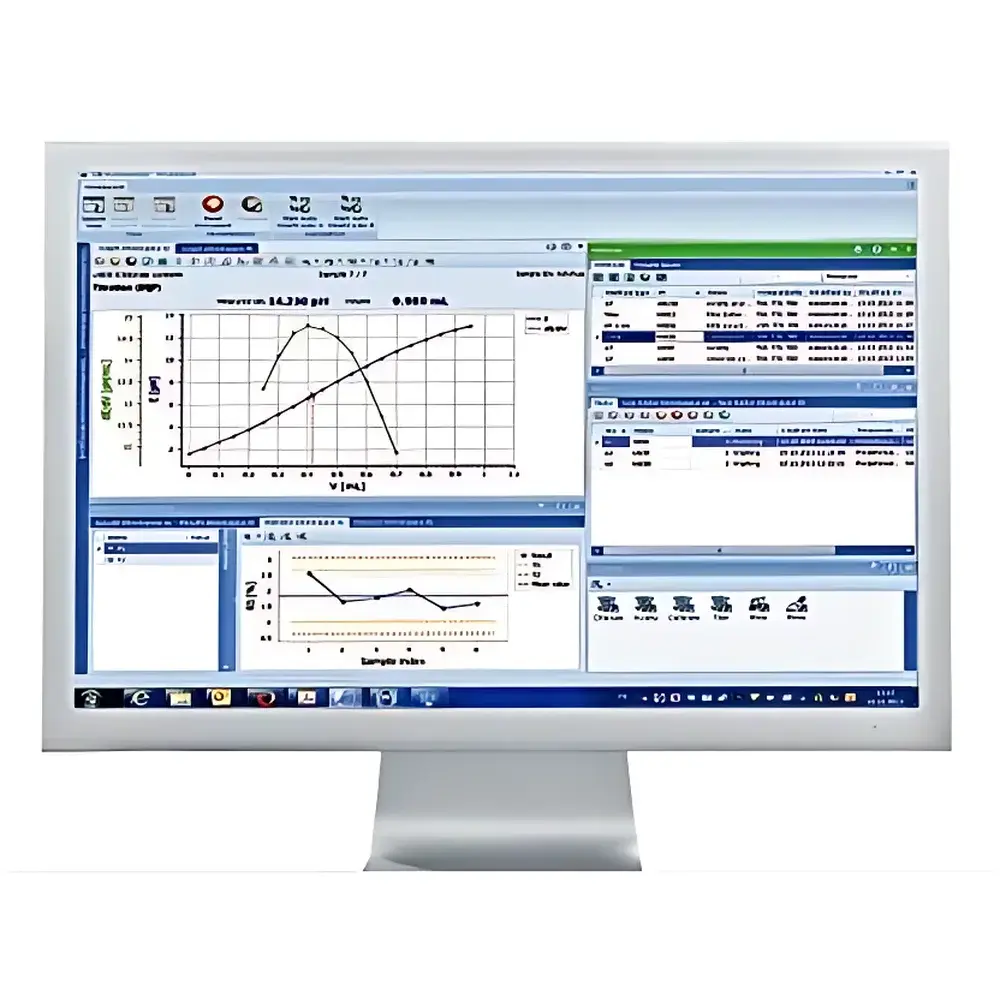
Test data is managed through Q-Lab’s secure, cloud-accessible Q-TRAC Portal—a validated platform supporting role-based access control, audit trails, and electronic signature workflows. Raw sensor outputs (e.g., UV radiometers calibrated traceably to NIST SRM 2253), image archives (standardized macro photography under D65 illumination), and analytical results are timestamped and cryptographically hashed to ensure integrity. Export formats include CSV, PDF/A-2b, and XML schemas compatible with LIMS integration. Calibration certificates for all optical and thermal sensors are issued annually and archived for ≥10 years, satisfying ISO/IEC 17025 record retention mandates.
Applications
- Quality assurance validation for OEMs requiring conformance to automotive OEM specifications (e.g., GMW14872, Ford CETP)
- Regulatory dossier preparation for CE marking, UL recognition, and ENERGY STAR certification
- Comparative benchmarking of alternative formulations during R&D stage development
- Root-cause analysis of field failures via correlation between outdoor exposure data and lab-accelerated results
- Third-party verification for warranty substantiation, insurance claims, and litigation support
FAQ
What standards does Q-Lab follow for outdoor exposure testing?
Q-Lab adheres to ASTM G7, ISO 877, and IEC 60068-2-5 for specimen mounting, orientation, and environmental monitoring—ensuring interlaboratory reproducibility.
Can Q-Lab generate reports compliant with FDA 21 CFR Part 11?
Yes—upon request, Q-Lab provides Part 11–enabled electronic reports with audit trails, electronic signatures, and system validation documentation.
How long does a typical Florida or Arizona outdoor exposure cycle last?
Standard cycles are 6, 12, 24, and 36 months; however, custom durations down to 3 months are available based on statistical power requirements.
Is Q-Lab’s calibration traceable to national metrology institutes?
All radiometric, thermal, and optical calibrations are traceable to NIST (USA), PTB (Germany), or NIM (China), with certificates issued per ISO/IEC 17025 Annex A.
Do you offer comparative analysis against competitor test data?
Yes—Q-Lab provides cross-laboratory correlation studies using reference materials (e.g., NIST SRM 2243) to quantify inter-laboratory bias and measurement uncertainty.
Related Products