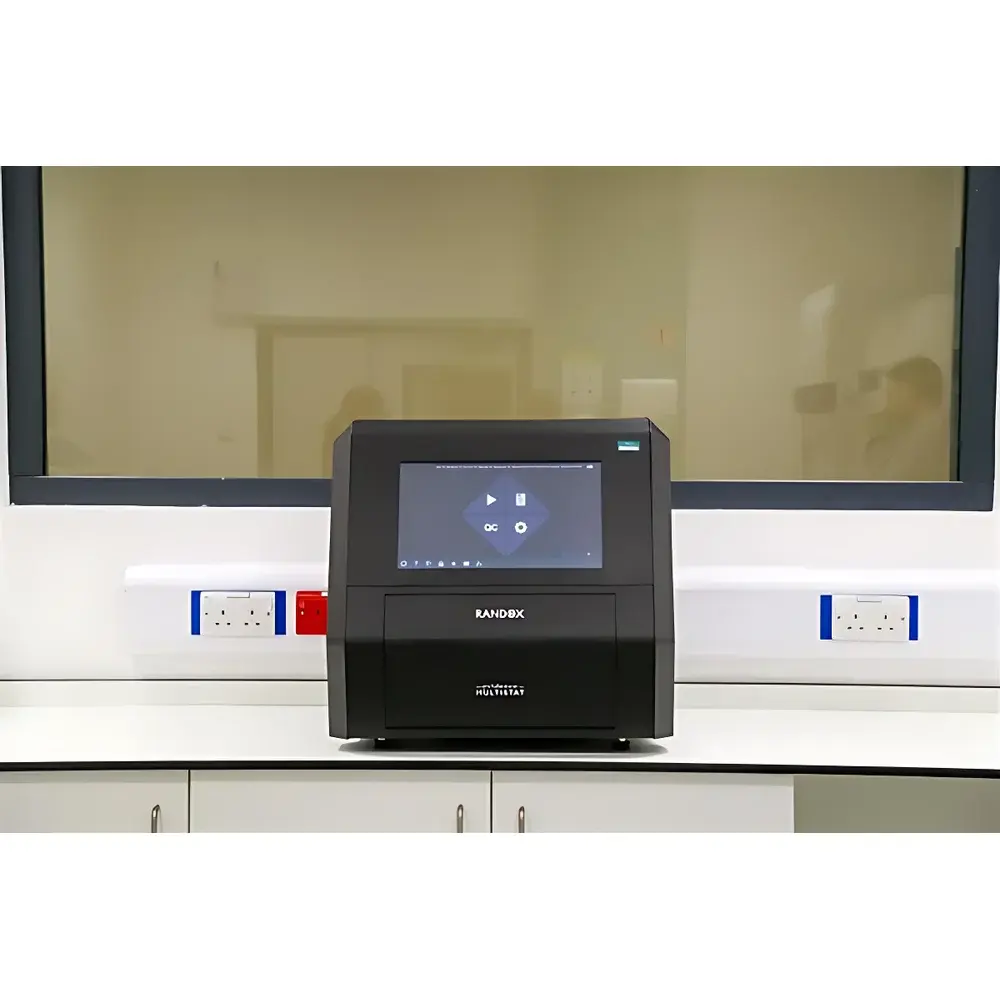
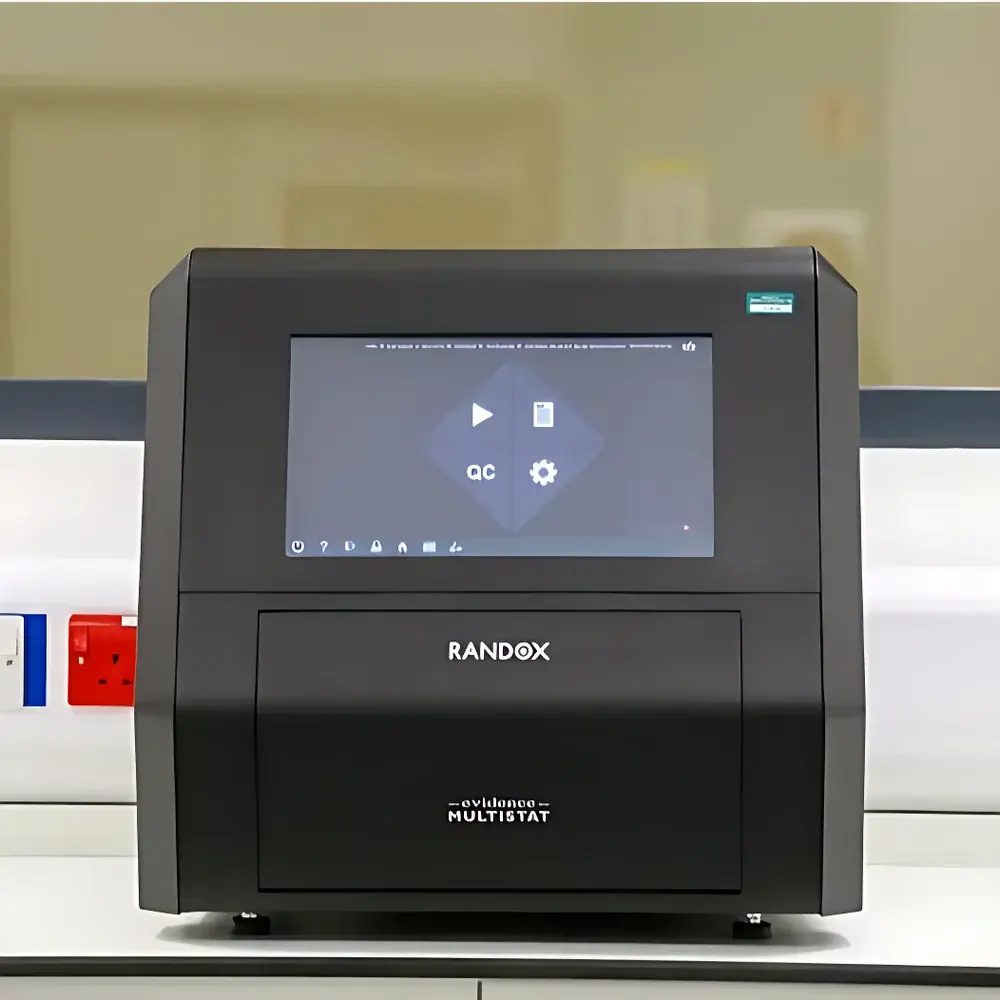
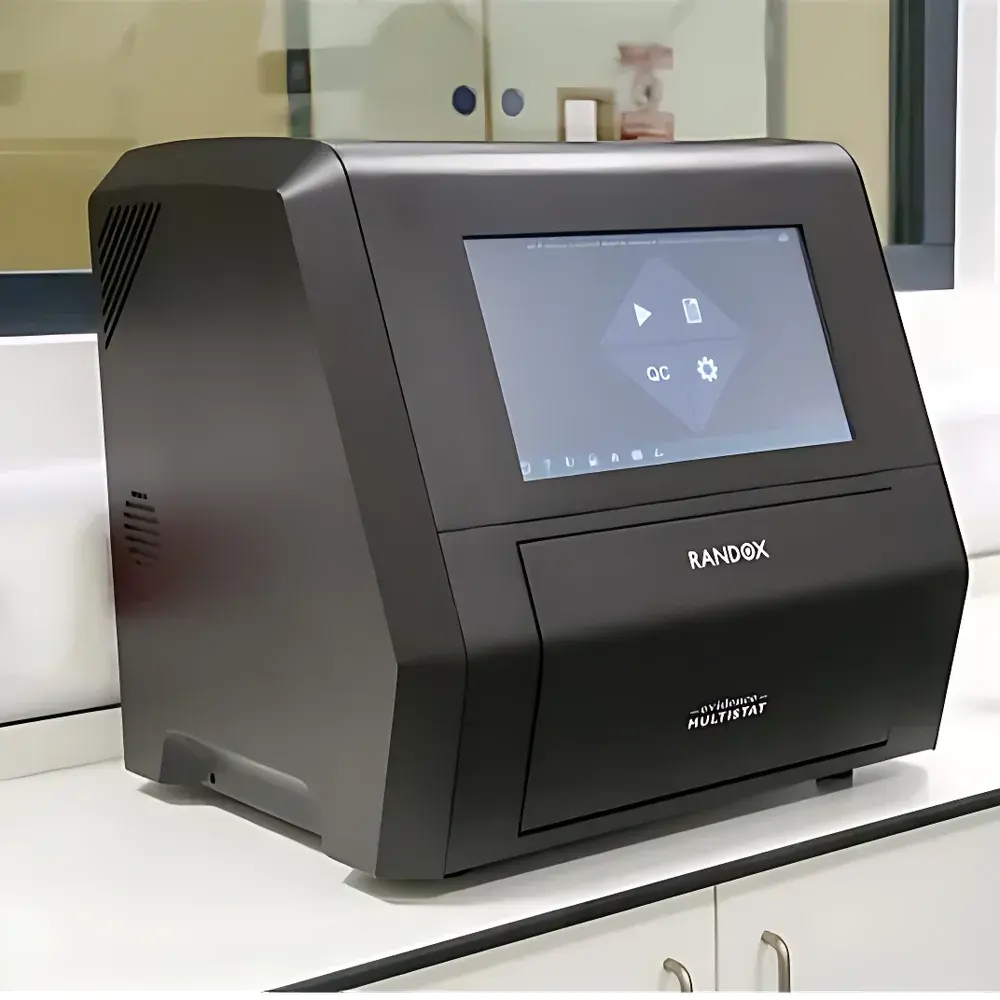
Randox MultiSTAT Automated Toxicology Analyzer
| Brand | Randox Toxicology |
|---|---|
| Origin | United Kingdom |
| Manufacturer Status | Authorized Distributor |
| Origin Category | Imported |
| Model | MultiSTAT |
| Pricing | Upon Request |
Overview
The Randox MultiSTAT Automated Toxicology Analyzer is a CE-IVD marked, fully integrated biochip array-based immunoassay platform engineered for high-throughput, multi-analyte toxicological screening in forensic, clinical, occupational, and point-of-collection settings. It operates on the principle of competitive chemiluminescent immunoassay (CLIA), where analytes in the sample compete with immobilized, labeled analogues for binding sites on antibody-coated discrete test zones—each zone representing a distinct drug or metabolite. Light emission from enzymatic reaction (horseradish peroxidase–luminol system) is digitally imaged and quantified against pre-established calibration curves. Unlike conventional ELISA or lateral flow methods, the MultiSTAT delivers qualitative results with defined cutoff thresholds across up to 29 analytes simultaneously from a single 200 µL specimen—without extraction, derivatization, or centrifugation. Its architecture supports rapid turnaround (17–23 minutes), minimal hands-on time (<2 min), and robust performance under variable ambient conditions (18–32 °C, <80% RH), making it suitable for deployment in mobile labs, prison infirmaries, airport security hubs, and emergency departments.
Key Features
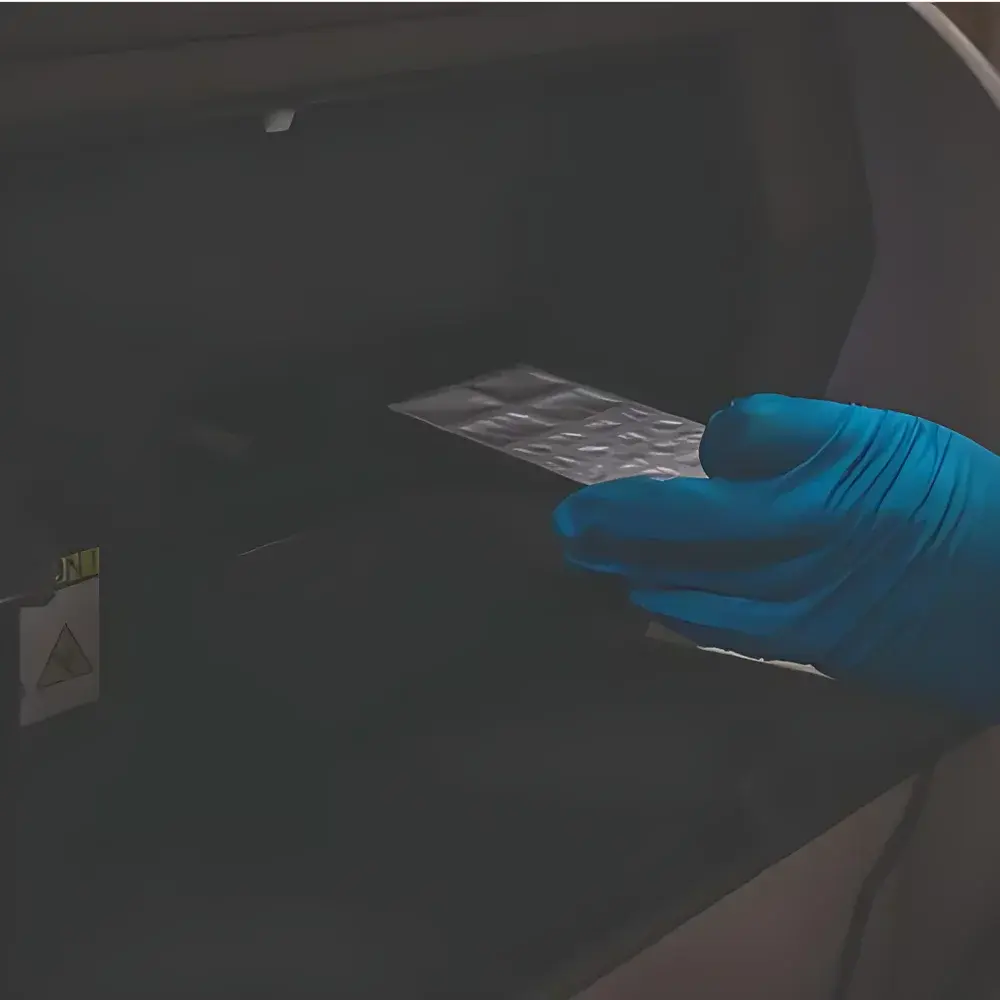
- Fully automated sample-to-result workflow: Pre-loaded reagent cartridges, auto-pipetting, and integrated thermal control eliminate manual pipetting errors and operator variability.
- 44-plex biochip format: Each disposable biochip contains up to 44 spatially discrete test zones—enabling parallel detection of classic drugs (e.g., opiates, amphetamines), synthetic cannabinoids (e.g., AB-PINACA, AB-CHMINACA), novel psychoactive substances (NPS), prescription medications (e.g., oxycodone, buprenorphine), and biomarkers (e.g., EtG, creatinine).
- Multi-matrix compatibility: Dedicated assay kits validated for whole blood (EV4195), urine (EV4193, EV4292), and oral fluid (EV4117), each with matrix-specific calibrators, controls, and optimized cut-off thresholds aligned with international forensic guidelines (e.g., SAMHSA, ENFSI).
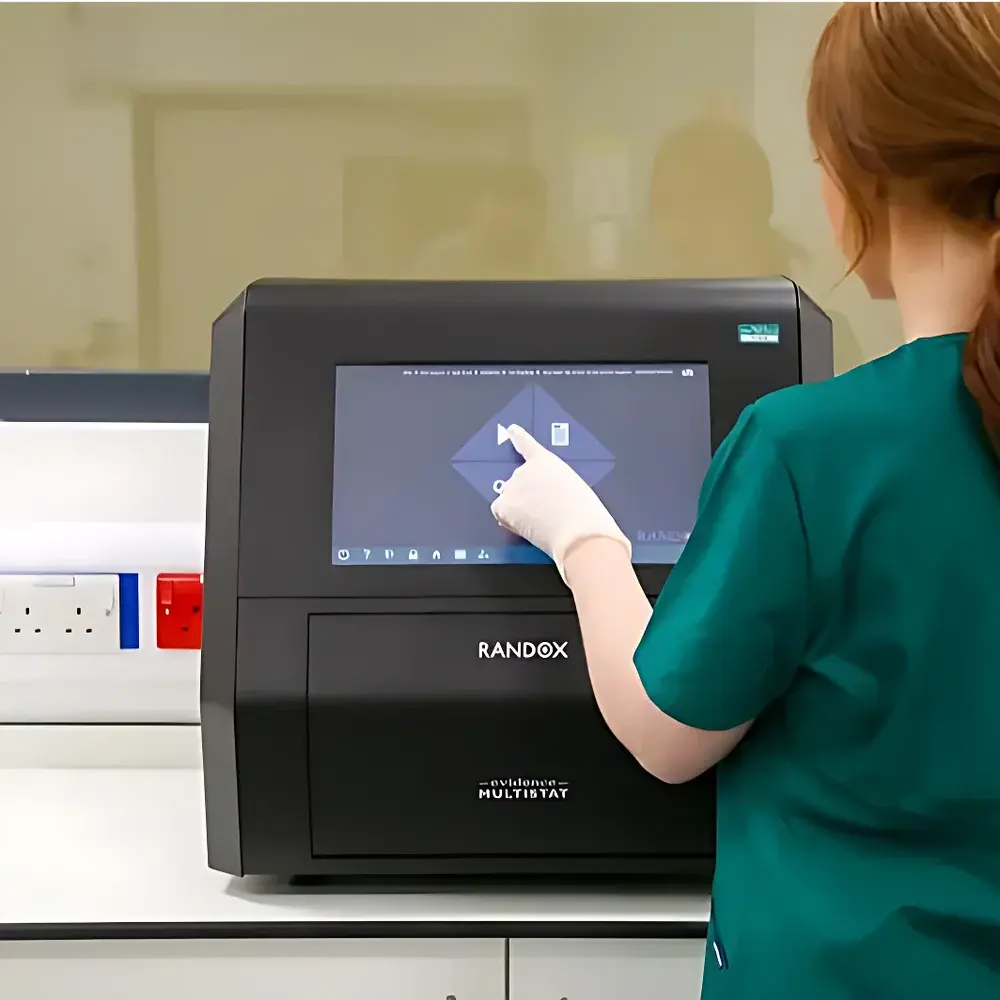
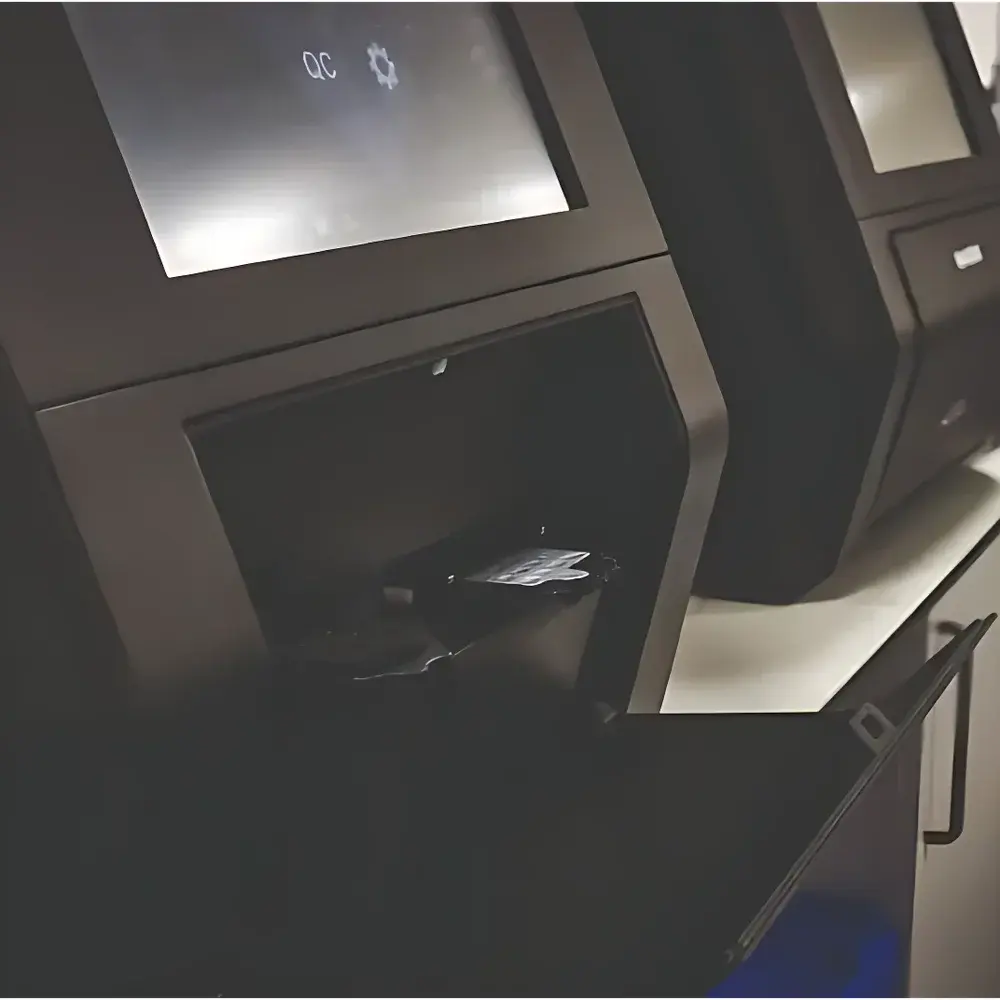
- 15.6″ capacitive touchscreen interface: Intuitive graphical user interface (GUI) guides users through loading, run initiation, and result interpretation—designed for trained non-laboratory personnel including law enforcement officers and correctional staff.
- Regulatory-compliant data architecture: Audit-trail enabled software logs all user actions, instrument events, and result modifications; supports 21 CFR Part 11–compliant electronic signatures when integrated with validated LIMS environments.
Sample Compatibility & Compliance
The MultiSTAT accepts human whole blood (EDTA or heparin), urine, and oral fluid specimens. Blood assays require no pretreatment; urine and oral fluid kits are optimized for direct analysis without dilution or hydrolysis. All assay kits include lot-specific calibrators and controls traceable to NIST SRMs where applicable. Performance validation meets ISO 15189:2022 requirements for medical laboratories and aligns with ASTM E2911–23 (Standard Guide for Forensic Toxicology Screening). Cut-off concentrations reflect consensus thresholds used by ENFSI Working Group on Drugs and Driving, UK Home Office Forensic Science Regulator standards, and US Department of Transportation (DOT) 49 CFR Part 40 protocols. The system is CE-marked under IVDR (2017/746) Class C for in vitro diagnostic use in toxicology screening.
Software & Data Management
The embedded MultiSTAT Software Suite provides secure, role-based access control (administrator, technician, reviewer). All results are stored locally with automatic timestamping and user attribution. Data export options include CSV, PDF, and XML formats via dual USB 2.0 ports—supporting integration with hospital information systems (HIS), laboratory information management systems (LIMS), and electronic health records (EHR). Chain-of-custody tracking includes sample ID, collector ID, collection date/time, and analyst verification signature. Backups can be scheduled to external drives or network locations. Software updates are delivered via encrypted firmware packages compliant with IEC 62304 Class B safety standards.
Applications
- Forensic Toxicology: Postmortem screening in medicolegal death investigations; confirmation support for GC-MS/LC-MS workflows.
- Correctional Facilities: Routine inmate intake testing and behavioral monitoring; reduction of contraband-related incidents.
- Occupational Health: Pre-employment, random, and post-incident drug testing per DOT, FAA, and MSHA regulations.
- Clinical Emergency Medicine: Rapid triage of overdose, intoxication, or altered mental status in ED settings.
- Sports Anti-Doping: Preliminary screening at national anti-doping organizations (NADOs) and event venues prior to confirmatory LC-HRMS analysis.
- Substance Use Treatment: Baseline profiling and longitudinal monitoring during detoxification and rehabilitation programs.
FAQ
What sample volume is required for each assay?
A fixed volume of 200 µL is required for all specimen types—whole blood, urine, or oral fluid.
Does the system require daily calibration or maintenance?
No daily calibration is needed; the system performs automatic optical and fluidic self-checks at startup and between runs. Preventive maintenance is recommended every 6 months by Randox-certified engineers.
Can MultiSTAT results be used for legal proceedings?
Yes—when operated within its validated parameters and coupled with documented chain-of-custody procedures, results meet admissibility criteria in multiple jurisdictions, including UK Crown Courts and US federal courts.
Is the biochip reusable?
No—each biochip is a single-use, sterile, sealed cartridge containing all reagents, controls, and calibrators for one run.
How is data integrity ensured during transfer to LIMS?
The unidirectional LIMS interface uses HL7 v2.5.1 messaging with MD5 checksum validation and TLS 1.2 encryption to prevent tampering or truncation during transmission.