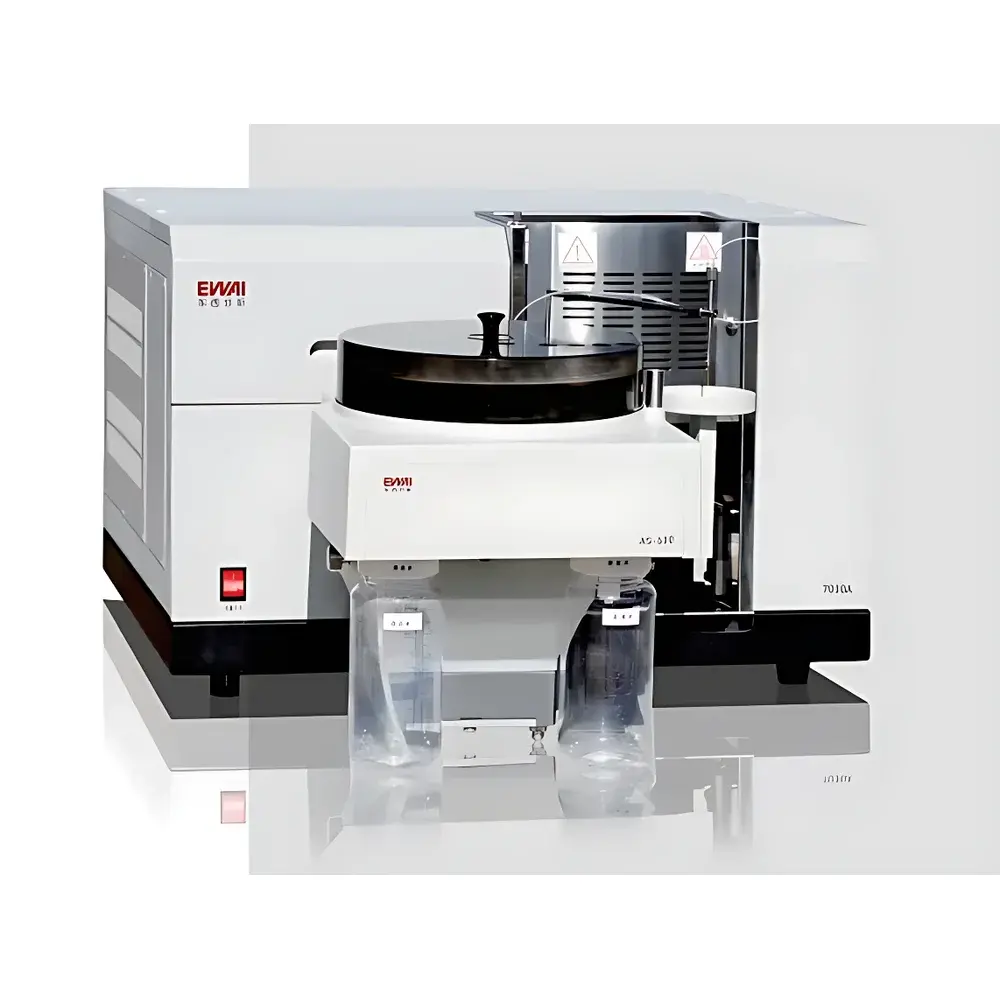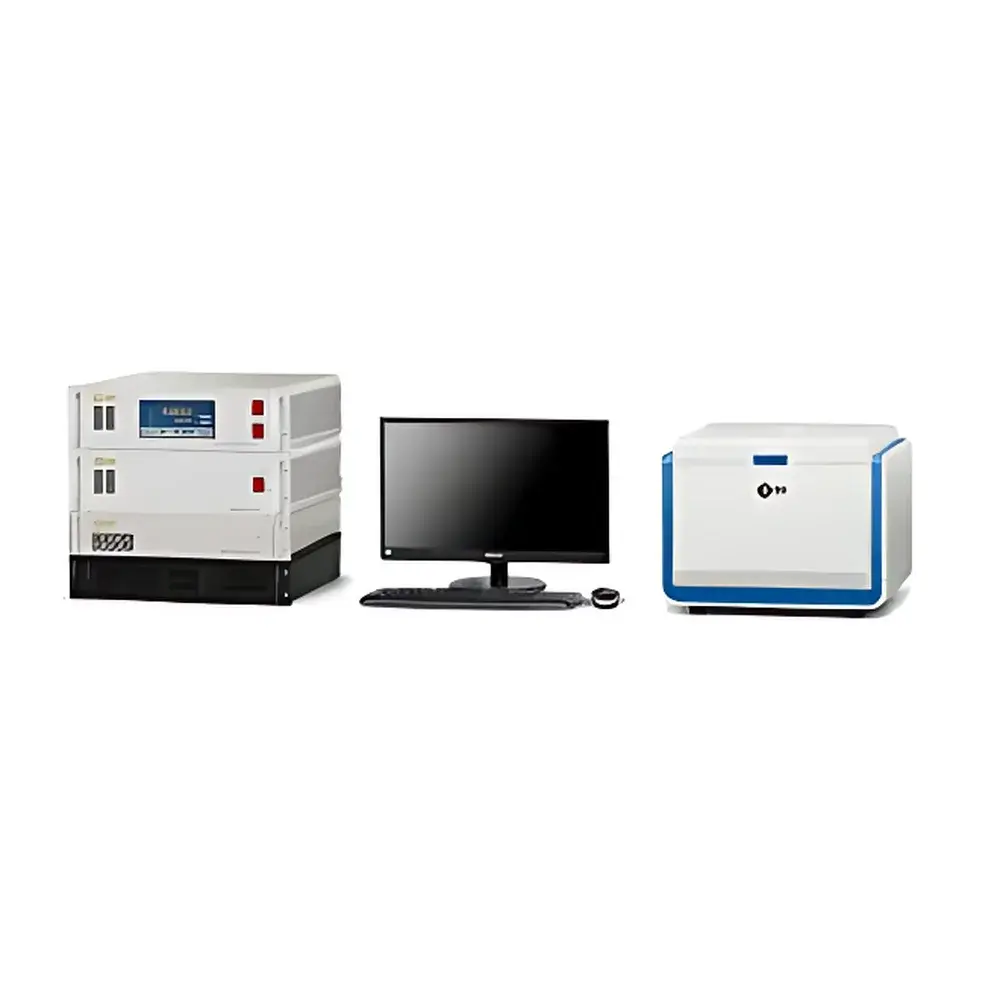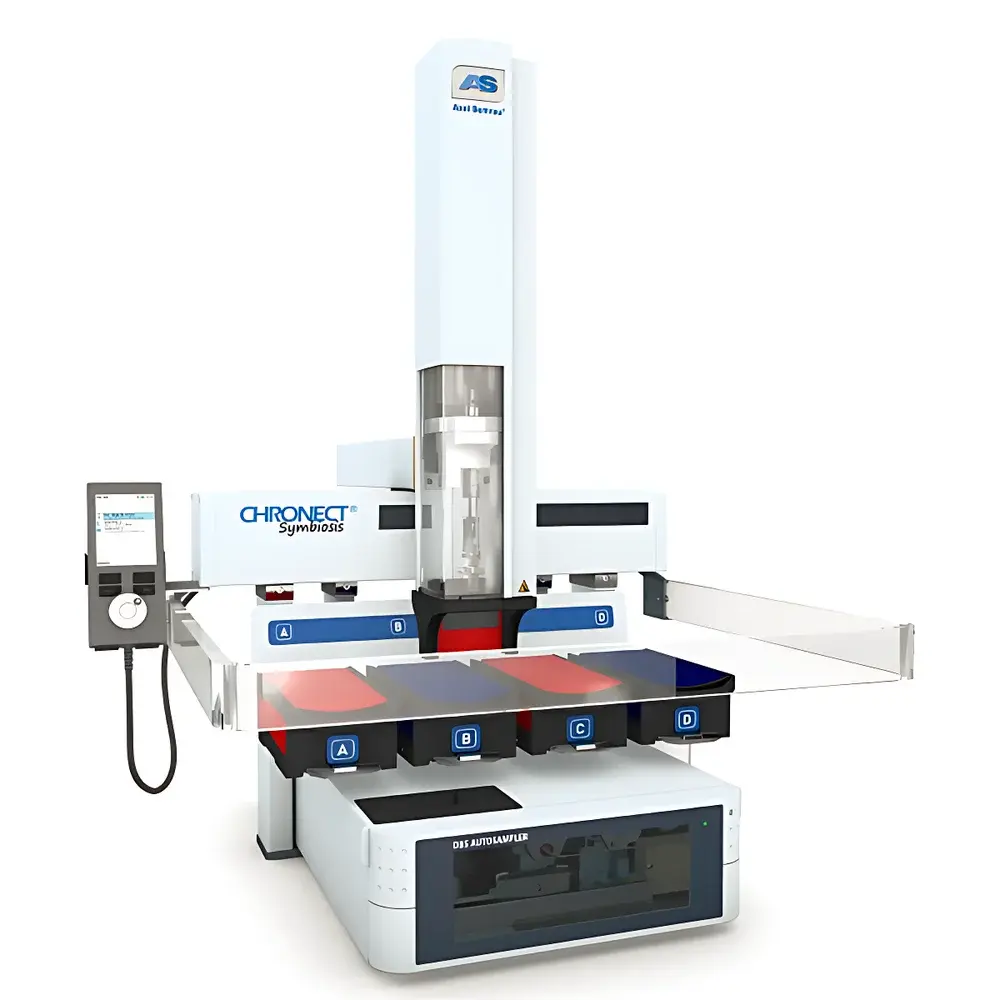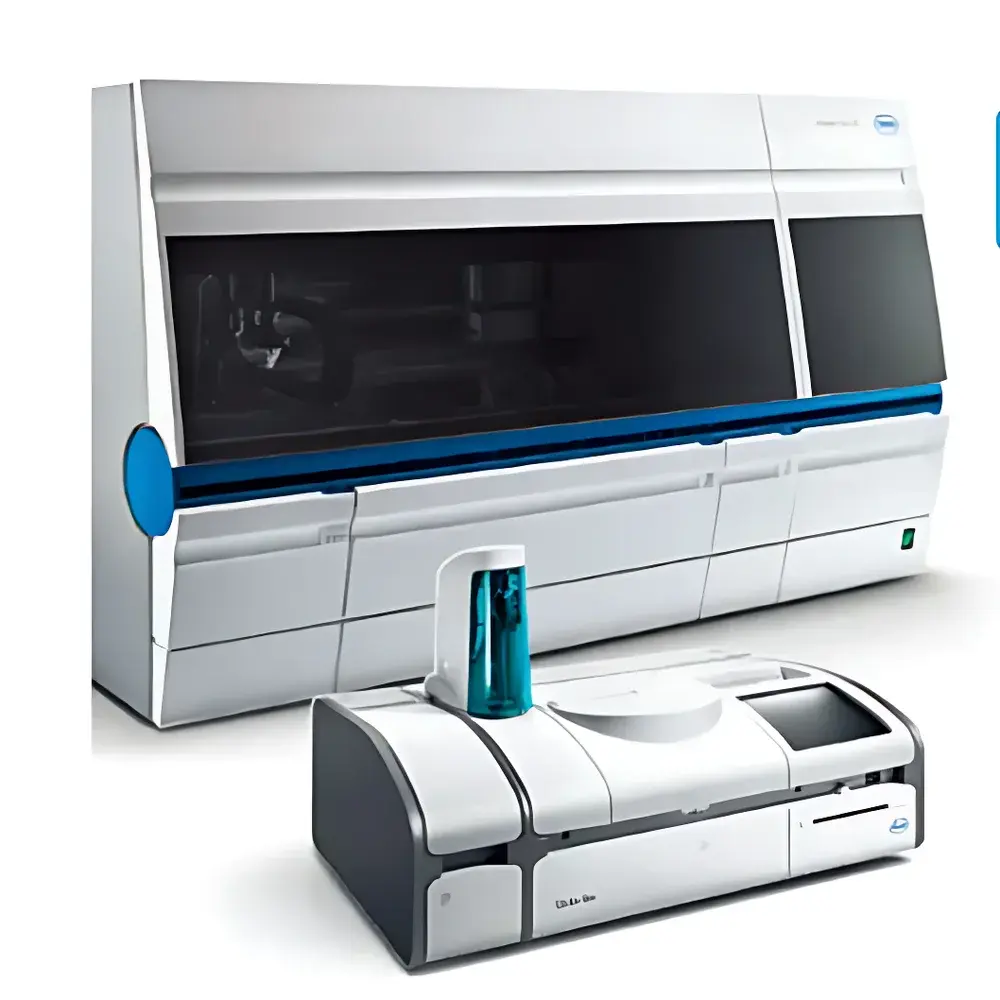
Roche Cedex Bio and Cedex Bio HT Biochemical Analyzers
| Brand | Roche |
|---|---|
| Origin | Switzerland |
| Model | Cedex Bio / Cedex Bio HT |
| Principle | Continuous Flow (Channel-Based) Analysis |
| Reagents | Roche-Approved Only |
| Sample Type | Cell Culture Supernatant |
| Analyte Scope | Substrates, Metabolites, Products |
| Throughput | High (Cedex Bio HT), Standard (Cedex Bio) |
| Regulatory Context | Designed for GMP-aligned bioprocess monitoring and QC release testing |
Overview
The Roche Cedex Bio and Cedex Bio HT biochemical analyzers are dedicated, fully automated benchtop systems engineered for precise, reproducible quantification of critical metabolites and nutrients in mammalian and microbial cell culture supernatants. Built on enzymatic colorimetric and fluorometric detection principles—validated per ISO 15197 and aligned with ICH Q5D guidance for cell line characterization—the instruments implement continuous flow (channel-based) analysis to minimize carryover, ensure linear dynamic range across physiological concentrations, and deliver robust performance under extended unattended operation. Unlike general-purpose clinical chemistry analyzers, the Cedex platform is purpose-built for upstream bioprocess development and manufacturing support, offering traceable, audit-ready data generation compliant with FDA 21 CFR Part 11 requirements when configured with Roche’s validated software suite. Both models operate exclusively with Roche-certified reagent kits, ensuring method consistency, lot-to-lot reproducibility, and full traceability from assay design through calibration and validation.
Key Features
- Instrument-specific reagent architecture: All assays utilize Roche-developed, lyophilized or liquid-stable reagent cartridges with embedded lot-specific calibration curves—eliminating manual calibration and reducing operator-dependent variability.
- Dual-platform flexibility: Cedex Bio supports up to 12 samples per run with integrated touchscreen control and minimal footprint (< 0.3 m²); Cedex Bio HT accommodates 90-position sample racks, enabling overnight batch processing with onboard reagent stability exceeding 72 hours.
- Automated dilution and reflex testing: Onboard serial dilution (1:2 to 1:100) ensures accurate quantification of high-concentration analytes without manual intervention; reflex logic triggers confirmatory assays based on initial result thresholds.
- Integrated quality assurance: Real-time system suitability checks include photometric verification, flow-path pressure monitoring, and waste-level sensing—each logged with time-stamped metadata for GLP/GMP traceability.
- Reduced maintenance burden: Solid-state fluidics, self-cleaning aspiration probes, and sealed optical path design extend mean time between service interventions to >6 months under typical lab usage (20–30 runs/week).
Sample Compatibility & Compliance
The Cedex platforms accept clarified, non-hemolyzed cell culture supernatants—including CHO, HEK293, hybridoma, and E. coli fermentation broths—without centrifugation or filtration when turbidity remains below 1.2 NTU. Sample volume requirements range from 50 µL (Cedex Bio) to 100 µL (Cedex Bio HT), compatible with standard 96-well microplates and rack-based tubes (13 × 75 mm). All assays comply with ISO 17511 for metrological traceability to SI units and are validated per USP <1058> Analytical Instrument Qualification protocols. The system supports 21 CFR Part 11-compliant electronic signatures, audit trails with immutable timestamps, and role-based user access control—enabling deployment in regulated environments supporting IND-enabling studies, process validation, and commercial lot release.
Software & Data Management
Roche Cedex Software (v4.2+) provides a secure, browser-accessible interface for method configuration, instrument control, and real-time data visualization. Raw absorbance/fluorescence signals, calibration curves, and QC results are stored in an encrypted SQLite database with automatic daily backups. Export formats include CSV, PDF analytical reports, and structured XML for LIMS integration (ASTM E1384, HL7 v2.5.1 compliant). The software includes built-in trending tools for SPC (Statistical Process Control) charting—supporting X-bar/R charts, Cp/Cpk calculations, and out-of-trend (OOT) alerts per ICH Q8(R2) recommendations. All software updates undergo formal change control and are accompanied by impact assessments per ISO 13485:2016 Annex C.
Applications
- Bioprocess development: Glucose, lactate, glutamine, glutamate, ammonium, and viable cell density (VCD) monitoring during fed-batch and perfusion optimization.
- Cell line selection: Rapid comparative assessment of metabolic profiles across clones to identify high-yield, low-byproduct producers.
- Media development: Quantitative evaluation of amino acid depletion kinetics and osmolality-related metabolite shifts.
- Process characterization: Design of Experiments (DoE)-driven parameter mapping for scale-down model qualification.
- QC release testing: Final harvest titer confirmation and impurity profiling prior to downstream purification—performed under SOPs aligned with EU Annex 1 and FDA Guidance for Industry: Quality Considerations in Demonstration of Comparability.
FAQ
Are third-party reagents supported on the Cedex platform?
No. Only Roche-manufactured, CE-IVD marked, and FDA-cleared reagent kits are validated for use. Substitution voids IQ/OQ/PQ documentation and compromises regulatory compliance.
What is the maximum allowable sample viscosity for reliable aspiration?
Viscosity must not exceed 3.5 cP at 37°C. Higher-viscosity supernatants require pre-dilution with Roche-supplied diluent to maintain laminar flow integrity in the capillary manifold.
Can the Cedex Bio HT integrate with robotic liquid handlers?
Yes—via RS-232 and Ethernet interfaces supporting ASTM E1482-05 (Standard Practice for Communication Between Clinical Laboratory Instruments and Computer Systems) and custom API endpoints for middleware orchestration.
Is remote diagnostic support available?
Roche offers Secure Remote Access (SRA) under signed Business Associate Agreement (BAA), enabling encrypted, session-limited technician connectivity for troubleshooting—fully auditable per HIPAA and GDPR technical safeguards.
How often must the optical path be cleaned?
Under normal operation (≤ 50 runs/week), cleaning is required only every 90 days using Roche-recommended isopropanol wipes; no disassembly or recalibration is needed post-cleaning.