
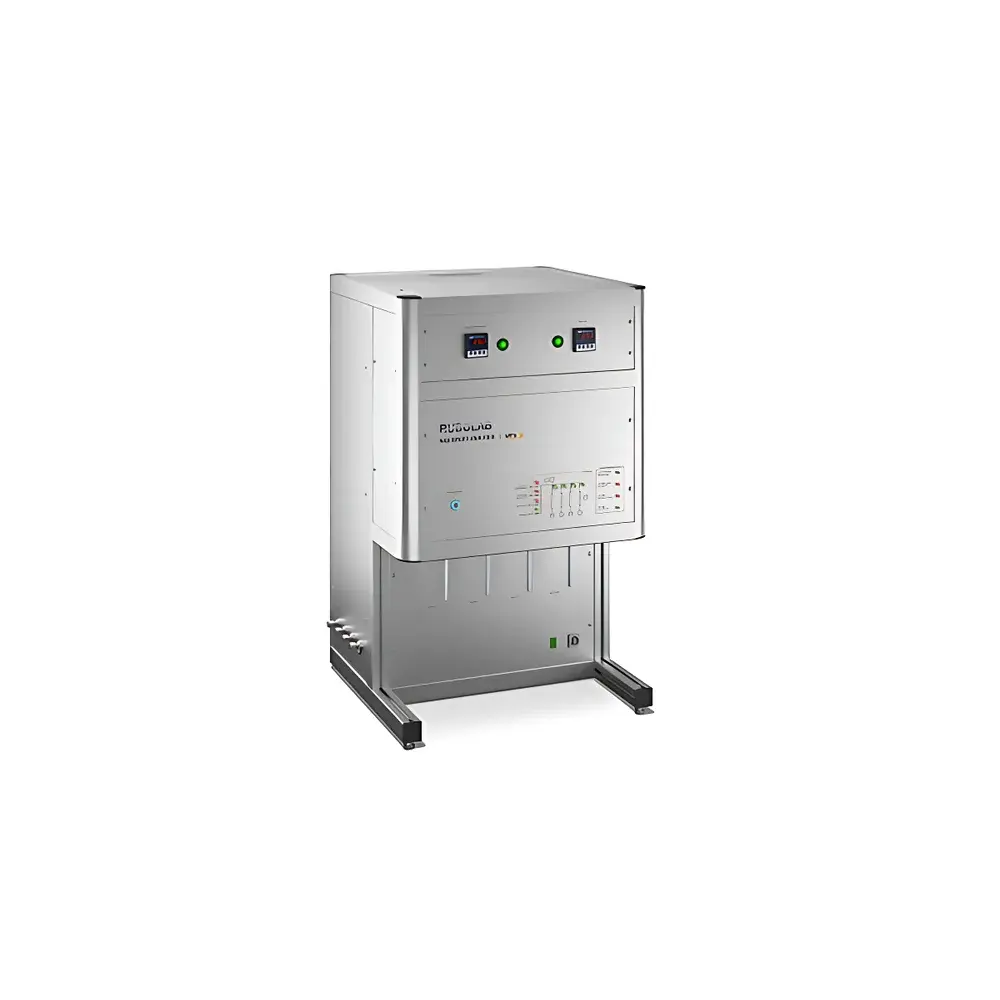
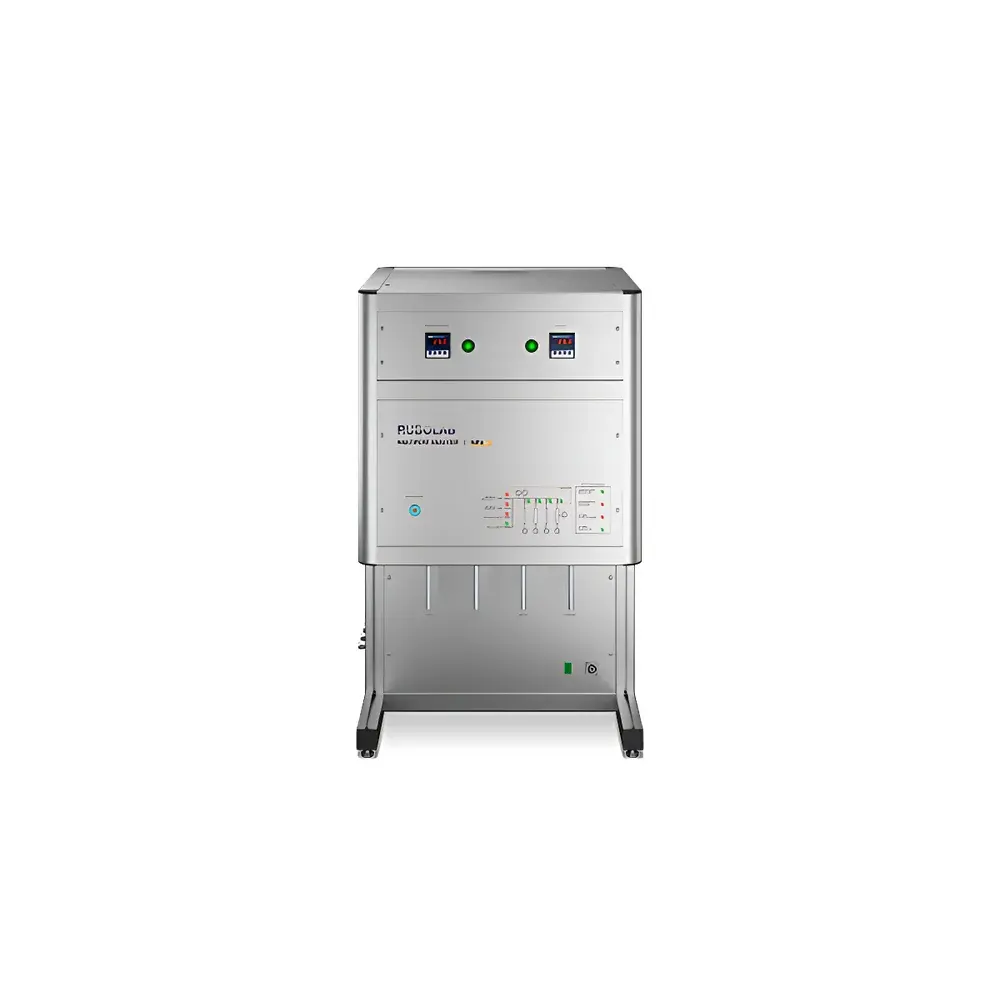
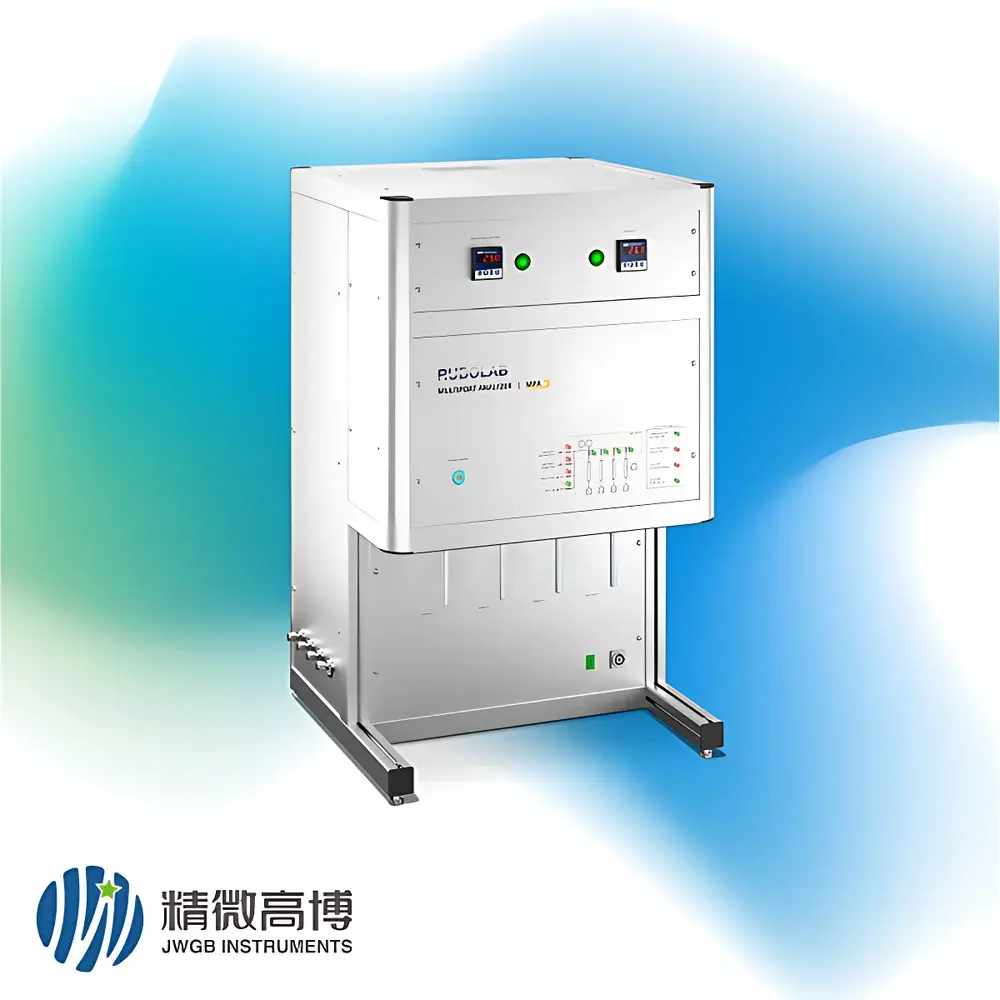
RuboLab RuboSORP-MPA Multi-Channel High-Pressure Adsorption Analyzer (200 bar)
| Brand | RuboLab |
|---|---|
| Origin | Germany |
| Model | RuboSORP MPA |
| Measurement Principle | Volumetric (Gravimetric Option Not Supported) |
| Temperature Range | 0–300 °C (optional cryogenic: −196 °C |
| optional high-temp | 500 °C, subject to consultation) |
| Pressure Range | Up to 200 bar (standard configuration: 100 bar |
| Sample Capacity | 1, 3 or 5 parallel sample cells |
| Compliance | Designed and validated per DIN EN ISO 9001 quality management system requirements |
| Automation Level | Fully automated isotherm and PCT (Pressure–Composition–Temperature) acquisition with real-time data processing |
Overview
The RuboLab RuboSORP-MPA Multi-Channel High-Pressure Adsorption Analyzer is an engineered solution for quantitative characterization of gas adsorption behavior in porous and functional materials under industrially relevant pressure and temperature conditions. Based on the volumetric (manometric) measurement principle, the instrument determines adsorbed gas quantity by precisely monitoring pressure decay or buildup within a calibrated reference volume—enabling high reproducibility and traceable quantification across wide thermodynamic domains. Unlike gravimetric systems, the RuboSORP-MPA eliminates buoyancy and calibration drift concerns associated with microbalance operation at elevated pressures, making it particularly suited for metal–organic frameworks (MOFs), activated carbons, zeolites, hydrogen storage alloys, and catalyst supports where robustness and long-term stability are critical. Its modular architecture supports 1-, 3-, or 5-sample configurations, allowing parallel acquisition of adsorption isotherms or comparative PCT analysis without cross-contamination or sequential delay.
Key Features
- Multi-channel capability: Simultaneous testing of up to five independent samples under identical or individually programmed T/P profiles—reducing inter-run variability and accelerating material screening.
- Extended operational envelope: Standard 100 bar pressure range; factory-configurable 200 bar version available for high-pressure hydrogen, methane, or CO₂ storage validation (e.g., SAE J2579, ISO 16111 compliance testing).
- Thermal flexibility: Integrated furnace and cryostat interfaces support temperature control from 0 °C to 300 °C; low-temperature (−196 °C liquid nitrogen) and high-temperature (up to 500 °C) extensions available upon technical review.
- ISO 9001-aligned uncertainty quantification: Automated propagation of measurement uncertainties—including pressure transducer accuracy (±0.05% FS), temperature sensor tolerance (±0.1 K), and volume calibration traceability—to generate EN ISO/IEC 17025-compatible uncertainty budgets for each isotherm point.
- Robust pneumatic architecture: All-welded stainless-steel manifolds, helium-leak-tested to <1×10⁻⁹ mbar·L/s, and dual-stage pressure regulation ensure long-term sealing integrity and minimal dead-volume contribution.
Sample Compatibility & Compliance
The RuboSORP-MPA accommodates powders, pellets, monoliths, and thin films in standardized UHV-compatible sample holders (diameter: 8–12 mm; max height: 25 mm). Each cell features independent thermal equilibration and pressure isolation, enabling heterogeneous sample sets (e.g., baseline carbon vs. doped MOF vs. commercial catalyst) to be evaluated under identical boundary conditions. The system complies with key international standards governing adsorption metrology: ASTM D3663 (gas adsorption surface area), ISO 9277 (BET surface area), ISO 15901-2 (pore size distribution via HK/DFT), and ISO 13754 (hydrogen storage capacity). For regulated environments, optional audit-trail logging, electronic signature support, and 21 CFR Part 11–compliant software modules are available to meet GLP/GMP documentation requirements.
Software & Data Management
RuboControl™ v5.x provides full instrument orchestration—from degas protocol definition (ramp rate, hold time, vacuum level) to isotherm step sequencing (equilibration timeout, pressure increment logic, convergence criteria). Real-time calculation of absolute adsorbed amount (mmol/g) uses ideal gas law correction with virial or Peng–Robinson EOS options. Raw pressure–time datasets are stored in HDF5 format with embedded metadata (sample ID, operator, timestamp, calibration IDs). Built-in model fitting includes Langmuir, Dual-Site Langmuir, Toth, Sips, and Virial equations; DFT kernel libraries (NLDFT, QSDFT) can be imported for pore size distribution analysis. Export formats include CSV, Excel, and ASTM E2917-compliant XML for LIMS integration.
Applications
- Hydrogen and methane storage material qualification for onboard vehicular systems (SAE J2718, ISO 16111)
- Pore structure characterization of battery electrode coatings and solid-state electrolyte fillers
- CO₂ capture sorbent screening under post-combustion (0.1–1 bar) and pre-combustion (20–100 bar) conditions
- Adsorption thermodynamics (isosteric heat, entropy) via van’t Hoff analysis across ≥3 temperatures
- Accelerated aging studies via repeated high-pressure cycling with in situ leakage detection
FAQ
What calibration standards are used for pressure and temperature sensors?
All pressure transducers are NIST-traceably calibrated using dead-weight testers; Pt100 sensors are certified per IEC 60751 Class A (±0.15 K at 0 °C). Calibration certificates are provided with each system.
Can the instrument perform desorption isotherms automatically?
Yes—fully reversible adsorption/desorption cycles are programmable, including hysteresis loop acquisition with user-defined desorption ramp rates and dwell times.
Is remote monitoring and control supported?
The system supports secure TLS-encrypted remote access via Ethernet; live pressure/temperature plots, alarm status, and queue management are accessible through browser-based interface.
How is sample outgassing handled prior to adsorption measurement?
Integrated high-vacuum pump (≤1×10⁻⁷ mbar base pressure) and programmable heating ramps (up to 300 °C) enable controlled thermal degassing; residual gas analysis (RGA) port optional for evolved gas identification.
Does the software support multi-language UI and report generation?
UI supports English, German, French, and Chinese; reports are exportable in PDF with customizable templates compliant with internal QA or external regulatory submission requirements.



