
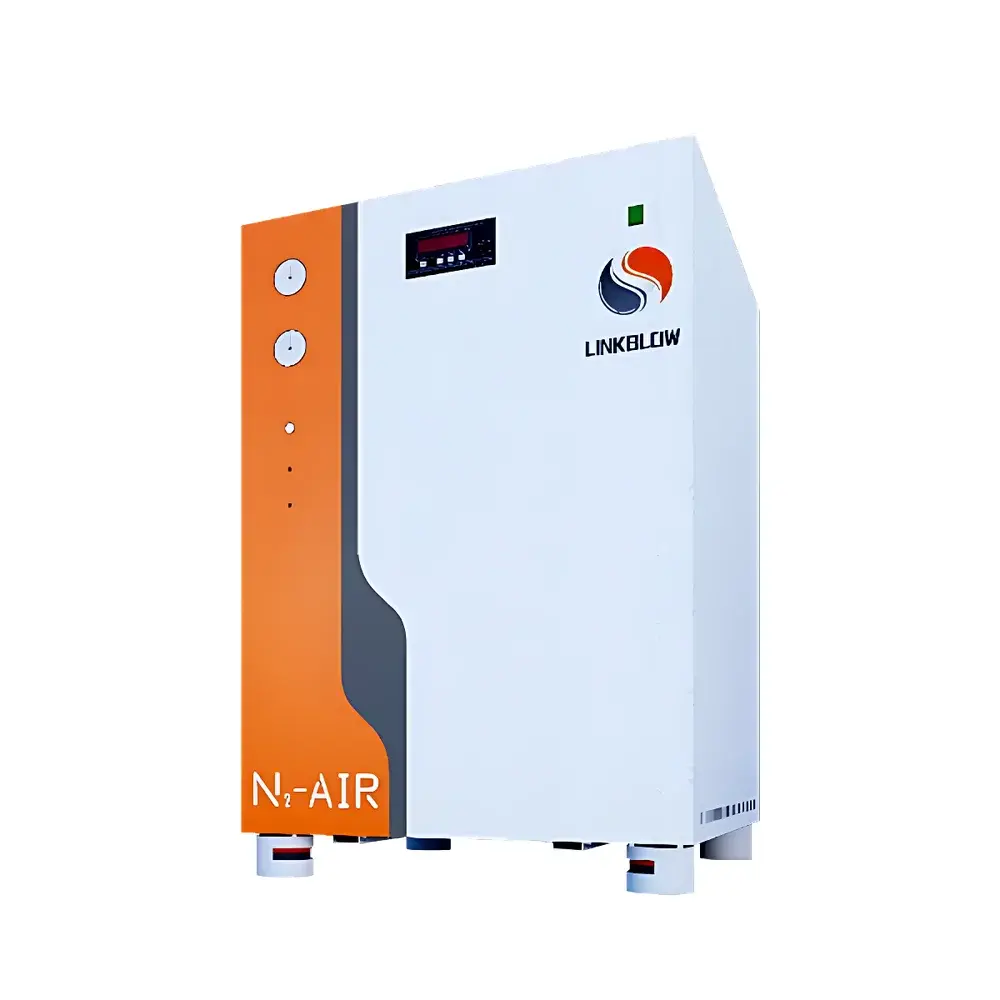
Runrong Instrument G-3000 High-Purity PSA Nitrogen Generator with Zero-Air Co-Production for GC Applications
| Brand | Runrong Instrument |
|---|---|
| Origin | Shanghai, China |
| Manufacturer Type | Authorized Distributor |
| Product Category | Domestic |
| Model | G-3000 |
| Price Range | USD 1,400 – 7,000 |
| Instrument Type | Nitrogen Generator |
| Nitrogen Generation Principle | Pressure Swing Adsorption (PSA) |
| Output Flow Rate | 3000 mL/min |
| Output Pressure | 0–0.6 MPa |
| Nitrogen Purity | ≥99.999% (≤1 ppm O₂ + H₂O + hydrocarbons) |
Overview
The Runrong Instrument G-3000 is a dual-output, high-purity gas generator engineered for continuous, on-demand supply of both ultra-high-purity nitrogen and zero-grade air—specifically optimized for gas chromatography (GC) systems from Shimadzu, Agilent, Thermo Fisher, and other major OEM platforms. It employs a robust, two-column Pressure Swing Adsorption (PSA) architecture with carbon molecular sieve (CMS) beds to separate nitrogen from compressed ambient air. Unlike membrane-based or cryogenic alternatives, PSA enables precise control over purity, flow, and pressure while maintaining stable output under variable load conditions. The system integrates parallel purification trains: one dedicated to nitrogen enrichment and deep removal of residual O₂, H₂O, and hydrocarbons; the other configured for zero-air generation via catalytic oxidation and multi-stage adsorption. This co-production design eliminates the need for separate nitrogen and zero-air generators—reducing footprint, operational complexity, and long-term cost of ownership in analytical laboratories.
Key Features
- Continuous dual-output capability: Simultaneous delivery of ≥99.999% nitrogen (≤1 ppm total impurities) and zero-grade air (≤0.1 ppm hydrocarbons, ≤0.1 ppm CO, ≤0.5 ppm CO₂, dew point ≤−70 °C)
- PSA core with auto-balancing dual-CMS columns ensuring >20,000 hours of adsorbent service life and consistent purity across full flow range (0–3000 mL/min)
- Integrated electronic desiccant dryer with regenerative cycle—achieves dew point stability at −70 °C without consumable desiccant cartridges
- In-line hydrocarbon and oil removal filtration: Sub-micron particulate retention (<0.01 µm), activated carbon + copper catalyst stages for trace CO/CH₄/NO abatement
- Intelligent pressure management: Digital PID-controlled output regulation (0–0.6 MPa) with real-time feedback and overpressure safety cutoff
- Modular, field-serviceable architecture compliant with IEC 61010-1 for laboratory electrical safety and EMC immunity
Sample Compatibility & Compliance
The G-3000 is validated for direct integration with all mainstream GC detectors—including FID, TCD, ECD, and NPD—as well as LC-MS nitrogen curtain gas inlets and sample preparation purge systems. Its output meets ASTM D6299 and ISO 8573-1:2010 Class 1.2.1 specifications for compressed gases used in analytical instrumentation. Nitrogen purity compliance aligns with USP and EP 2.2.47 requirements for carrier gas in pharmacopeial methods. The system supports GLP/GMP workflows through optional audit-trail-enabled firmware (v2.3+), logging runtime, pressure events, purity alarms, and maintenance intervals in accordance with FDA 21 CFR Part 11 data integrity principles.
Software & Data Management
The G-3000 operates via an embedded ARM Cortex-M7 controller with local OLED interface and RS-485 Modbus RTU connectivity. Optional Ethernet/Wi-Fi module enables remote monitoring via web-based dashboard (HTTPS/TLS 1.2 secured), supporting SNMP traps, email alerts, and CSV export of operational logs. All system diagnostics—including CMS bed saturation status, filter lifetime countdown, and dew point drift history—are timestamped and exportable for QA review. Firmware updates are performed via signed binary packages to ensure integrity and traceability.
Applications
- Carrier gas supply for capillary GC and GC-MS analyses requiring baseline stability and low detector noise
- Purge-and-trap, dynamic headspace, and thermal desorption systems where consistent zero-air background is critical
- Nitrogen blanketing during solvent evaporation, sample storage, and reagent handling in QC/QA labs
- Mobile and decentralized labs where cylinder dependency introduces logistical risk and contamination potential
- Method validation studies per ICH Q2(R2) guidelines requiring documented gas source consistency and impurity profiling
FAQ
What is the expected lifetime of the carbon molecular sieve (CMS) beds?
CMS beds are rated for ≥20,000 hours of continuous operation under specified inlet air quality (ISO 8573-1 Class 3.2.2); replacement is recommended after 36 months or based on purity verification testing.
Does the G-3000 require external air compression?
Yes—it requires a clean, oil-free compressed air feed (≥7 bar, ISO 8573-1 Class 1.2.2) supplied by a compatible lab-grade air compressor with pre-filtration.
Can output purity be verified in situ?
The system includes calibrated O₂ and moisture sensors with NIST-traceable calibration certificates; optional integrated photoacoustic O₂ analyzer (0–10 ppm range) is available for real-time purity validation.
Is the unit suitable for regulated pharmaceutical environments?
With audit-trail firmware enabled and IQ/OQ documentation package (available upon request), the G-3000 supports compliance with EU GMP Annex 15 and FDA Process Validation Guidance for gas supply qualification.
What maintenance intervals are recommended?
Pre-filters every 6 months; hydrocarbon/catalyst cartridge every 12 months; CMS performance verification annually via certified third-party gas analysis.



