
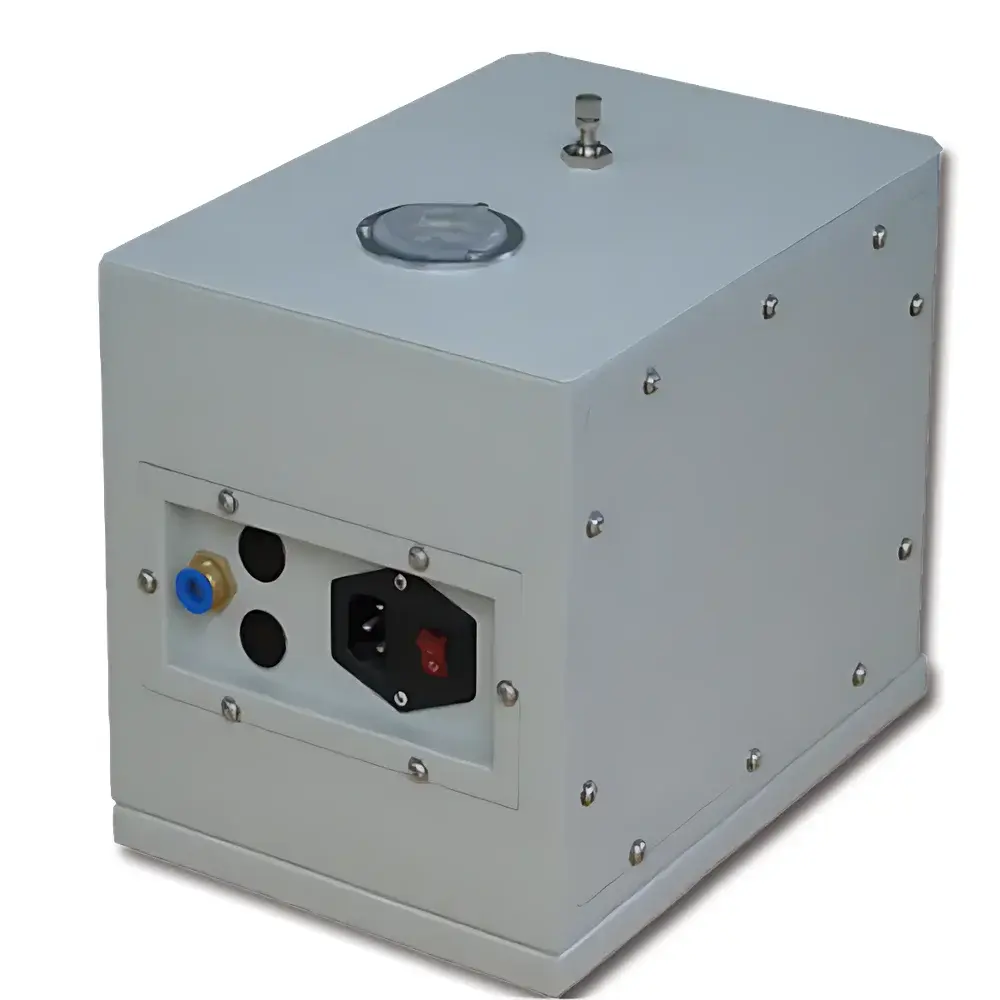
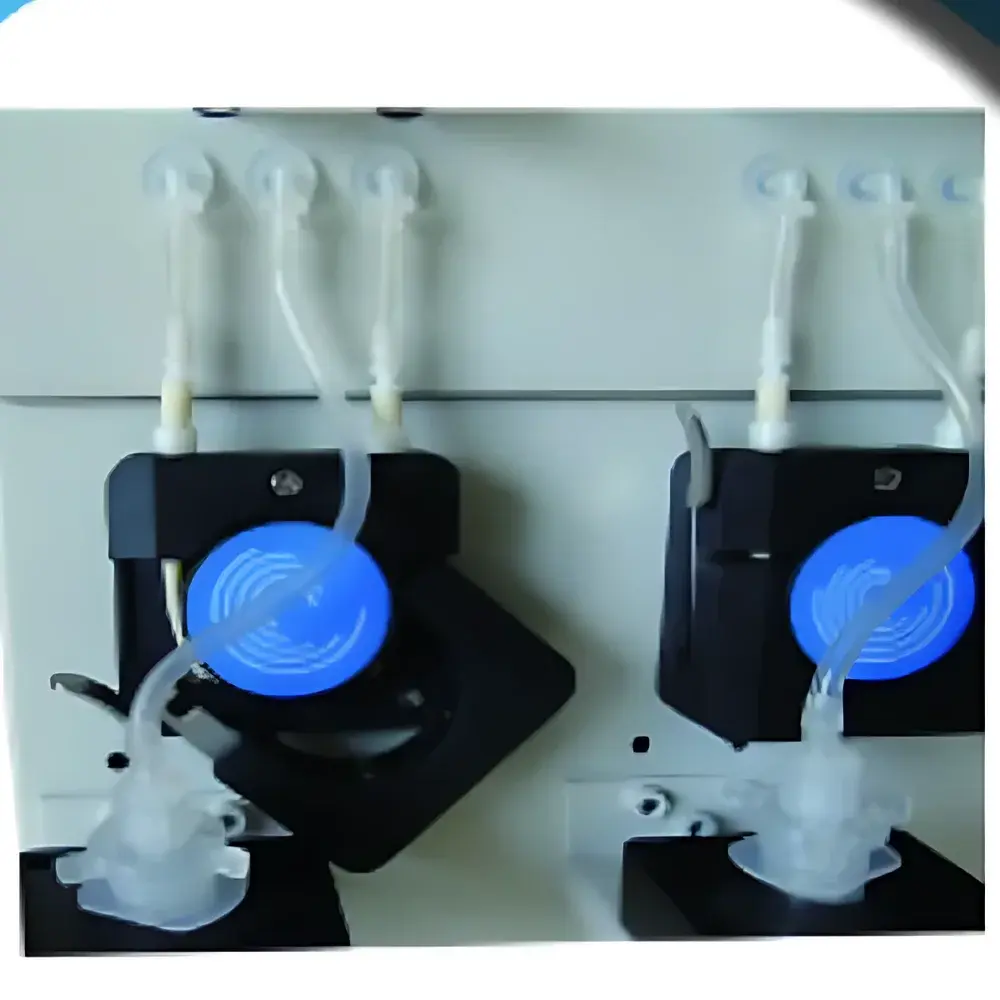
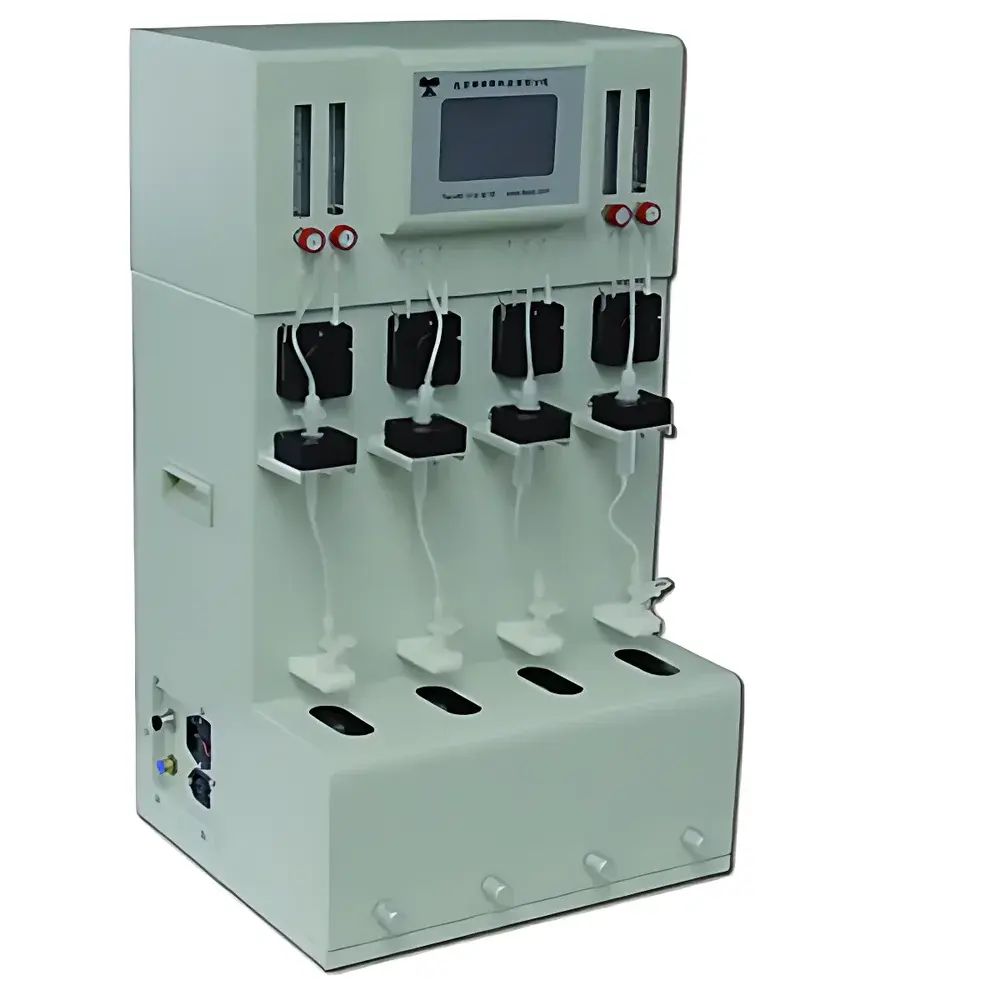
Saprete GL-4 Semi-Automatic Solid Phase Extraction Instrument
| Brand | Saprete |
|---|---|
| Origin | Beijing, China |
| Manufacturer Type | Manufacturer |
| Model | GL-4 |
| Automation Level | Semi-Automatic |
| Channel Count | 4-Channel |
| Extraction Format | Cartridge-Based SPE |
| Flow Rate Control Range | 1–50 mL/min |
| Solvent Compatibility | Multi-Solvent (Compatible with Acetonitrile, Methanol, Ethyl Acetate, Hexane, Dichloromethane, and Aqueous Buffers) |
| Sample Capacity | Up to 4 Samples Simultaneously |
| Sample Loading Volume | 50 mL – 10 L per Sample |
| Wetted Materials | PTFE (Polytetrafluoroethylene) |
| Cartridge Sizes Supported | 1 mL, 3 mL, 6 mL, and 12 mL SPE cartridges |
| User Interface | Touchscreen Controller with Onboard Method Storage |
| Fluid Path | Integrated Solvent Selection Valve with Independent Waste Port Control |
| Pump Calibration & System Priming Functionality | Yes |
| Cleaning Protocol | Automated Liquid Path Rinse Cycle |
| Structural Design | Push-Pull Sample Collection Tray with Modular Cartridge Holder |
Overview
The Saprete GL-4 Semi-Automatic Solid Phase Extraction Instrument is an engineered solution for high-throughput, reproducible sample preparation in analytical laboratories performing liquid chromatography (LC), gas chromatography (GC), or mass spectrometry (MS)-based analyses. Based on classical cartridge-based solid phase extraction (SPE) methodology, the GL-4 implements precise, programmable fluid handling to automate critical steps—including conditioning, loading, washing, and elution—while retaining manual flexibility for method optimization and troubleshooting. Its design adheres to core principles of sorbent–analyte interaction kinetics and bed-volume–flow-rate relationships defined in ISO 17935:2018 and ASTM D7289-19, ensuring compatibility with validated environmental, pharmaceutical, and food safety workflows. The instrument supports large-volume sample processing (up to 10 L per channel), making it particularly suited for trace analyte enrichment from dilute aqueous matrices such as wastewater, surface water, or biological fluids.
Key Features
- Four independent SPE channels with synchronized or staggered operation, enabling parallel processing without cross-contamination.
- PTFE-wetted fluid path ensures chemical inertness across aggressive organic solvents (e.g., dichloromethane, acetonitrile) and acidic/basic aqueous media, minimizing adsorptive losses and carryover.
- Adjustable peristaltic or syringe-driven pump (configurable per installation) delivers stable flow rates from 1 to 50 mL/min with ±3% volumetric accuracy under standard calibration conditions.
- Touchscreen HMI with onboard storage for ≥100 user-defined methods; each method includes discrete parameters for load/wash/elute volumes, flow rates, dwell times, and solvent selection sequences.
- Modular push-pull collection tray accommodates standard 12 × 75 mm or 16 × 100 mm test tubes, vials, or microcentrifuge tubes—no proprietary consumables required.
- Dual-path valve manifold allows real-time switching between sample collection and waste discharge, eliminating manual tubing reconfiguration during multi-step protocols.
- Integrated pump calibration routine and automated liquid path rinse cycle support routine maintenance and regulatory compliance documentation (e.g., IQ/OQ verification).
Sample Compatibility & Compliance
The GL-4 accepts all commercially available SPE cartridges (1 mL, 3 mL, 6 mL, and 12 mL formats) with polypropylene or polyethylene housings and standard frit configurations. It is routinely deployed in laboratories operating under GLP (Good Laboratory Practice) and GMP (Good Manufacturing Practice) frameworks, where traceability and procedural consistency are mandated. While the instrument itself does not carry CE or UL certification, its architecture aligns with electrical safety and chemical containment expectations outlined in IEC 61010-1. Method validation studies conducted using the GL-4 have demonstrated recovery reproducibility ≤5% RSD (n=6) for spiked pesticide residues in drinking water per EPA Method 525.3, and consistent analyte retention for quinolone antibiotics in milk extracts per EU Commission Decision 2002/657/EC.
Software & Data Management
The GL-4 operates via embedded firmware with no external PC dependency. All method parameters, run logs (including start/stop timestamps, solvent used, volume dispensed, and error flags), and calibration records are stored internally with a non-volatile memory buffer. Audit trail functionality meets basic FDA 21 CFR Part 11 requirements for electronic records—user login credentials, timestamped actions, and immutable log entries are retained for ≥12 months. Export is supported via USB flash drive in CSV format for integration into LIMS or ELN platforms. No cloud connectivity or remote access capabilities are included, preserving data sovereignty and network security in regulated environments.
Applications
- Environmental monitoring: Pre-concentration of PAHs, PCBs, organochlorine pesticides, and perfluoroalkyl substances (PFAS) from 1–10 L water samples prior to GC-MS/MS analysis.
- Pharmaceutical QC: Cleanup of plasma, urine, or tissue homogenates for LC-MS quantification of active pharmaceutical ingredients (APIs) and metabolites.
- Food safety testing: Isolation of mycotoxins (e.g., aflatoxin B1, ochratoxin A) from cereal extracts and dairy products following AOAC Official Method 2005.08.
- Clinical toxicology: Selective isolation of opioids, benzodiazepines, and stimulants from forensic blood specimens using mixed-mode cation-exchange SPE cartridges.
- Method development labs: Rapid screening of sorbent chemistries (C18, SCX, SAX, Florisil, PSA) and solvent gradients due to independent channel control and flexible flow programming.
FAQ
Does the GL-4 support sequential elution with multiple solvents?
Yes—the integrated multi-solvent selection valve enables up to four distinct solvents per method step, with programmable dwell times and flow rates for each segment.
Can the instrument be integrated into a robotic sample preparation line?
Not natively; the GL-4 is a benchtop semi-automatic unit with no API, Ethernet port, or PLC-compatible I/O. Integration requires external pneumatic or digital relay interfacing.
What maintenance is required for long-term reliability?
Monthly inspection of pump tubing integrity, quarterly calibration verification using gravimetric measurement, and replacement of PTFE seals every 12 months under continuous use.
Is method validation documentation provided?
Saprete supplies a factory-verified IQ/OQ protocol template and raw calibration data sheets; full PQ (Performance Qualification) must be executed by the end user per internal SOPs.
Are spare parts and consumables readily available outside China?
PTFE-compatible pump tubing, cartridge holders, and valve manifolds are stocked by authorized Saprete distributors in North America and the EU; lead time averages 2–3 weeks.



