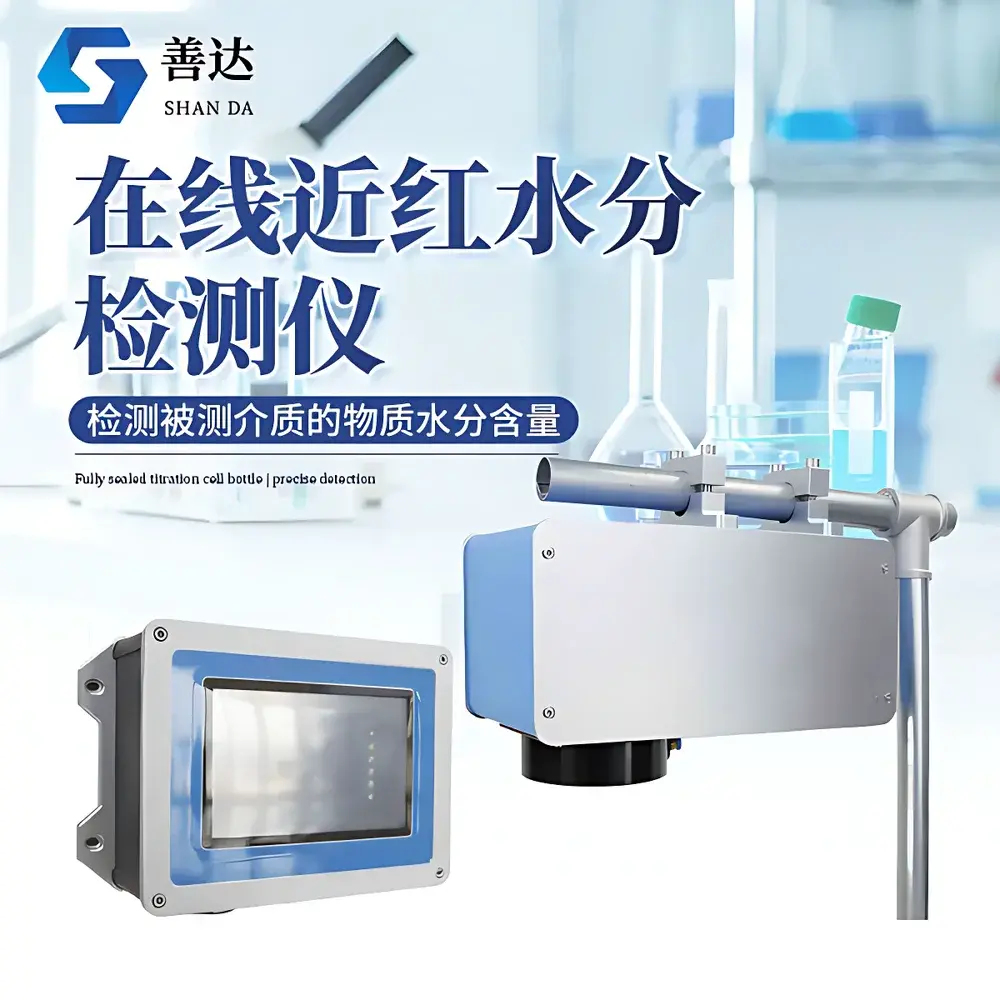
Shanda SD-NIR-AC Corrosion-Resistant Online Near-Infrared Moisture Analyzer
| Brand | Shanda |
|---|---|
| Model | SD-NIR-AC |
| Housing Material | 304 Stainless Steel |
| Measurement Principle | Near-Infrared Reflectance Spectroscopy (NIRS) at Water-Absorbing Wavelengths (e.g., 1450 nm, 1940 nm) |
| Moisture Range | 0–100% w/w |
| Accuracy | ±0.2% w/w (under stable composition conditions) |
| Temperature Compensation | Built-in, automatic |
| Optical Path | Non-contact, reflective configuration |
| Spot Diameter | 60–75 mm |
| Measurement Height | 350 mm ± 100 mm |
| Optical Window | High-borosilicate quartz glass |
| Light Source | Imported high-stability NIR LED/Laser |
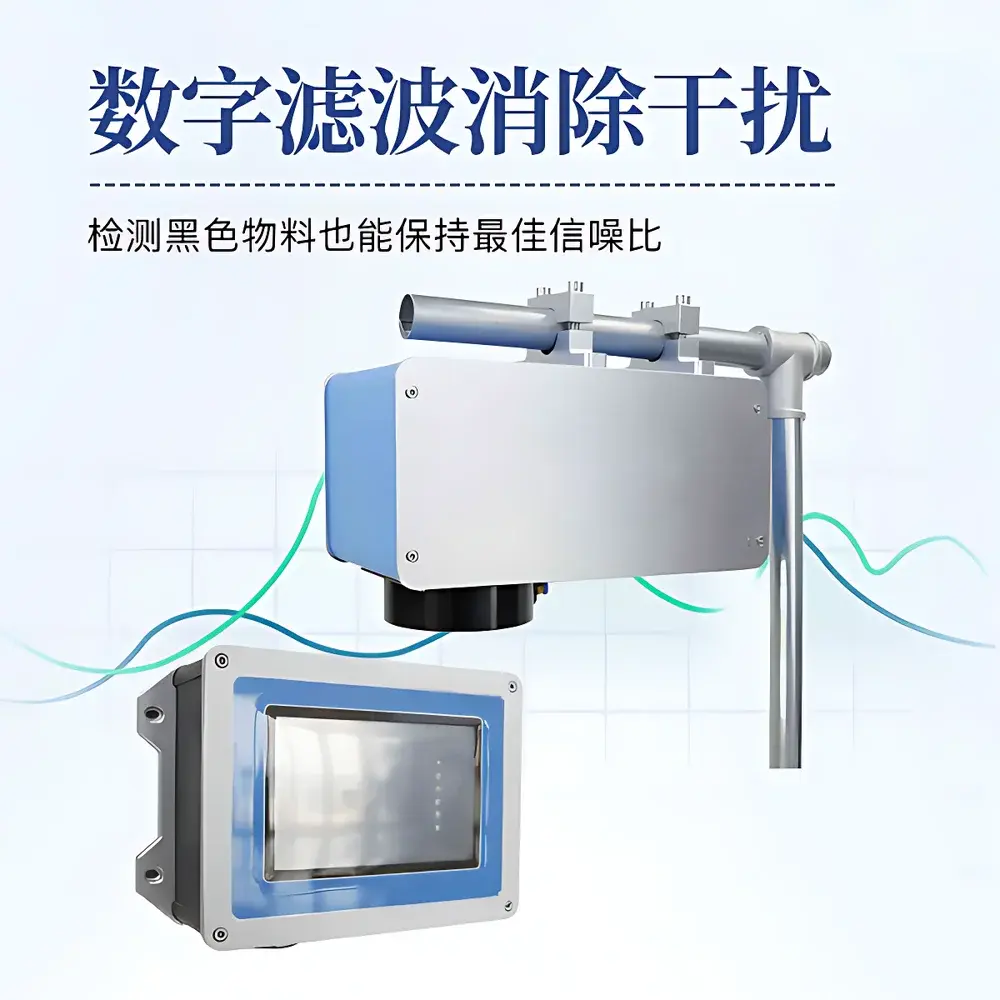
| Signal Processing | Full digital signal processing with adaptive digital filtering |
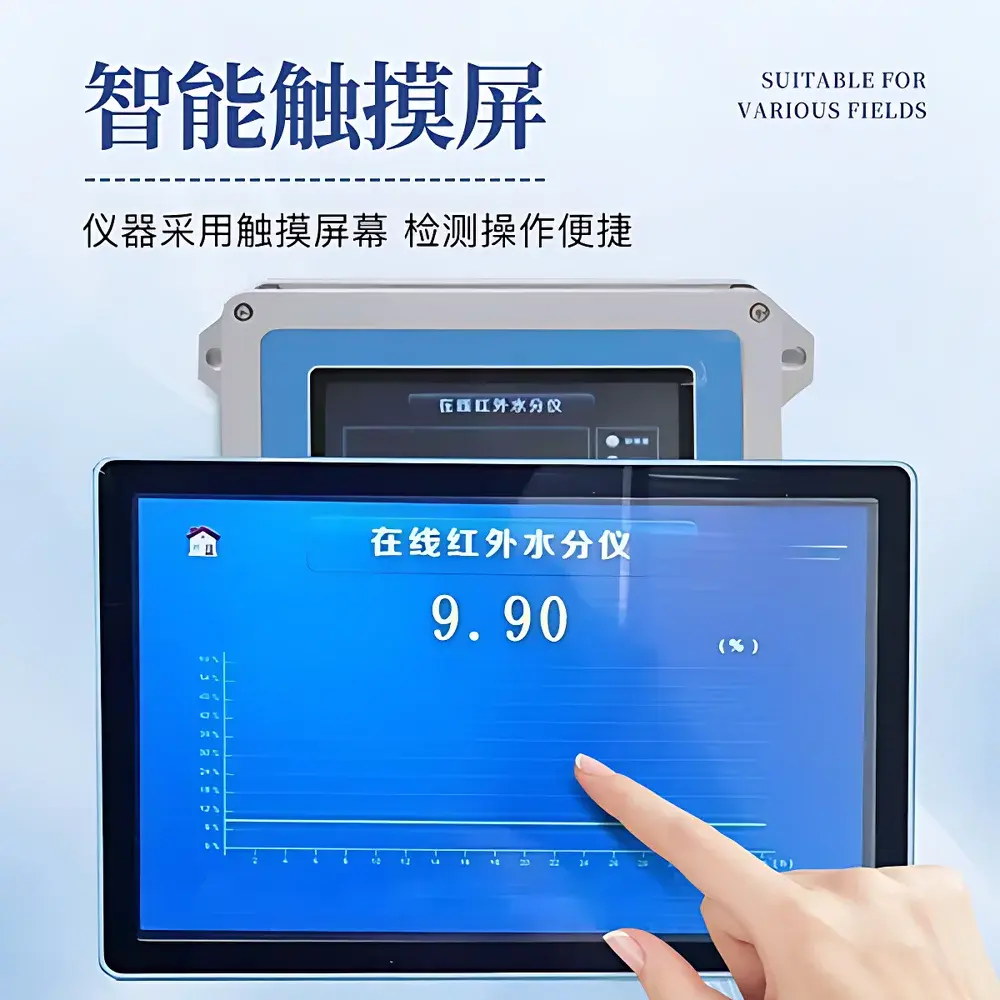
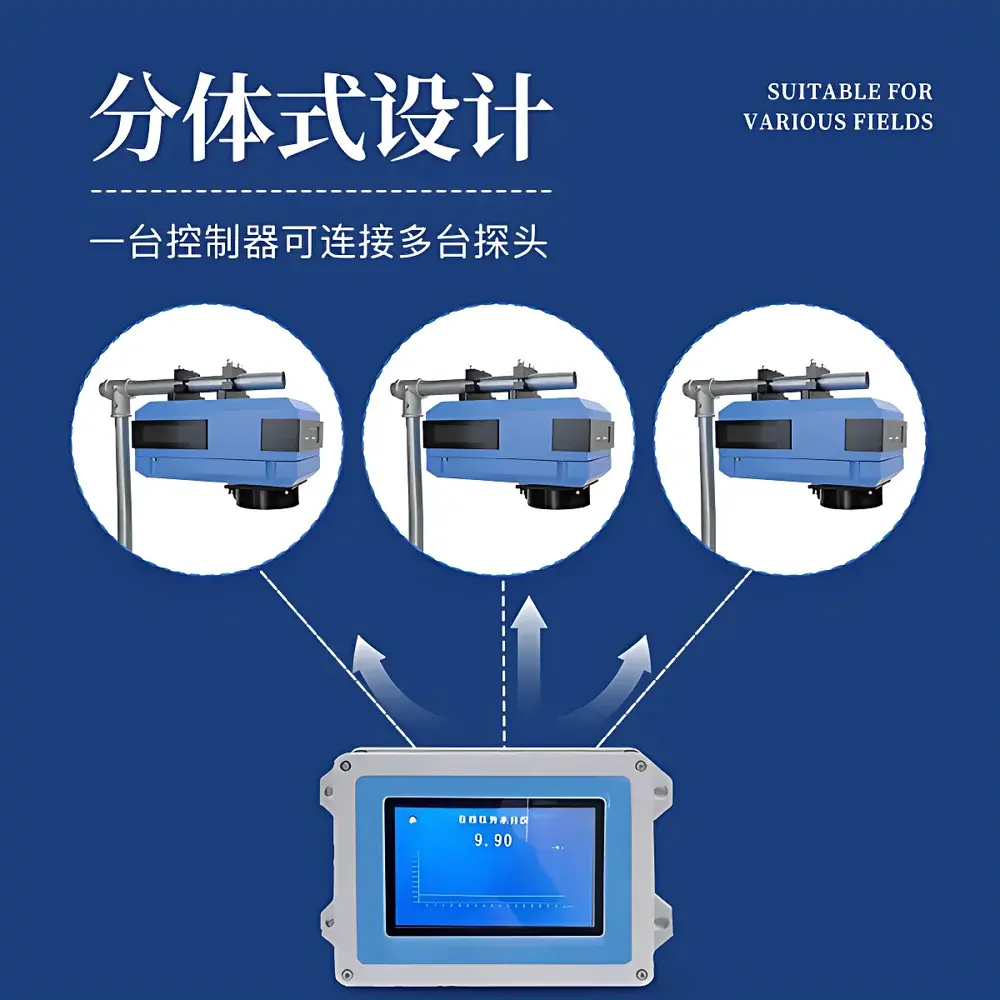
| Output Interfaces | RS485, 4–20 mA, RS232, Ethernet (LAN), LoRa wireless |
| Power Supply | 220 VAC / 50 Hz |
| Power Consumption | 60 W |
| Operating Environment | −40 °C to +70 °C, 5–95% RH (non-condensing) |
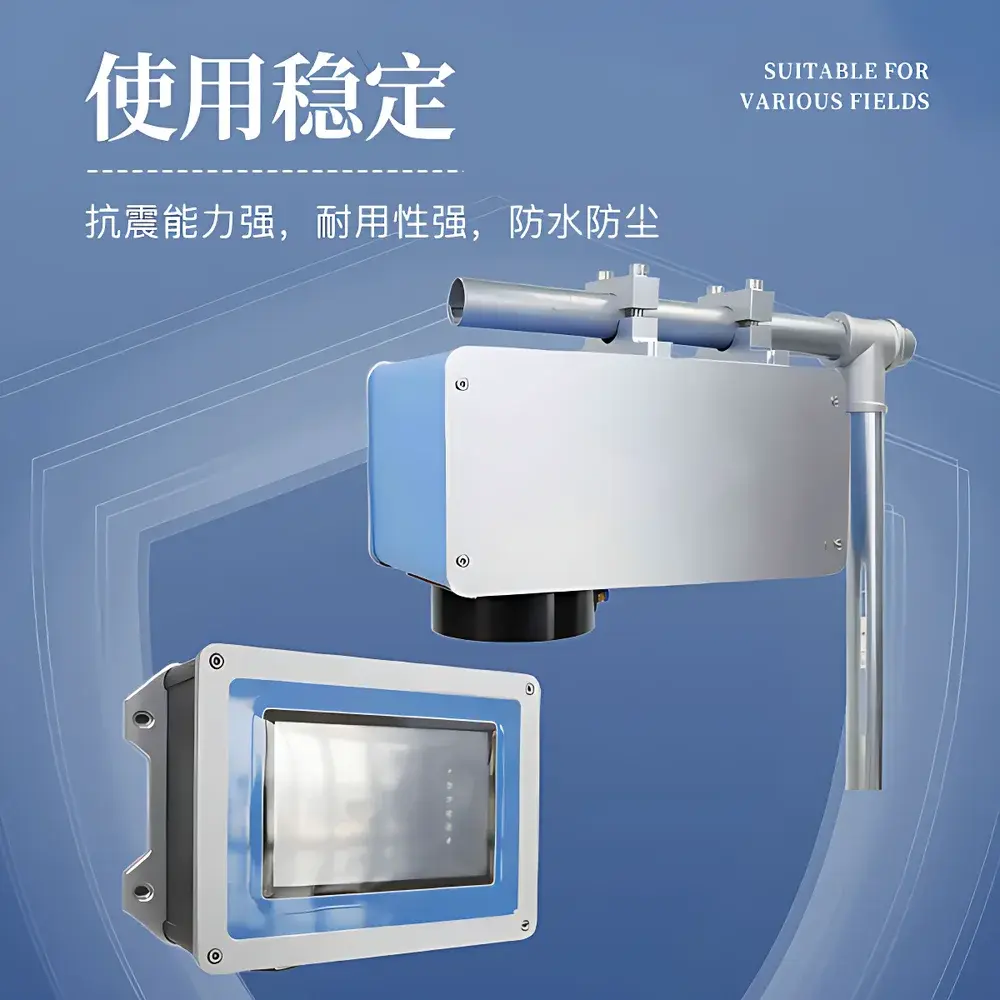
| Ingress Protection | IP65 |
| Optional Features | Integrated temperature sensing (0–500 °C), multi-channel spectral acquisition (50 channels) |
Overview
The Shanda SD-NIR-AC Corrosion-Resistant Online Near-Infrared Moisture Analyzer is an industrial-grade, non-contact process analyzer engineered for continuous, real-time moisture quantification in demanding production environments. It operates on the fundamental principle of near-infrared reflectance spectroscopy (NIRS): water molecules exhibit strong, characteristic absorption bands in the NIR region—particularly at wavelengths near 1450 nm and 1940 nm—while most dry matrix components (e.g., cellulose, starch, minerals) display comparatively low and spectrally flat absorption. By illuminating the material surface with calibrated NIR radiation and precisely measuring the intensity of reflected light at these diagnostic wavelengths, the instrument calculates moisture content via chemometric calibration models. Unlike traditional oven-drying or capacitance-based methods, this optical approach eliminates physical contact, sample preparation, and consumables—ensuring zero cross-contamination, no mechanical wear, and uninterrupted process monitoring. The SD-NIR-AC is specifically designed for integration into continuous flow systems where hygiene, corrosion resistance, and long-term measurement stability are critical—such as food processing lines, biomass pelletization, pharmaceutical granulation, and mineral drying operations.
Key Features
- Corrosion-resistant 304 stainless steel probe housing and mounting flange, compliant with FDA 21 CFR Part 11 hygiene guidelines for food-contact environments and resistant to acidic/alkaline process vapors commonly found in chemical or biofuel facilities.
- Non-contact, reflective optical architecture: no beam penetration required; suitable for heterogeneous, granular, fibrous, or dusty materials—including black or highly absorptive surfaces—without signal saturation or drift.
- High-borosilicate quartz optical window with hydrophobic coating minimizes condensation, dust adhesion, and residue buildup—reducing maintenance frequency and preserving optical fidelity over extended deployment cycles.
- Onboard digital signal processing engine with adaptive noise suppression algorithms, enabling robust performance under variable ambient lighting, vibration, and electromagnetic interference typical in industrial plants.
- Automatic temperature compensation across the full operating range (−40 °C to +70 °C), ensuring measurement consistency despite thermal gradients in ducts, hoppers, or conveyor enclosures.
- Multi-interface output support—including isolated 4–20 mA analog, RS485 Modbus RTU, Ethernet TCP/IP, and LoRaWAN—enabling seamless integration with DCS, SCADA, MES, and cloud-based IIoT platforms for traceable, time-synchronized data logging.
Sample Compatibility & Compliance
The SD-NIR-AC is validated for use across a broad spectrum of bulk solid and powder materials, including but not limited to: wood flour, sawdust, fiberboard, grain, feed pellets, tobacco lamina, tea leaves, dairy powders (milk, whey), starches, pharmaceutical excipients, metallurgical ores, quartz sand, cement clinker, coal fines, kaolin, ceramic slurries, and herbal granules. Its optical design accommodates dynamic layer thickness variations and surface irregularities typical in belt conveyors, screw feeders, chutes, and pneumatic transfer lines. The instrument meets IEC 61326-1 (EMC for industrial environments), IEC 60529 (IP65 ingress protection), and conforms to ISO 17025 traceability requirements when paired with certified reference standards and documented calibration protocols. For regulated industries (e.g., food safety, pharma), audit-ready data integrity is supported through optional timestamped raw spectral logging and configurable user-access controls.
Software & Data Management
The SD-NIR-AC interfaces with Shanda’s proprietary NIR-Link™ Process Analytics Suite—a Windows-based configuration and visualization platform supporting method development, multivariate calibration (PLS, PCR), spectral preprocessing (baseline correction, Savitzky-Golay smoothing), and real-time trend analysis. All calibrations are stored onboard with version control and digital signatures. Raw spectral data (50-channel intensity vectors) and processed moisture values are logged at user-defined intervals (1–60 s filter period) with embedded environmental metadata (temperature, humidity, timestamp). Export formats include CSV, HDF5, and OPC UA-compliant streams. When deployed in GxP environments, the system supports 21 CFR Part 11 compliance via electronic signatures, audit trails, and role-based access management—fully compatible with LIMS and SAP QM modules.
Applications
- Real-time moisture feedback control in fluidized bed dryers, rotary kilns, and drum dryers to optimize energy consumption and prevent over-drying or caking.
- In-line quality assurance during pelletizing of biomass, feed, or fertilizer—ensuring consistent density, durability, and storage stability.
- Automated rejection logic in food ingredient blending lines where moisture deviation exceeds USP <921> or ISO 712 tolerance thresholds.
- Process validation and continuous verification per ASTM E1655 (Standard Practices for Infrared Multivariate Quantitative Analysis) in pharmaceutical granulation and tablet coating operations.
- Moisture trending in mining and mineral processing to maintain optimal slurry rheology prior to flotation or filtration stages.
- Environmental monitoring of soil amendment batches in organic agriculture, aligned with EU Regulation (EC) No 834/2007 composting criteria.
FAQ
Does the SD-NIR-AC require periodic recalibration?
Yes—calibration stability is maintained through routine verification using traceable NIST-traceable moisture standards; recommended interval is every 30–90 days depending on process severity and regulatory requirements.
Can it measure moisture in moving materials on a high-speed conveyor?
Yes—the optical response time is <100 ms, and the 60–75 mm spot diameter ensures sufficient signal averaging across typical belt speeds up to 3 m/s.
Is spectral data export supported for third-party chemometric modeling?
Yes—full-resolution 50-channel spectral vectors are accessible via Ethernet or USB, enabling offline PLS model refinement in MATLAB, Unscrambler®, or Python-based scikit-learn workflows.
How is optical window fouling mitigated during long-term operation?
The high-borosilicate quartz window features an anti-fouling coating and optional air-purge port (not included) for integration with plant compressed air systems to maintain optical clarity.
What documentation is provided for regulatory submissions?
Factory acceptance test (FAT) reports, IQ/OQ protocols, spectral calibration certificates, and a complete traceability dossier—including component-level RoHS/REACH declarations—are supplied with each unit.