
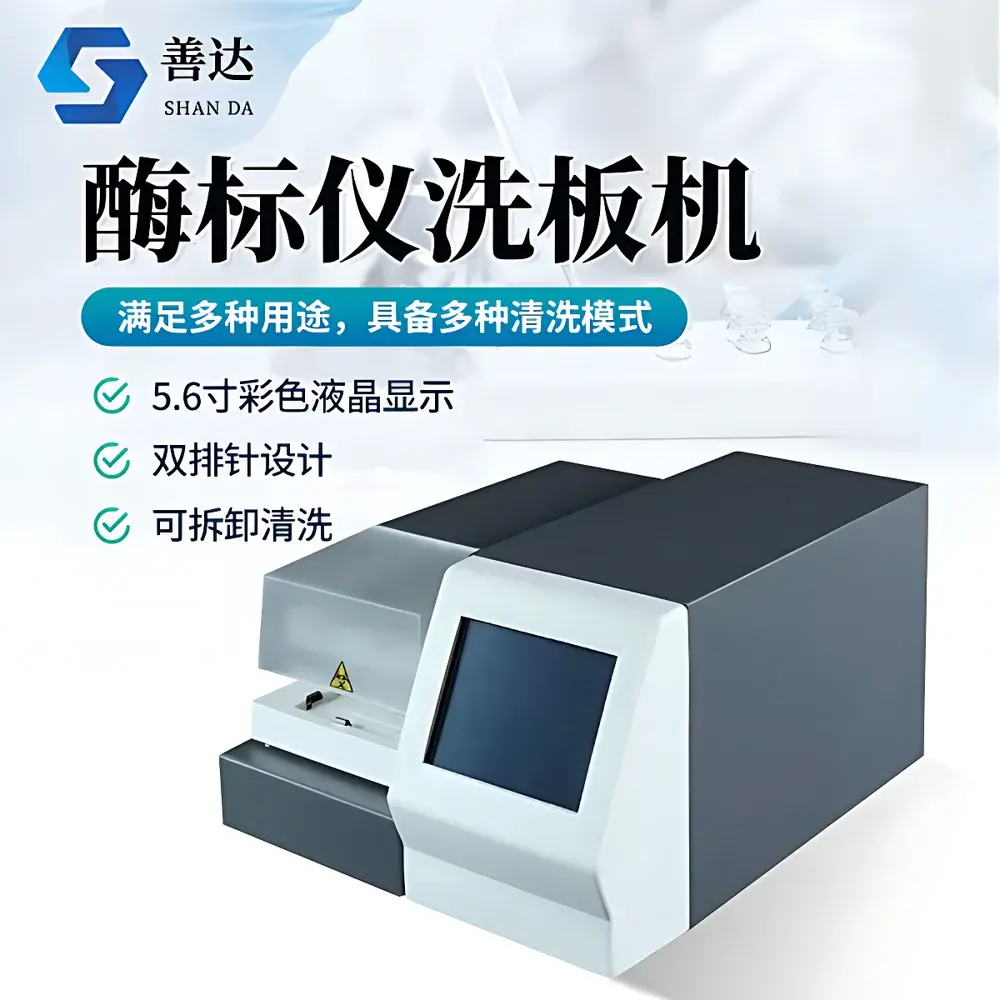
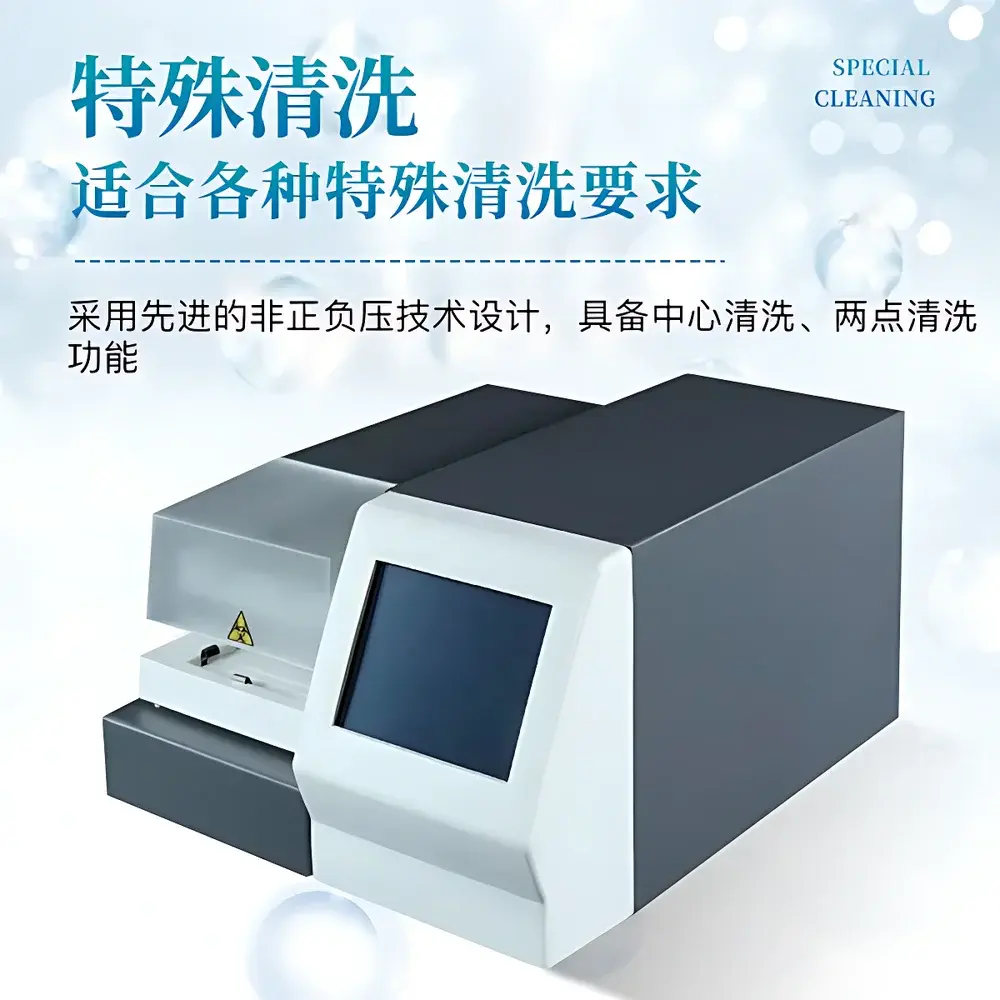
Shanda SD-XB Multi-Channel Microplate Washer
| Brand | Shanda |
|---|---|
| Model | SD-XB |
| Instrument Type | Multi-Function Microplate Washer |
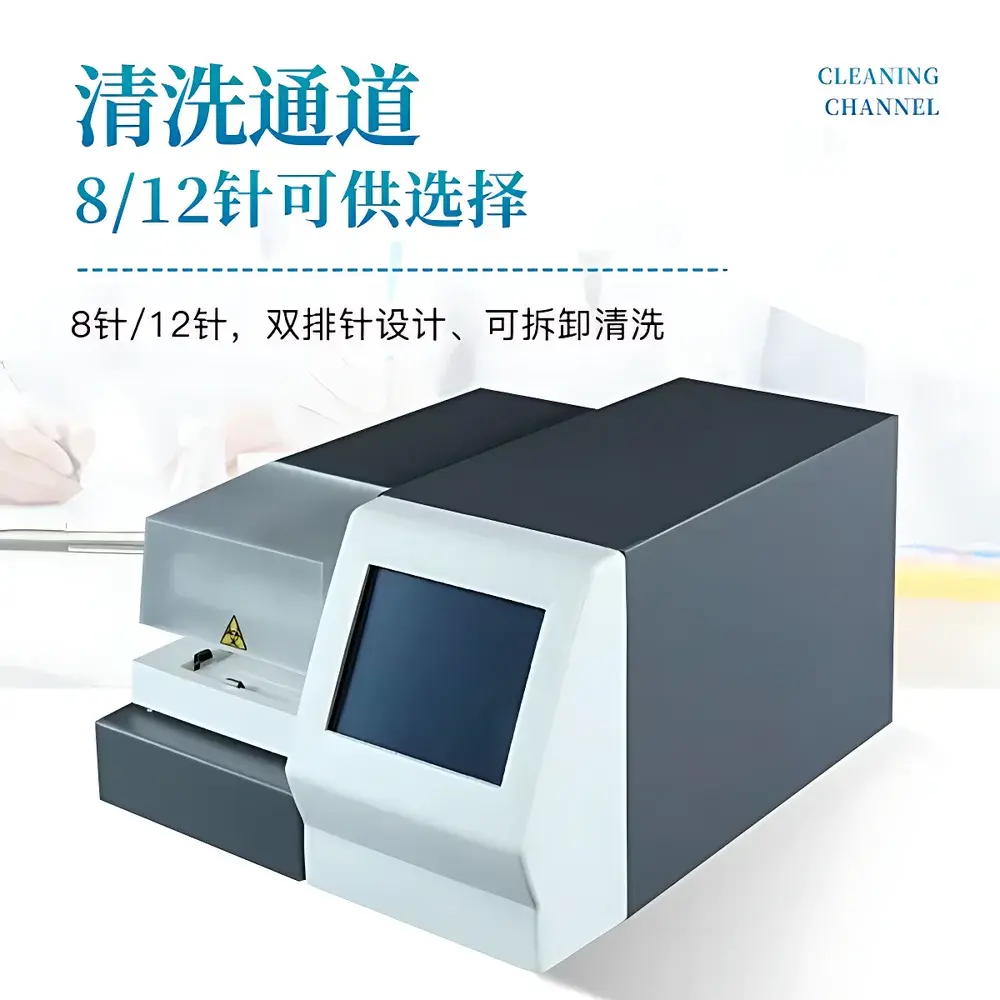
| Wash Head Configuration | 8-channel or 12-channel dual-row removable wash head |
| Wash Fluid Channels | 1 standard (up to 4 optional) |
| Soaking Time Range | 0–24 h (hh:mm:ss adjustable) |
| Wash Cycles | 0–99 |
| Residual Volume per Well | ≤1 µL |
| Plate Compatibility | Standard 96-well flat-bottom, U-bottom, V-bottom, and C-bottom microplates |
| Wash Row Selection | 1–12 rows (including skip-row configuration) |
| Liquid Delivery Pressure | 5 adjustable levels |
| Aspiration/Dispense Time | 0–9 s (extendable) |
| Plate Shaking | 0–24 h (hh:mm:ss), 3 intensity levels |
| Cleaning Modes | Center wash, dual-point wash |
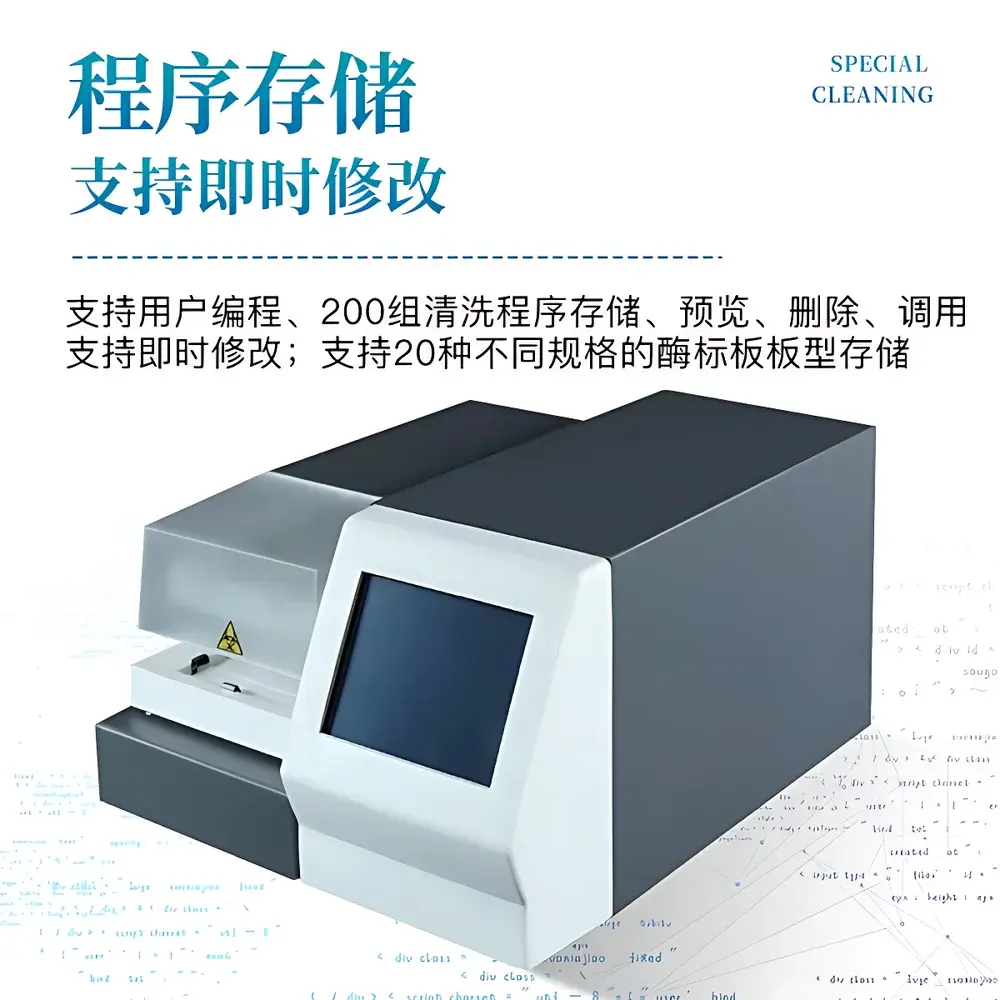
| Program Storage | 200 user-defined protocols + 20 pre-stored plate profiles |
| Liquid Level Monitoring | Waste bottle full-level alarm |
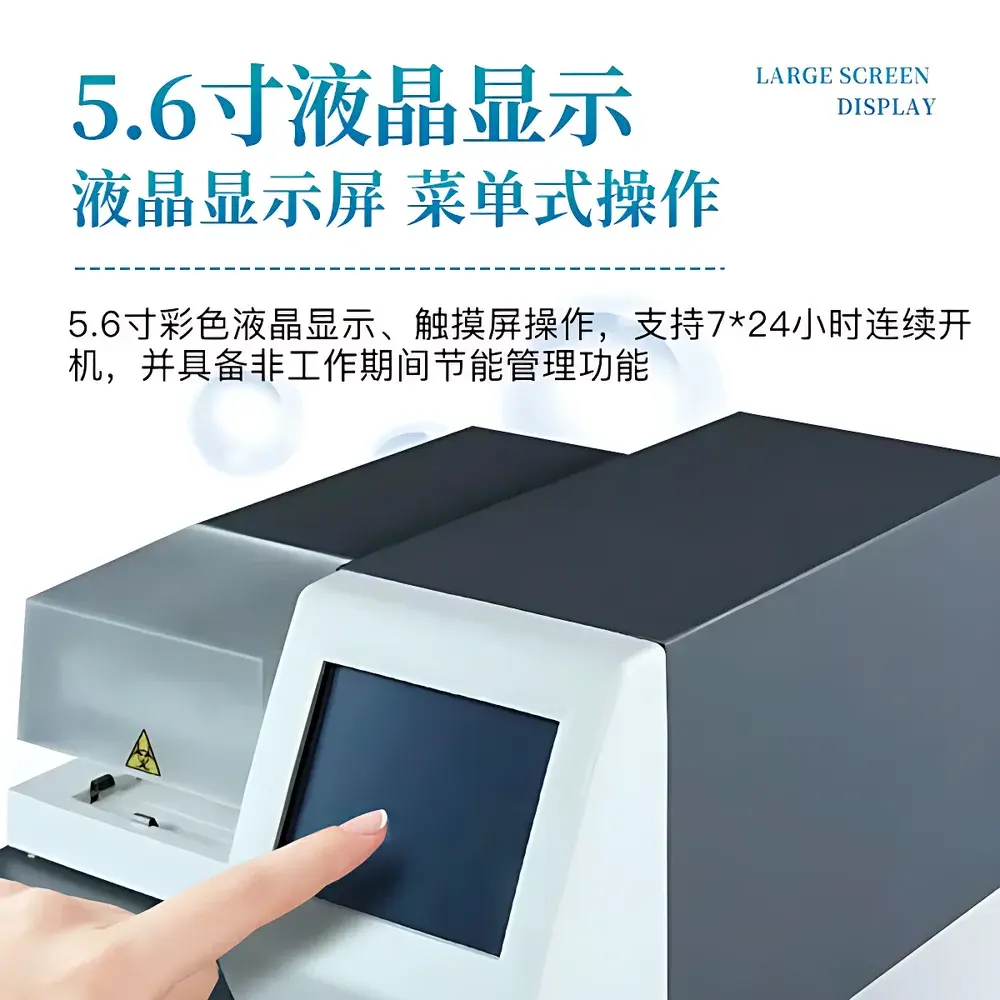
| Display & Interface | 5.6-inch color TFT touchscreen, 7×24 h continuous operation with auto power-saving mode |
| Power Input | AC 100–240 V, 50/60 Hz |
| Dimensions (L×W×H) | 380 × 330 × 222 mm |
| Net Weight | ~9 kg |
| Reagent Bottles | Three 2 L bottles included |
Overview
The Shanda SD-XB Multi-Channel Microplate Washer is an engineered solution for high-fidelity, reproducible washing of ELISA, cell-based, and immunoassay microplates in regulated and research laboratory environments. Designed around a non-positive/negative pressure fluidic architecture, it eliminates vacuum-induced well-to-well carryover and minimizes plate deformation during aspiration—critical for maintaining assay integrity across low-volume, high-sensitivity applications. Its dual-row, removable 8- or 12-channel wash head enables precise spatial alignment with standard 96-well formats (flat, U-, V-, and C-bottom), while the anti-scratch nozzle tip geometry prevents microplate surface damage during repeated contact. The instrument operates without compressed air or external vacuum pumps, reducing infrastructure dependency and enhancing operational stability in shared core facilities.
Key Features
- Dual-row, modular wash head with tool-free removal for rapid cleaning and sterilization—compatible with autoclaving and chemical decontamination protocols.
- Fine-grained fluid control: 5-step adjustable dispensing pressure and independent 0–9 s aspiration/dispense timing ensure optimized liquid handling for viscous buffers, detergent-containing solutions, or low-surface-tension reagents.
- Programmable soaking (0–24 h, hh:mm:ss resolution) and shaking (0–24 h, 3 intensity levels) support extended incubation wash steps required in chemiluminescent or low-background assays.
- Four distinct cleaning modes—center wash, dual-point wash, rapid strip-mode, and rapid plate-mode—allow method-specific optimization for antibody binding kinetics, cell detachment efficiency, or bead-based capture workflows.
- Onboard 5.6-inch color TFT touchscreen with intuitive icon-driven navigation supports real-time protocol editing, immediate parameter override, and visual confirmation of active wash zones.
- Integrated waste level sensing triggers audible and on-screen alerts when the 2 L waste reservoir reaches capacity—preventing overflow and enabling unattended overnight operation.
Sample Compatibility & Compliance
The SD-XB accommodates all ANSI/SBS-compliant 96-well microplates, including flat-bottom (e.g., Corning Costar 3599), U-bottom (e.g., Thermo Nunc 267401), V-bottom (e.g., Greiner 651101), and C-bottom formats used in multiplex cytokine profiling and receptor-binding assays. Its ≤1 µL residual volume per well meets the performance threshold specified in CLSI EP10-A3 for verification of washing efficacy in quantitative immunoassays. While not certified to ISO 13485 or FDA 21 CFR Part 11 out-of-the-box, the system’s audit-ready protocol logging (timestamped program execution, parameter history, and operator ID fields) supports GLP/GMP-aligned documentation when integrated into validated laboratory information management systems (LIMS).
Software & Data Management
The embedded firmware stores up to 200 user-defined wash protocols with full parameter recall—including row selection, cycle count, soak duration, and shaking profile. Each protocol retains version metadata (creation date, last modified, author tag) and supports side-by-side comparison for method transfer validation. Twenty preconfigured plate geometries are factory-loaded and editable to accommodate custom well spacing or non-standard skirt heights. All settings persist through power cycling. Data export is available via USB flash drive in CSV format, containing run logs with start/stop timestamps, error codes (e.g., “Aspiration Timeout”, “Waste Full”), and executed parameters—enabling traceability for internal QA reviews and regulatory inspections.
Applications
- ELISA and multiplex immunoassays requiring stringent wash stringency to minimize background signal and cross-reactivity.
- Cell-based assays (e.g., ADCC, phagocytosis) where gentle yet complete removal of unbound antibodies or effector cells is essential.
- High-throughput screening (HTS) workflows integrating with robotic liquid handlers—leveraging programmable row skipping and inter-plate delay timers.
- Diagnostic development labs performing assay robustness testing under variable soak times, agitation intensities, and buffer exchange frequencies.
- Academic core facilities supporting shared instrumentation use, where intuitive touch interface and energy-efficient standby mode reduce training overhead and operational cost.
FAQ
Does the SD-XB support multi-channel reagent dispensing during wash cycles?
No—the SD-XB is dedicated to aspiration and wash buffer delivery only. It does not integrate dispensing of detection reagents or substrates.
Can the wash head be calibrated for vertical height adjustment?
Yes—Z-axis positioning is manually adjustable via precision micrometer screws to accommodate plate stack height variations and ensure consistent nozzle-to-well distance.
Is remote monitoring or network connectivity available?
The SD-XB operates as a standalone unit with no Ethernet or Wi-Fi interface. Remote status checks require physical access or integration with third-party environmental monitoring hardware.
What maintenance intervals are recommended for long-term reliability?
Daily wipe-down of the wash head and waste manifold; monthly inspection of tubing elasticity and O-ring integrity; annual verification of aspiration volume accuracy using gravimetric measurement per CLSI EP6-A2 guidelines.
Are replacement parts such as wash heads or fluid manifolds available separately?
Yes—Shanda supplies OEM-certified 8-channel and 12-channel wash heads, silicone aspiration tubing sets, and waste reservoir assemblies under part numbers SD-WH8, SD-WH12, SD-TB-KIT, and SD-WASTE-2L.




