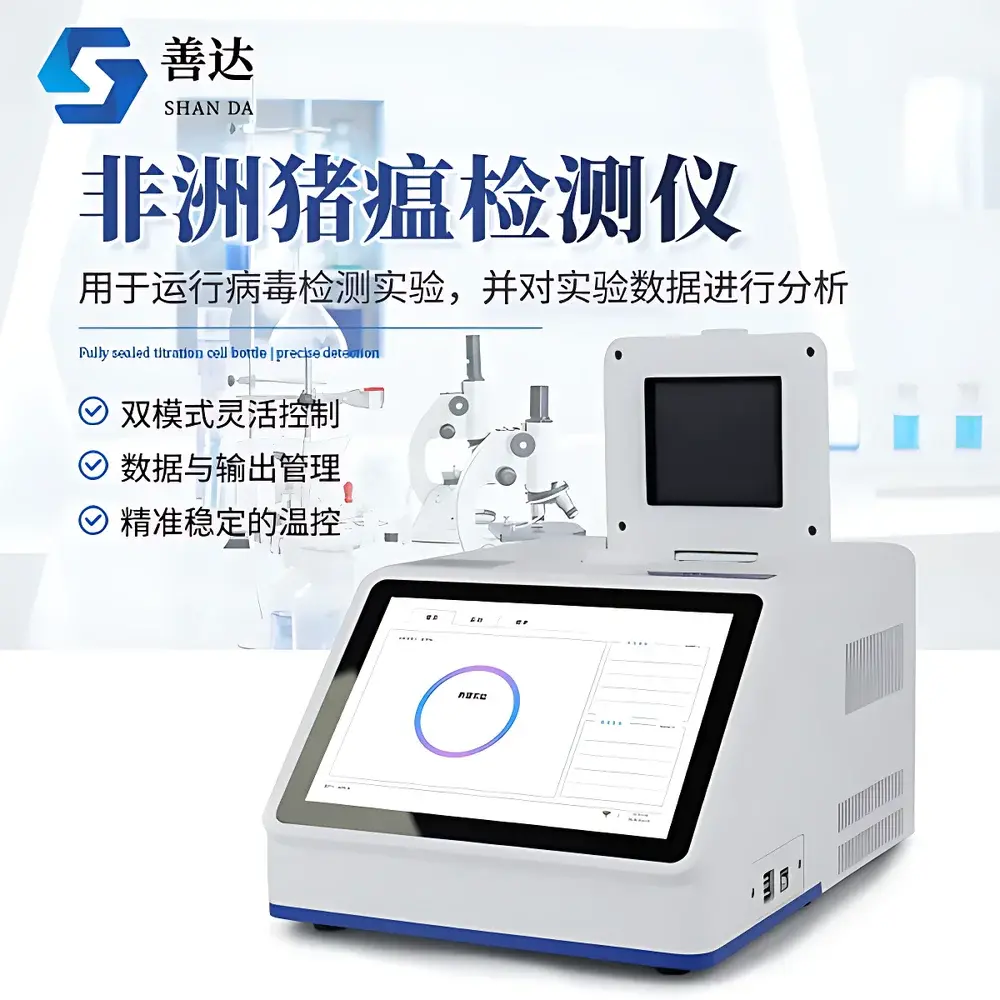
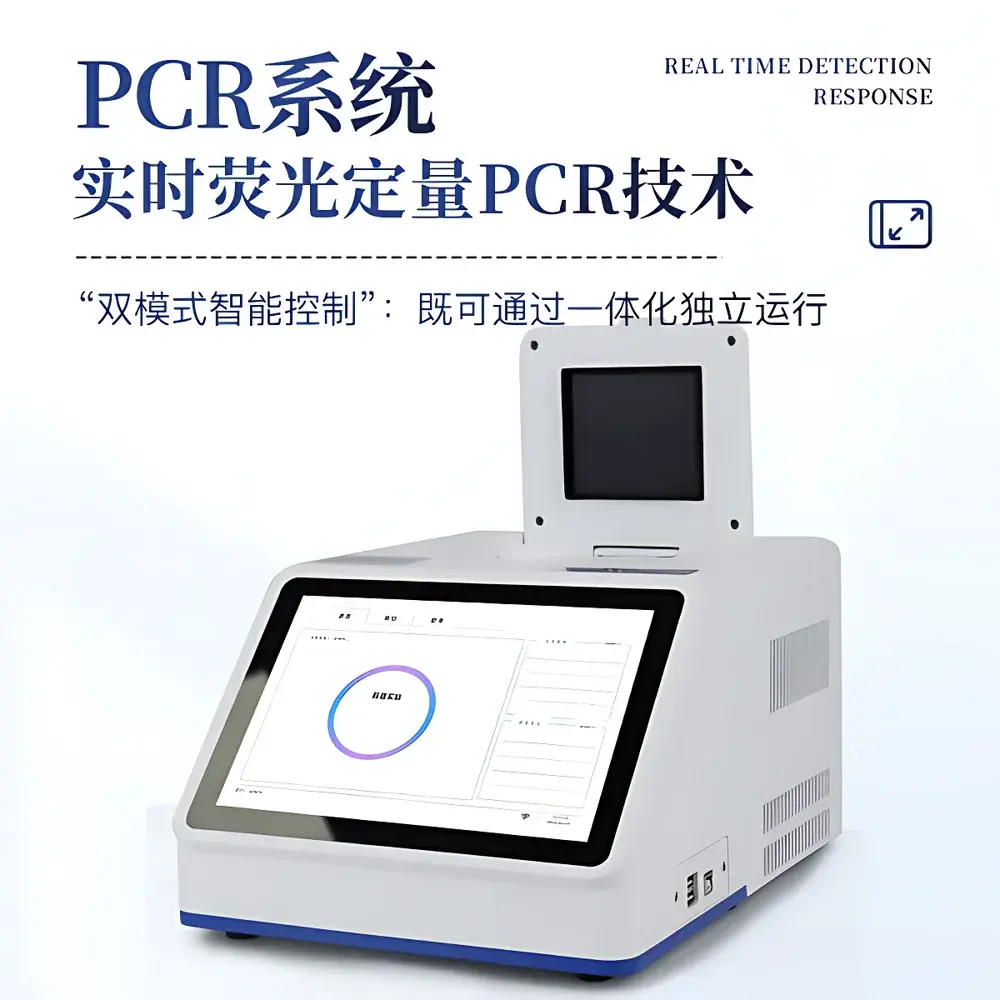
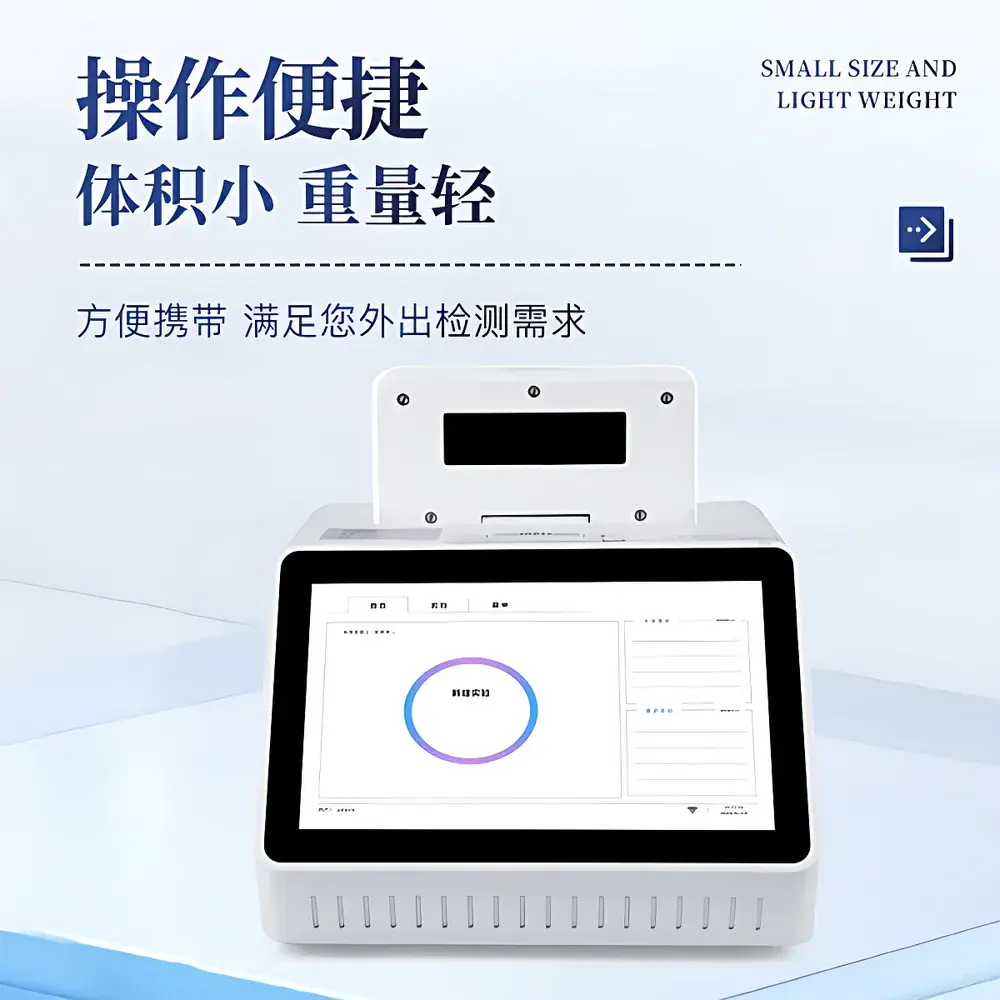
Shanda SD-Z08P African Swine Fever Real-Time Fluorescent Quantitative PCR Detection System
| Brand | Shanda |
|---|---|
| Model | SD-Z08P |
| Origin | Shandong, China |
| Regulatory Approval | Approved by Ministry of Agriculture and Rural Affairs (MARA), P.R. China |
| Detection Principle | Real-Time Fluorescent Quantitative Polymerase Chain Reaction (qPCR) |
| Target Analyte | African Swine Fever Virus (ASFV) Genomic DNA |
| Compatible Assays | MARA-registered ASFV fluorescent qPCR kits (e.g., SD-ASF-KIT series) |
| Operational Modes | Laboratory-based and field-deployable (battery-supported operation optional) |
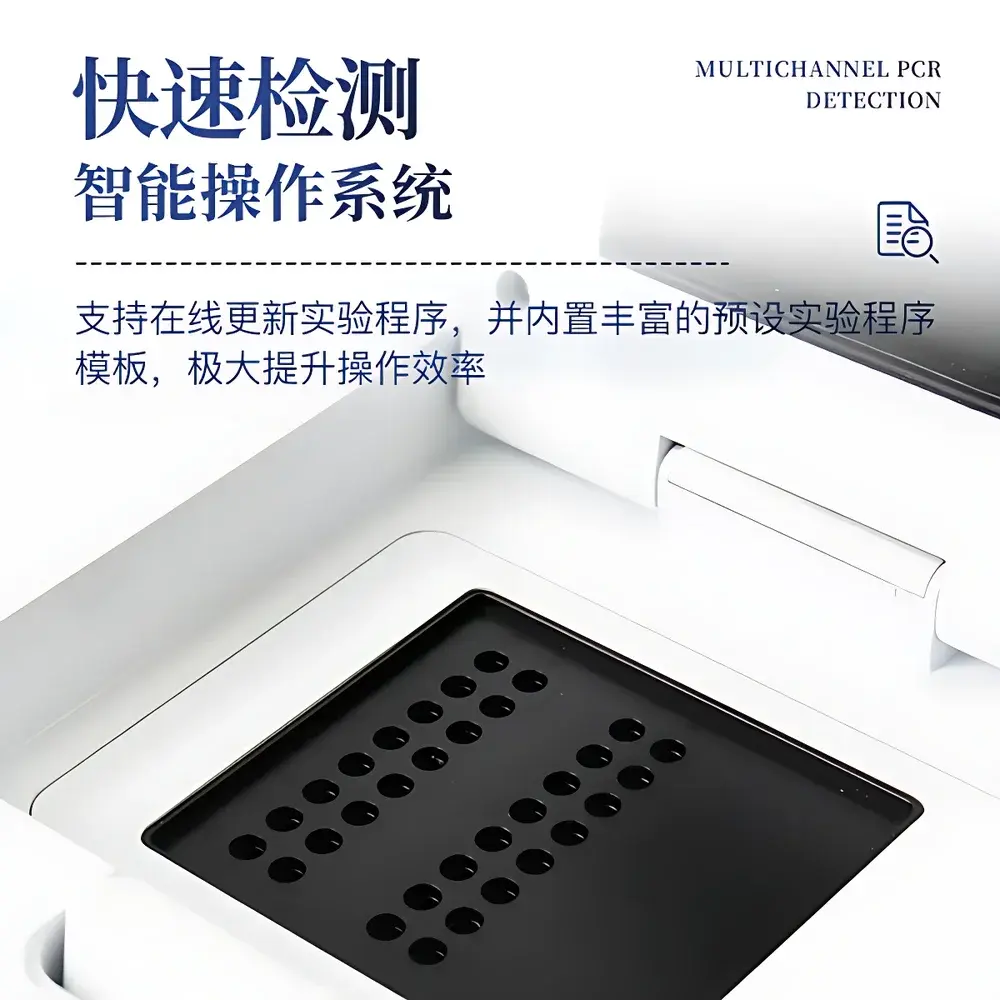
| Throughput | 8 samples per run |
| Thermal Cycling Range | 4–105 °C |
| Fluorescence Channels | 4-channel excitation/emission detection (FAM, HEX/VIC, ROX, CY5) |
| Data Output | Ct values, amplification curves, qualitative/quantitative reports compliant with MARA diagnostic guidelines |
Overview
The Shanda SD-Z08P African Swine Fever Real-Time Fluorescent Quantitative PCR Detection System is a compact, CE-marked (for export configurations), and MARA-registered nucleic acid amplification platform engineered for rapid, sensitive, and specific detection of African Swine Fever Virus (ASFV) genomic DNA. Based on the principle of real-time fluorescent quantitative polymerase chain reaction (qPCR), the system monitors target DNA amplification in real time using sequence-specific probes labeled with fluorophores (e.g., FAM-labeled hydrolysis probes). Its thermally precise Peltier-based thermal cycling module ensures reproducible denaturation, annealing, and extension steps across all eight reaction wells—enabling reliable quantification via cycle threshold (Ct) analysis. Designed to meet the operational requirements of both fixed biosafety level 2 (BSL-2) laboratories and mobile veterinary diagnostic units, the SD-Z08P supports dual-use deployment: benchtop operation in centralized labs and battery-assisted field testing at farms, slaughterhouses, or border inspection posts. It complies with national regulatory frameworks governing veterinary molecular diagnostics in China and aligns with internationally recognized assay validation principles outlined in ISO/IEC 17025 and OIE Terrestrial Manual Chapter 2.1.12.
Key Features
- Eight-well optical reaction block with independent temperature control per zone for enhanced inter-run reproducibility
- Four-channel fluorescence detection system supporting multiplexed assays (FAM, HEX/VIC, ROX, CY5), enabling simultaneous detection of ASFV targets and internal controls
- Thermal ramping rate up to 5.0 °C/s, reducing total assay time without compromising amplification fidelity
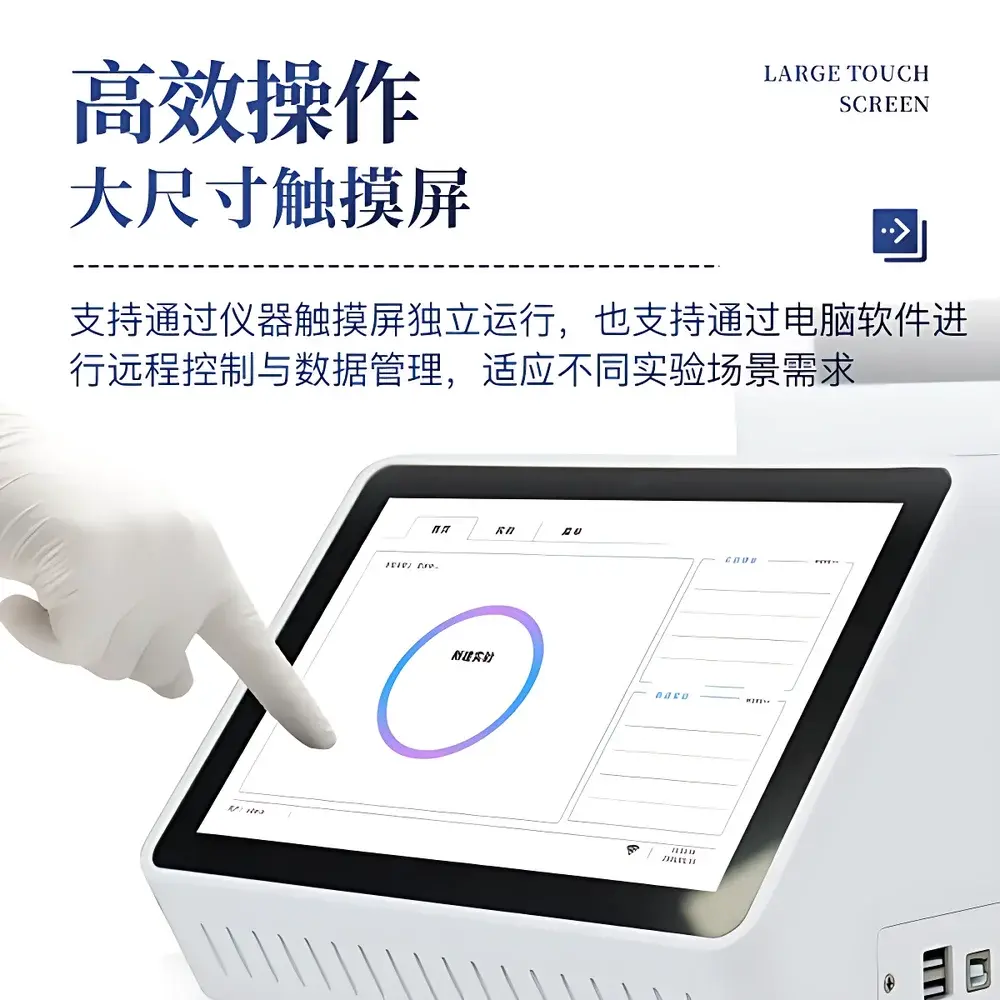
- Integrated touchscreen interface with offline data storage (≥1,000 runs) and USB export capability for audit-ready reporting
- Preloaded MARA-compliant analysis algorithms—including baseline correction, automatic Ct calling, and no-template control (NTC) validation logic
- Ruggedized chassis rated IP54 for dust and splash resistance, suitable for ambient conditions ranging from 10–35 °C and 30–80% RH
Sample Compatibility & Compliance
The SD-Z08P accepts standard 0.2 mL PCR tubes and 8-well optical strips compatible with MARA-authorized ASFV fluorescent qPCR reagent kits (e.g., Shanda SD-ASF-KIT series). Sample input includes extracted nucleic acid from whole blood, serum, spleen homogenates, or environmental swabs processed using ISO 18593:2018–compliant extraction methods. All assays performed on this platform must utilize products bearing valid MARA registration numbers (e.g.,兽药证字2021XXXXXX), as mandated under the Administrative Measures for Veterinary Diagnostic Products (MARA Order No. 2, 2020). The instrument itself is manufactured under a quality management system aligned with GB/T 19001–2016 (ISO 9001:2015), and its diagnostic output meets traceability requirements for GLP-aligned veterinary surveillance programs.
Software & Data Management
The embedded firmware (v3.2.1+) provides full compliance with data integrity standards required for regulatory audits. Features include user-level access control (administrator/operator modes), electronic signature support, and immutable audit trails recording instrument calibration events, assay start/stop timestamps, operator IDs, and raw fluorescence intensity logs. Exported data files (.csv, .pdf) retain metadata required for MARA submission dossiers and are structured to interface with LIMS platforms via HL7-compatible APIs. Software updates are delivered via secure HTTPS channels and require digital signature verification prior to installation—ensuring continuity of 21 CFR Part 11–aligned electronic record integrity where deployed in GxP-constrained environments.
Applications
- Routine surveillance testing of asymptomatic herds in commercial pig farming operations
- Rapid differential diagnosis during suspected ASF outbreaks in regional veterinary clinics
- Pre-slaughter screening at abattoirs to prevent contaminated carcass entry into food supply chains
- Environmental monitoring of transport vehicles, feed mills, and disinfection efficacy validation
- Supporting national ASF eradication programs through harmonized data collection per OIE-recommended protocols
- Cross-reactivity profiling for co-circulating porcine pathogens (e.g., CSFV, PRRSV, PRV) when used with validated multiplex assay configurations
FAQ
Is the SD-Z08P approved for use in official ASF surveillance programs in China?
Yes—this system is listed in the MARA-approved catalog of veterinary diagnostic instruments (Registration No. MARA-IVD-2021-SDZ08P) and may be deployed in statutory testing conducted by provincial animal disease prevention and control centers.
Can the instrument run non-ASF assays such as avian influenza or classical swine fever?
Yes—provided the corresponding MARA-registered qPCR kits and validated primers/probes are used; the platform’s open assay architecture supports method transfer under local validation protocols.
Does the system support remote data synchronization or cloud backup?
No native cloud integration is provided; however, exported datasets comply with FAO-EMPRES-i data schema standards and can be ingested into national veterinary information systems via secure FTP or air-gapped transfer.
What maintenance schedule is recommended for field-deployed units?
Quarterly optical alignment verification and annual thermocycler calibration using NIST-traceable reference standards are advised; service logs must be retained for five years per MARA documentation requirements.