
Shenkai CFR-A1 Gasoline Octane Number Analyzer (Motor Method and Research Method)
| Brand | Shenkai |
|---|---|
| Origin | Shanghai, China |
| Model | CFR-A1 |
| Application | Gasoline Octane Number (ON) Determination |
| Configuration | Benchtop |
| Test Range | 40–120 ON |
| Standards Compliance | ASTM D2699, ASTM D2700, IP 236, IP 237, EN ISO 5163, EN ISO 5164, GB/T 5487, GB/T 503 |
| Cylinder Bore | 82.55 mm |
| Stroke | 114.30 mm |
| Displacement | 0.61 L |
| Compression Ratio Range | 4:1 to 18:1 |
| Engine Speed | 900 ± 9 rpm (Motor Method), 600 ± 6 rpm (Research Method) |
| Cooling Water Temperature | 100 ± 1.5 °C |
| Lubricating Oil Pressure | 172–207 kPa |
| Power Supply | AC 380 V ±10%, 50 Hz / AC 220 V ±10%, 50 Hz |
| Dimensions (W×D×H) | 1650 × 900 × 1420 mm |
| Net Weight | 1200 kg |
Overview
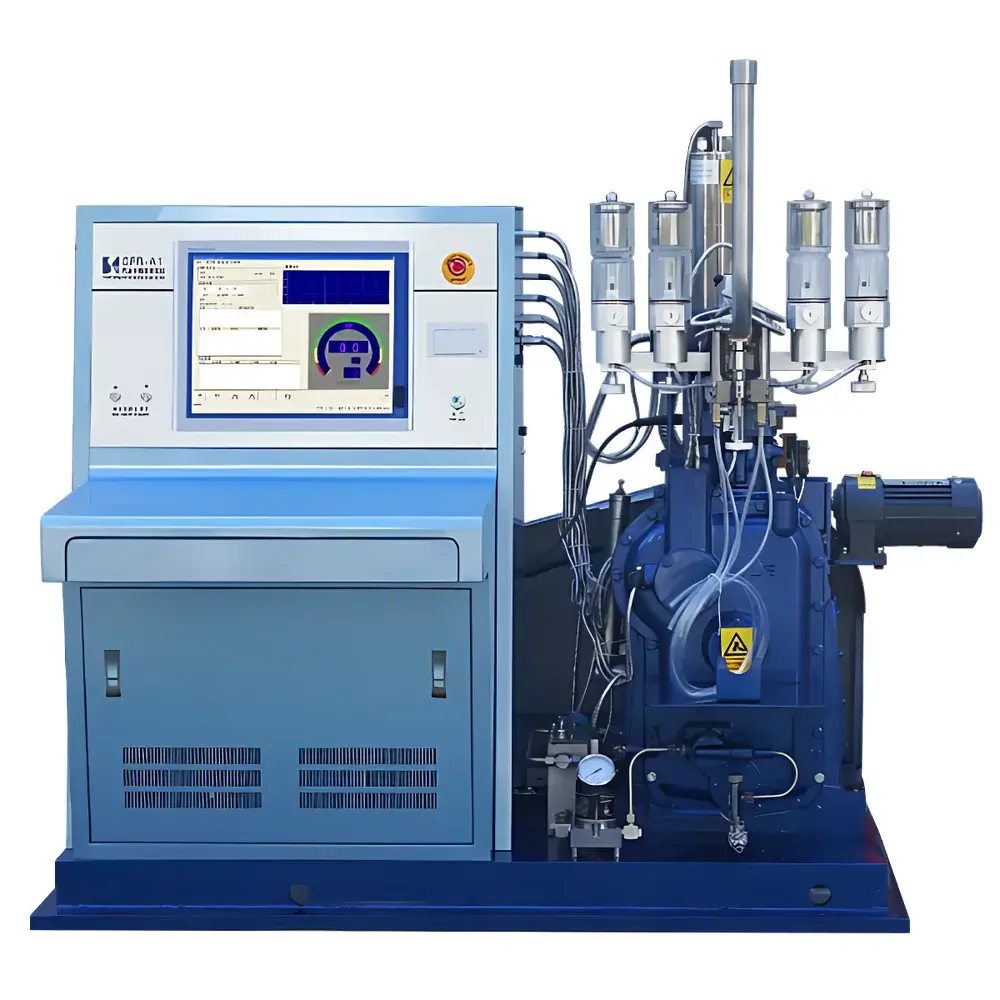
The Shenkai CFR-A1 Gasoline Octane Number Analyzer is a precision-engineered, benchtop combustion engine-based instrument designed for the standardized determination of gasoline octane number (ON) using both the Motor Method (ASTM D2700 / GB/T 503) and Research Method (ASTM D2699 / GB/T 5487). It implements the classical CFR (Cooperative Fuel Research) engine principle—relying on controlled knock intensity measurement under defined thermodynamic and mechanical conditions—to deliver traceable, internationally recognized octane values. The analyzer features a monolithic cast-iron cylinder block with integrated cooling jacket, a five-gear crankcase with dual balancing modules, and right-hand engine orientation optimized for operator access and maintenance. Its dual-method capability is enabled by a mechanically synchronized combination pulley system and a reconfigured mixed-heater assembly, allowing rapid, repeatable method switching without hardware disassembly.
Key Features
- CFR-standard monolithic cast-iron cylinder block with integral water-cooled jacket, ensuring thermal stability and dimensional integrity across extended test cycles.
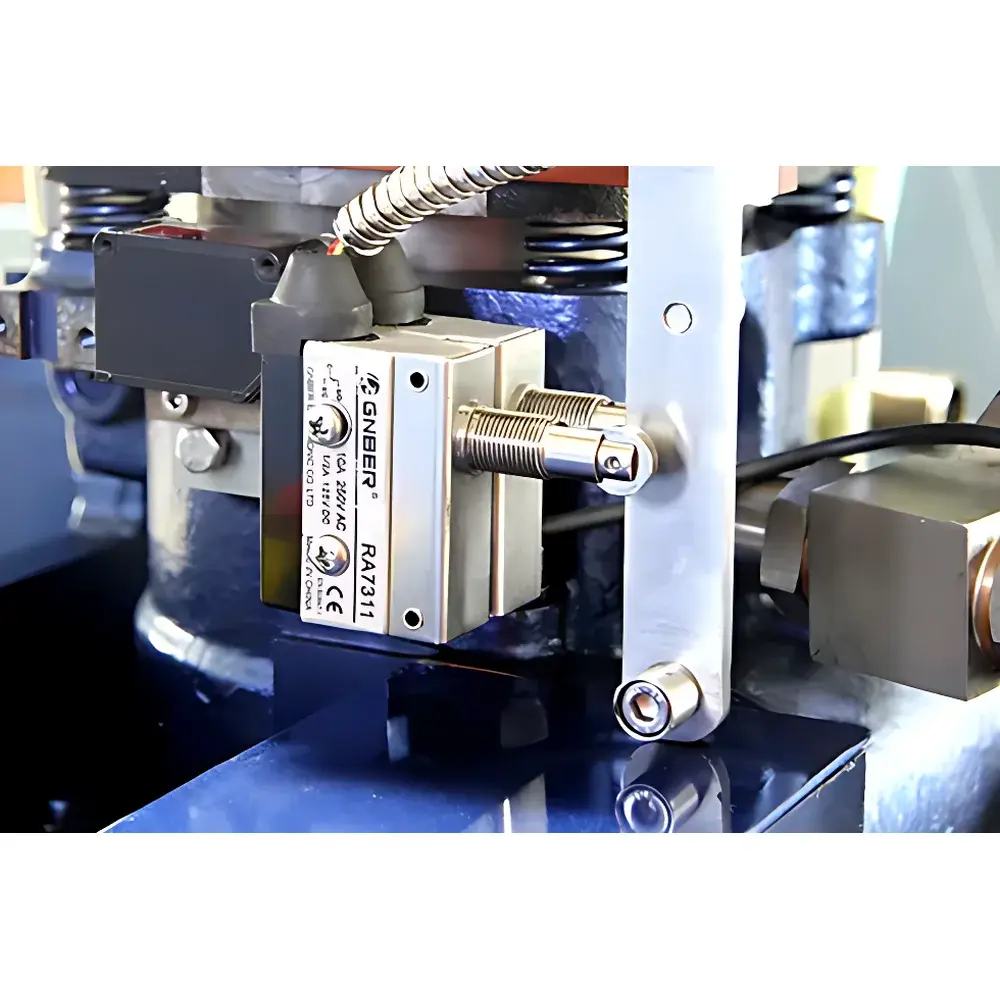
- Automated compression ratio adjustment via servo-controlled mechanism with hard-limit safety stops and real-time position feedback from high-resolution laser displacement sensors.
- Dual independent air and coolant conditioning systems: high-capacity dual-circuit air conditioner (ice tower type) maintaining intake air temperature within ±1 °C; 60-L chilled water circulation unit delivering 0.2–0.4 MPa pressure at 15–25 °C.
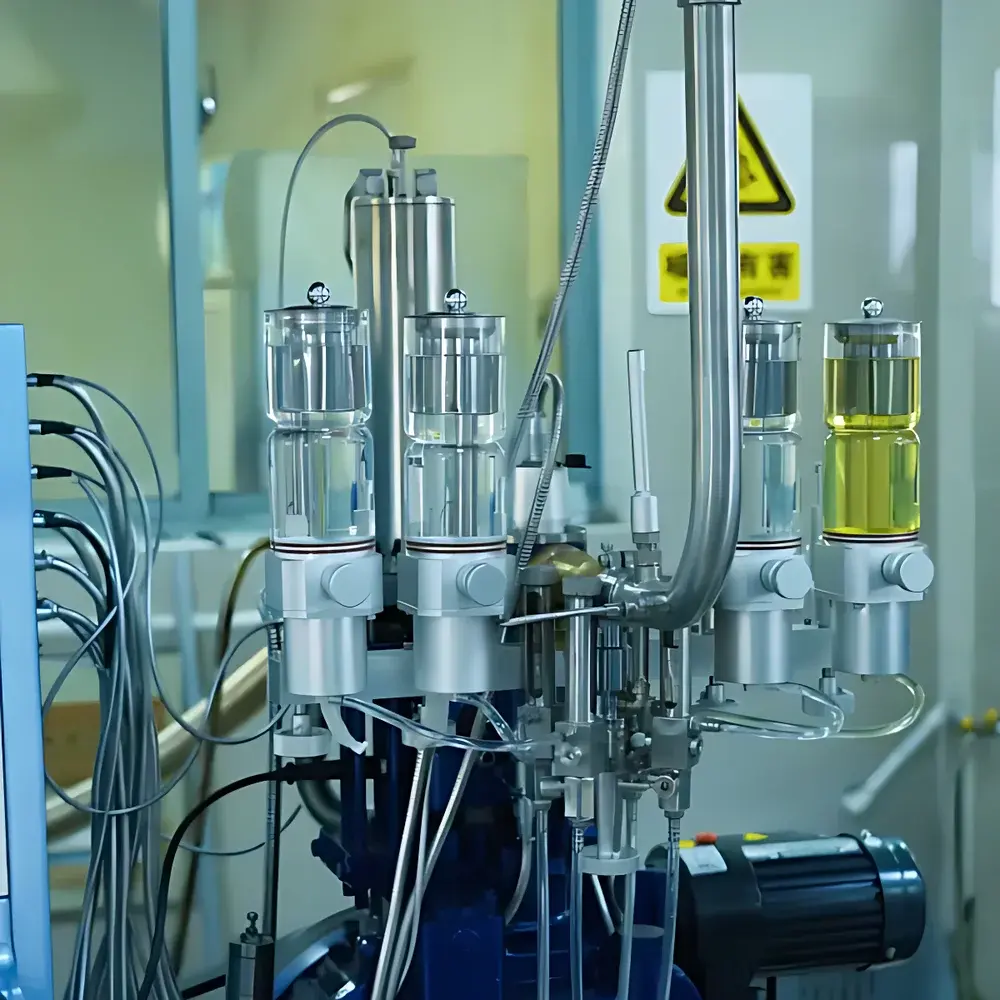
- Four-oil-cup falling-level carburetor with four horizontal and one vertical fuel nozzle, enabling precise air–fuel ratio control for volatile and light-end gasoline fractions; fourth cup includes active refrigeration.
- Real-time digital monitoring of 12 critical operational parameters—including ignition timing (BTDC), lubricant temperature, intake air temperature, mixture temperature, compression ratio, coolant temperature, and engine speed—with configurable alarm thresholds for out-of-specification conditions.
- High-sensitivity piezoelectric detonation sensor with millisecond-level response time, coupled with an embedded digital knock meter for automatic signal acquisition, peak detection, and ON calculation per ASTM/ISO protocols.
- Integrated atmospheric pressure compensation module that dynamically adjusts test parameters in real time to maintain compliance with standard reference barometric conditions (e.g., 101.3 kPa).
- Two-stage oil filtration and forced oil cooling system, plus optional pre-heating function to reduce warm-up time and improve thermal equilibrium repeatability.
Sample Compatibility & Compliance
The CFR-A1 is validated for use with automotive spark-ignition gasoline, aviation gasoline (avgas), and reformulated gasoline blends containing oxygenates (e.g., MTBE, ethanol) up to E15. It meets full conformance requirements for all referenced standards: ASTM D2699 (Research Octane Number), ASTM D2700 (Motor Octane Number), IP 236/IP 237, EN ISO 5163/5164, and national standards GB/T 5487 and GB/T 503. Instrument design incorporates mechanical and thermal tolerances aligned with CFR engine certification criteria. All calibration, verification, and operational procedures support GLP-compliant laboratory environments and are compatible with FDA 21 CFR Part 11–enabled data management workflows when interfaced with validated LIMS platforms.
Software & Data Management
The CFR-A1 operates via an embedded industrial controller running deterministic real-time firmware. All test parameters, raw knock waveforms, and calculated ON results are timestamped and stored locally on a solid-state drive with ≥10-year archival capacity. Data export is supported via USB 2.0, Ethernet (TCP/IP), or optional Wi-Fi module to external databases or LIMS. Output formats include CSV, XML, and PDF reports compliant with ISO/IEC 17025 documentation requirements. Audit trails record user login, method selection, parameter modification, calibration events, and maintenance alerts. Optional software packages provide statistical process control (SPC) dashboards, trend analysis, and automated certificate generation aligned with ISO/IEC 17025 Clause 7.8.
Applications
This analyzer serves as a primary reference instrument in petroleum refineries, fuel additive development laboratories, regulatory testing agencies (e.g., CNPC, Sinopec QC labs, provincial market supervision bureaus), and third-party certification bodies. Typical use cases include: formulation validation of premium and mid-grade gasoline; evaluation of anti-knock additive efficacy; batch release testing against contractual ON specifications; R&D of bio-blended fuels; and participation in international round-robin interlaboratory studies. Its robust architecture supports continuous operation in 24/7 quality control environments, with scheduled maintenance intervals defined by cumulative engine runtime and oil analysis metrics.
FAQ
What standards does the CFR-A1 fully comply with?
It meets all technical and procedural requirements of ASTM D2699, ASTM D2700, IP 236, IP 237, EN ISO 5163, EN ISO 5164, GB/T 5487, and GB/T 503.
Can the instrument automatically switch between Research and Motor Methods?
Yes—via electro-mechanical actuation of the combination pulley and heater configuration, with method-specific parameter sets loaded automatically.
Is atmospheric pressure compensation performed in real time?
Yes—the built-in barometric sensor continuously feeds corrections to intake heating and compression timing logic to maintain equivalence to standard sea-level conditions.
What is the minimum sample volume required per test?
Approximately 1.2 L per full ON determination cycle, including priming, stabilization, and replicate runs.
Does the system support remote diagnostics or preventive maintenance alerts?
Yes—embedded health monitoring tracks oil pressure decay, coolant flow rate, knock sensor SNR degradation, and motor encoder drift, triggering service advisories based on ISO 13374-defined fault patterns.






