
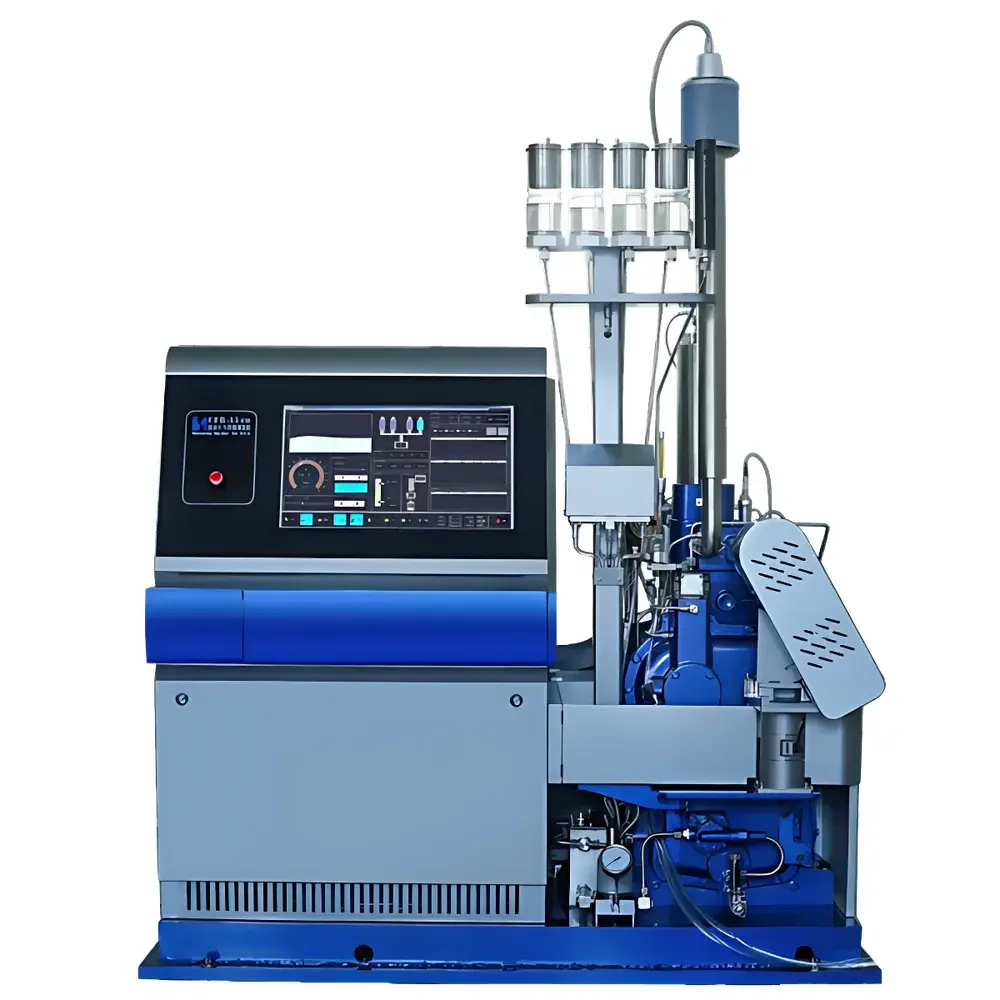
Shenkai CFR-A5 AUTO Diesel Cetane Number Tester
| Brand | Shenkai |
|---|---|
| Origin | Shanghai, China |
| Model | CFR-A5 AUTO |
| Application | Diesel Cetane Number (CN) Determination |
| Configuration | Benchtop |
| Standards Compliance | ASTM D613, ISO 5165, IP 41, GB/T 386 |
| Cylinder Bore | 82.55 mm |
| Stroke | 114.30 mm |
| Compression Ratio Range | 8:1 to 36:1 |
| Rated Engine Speed | 900 ± 9 rpm |
| CN Measurement Range | 0–100 (Typical: 30–85) |
| Fuel Injection Pressure | 10.30 ± 0.34 MPa |
| Injection Timing | 13.0° ± 0.2° BTDC |
| Cooling Jacket Temp | 100 ± 2 °C |
| Lubricating Oil Temp | 57 ± 8 °C |
| Power Supply | AC 380 V ±10%, 50 Hz |
| Dimensions (W×D×H) | 1520 × 850 × 2000 mm |
| Net Weight | 1200 kg |
Overview
The Shenkai CFR-A5 AUTO Diesel Cetane Number Tester is a fully automated, benchtop combustion engine-based analyzer engineered for precise, repeatable determination of the cetane number (CN) of diesel fuels according to internationally recognized standard test methods—including ASTM D613, ISO 5165, IP 41, and GB/T 386. Unlike optical or empirical correlation instruments, this system employs a standardized single-cylinder, variable-compression-ratio CFR (Cooperative Fuel Research) engine to replicate the ignition delay behavior of diesel fuel under controlled compression ignition conditions. The core measurement principle relies on matching the ignition timing of the test fuel to that of primary reference fuels (cetane and heptamethylnonane) by dynamically adjusting the compression ratio until knock onset occurs at a defined reference point—thereby yielding a direct, physicochemical CN value traceable to primary standards. Designed for laboratory environments in refineries, fuel quality control labs, and R&D centers, the CFR-A5 AUTO delivers metrological rigor aligned with regulatory and contractual fuel specifications.
Key Features
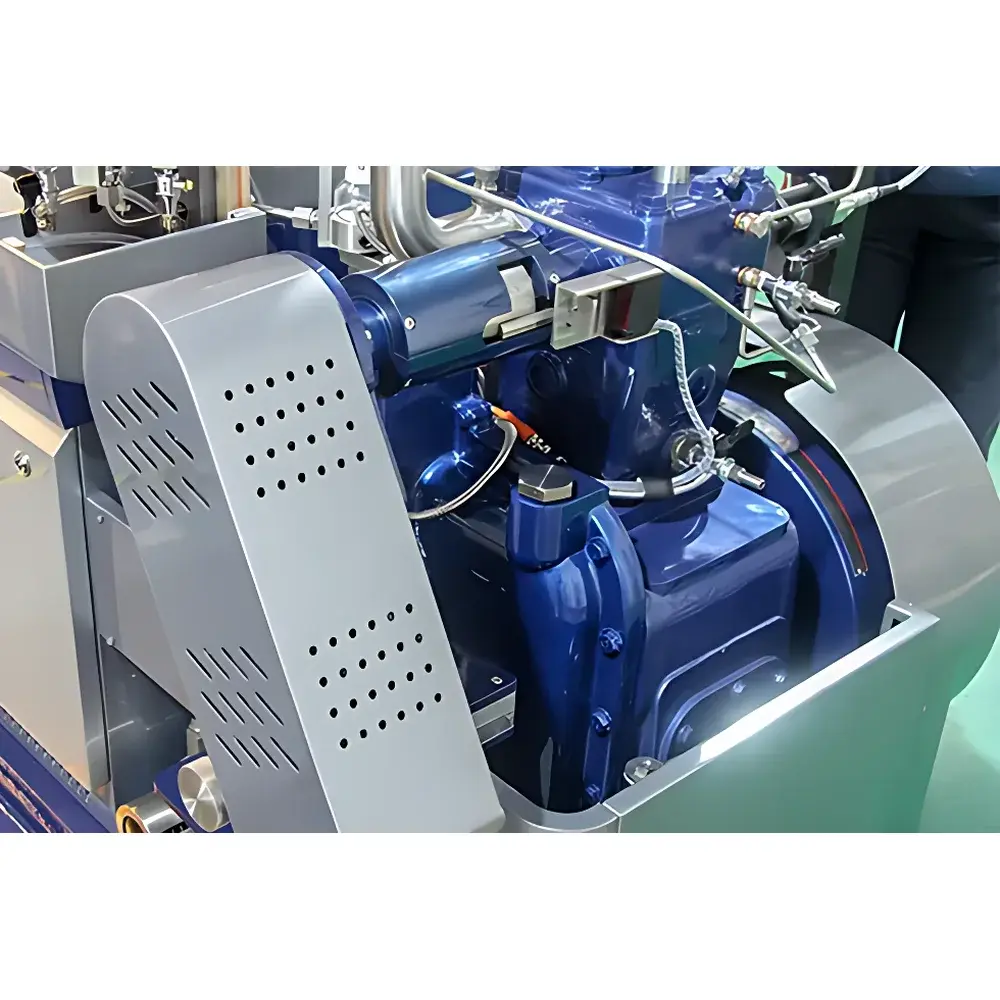
- CFR-structured engine conforming to ASTM D613 mechanical layout: right-hand orientation, front-mounted flywheel inspection system, and 82.55 mm cast-iron cylinder bore with 114.30 mm stroke
- Fully automated compression ratio adjustment (8:1–36:1) via motorized plunger—eliminating manual handwheel operation and reducing operator-induced variability
- Integrated torque sensing on the compression ratio actuator enables real-time monitoring of combustion chamber carbon deposition, supporting predictive maintenance
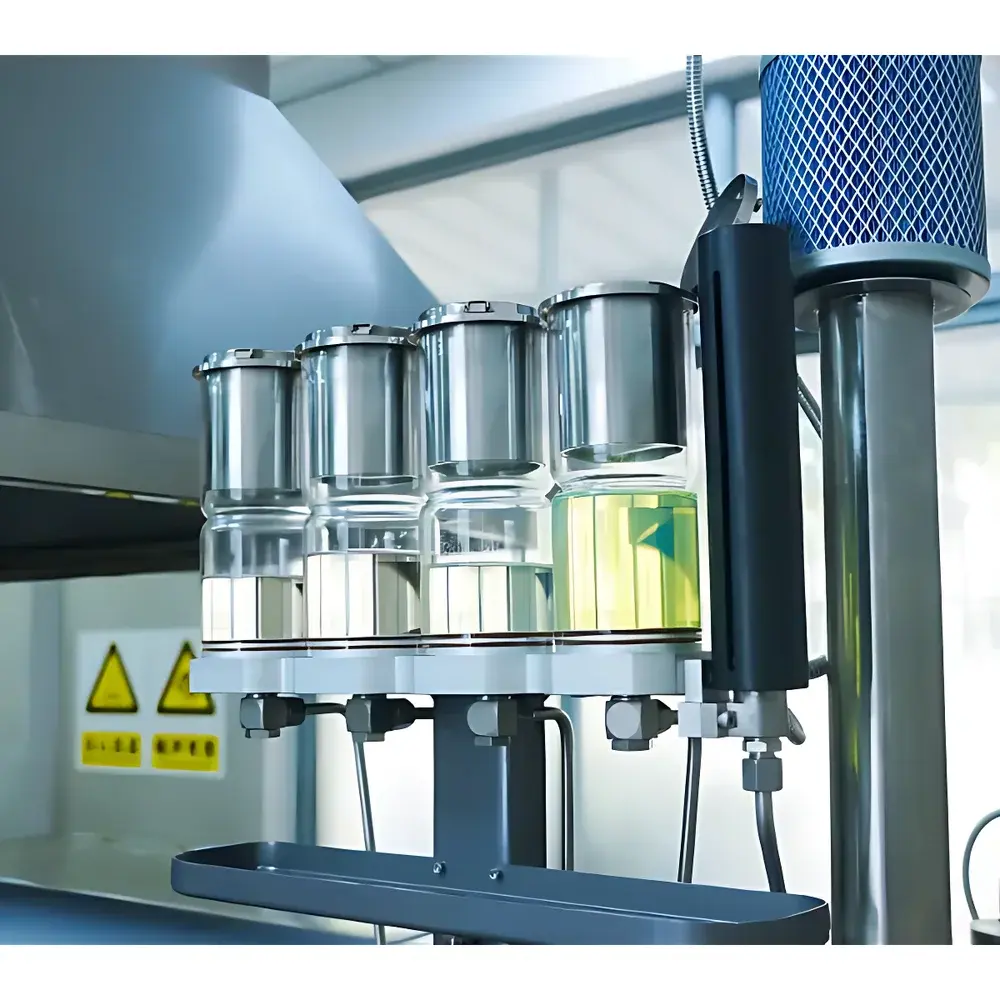
- Auto-switching fuel cups and closed-loop fuel line cleaning cycle between tests ensure cross-contamination prevention and method compliance
- Laser micrometer-based reading system for automatic interpretation of ignition delay data—no manual interpolation or calculation required
- Dual-stage oil filtration and active oil cooling maintain lubricant integrity during extended operation, ensuring long-term repeatability
- Onboard negative-pressure sensor continuously monitors crankcase vacuum, providing diagnostic insight into ring seal integrity and blow-by
- Embedded Wi-Fi module enables remote status monitoring, experiment completion alerts, and secure data retrieval via mobile or desktop clients
- Comprehensive safety architecture includes compression overload protection, thermal cut-offs, fuel leak detection, and emergency shutdown logic
- Integrated LIMS-compatible data export via USB, Wi-Fi, or optional printer interface; supports audit-ready timestamped records
Sample Compatibility & Compliance
The CFR-A5 AUTO is validated for use with conventional petroleum-derived diesel, hydrotreated fuels, biodiesel blends (B5–B20), synthetic diesel (e.g., GTL, HVO), and low-sulfur ultra-low-sulfur diesel (ULSD). It accommodates samples meeting viscosity and distillation range requirements specified in ASTM D613 (e.g., 2.0–4.5 mm²/s at 40 °C; T90 ≤ 360 °C). All operational parameters—including intake air temperature (66 ± 0.5 °C), jacket coolant temperature (100 ± 2 °C), injection timing (13.0 ± 0.2° BTDC), and injection pressure (10.30 ± 0.34 MPa)—are actively regulated and logged to satisfy GLP and GMP documentation requirements. The system’s firmware and data handling protocols are designed to support FDA 21 CFR Part 11 readiness when deployed in regulated environments.
Software & Data Management
The instrument operates under a deterministic real-time control OS with embedded calibration management and hardware self-diagnostic routines. The accompanying software suite provides full method configuration, sequence scheduling, live parameter visualization (compression ratio, knock intensity, RPM, oil pressure, coolant temp), and post-test CN calculation per ASTM D613 Annex A1. Raw sensor data—including cylinder pressure traces, injection event timing, and torque transducer outputs—are stored in open-format CSV/CSVZ files with metadata headers compliant with ASTM E1489. Audit trails record all user actions, parameter changes, and calibration events with immutable timestamps. Optional integration modules enable bidirectional communication with enterprise LIMS platforms using ASTM E1578-compliant drivers.
Applications
- Quality assurance of finished diesel fuels prior to dispatch (ASTM D975, EN 590)
- R&D evaluation of alternative diesel formulations, including renewable diesel and synthetic hydrocarbons
- Investigation of additive efficacy (e.g., cetane improvers) under standardized combustion conditions
- Validation of field-deployed rapid CN screening tools against primary reference measurements
- Supporting certification submissions to regulatory bodies requiring CFR-engine-derived CN data
- Teaching and demonstration of fundamental diesel combustion physics in academic laboratories
FAQ
What standards does the CFR-A5 AUTO comply with for cetane number determination?
It fully conforms to ASTM D613, ISO 5165, IP 41, and GB/T 386 for primary cetane number measurement.
Is the system capable of measuring fuels outside the typical 30–85 CN range?
Yes—the calibrated measurement range extends from 0 to 100 CN, though precision and repeatability are optimized within the 30–85 interval per standard practice.
How is compression ratio accuracy maintained over time?
The motorized compression plunger incorporates a high-resolution rotary encoder and load-compensated PID control; routine verification is performed using NIST-traceable gauge blocks during preventive maintenance.
Can the instrument be integrated into an existing laboratory network?
Yes—via built-in Wi-Fi, Ethernet (optional), or USB; data export formats include CSV, PDF reports, and LIMS-ready structured XML.
What maintenance intervals are recommended for sustained accuracy?
Comprehensive service is advised every 500 operating hours or annually, whichever occurs first; the onboard scheduler issues maintenance alerts based on runtime and sensor health metrics.





