
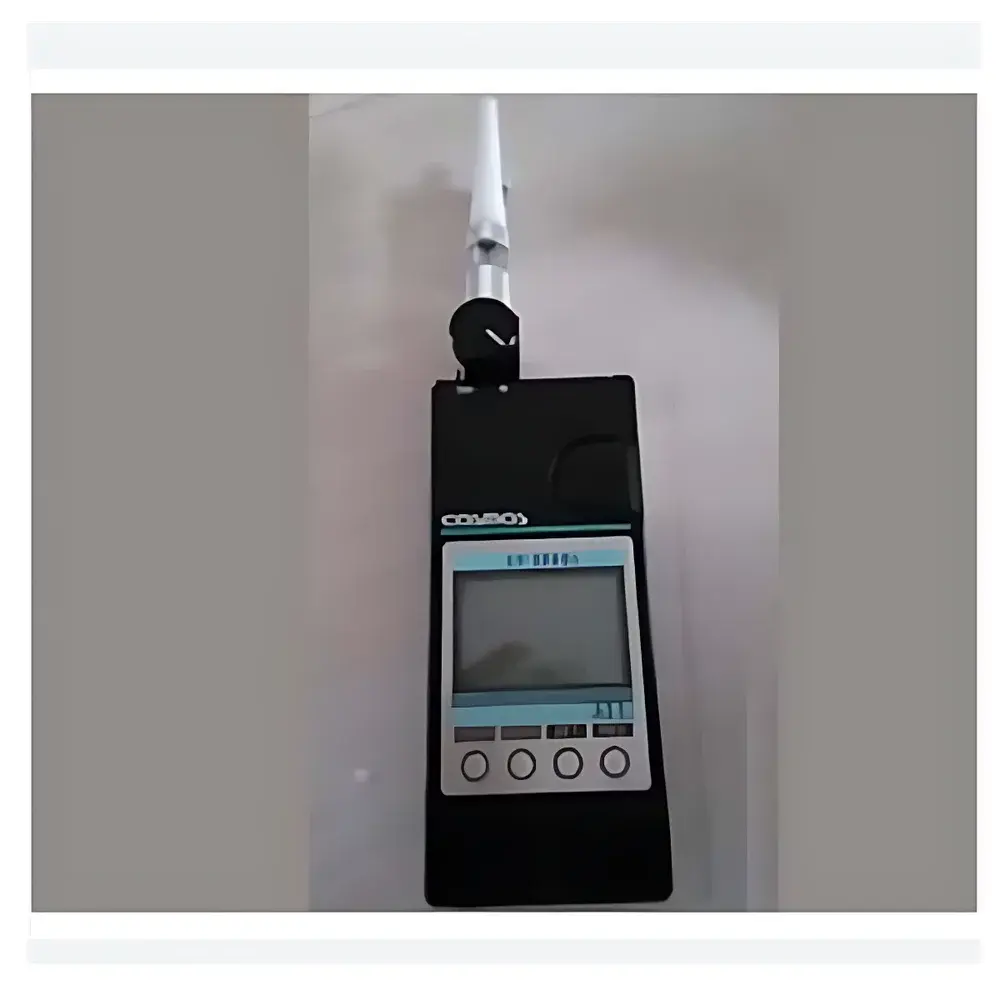
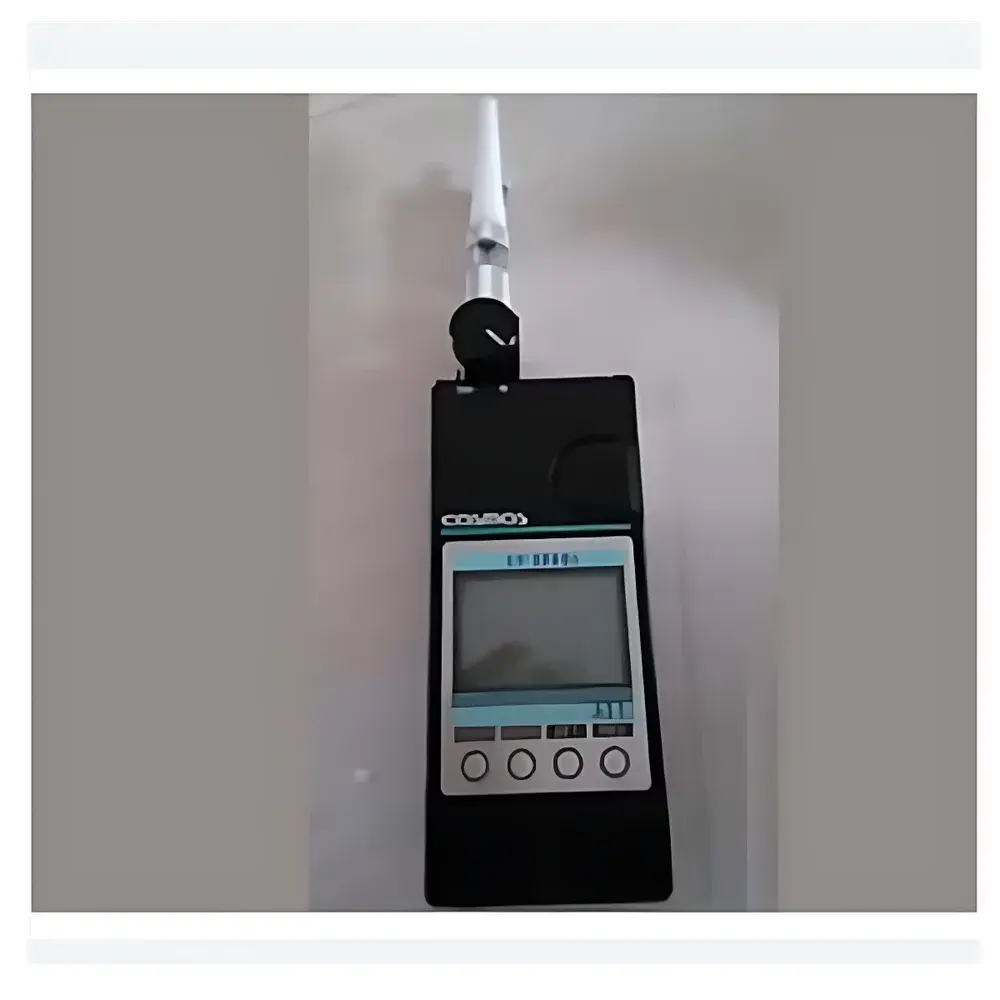
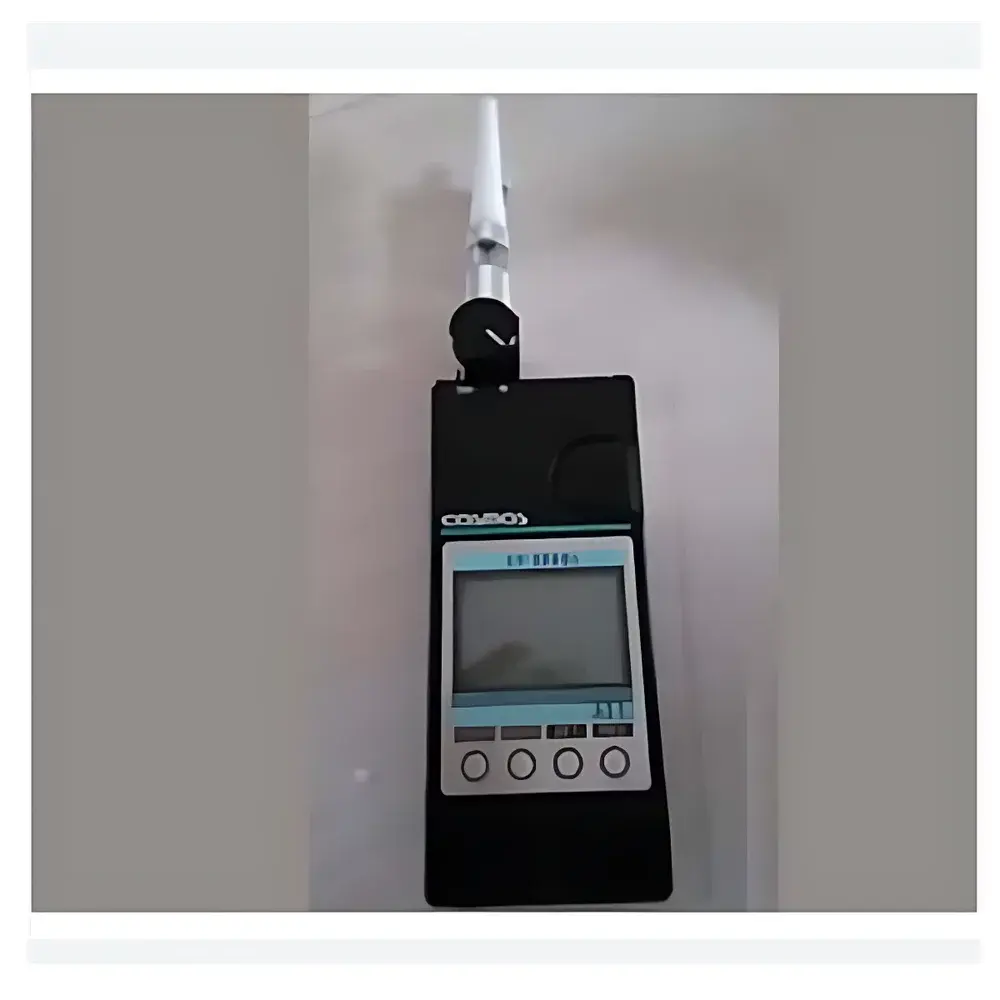
Shinwa XP-329IIIR Odor Intensity Analyzer
| Brand | Shinwa |
|---|---|
| Origin | Japan |
| Model | XP-329IIIR |
| Detection Principle | High-sensitivity tin-dioxide-based metal oxide semiconductor (MOS) sensor with heated filament |
| Display | 64×128 dot-matrix LCD |
| Measurement Range (Odor Intensity Scale) | 0–40 (equivalent to 0–2000 odor unit scale) |
| Repeatability | ±5% ±1 digit (under identical conditions) |
| Sampling Method | Micro air pump aspiration (400 ± 150 mL/min) |
| Response Time | ≤20 s (to 90% of final reading under calibrated odor gas) |
| Operating Temperature | 0–40 °C |
| Operating Humidity | 10–80% RH (non-condensing) |
| Dimensions | 84 × 275 × 40 mm (W×H×D, excluding protrusions) |
| Weight | ~640 g (including batteries) |
| Power Supply | 4 × AA alkaline batteries or AC adapter (100–240 V AC) |
| Battery Life | >8 h continuous operation (ambient conditions, aspiration active) |
| Data Storage | 8,188 entries (monitoring mode) / 4,095 entries (batch mode) |
| Output Interfaces | Analog (0–200 mV), RS-232C (ASCII) |
| Compliance | Designed for field-deployable environmental and industrial odor assessment per Japanese JIS Z 8401 and ISO 16000-29 principles |
Overview
The Shinwa XP-329IIIR Odor Intensity Analyzer is a portable, field-deployable instrument engineered for quantitative assessment of odor intensity in ambient air, exhaust streams, indoor environments, and aqueous effluents. It employs a high-sensitivity, heated-filament metal oxide semiconductor (MOS) sensor—specifically optimized for broad-spectrum volatile organic compound (VOC) and reduced sulfur compound detection—operating on the principle of resistance change induced by adsorption and surface oxidation reactions. Unlike olfactometric methods requiring human panelists, the XP-329IIIR delivers objective, repeatable numerical output aligned with standardized odor intensity scales. Its core function is not chemical speciation but rapid, on-site quantification of total odor strength relative to reference standards, making it suitable for routine screening, process monitoring, and regulatory pre-screening where compliance with odor nuisance thresholds (e.g., local ordinances referencing JIS Z 8401 or EU Directive 2008/50/EC Annex VIII frameworks) is required.
Key Features
- Real-time digital display of odor intensity on a 64×128 dot-matrix LCD, showing both numeric odor index (0–40 scale) and equivalent odor unit values (0–2000 scale).
- Dual-mode operation: continuous monitoring mode for ambient tracking and batch measurement mode for discrete sample evaluation.
- Onboard odor index conversion tables—up to three user-defined tables stored internally—enabling site-specific calibration against local odor standards or facility-specific emission profiles.
- Visual maintenance indicator presented as a dynamic bar graph, alerting users to sensor drift or filter saturation prior to performance degradation.
- Integrated data logging with non-volatile memory supporting 8,188 entries in monitoring mode and 4,095 in batch mode, timestamped and exportable via RS-232C interface.
- Analog voltage output (0–200 mV) proportional to displayed value, compatible with SCADA systems, chart recorders, or PLC inputs for continuous process integration.
- Self-contained power architecture: dual-source operation via four AA alkaline batteries (>8 h runtime) or universal AC adapter (100–240 V), with low-battery warning via on-screen icon and audible tone.
Sample Compatibility & Compliance
The XP-329IIIR is validated for use with gaseous samples drawn from ambient air, ducted exhaust, vehicle cabins, wastewater treatment headspaces, and building ventilation outlets. It accommodates particulate-laden or moderately humid streams via included activated carbon and particulate filters. While not a certified reference method per ISO 13732-1 or ASTM D679, its design aligns with the functional requirements of ISO 16000-29 (indoor air—odor assessment) and supports GLP-aligned field documentation when used with traceable calibration gases. The instrument does not require laboratory-grade conditioning; however, periodic verification using certified odor standard gases (e.g., n-butanol dilutions) is recommended to maintain measurement integrity across extended deployments. It meets CE marking requirements for electromagnetic compatibility (EN 61326-1) and safety (EN 61010-1).
Software & Data Management
The analyzer ships with Windows-compatible communication software (provided on CD) enabling bidirectional data transfer, firmware updates, and configuration of conversion tables. All logged measurements include date/time stamps and operational status flags (e.g., battery level, pump status, sensor health). Exported datasets are structured in ASCII-delimited format (.csv), facilitating direct import into LIMS platforms, Excel, or statistical analysis tools such as JMP or Minitab. Audit trails—including parameter changes, calibration events, and data retrieval sessions—are retained in device memory and retrievable via software query. For regulated environments, the system supports 21 CFR Part 11-compliant workflows when deployed with validated third-party electronic lab notebook (ELN) integration.
Applications
- Quality control of food, beverage, and fragrance products during production and storage.
- Evaluation of odor adsorption efficiency in activated carbon filters, biofilters, and plasma-based air purification units.
- Compliance screening of industrial stack emissions and fugitive odor sources against municipal or prefectural odor ordinances.
- Indoor air quality (IAQ) assessments in hospitals, schools, and public transport vehicles.
- Environmental impact monitoring near wastewater treatment plants, landfills, and rendering facilities.
- Process validation of deodorization treatments in chemical synthesis or polymer manufacturing.
- Material off-gassing studies for construction materials, adhesives, and coatings per ISO 16000-9 protocols.
FAQ
Does the XP-329IIIR identify specific chemical compounds?
No. It provides a composite odor intensity index based on total sensor response and does not perform gas chromatographic or spectroscopic identification.
Can the internal conversion tables be modified in the field?
Yes. Users may create, edit, and store up to three custom odor index conversion tables directly via the front-panel interface or PC software.
Is calibration traceable to national standards?
Calibration requires certified odor reference gases (e.g., n-butanol in nitrogen); traceability depends on the gas supplier’s certification to ISO/IEC 17025. Shinwa provides calibration guidance but does not supply certified standards.
What maintenance is required beyond filter replacement?
Sensor baseline stabilization occurs automatically during warm-up; annual sensor verification with reference gas is recommended. No routine electrolyte refills or optical alignment is needed.
Is the instrument suitable for underwater or submerged sampling?
No. It is rated for ambient air and headspace vapor sampling only. Direct liquid immersion will damage the sensor and aspiration system.





