
In-situ Marine DALEC Shipborne Hyperspectral Radiometry System
| Brand | In-situ Marine |
|---|---|
| Origin | Australia |
| Distributor Type | Authorized Distributor |
| Origin Category | Imported |
| Model | DALEC |
| Pricing | Upon Request |
Overview
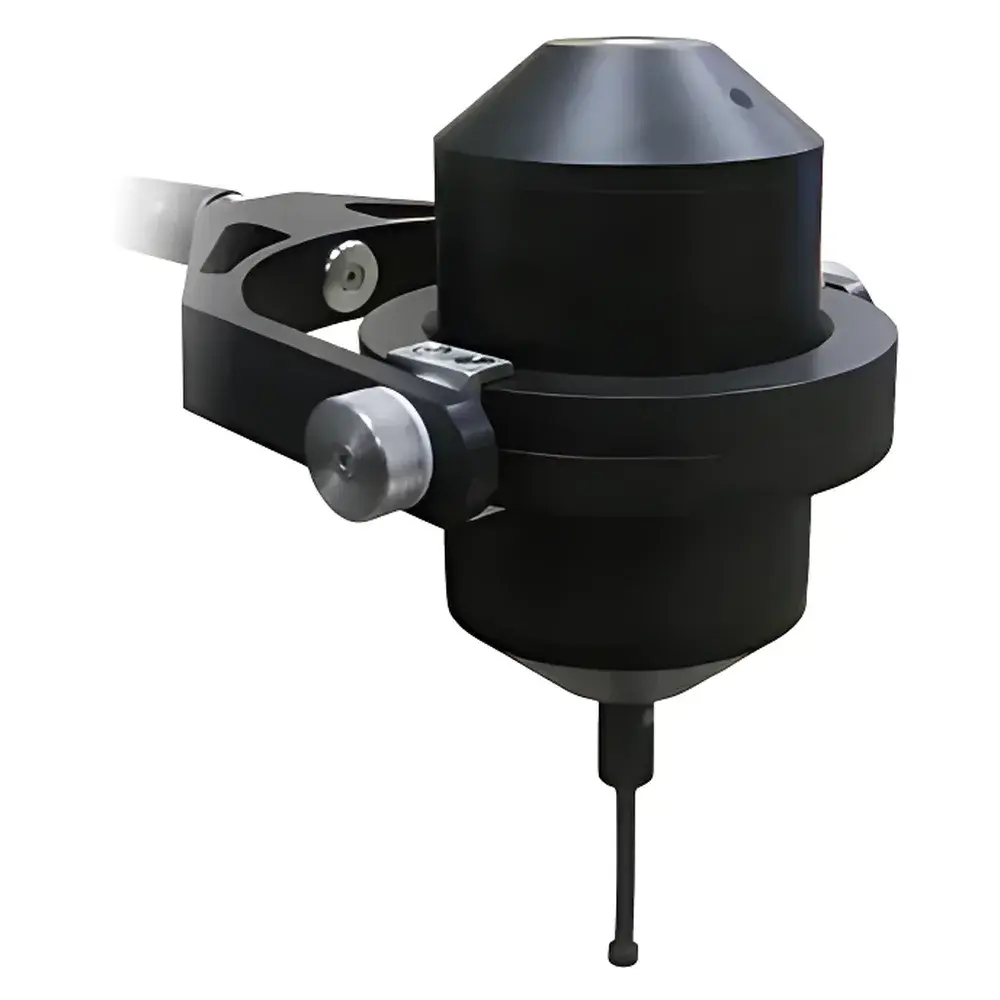
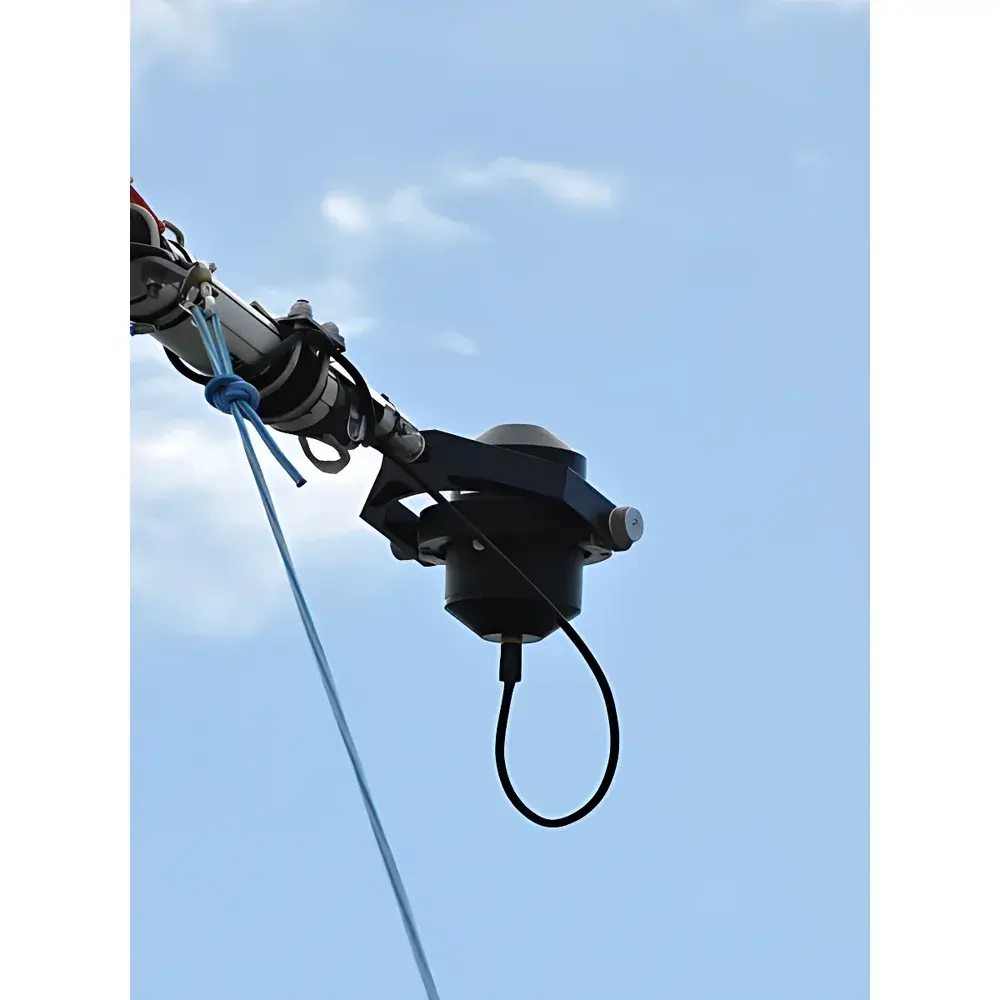
The In-situ Marine DALEC Shipborne Hyperspectral Radiometry System is an engineered solution for in-water, underway measurement of marine optical properties. It operates on the principle of simultaneous, co-located acquisition of upwelling water-leaving radiance (Lu), downwelling sky radiance (Lsky), and downwelling planar irradiance (Ed)—enabling robust derivation of remote-sensing reflectance (Rrs(λ)) under dynamic maritime conditions. Designed for integration onto research vessels, autonomous surface vehicles (ASVs), or fixed piers, the DALEC system implements a tri-sensor optical architecture aligned to standardized ocean color measurement protocols defined by NASA, ESA, and the IOCCG. Its real-time motion compensation—leveraging integrated inertial measurement units (IMUs) for pitch, roll, and heading—ensures angular stability of optical fields-of-view during vessel motion, thereby maintaining radiometric fidelity across sea states up to Beaufort 4.
Key Features
- True underway operation: Continuous, fully automated spectral acquisition while vessel is in motion, eliminating need for station-keeping or manual repositioning.
- Triple-sensor synchronized geometry: Co-aligned Lu (40° nadir, 5° FOV), Lsky (40° zenith, 5° FOV), and Ed (cosine-corrected PTFE diffuser) ensure traceable Rrs(λ) computation per IOCCG Best Practices.
- Real-time motion compensation: Integrated GPS, high-resolution IMU, and motorized azimuth control enable automatic solar position tracking and sensor orientation correction relative to true north and sun vector.
- Adaptive exposure control: Software-driven auto-integration time adjustment (1–6600 ms) maintains optimal signal-to-noise ratio across diurnal cycles and varying water clarity conditions.
- Onboard dark current correction: Real-time subtraction of thermal and electronic offset signals at each integration cycle, ensuring radiometric stability over extended deployments.
- Ruggedized marine-grade construction: Housing fabricated from anodized aluminum, SS316 stainless steel, acetal, and fused silica; IP68-rated for continuous submersion and splash resistance.
Sample Compatibility & Compliance
The DALEC system is compatible with standard oceanographic platforms including R/Vs, coastal monitoring buoys, and unmanned surface vessels. All optical components—including Zeiss MMS1 UV-VIS-NIR enhanced spectrometers—are calibrated against NIST-traceable standards for spectral responsivity and radiometric output. The system adheres to ISO 17025-accredited calibration practices and supports compliance with NASA Ocean Color Protocols (OC-SMART), ESA MERIS/OLCI validation requirements, and IOCCG Radiometric Calibration Guidelines. Its cosine error (<3% from 0° to 60° incidence) for Ed measurement meets the stringent threshold specified in ASTM E275-22 for underwater irradiance instrumentation. Data provenance—including timestamp, GPS coordinates, attitude metadata, and sensor health logs—is embedded in every spectral record to support GLP-compliant data auditing.
Software & Data Management
The DALEC system is operated via DALEC Control Suite—a cross-platform application supporting Windows, Linux, and macOS. It provides real-time visualization of spectra, live attitude telemetry, and automatic quality flagging based on SNR thresholds and motion deviation limits. Raw data are stored in HDF5 format with embedded CF-compliant metadata (Climate and Forecast conventions), enabling direct ingestion into SeaDAS, OCSSW, or Python-based analysis pipelines (e.g., PyOCD, NumPy, xarray). Internal 2 GB flash memory enables standalone logging; optional WiFi or RS-232 connectivity allows streaming to shipboard servers or cloud-synced repositories. Audit trails—including operator login, configuration changes, and calibration history—are maintained in accordance with FDA 21 CFR Part 11 requirements for electronic records and signatures where applicable.
Applications
- In situ validation of satellite-derived ocean color products (e.g., MODIS-Aqua, Sentinel-3 OLCI, PACE HARP2) through matchup analysis and atmospheric correction evaluation.
- Time-series monitoring of phytoplankton functional types, CDOM absorption, and suspended sediment loads in estuarine and shelf environments.
- Supporting bio-optical algorithm development and uncertainty quantification for Rrs(λ)-to-chlorophyll-a inversion models.
- Calibration-transfer studies between laboratory reference instruments and field-deployed radiometers.
- Integration into multi-sensor observing systems for coupled physical-biogeochemical process studies (e.g., upwelling dynamics, river plume dispersion).
FAQ
What spectral range is used for radiometric calculations in operational mode?
The system uses the NIST-calibrated range of 400–900 nm for all derived ocean color products; the full detector response spans 350–1150 nm but includes uncalibrated UV and NIR regions for diagnostic use only.
Is the DALEC system compatible with third-party data acquisition software?
Yes—via ASCII-based RS-232 command protocol and documented HDF5 schema, enabling integration with LabVIEW, MATLAB, or custom Python daemons.
How is thermal drift mitigated during long-duration deployments?
Each spectrometer incorporates thermoelectric stabilization and internal temperature logging; dark current correction is applied per-scan using concurrently acquired dark frames.
Can the system be deployed on autonomous platforms?
Yes—its 24 VDC input, low power draw (<8 W average), compact form factor (Ø140 × 210 mm), and IP68 rating make it suitable for ASVs and moored observatories with appropriate mounting hardware.
Does the system support automated QA/QC flagging?
Yes—the Control Suite applies configurable flags for motion artifacts (>2° pitch/roll deviation), low SNR (<10_1 at 550 nm), and out-of-range integration times, exporting flagged spectra alongside clean records.







