
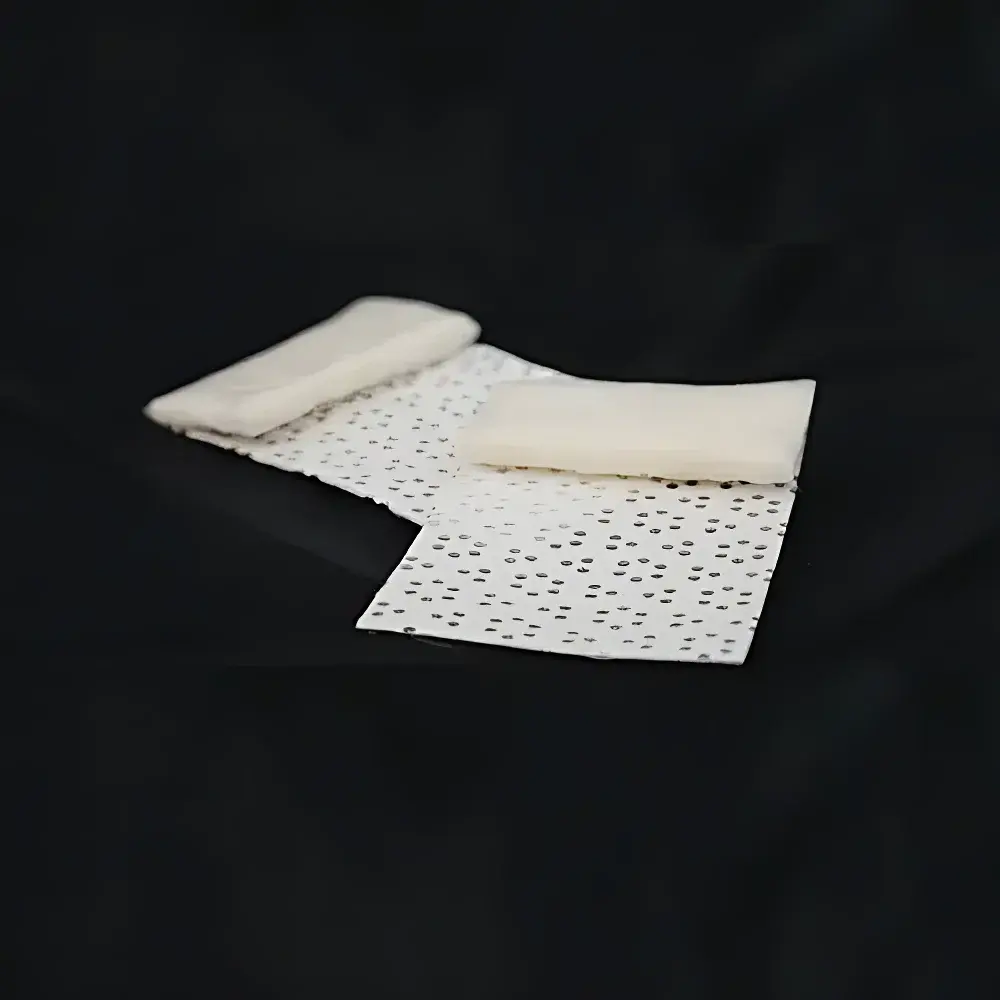
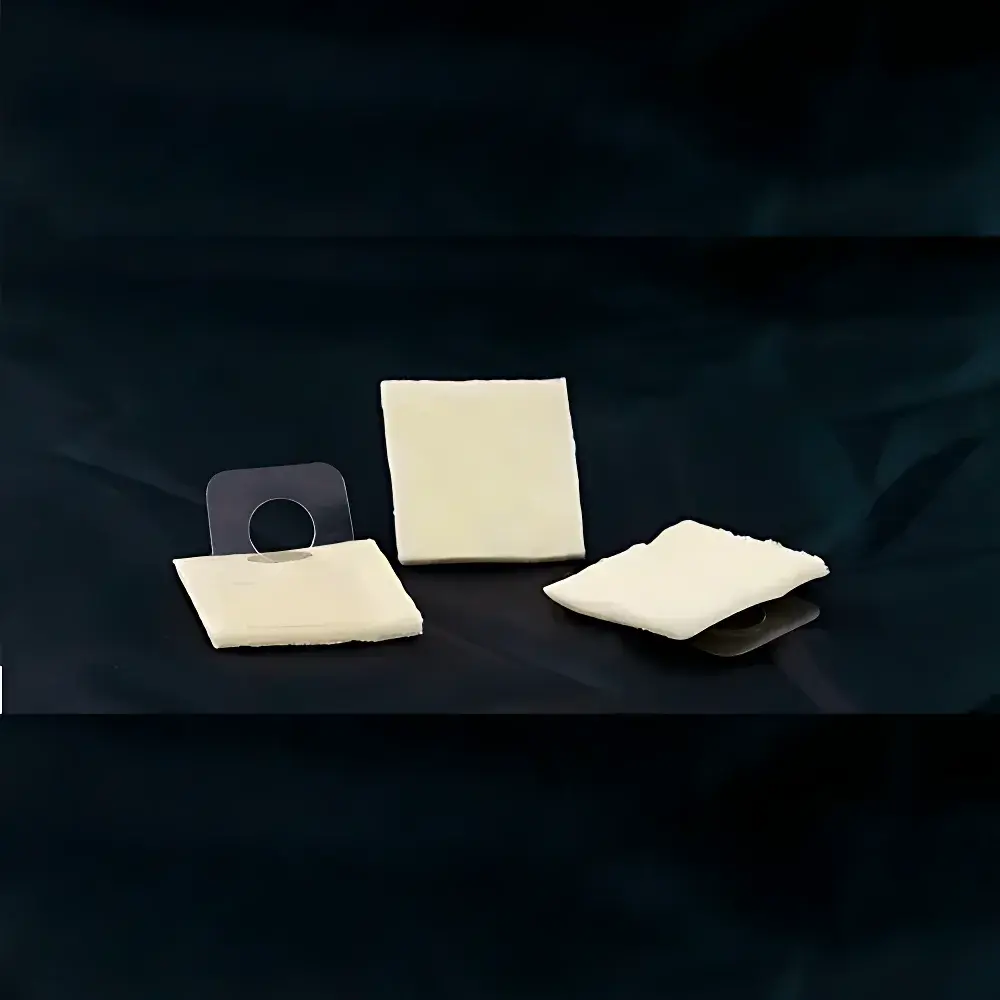
SKC SWYPEs Colorimetric Indicator
| Brand | SKC |
|---|---|
| Origin | USA |
| Model | SWYPEs |
| Type | Single-use, compound-specific colorimetric surface and skin wipe indicator for workplace chemical contamination detection |
| Compliance | Designed for OSHA, NIOSH, and ACGIH exposure assessment workflows |
| Intended Use | Qualitative on-site detection of surface-resident and dermal chemical residues (e.g., aldehydes, amines, hydrazines, organophosphates, heavy metal ions) |
Overview
The SKC SWYPEs Colorimetric Indicator is a field-deployable, single-use qualitative detection system engineered for rapid, on-site identification of trace chemical contaminants on non-porous and semi-porous surfaces—as well as directly on human skin. It operates on the principle of selective chromogenic reaction: each SWYPEs pad is pre-impregnated with a proprietary reagent formulation optimized for a defined chemical class (e.g., formaldehyde, hydrazine, dimethylamine, or nickel ions). Upon contact with target analytes at concentrations at or below occupational exposure limits (OELs), a stoichiometric redox or complexation reaction generates a visually discernible, irreversible color change—typically within 15–60 seconds. Unlike air-sampling methods, SWYPEs targets the dermal exposure pathway, addressing a critical gap in industrial hygiene monitoring where surface residue contributes significantly to cumulative dose. Its design aligns with NIOSH Manual of Analytical Methods (NMAM) Chapter 8, “Surface Sampling,” and supports tiered exposure assessment strategies recommended by AIHA and ISO 16000-32.
Key Features
- Compound-class specificity: Each SWYPEs variant is chemically tuned for high selectivity—minimizing cross-reactivity with common solvents, cleaning agents, or background matrix components.
- Rapid visual readout: No instrumentation required; results are interpreted by unaided eye under standard lighting, with color intensity correlating semi-quantitatively to contaminant load.
- Integrated fluid management: The patented capillary wick structure draws developer/cleaner solution into the reactive pad uniformly, ensuring consistent reagent-analyte contact—even on textured, curved, or low-energy surfaces (e.g., pump gaskets, hose couplings, PPE seams).
- Dermal-safe formulation: All reagents and solvents comply with ASTM F2977-23 (Standard Guide for Skin Contact Testing of Industrial Hygiene Sampling Devices) and exhibit no cytotoxicity per ISO 10993-5.
- Controlled shelf life: Individually foil-laminated pouches maintain reagent stability for ≥24 months when stored at 15–25°C and <60% RH.
Sample Compatibility & Compliance
SWYPEs is validated for use on stainless steel, painted metal, glass, polycarbonate, nitrile gloves, and bare skin. It is not intended for porous substrates such as concrete or untreated wood without prior method validation. Each lot undergoes batch certification per ISO/IEC 17025-accredited testing for sensitivity (detection threshold ≤0.1× ACGIH TLV for target analyte), specificity (≥98% negative predictive value against 22 common interferents), and reproducibility (inter-operator CV <8%). Documentation includes full Certificate of Analysis and NMAM-aligned validation reports. The system supports GLP-compliant recordkeeping when used with SKC’s optional digital logsheet templates (PDF/A-1b compliant, timestamped, audit-trail ready).
Software & Data Management
While SWYPEs itself is a hardware-free, analog detection tool, its integration into enterprise exposure management platforms is enabled via SKC’s free SWYPEs Digital Logbook—a secure, offline-capable web application (PWA) compatible with iOS, Android, and Windows tablets. Users capture geotagged images of color responses, annotate substrate type and sampling location, assign sample IDs linked to facility asset registers, and export CSV or PDF reports aligned with OSHA 300 logs and ISO 45001 clause 9.1.2 requirements. All data transmissions are encrypted (TLS 1.3); no raw image or metadata is stored on SKC servers unless explicitly opted-in for anonymized method performance analytics.
Applications
- Routine surface screening in pharmaceutical cleanrooms (ISO Class 5–8) for residual solvents or cleaning agent carryover.
- Leak verification of flange seals, valve packing, and flexible hose connections in chemical processing units.
- Post-decontamination verification following hazardous material spill response (e.g., HF, aniline, or chlorinated hydrocarbon releases).
- Worker hygiene compliance audits—direct skin swabbing of hands, forearms, or neck before PPE doffing.
- Validation of wipe sampling protocols per EPA Method 504.1 and ASTM D7415-22 for surface residue mapping.
FAQ
Can SWYPEs be used to quantify contaminant concentration?
No. SWYPEs provides qualitative or semi-quantitative (low/medium/high) classification only. For regulatory reporting requiring numerical concentration data, follow-up analysis via GC-MS, IC, or ICP-MS is required.
Is calibration required before use?
No. Each pad is factory-calibrated and lot-certified. Users must verify expiration date and pouch integrity prior to deployment.
Does SWYPEs meet FDA 21 CFR Part 11 requirements?
The physical indicator does not fall under Part 11 scope. However, the SWYPEs Digital Logbook supports electronic signatures, audit trails, and record retention per Part 11 when deployed in validated environments.
How should spent pads be disposed?
Treat as hazardous waste per local regulations governing the detected chemical class. Do not autoclave or incinerate without prior compatibility assessment.
Can multiple compounds be detected on one pad?
No. Each SWYPEs pad targets a single chemical class. Simultaneous multi-analyte detection requires parallel sampling with corresponding pad variants.
Related Products







