
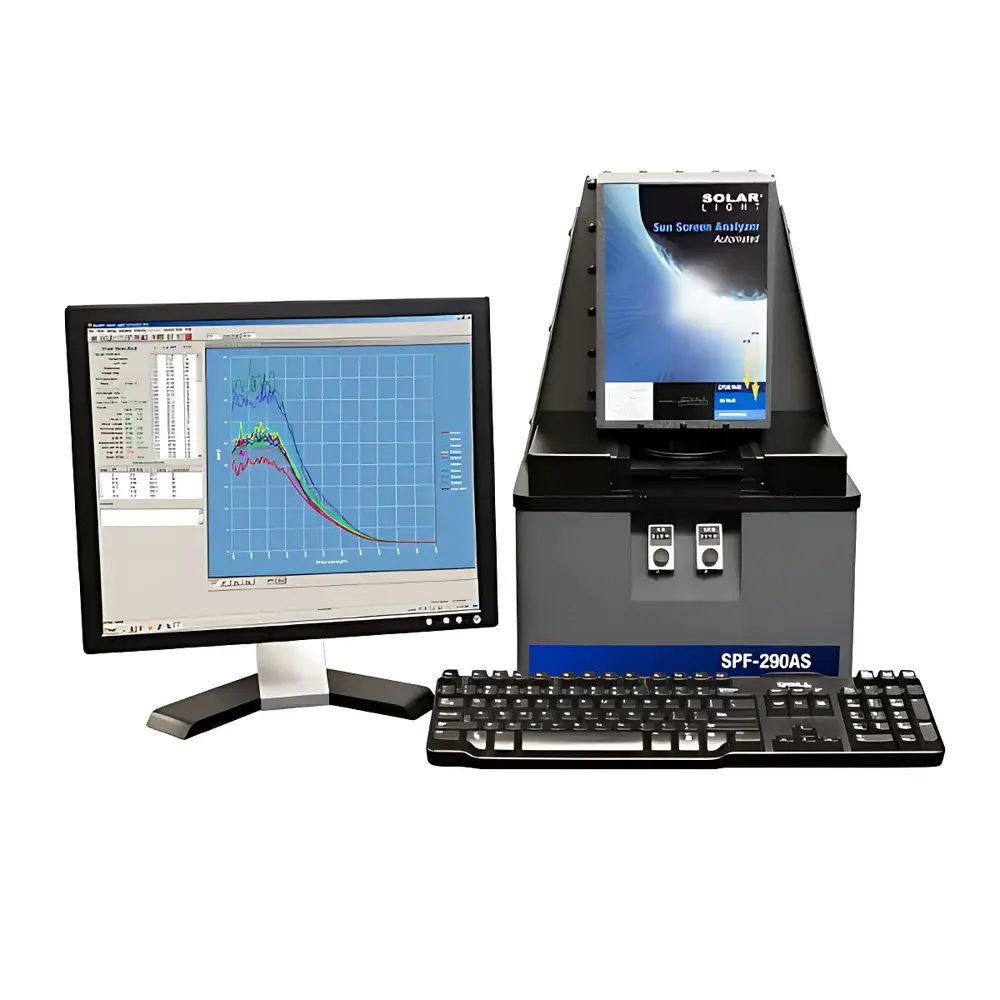
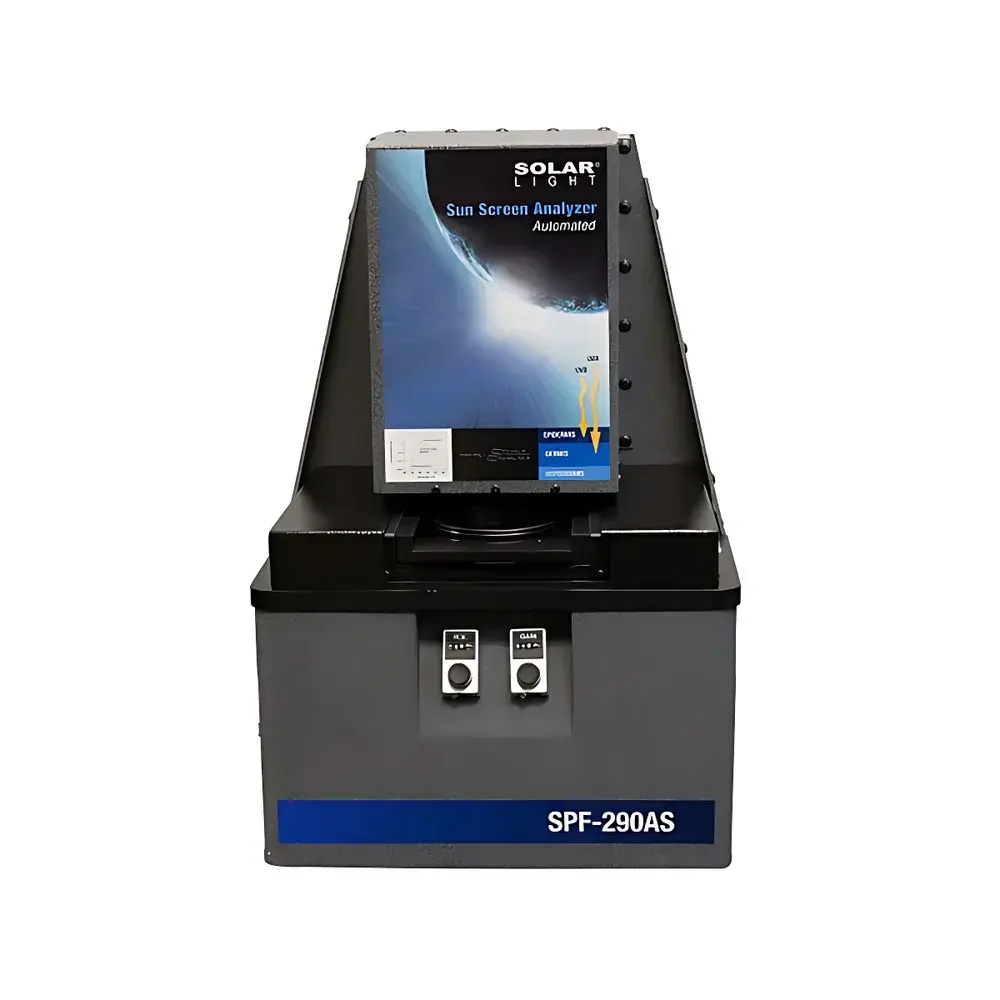
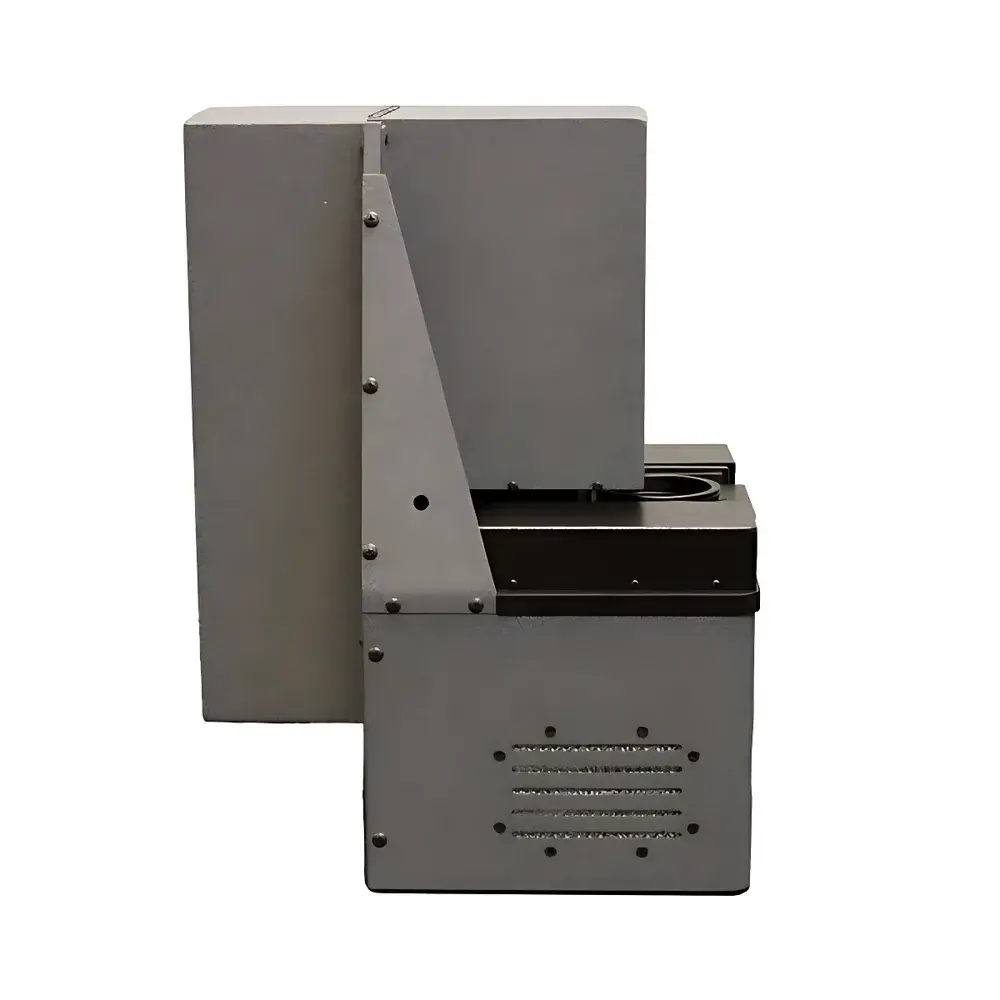
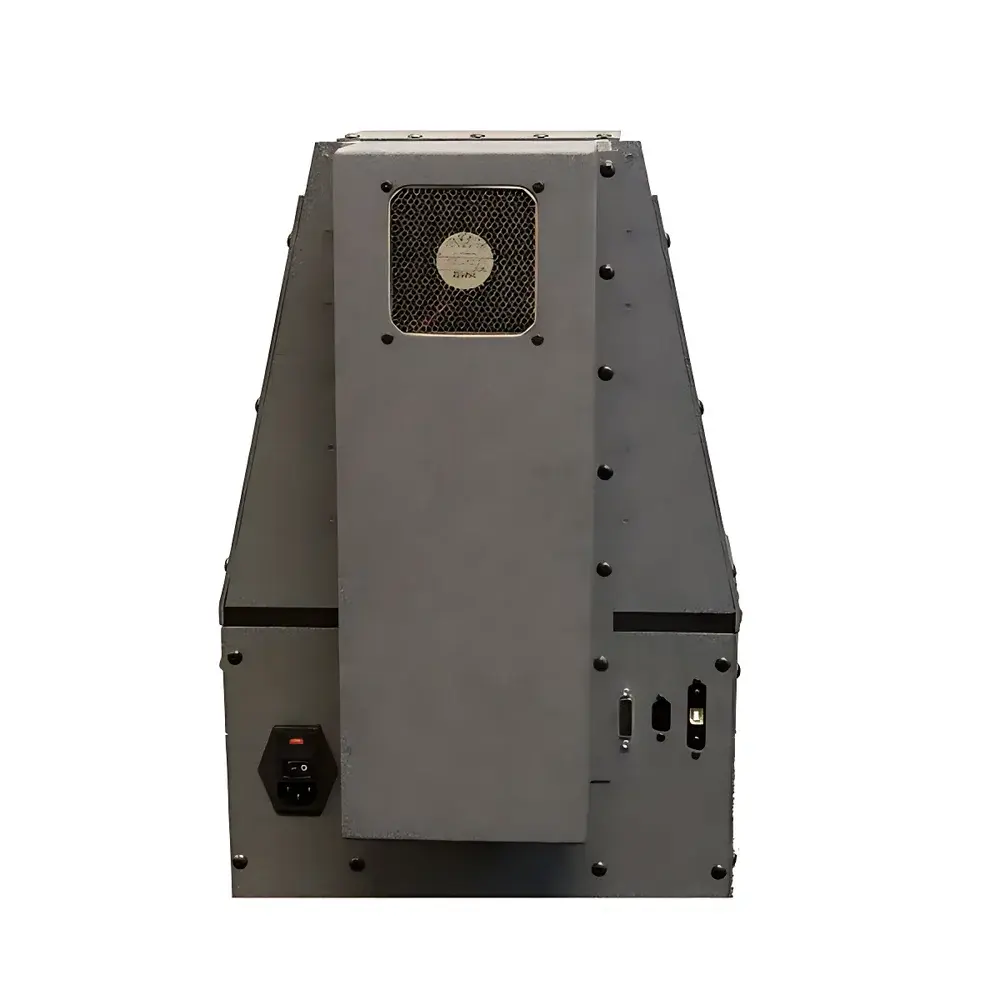
Solar Light SPF-290AS Automated UV Transmittance and Sun Protection Factor Analyzer
| Brand | Solar Light |
|---|---|
| Origin | USA |
| Model | SPF-290AS |
| Wavelength Range | 290–400 nm |
| Scan Resolution Options | 1 nm, 2 nm, or 5 nm |
| Compliance | ISO 23698:2024, ISO 23675:2024, ISO 24443, FDA Guidance, COLIPA, Boots Star Rating Methodology |
| Sample Types | Lotions, creams, sprays, gels, powders, emulsions, textiles |
| Data Output | Monochromatic Protection Factor (MPF), SPF, UV transmittance spectra |
| Software Features | Pre-loaded erythemal action spectrum & solar irradiance reference data (CIE 1987 / ISO 17166), user-modifiable weighting functions, audit-trail-enabled calculation logs |
Overview
The Solar Light SPF-290AS Automated UV Transmittance and Sun Protection Factor Analyzer is a purpose-built, benchtop ultraviolet spectrophotometer engineered for regulatory-compliant, in vitro determination of sun protection factor (SPF) and spectral UV transmittance across the biologically relevant 290–400 nm range. Unlike general-purpose UV-Vis instruments, the SPF-290AS integrates optical hardware, calibrated photodetector response, and standardized computational algorithms into a single platform optimized for sunscreen product evaluation. It operates on the principle of quantitative UV transmittance measurement through thin, uniform sample films deposited on quartz substrates—enabling derivation of monochromatic protection factor (MPF) at each wavelength via the ratio of incident to transmitted spectral irradiance. The system then applies the internationally harmonized erythemal action spectrum (CIE 1987, adopted in ISO 17166:2019) and reference solar spectral irradiance (ASTM G173-03) to weight MPF values and compute final SPF according to ISO 23698:2024—the current global benchmark for in vitro SPF testing.
Key Features
- Automated wavelength scanning from 290 nm to 400 nm with selectable resolution (1 nm, 2 nm, or 5 nm) for high-fidelity spectral profiling.
- Dedicated optical path design incorporating thermally stabilized deuterium/tungsten light source, precision monochromator, and low-noise silicon photodiode detector optimized for UV-B and UV-A sensitivity.
- Integrated sample stage with motorized positioning and optional film-thickness verification module for reproducible substrate loading (e.g., PMMA or quartz plates).
- Pre-configured software engine implementing ISO 23698:2024 calculation logic—including dynamic normalization against baseline transmittance, stray-light correction, and spectral smoothing per Annex B.
- Full traceability support: All raw spectra, intermediate MPF values, weighting function parameters, and final SPF outputs are timestamped and stored with operator ID and instrument calibration status.
- Compliance-ready architecture: Designed to meet documentation and audit requirements under GLP environments; supports 21 CFR Part 11–compliant electronic signatures when deployed with validated LIMS integration.
Sample Compatibility & Compliance
The SPF-290AS accommodates a broad range of physical formulations without modification to core methodology. Liquid, emulsion, gel, aerosol, and powdered sunscreen products are applied uniformly onto standardized substrates using validated spreading tools (e.g., rod coaters or spin coaters). Textile samples—such as UV-protective fabrics—are mounted directly for transmission measurement under controlled humidity and temperature conditions (23 ± 2°C, 50 ± 5% RH). All test procedures align with ISO 23675:2024 (in vitro UVA-PF determination) and ISO 24443 (critical wavelength and UVA/UVB ratio reporting). The system also enables comparative analysis against the Boots Star Rating protocol by exporting unweighted transmittance curves and calculating UVA/UVB ratios per wavelength-integrated bands (320–400 nm / 290–320 nm).
Software & Data Management
The proprietary SPF Analysis Suite provides a secure, role-based interface for method setup, acquisition control, and report generation. Raw spectral data are saved in vendor-neutral CSV and XML formats, preserving metadata such as lamp hours, grating position, slit width, and detector gain settings. Calculation modules include built-in validation checks—for example, automatic flagging of transmittance values exceeding 100% (indicative of scattering artifacts) or MPF discontinuities outside ±5% tolerance across adjacent wavelengths. Audit trails record every parameter change, file export, and report approval event. For regulated laboratories, optional IQ/OQ documentation packages and electronic signature workflows are available to support FDA, EMA, or Health Canada submissions.
Applications
- Formulation development and batch release testing of OTC and cosmetic sunscreens.
- Comparative efficacy assessment of organic vs. inorganic UV filters (e.g., avobenzone, octinoxate, zinc oxide, titanium dioxide).
- Stability studies tracking SPF degradation under accelerated UV exposure or thermal cycling.
- Regulatory dossier preparation for global markets requiring ISO 23698-compliant in vitro SPF claims.
- Quality control of UV-blocking textiles, window films, and protective coatings.
- Academic and contract research supporting photobiological safety assessments under ICH S10 guidelines.
FAQ
Does the SPF-290AS require external calibration standards for routine operation?
No—each unit ships with NIST-traceable UV transmittance reference filters and undergoes factory wavelength and photometric calibration. Daily verification uses internal reference channels; annual recalibration is recommended per ISO/IEC 17025 guidelines.
Can users import custom erythemal action spectra or solar irradiance data?
Yes—the software allows upload of user-defined weighting functions in CSV format, enabling method adaptation for non-standard biological endpoints or regional solar models.
Is textile testing supported out-of-the-box?
Yes—dedicated textile mode adjusts integration time and signal averaging to accommodate lower transmittance and higher scattering typical of woven and knitted fabrics.
How does the system handle highly scattering or opaque samples?
The SPF-290AS employs a dual-beam configuration with real-time reference compensation and includes scatter-correction algorithms compliant with ISO 23698 Annex D, minimizing artifact-induced overestimation of SPF.
What documentation is provided for regulatory audits?
Standard delivery includes instrument qualification reports (IQ/OQ), software validation summary, SOP templates, and electronic logbook export functionality aligned with ALCOA+ data integrity principles.






