Solinst Groundwater Sampling Systems Series (Models 404, 407, 408, 408M, 410, 425, 428, 429, 464, 800)
| Origin | Canada |
|---|---|
| Supplier Type | Authorized Distributor |
| Origin Category | Imported |
| Models | 404 / 407 / 408 / 408M / 410 / 425 / 428 / 429 / 464 / 800 |
| Power Supply | Two AA batteries (for ECUs) |
| Sample Flow Rate | 40 mL/min to 3.5 L/min (model-dependent) |
| Max Pressure Rating | 125–250 psi |
| Tube OD Range | 12.7 mm to 50.8 mm |
| Max Sampling Depth | 600 m |
| Sample Volume Range | 50 mL to 1 L (per cycle) |
| Drive Time Range | 0.3–162 s |
| Compatible Well Diameter | 12–150 mm |
| Material Compliance | FDA-compliant silicone, PTFE (Teflon®), Viton®, 316 stainless steel, HDPE, LDPE, aerospace-grade aluminum |
Overview
The Solinst Groundwater Sampling Systems Series comprises a modular, field-proven portfolio of precision sampling tools engineered for reliable, low-contamination groundwater collection across diverse hydrogeological settings. Each model implements a distinct fluid-handling principle—positive displacement (peristaltic, diaphragm, dual-valve, or pneumatic)—to meet application-specific requirements for depth, sample integrity, matrix compatibility, and regulatory compliance. The 410 peristaltic pump utilizes rotary compression of medical-grade silicone tubing to deliver pulse-free, shear-sensitive flow; the 407 diaphragm pump employs chemically resistant PTFE membranes for inert handling of aggressive or volatile analytes; the 408/408M dual-valve systems operate on a discrete suction-discharge cycle with check-valve isolation, minimizing cross-contamination between sampling intervals. All systems are designed for deployment in vertical, deviated, or confined boreholes—including CMT (Continuous Multilevel Monitoring) and Waterloo-style multilevel systems—and support both discrete-interval and continuous profiling workflows.
Key Features
- Modular architecture enabling rapid reconfiguration for site-specific well geometry, depth, and chemistry
- Chemically inert wetted materials: USP Class VI silicone, ASTM D1418 Viton®, ASTM F754 PTFE, and ASTM A276 316 stainless steel
- Low-dead-volume fluid paths with minimal internal surface area to reduce adsorption and carryover
- Field-calibratable flow control via programmable drive timing (0.3–162 s) and pressure regulation (20–50 psi for pneumatic units)
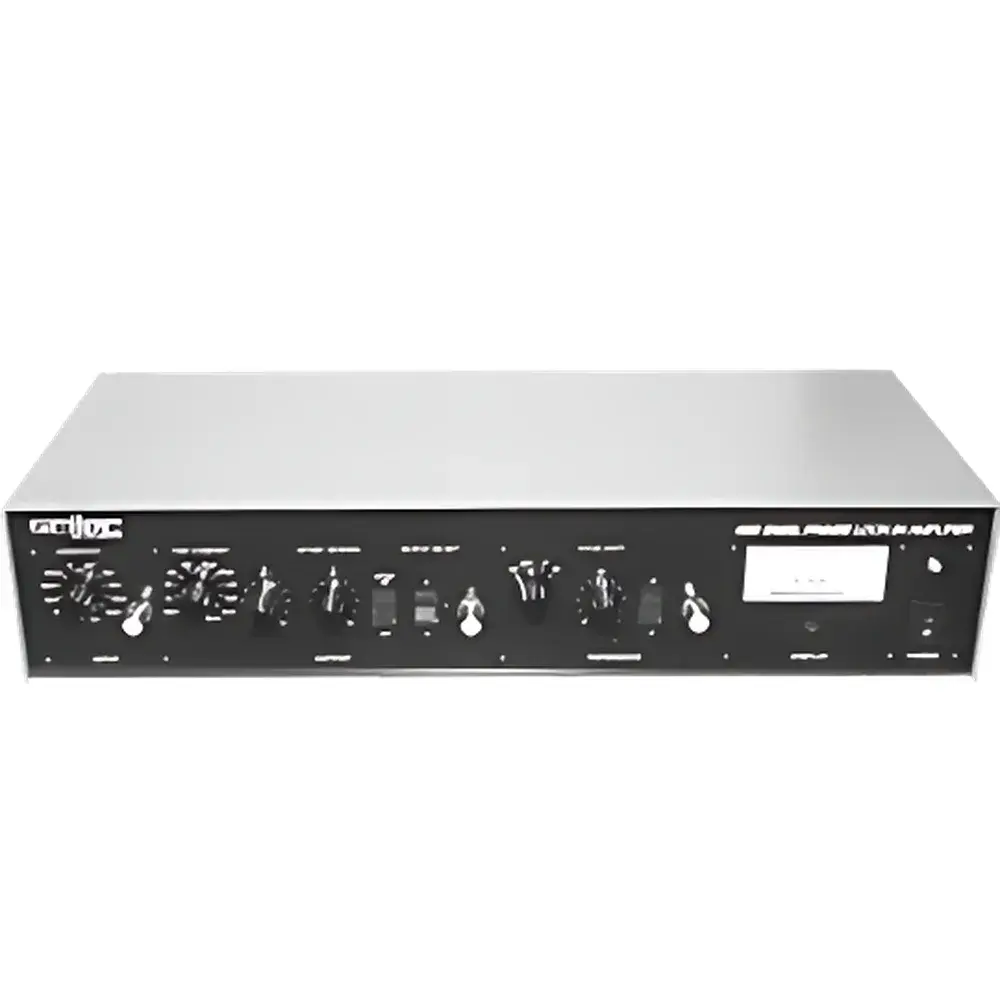
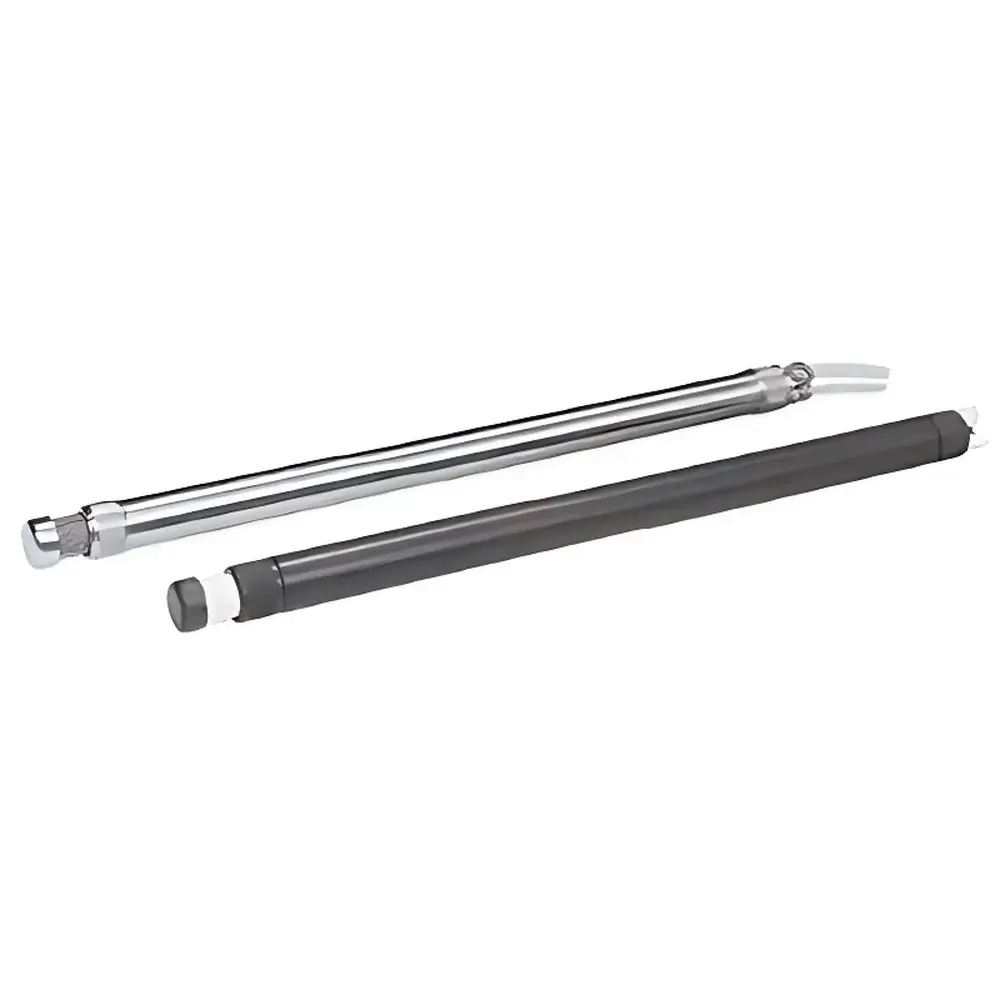
- Compact, lightweight design: ECUs measure 33 × 13 × 17 cm and weigh ≤3.6 kg; sampling probes range from 737 mm to 1220 mm in length with ODs from 12.7 mm to 94 mm
- Pressure-rated construction compliant with ANSI/ASME B31.4 for low-pressure pneumatic operation (up to 250 psi)
- Tool-free assembly/disassembly and standardized 16 mm tube interface with optional adapters for 10 mm tubing
Sample Compatibility & Compliance
These systems are validated for use with potable water, brackish aquifers, landfill leachate, mining effluents, LNAPL/DNAPL-impacted matrices, and high-solids suspensions. All wetted components comply with EPA Method 500.0 and ISO 5667-3 for low-background sampling. The 425 discrete interval sampler meets ASTM D5088-22 requirements for depth-specific sampling in multilevel wells. Pneumatic modules (e.g., 800-series) adhere to OSHA 1910.169 for low-pressure gas handling. Full traceability is supported through GLP-compliant field logs; electronic control units (464 ECU) provide timestamped operation records compatible with 21 CFR Part 11 audit trail requirements when integrated with validated LIMS platforms.
Software & Data Management
The 464 Electronic Control Unit features an embedded microcontroller with non-volatile memory storing up to 500 operational cycles, including drive duration, pressure setpoint, and timestamp. Data export is via USB-C to CSV or XML format, supporting direct ingestion into hydrogeological modeling software (e.g., MODFLOW-GUI, GMS) and laboratory information management systems (LIMS). Firmware updates are delivered via secure HTTPS endpoint, and configuration files are digitally signed to ensure integrity. No proprietary cloud platform is required—data ownership remains fully with the user at all times.
Applications
- Regulatory-compliant groundwater monitoring per EPA SW-846 Methods 9060A (LNAPL) and 9071B (DNAPL)
- High-resolution vertical profiling in CMT and Waterloo multilevel systems
- In-situ permeability testing (constant-head and falling-head configurations)
- Leachate extraction from landfill liners and tailings impoundments
- Direct-push profiling with membrane interface probe (MIP) or hydraulic profiling tool (HPT) coupling
- Sampling in constrained environments: casings <150 mm ID, horizontal wells, fractured bedrock, and saturated clay lenses
- Air injection and low-pressure pneumatic purging for well development and VOC stabilization
FAQ
Can these samplers be used in saline or sulfide-rich aquifers?
Yes—the 316 stainless steel housings, PTFE membranes, and Viton® seals resist chloride pitting and H₂S corrosion per NACE MR0175/ISO 15156.
Is calibration traceable to NIST standards?
Flow rate calibration is performed using gravimetric methods traceable to NIST SRM 3109a (certified water density standard); certificates include uncertainty budgets per ISO/IEC 17025.
Do the systems support automated sequential sampling?
The 425 discrete interval sampler and 464 ECU enable programmable multi-depth sequences with configurable dwell times and purge volumes, meeting ASTM D5792-21 for automated multilevel protocols.
What maintenance is required between deployments?
Silicone tubing must be replaced after 500 compression cycles; PTFE diaphragms are rated for ≥10,000 actuations. All units undergo hydrostatic pressure testing at 1.5× rated pressure prior to shipment.
Are explosion-proof variants available?
The 464 ECU is intrinsically safe (Class I, Division 2, Group C/D) per UL 60079-15; pneumatic modules require external air supply with certified filtration and moisture traps.