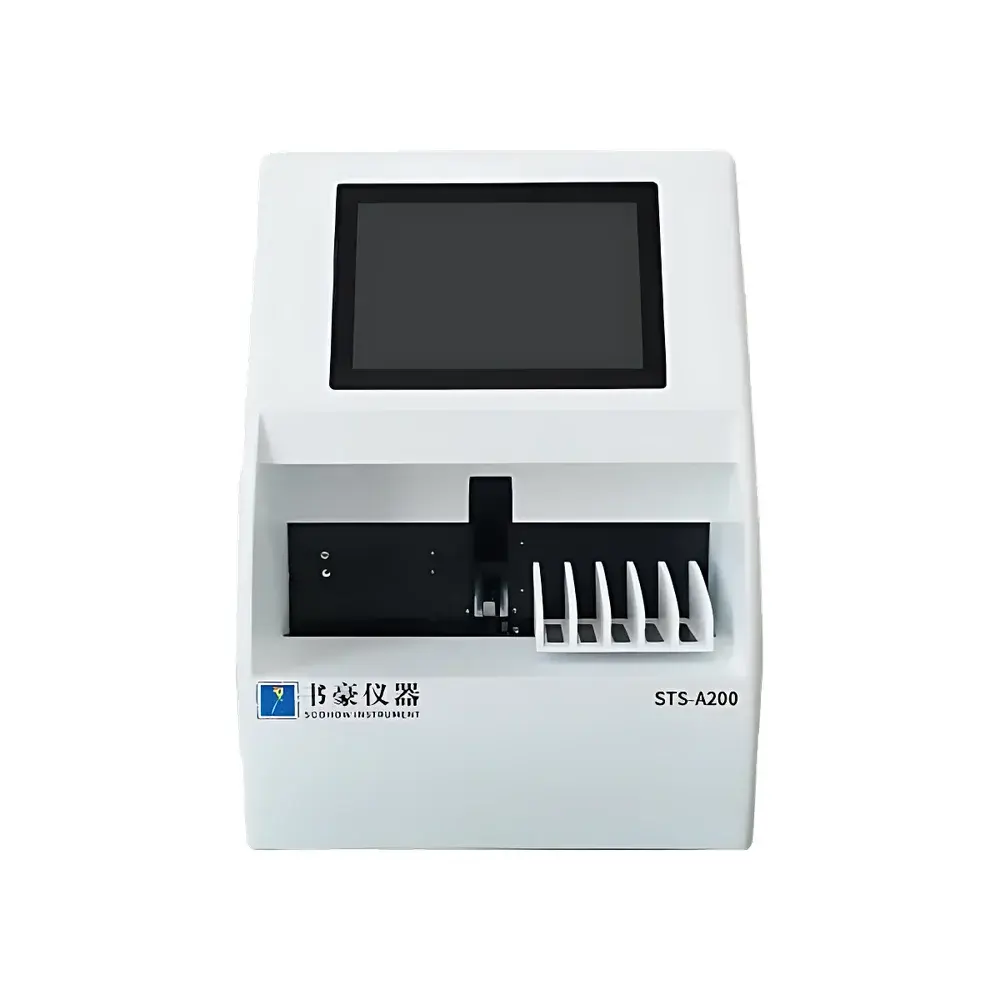
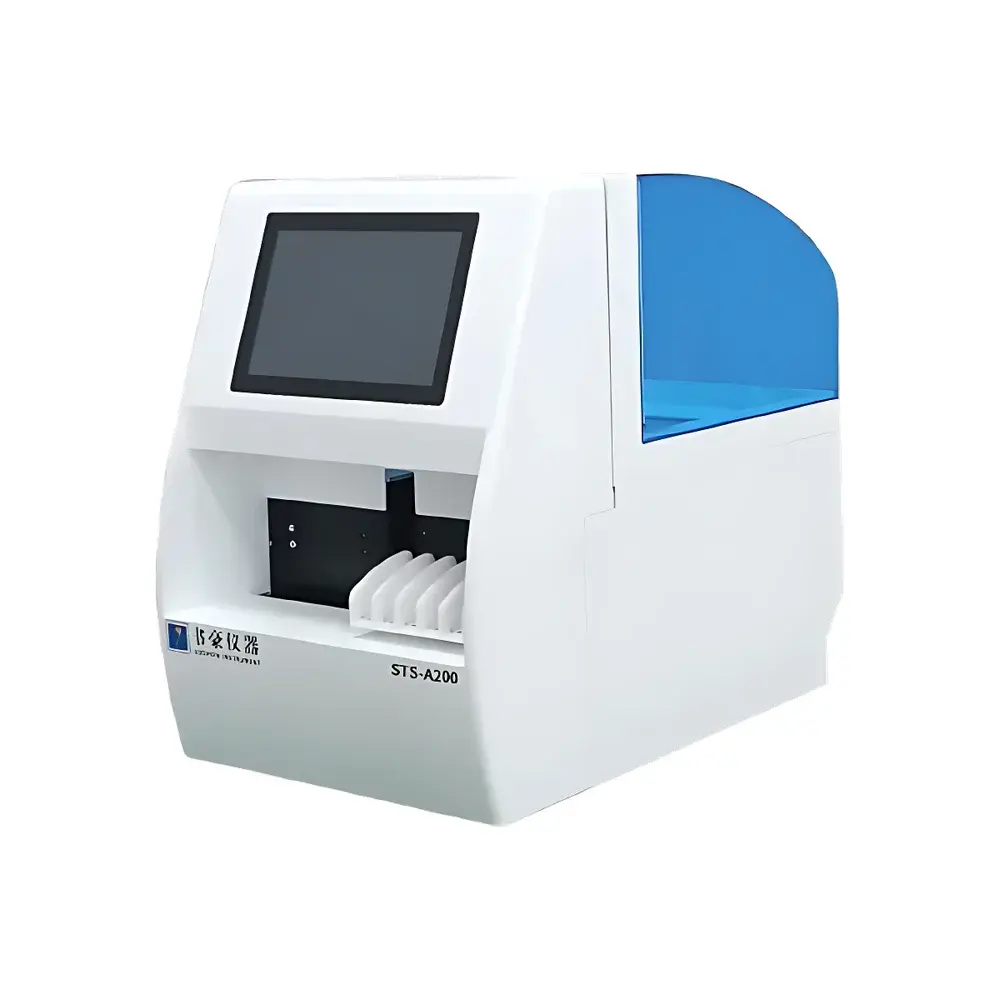
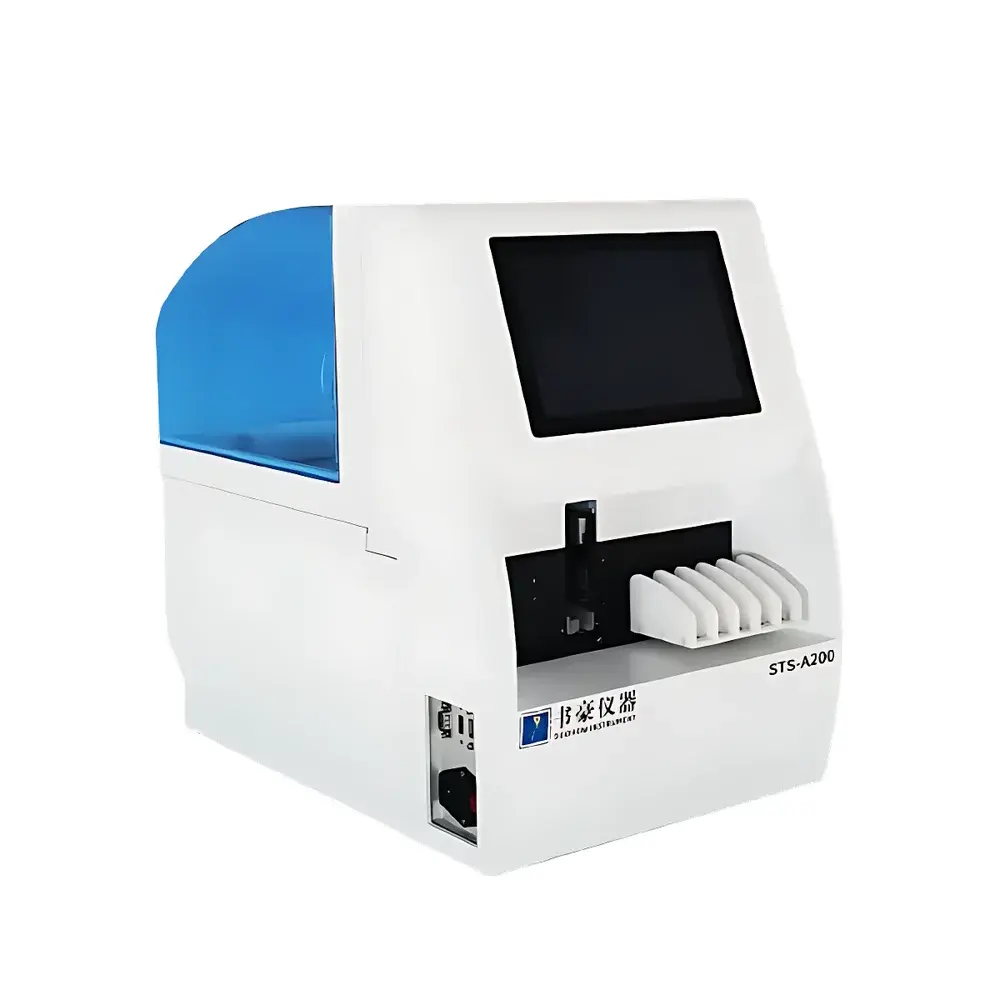
SOOHOW STS-A200 Specific Protein Analyzer
| Brand | SOOHOW INSTRUMENT |
|---|---|
| Origin | Jiangsu, China |
| Manufacturer Type | Original Equipment Manufacturer (OEM) |
| Product Category | Domestic |
| Model | STS-A200 |
| Pricing Range | USD 14,000–21,000 |
| Architecture | Discrete Analytical System |
| Instrument Class | Low-Speed Fully Automated (0–400 rpm equivalent throughput logic) |
| Sample Types | Whole Blood, Serum, Plasma, Urine, Cerebrospinal Fluid (CSF) |
| Analyte Class | Specific Proteins (e.g., CRP, IgG, IgA, IgM, C3, C4, ASO, RF, HbA1c, etc.) |
| Throughput | 180 Tests per Hour |
| Optical Principle | Rate Nephelometry and/or Turbidimetry |
| Light Source | 12 V Long-Life Halogen Lamp |
| Wavelength Range | 340–700 nm (8 Fixed Wavelengths) |
| Reaction Temperature Control | 37.0 ± 0.1 °C via Solid-State Direct-Heating with Full-Circumference Thermal Sensors |
| Reaction Vessels | 40 UV-Transparent Cuvettes |
| Sample Capacity | 25 Tubes on 5-Position Rack-Based Continuous Feed |
| Dispensing Accuracy | ±5% at 3–30 µL (Sample), ±5% at 20–200 µL (Reagent) |
| Precision (CV) | ≤5% |
| Carryover | <1% |
| Stability (4h/8h) | Deviation (B) ≤ ±5% vs. Calibrator Assigned Values |
| Compliance | GB/T 14710–2009 (Environmental & Mechanical Robustness), GB 4793.1–2007 / GB 4793.9–2013 / YY 0648–2008 (Electrical Safety), GB/T 18268.1–2010 / GB/T 18268.26–2010 (EMC) |
Overview
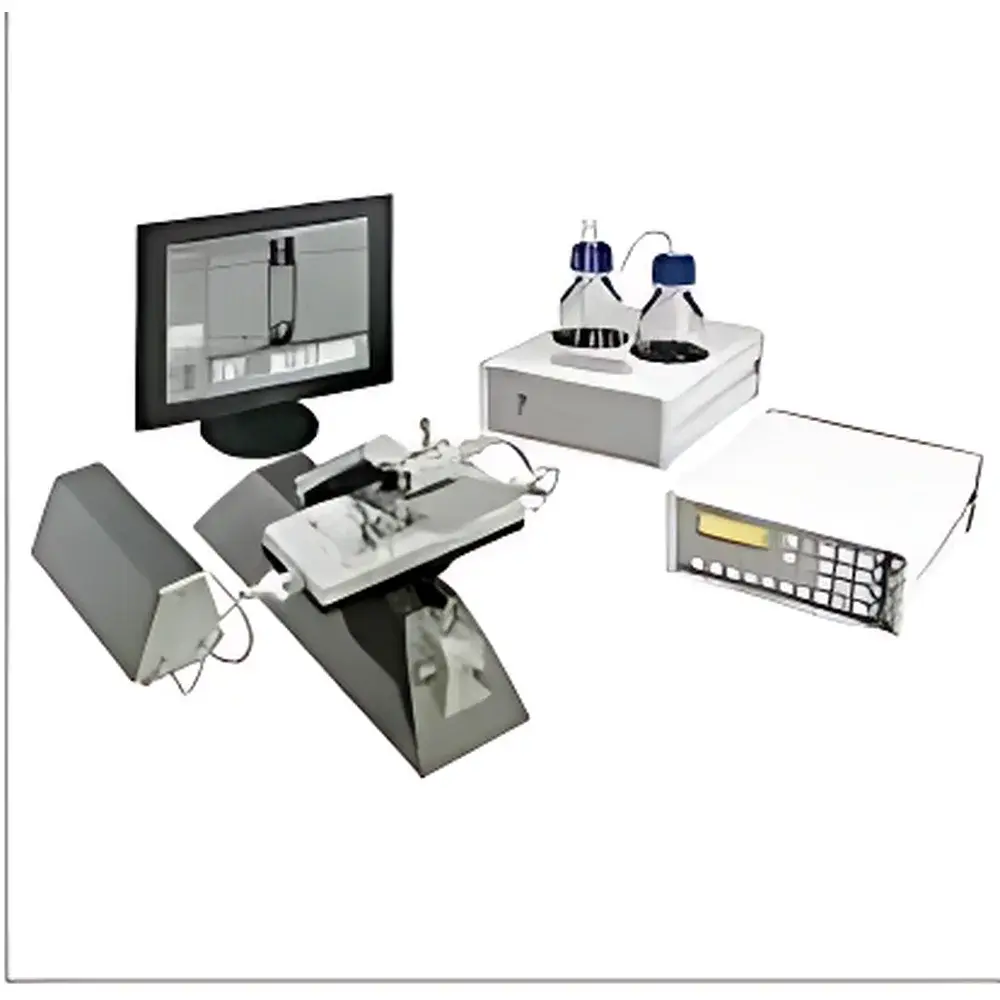
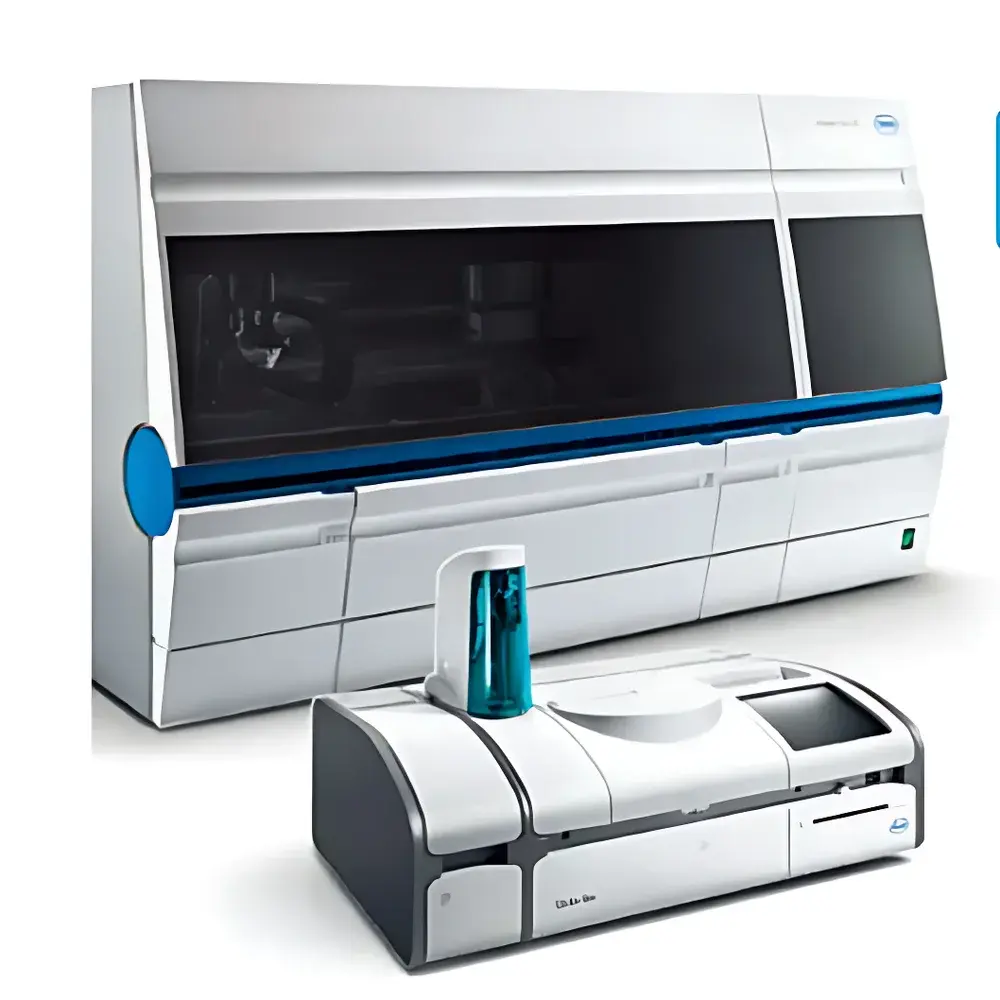
The SOOHOW STS-A200 Specific Protein Analyzer is a CE-marked (intended for IVD use in non-EU markets compliant with local regulatory pathways) discrete, fully automated clinical chemistry analyzer engineered for quantitative immunochemical measurement of specific proteins in human biological fluids. It operates on the principle of rate nephelometry and endpoint turbidimetry—two orthogonal optical detection modalities optimized for high-sensitivity antigen–antibody complex quantification in serum, plasma, whole blood, urine, and cerebrospinal fluid. Unlike continuous-flow or centrifugal systems, its discrete architecture ensures independent reaction control per test, minimizing cross-contamination risk and enabling flexible assay scheduling. The instrument integrates solid-state thermal regulation, precision ceramic-core piston pumping, and real-time liquid-level sensing to deliver reproducible sub-microliter dispensing across diverse viscosity matrices. Designed for mid-volume core laboratories and hospital central labs handling 50–300 daily specific protein tests, the STS-A200 supports standardized workflows aligned with ISO 15189 quality management requirements.
Key Features
- Optical System: Dual-mode detection platform utilizing a stabilized 12 V halogen light source coupled with a holographic grating monochromator delivering eight fixed wavelengths (340–700 nm) — calibrated for optimal signal-to-noise ratio in both nephelometric scatter and absorbance-based turbidimetric assays.
- Thermal Management: Solid-state direct-heating module maintains reaction temperature at 37.0 ± 0.1 °C using full-perimeter platinum resistance thermometers; zero-maintenance design eliminates calibration drift and thermal gradient artifacts.
- Dispensing Architecture: Ceramic-core micro-piston pumps ensure long-term volumetric accuracy (±5% at 3–30 µL sample; ±5% at 20–200 µL reagent) with CV ≤ 3% — validated per CLSI EP10-A3 guidelines for precision assessment.
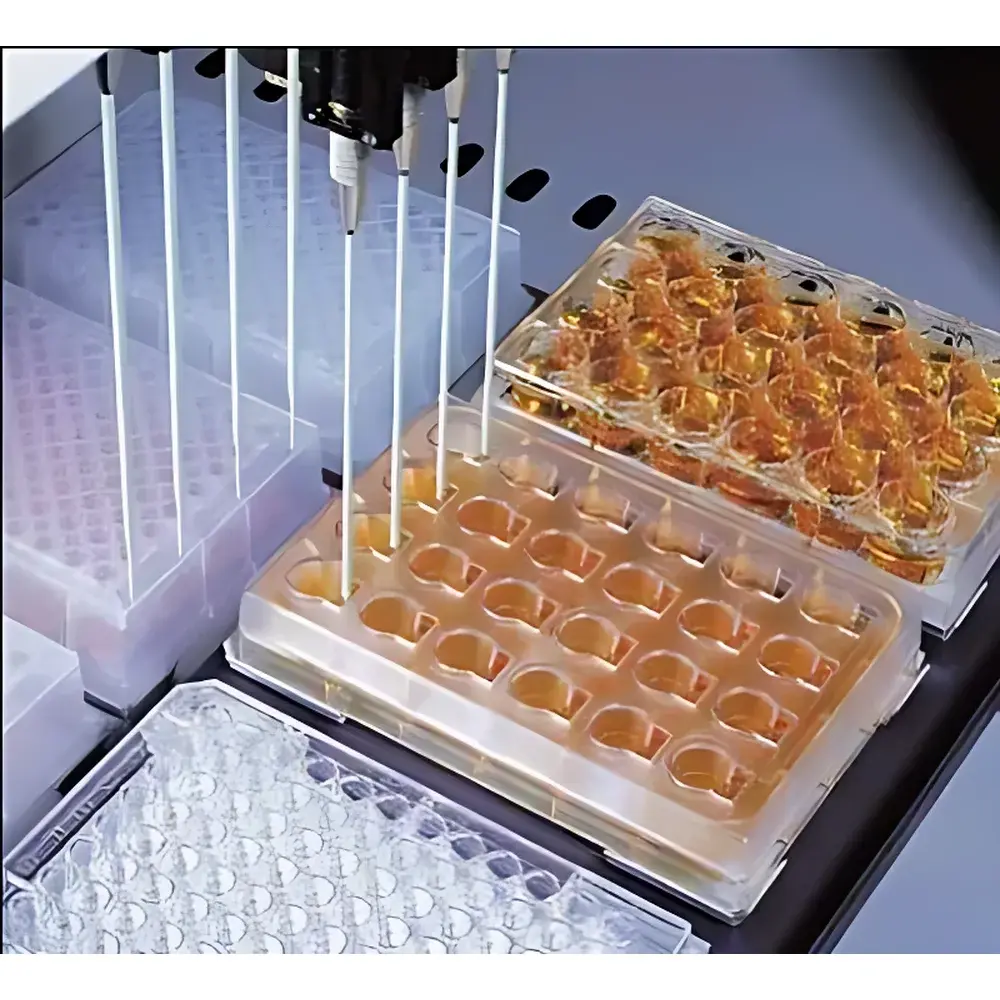
- Sample Handling: 5-position rack-based linear track accommodates up to 25 primary tubes; integrated capacitive liquid-level detection, collision avoidance, and dynamic volume tracking enable reliable aspiration from microtubes, gel-barrier tubes, and pediatric EDTA vials.
- Cleaning & Maintenance: Automated warm-water rinse cycle for UV-transparent cuvettes; residual carryover verified via optical feedback loop and reported to host software — carryover confirmed <1% for high-concentration albumin and CRP calibrators.
- System Reliability: Meets GB/T 14710–2009 environmental stress standards (Group I climate and mechanical testing), including operational stability over 8-hour continuous runtime (B ≤ ±5% vs. reference material).
Sample Compatibility & Compliance
The STS-A200 accepts native, unprocessed specimens including anticoagulated whole blood (EDTA/K₂-EDTA), serum (clotted or gel-separated), lithium heparin plasma, random urine, and CSF — without pre-dilution or centrifugation for most assays. Its open reagent architecture permits integration with third-party CE-IVD or FDA-cleared specific protein reagents (e.g., binding protein assays for immunoglobulins, complement factors, acute-phase reactants). Regulatory documentation includes full compliance with Chinese national safety standards GB 4793.1–2007 (general safety), GB 4793.9–2013 (in vitro diagnostic equipment), and YY 0648–2008 (electromedical safety). Electromagnetic compatibility adheres to GB/T 18268.1–2010 (generic EMC) and GB/T 18268.26–2010 (IVD-specific immunity/emission limits). While not FDA 510(k)-cleared, the system’s design rationale and verification data support submission-ready technical files for ASEAN, GCC, and LATAM regulatory pathways.
Software & Data Management
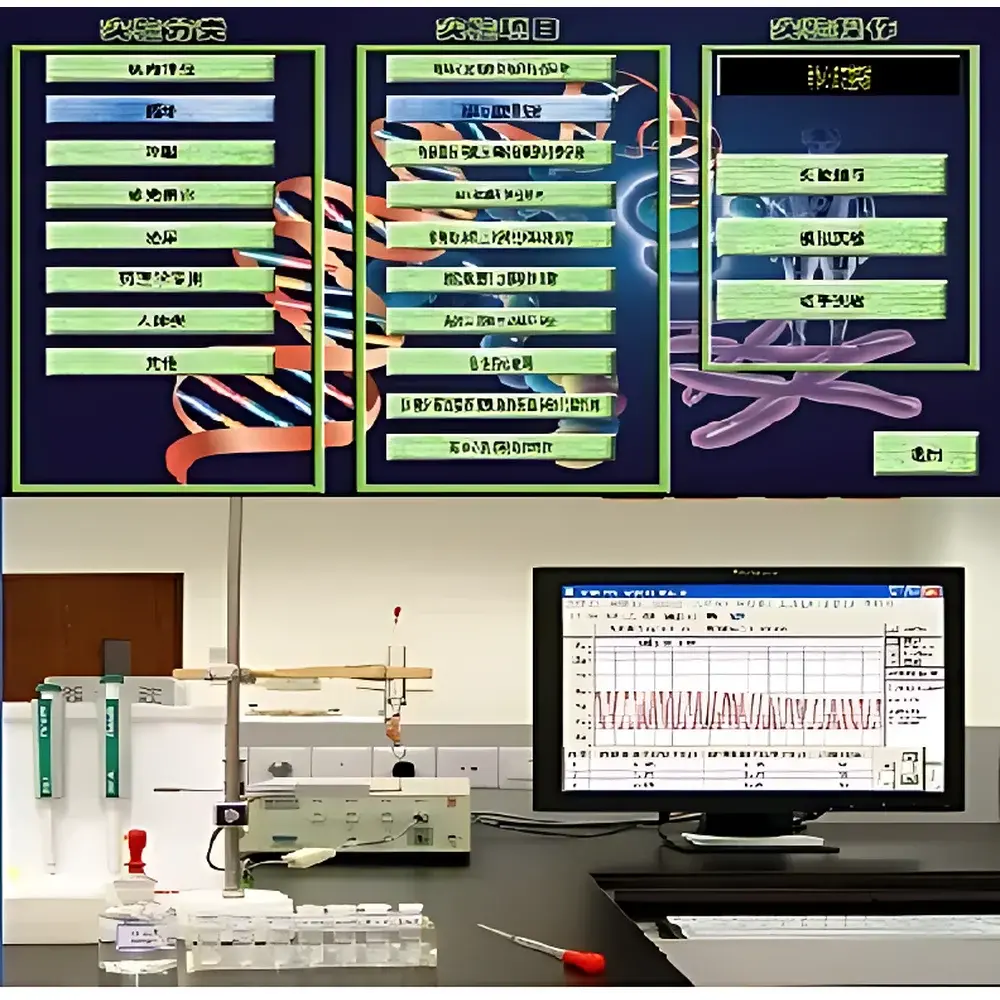
Built-in embedded Linux OS hosts a DICOM-compliant LIS interface supporting ASTM E1381 and HL7 v2.5.1 bidirectional communication. Barcode scanning (1D/2D) auto-populates patient IDs, accession numbers, and collection timestamps upon rack loading. Audit trails record all critical events — reagent lot changes, calibration updates, QC result acceptance/rejection, user logins, and parameter modifications — satisfying GLP/GMP traceability expectations. Data retention includes ≥12 months of raw absorbance/scatter kinetics, final concentration values, flag annotations (e.g., “HIL”, “non-linear kinetics”), and QC trend charts exportable as CSV/PDF. Optional encrypted remote diagnostics allow authorized service engineers to perform firmware validation and error log analysis without physical access.
Applications
The STS-A200 delivers clinically actionable results for inflammation monitoring (CRP, SAA), autoimmune screening (RF, anti-CCP, ANA confirmatory panels), immunodeficiency assessment (IgG/IgA/IgM quantitation), renal function evaluation (α1-microglobulin, β2-microglobulin in urine), and metabolic disorder follow-up (HbA1c standardization per NGSP alignment). Its dual optical modes allow method-specific optimization: rate nephelometry for rapid, high-dynamic-range assays (e.g., C-reactive protein), and turbidimetry for stable endpoint measurements (e.g., complement C3/C4). Method transfer validation packages are available for common vendor assays, facilitating seamless migration from legacy platforms while preserving historical reference intervals.
FAQ
What sample volumes are supported for specific protein assays?
The system handles sample volumes from 3 µL to 30 µL with ±5% accuracy and CV ≤ 3%, validated across hematocrit ranges of 20–55% and total protein concentrations of 40–100 g/L.
Does the STS-A200 support two-reagent assays (e.g., latex-enhanced immunoassays)?
Yes — programmable dual-reagent addition with independent timing control enables kinetic protocols requiring sequential reagent injection, such as particle-enhanced turbidimetric immunoassays (PETIA) and agglutination inhibition formats.
How is calibration traceability maintained?
Calibration curves are generated using NIST-traceable reference materials or manufacturer-provided calibrators; slope/intercept stability is monitored daily via onboard QC checks aligned with CLSI EP23-A guidelines.
Can the analyzer interface with hospital middleware systems?
Yes — through configurable HL7 v2.5.1 message routing with ACK/NACK feedback loops, supporting middleware integration for rule-based reflex testing and result auto-verification.
Is preventive maintenance required beyond daily cleaning cycles?
No scheduled mechanical maintenance is needed within the first 12 months; solid-state heating, ceramic pump heads, and sealed optical path eliminate consumable wear components — only periodic verification of pipetting accuracy and photometric linearity is recommended per CLSI EP15-A3.