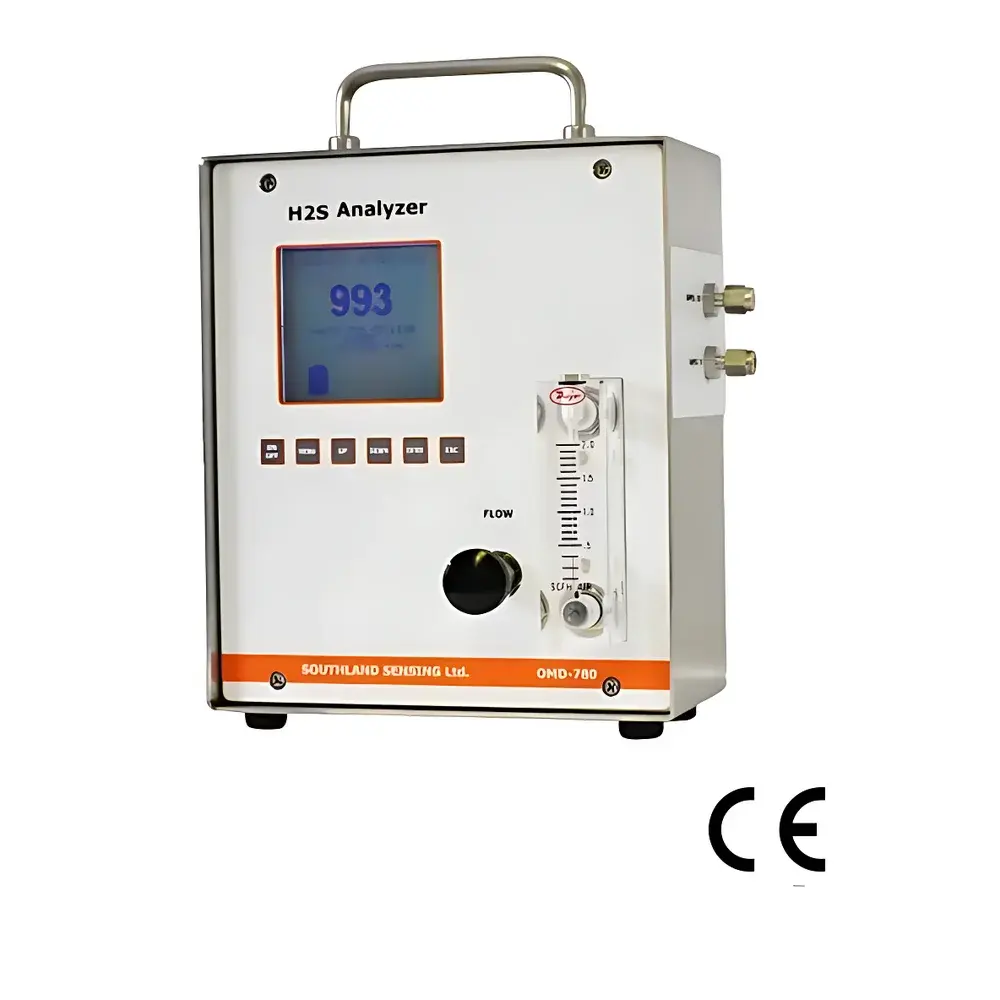
Southland Sensing H2S-780 Portable Hydrogen Sulfide Analyzer for Natural Gas
| Origin | USA |
|---|---|
| Manufacturer Type | Authorized Distributor |
| Product Origin | Imported |
| Model | H2S-780 |
| Measurement Ranges | 0–10, 0–50, 0–100, 0–200, 0–500, 0–1000, 0–2000 ppm (selectable & auto-switching) |
| Accuracy | < ±2% FS |
| Certifications | CE, UL Class I, Div 1, Groups B, C, D |
| Operating Temperature | –10 to +50 °C |
| Sensor Type | Electrochemical (Fuel Cell) H₂S Sensor |
| Output | 4–20 mA, 0–10 VDC, MODBUS RTU over RS-485 (ASCII bi-directional) |
| Power Supply | 12–24 VDC |
| Current Draw | 25 mA |
| Sample Flow Rate | 230–2500 mL/min |
| Dimensions | 241 × 165 × 96 mm |
| Temperature Compensation | Yes |
| Warranty | 12 months |
| Sample Medium | Natural gas streams (upstream, midstream, and processing environments) |
Overview
The Southland Sensing H2S-780 Portable Hydrogen Sulfide Analyzer is an intrinsically safe, field-deployable instrument engineered for continuous, real-time quantification of hydrogen sulfide (H₂S) in natural gas streams. It operates on the principle of electrochemical detection using a proprietary fuel cell sensor architecture—optimized for stability, selectivity, and long-term baseline integrity in hydrocarbon-rich, low-oxygen environments typical of upstream production, pipeline transmission, and gas processing facilities. Unlike optical or metal oxide semiconductor (MOS) sensors, the H2S-780’s fuel cell design delivers high specificity to H₂S without cross-sensitivity to CO, SO₂, or volatile organic compounds commonly present in sour gas matrices. Its Class I, Division 1, Groups B, C, D certification confirms suitability for hazardous locations where flammable gases—including methane and ethane—are present at concentrations exceeding 25% LEL. The analyzer supports both portable survey use and semi-permanent installation in skid-mounted or trailer-based monitoring systems.
Key Features
- Intrinsically safe design certified to UL Class I, Div 1, Groups B, C, D—enabling direct deployment in Zone 1/Division 1 classified areas without explosion-proof enclosures.
- Multi-range electrochemical H₂S sensor with automatic range switching across seven selectable spans: 0–10, 0–50, 0–100, 0–200, 0–500, 0–1000, and 0–2000 ppm—ensuring optimal signal-to-noise ratio across varying process conditions.
- Integrated temperature compensation algorithm minimizes drift across the full operating range (–10 to +50 °C), critical for unheated outdoor installations in arid or sub-zero climates.
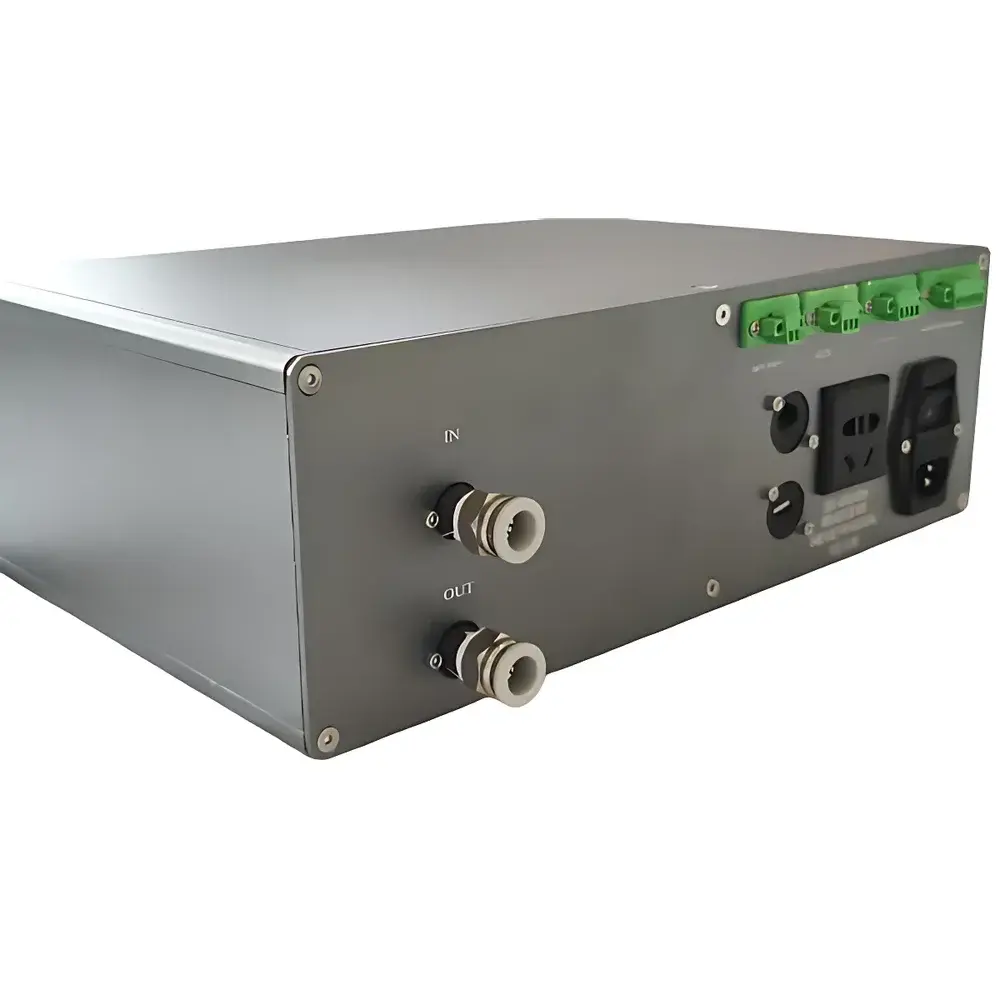
- Dual analog outputs (4–20 mA and 0–10 VDC) plus MODBUS RTU over RS-485 enable seamless integration into DCS, PLC, and SCADA platforms—supporting bidirectional ASCII communication for remote configuration, calibration logging, and alarm status polling.
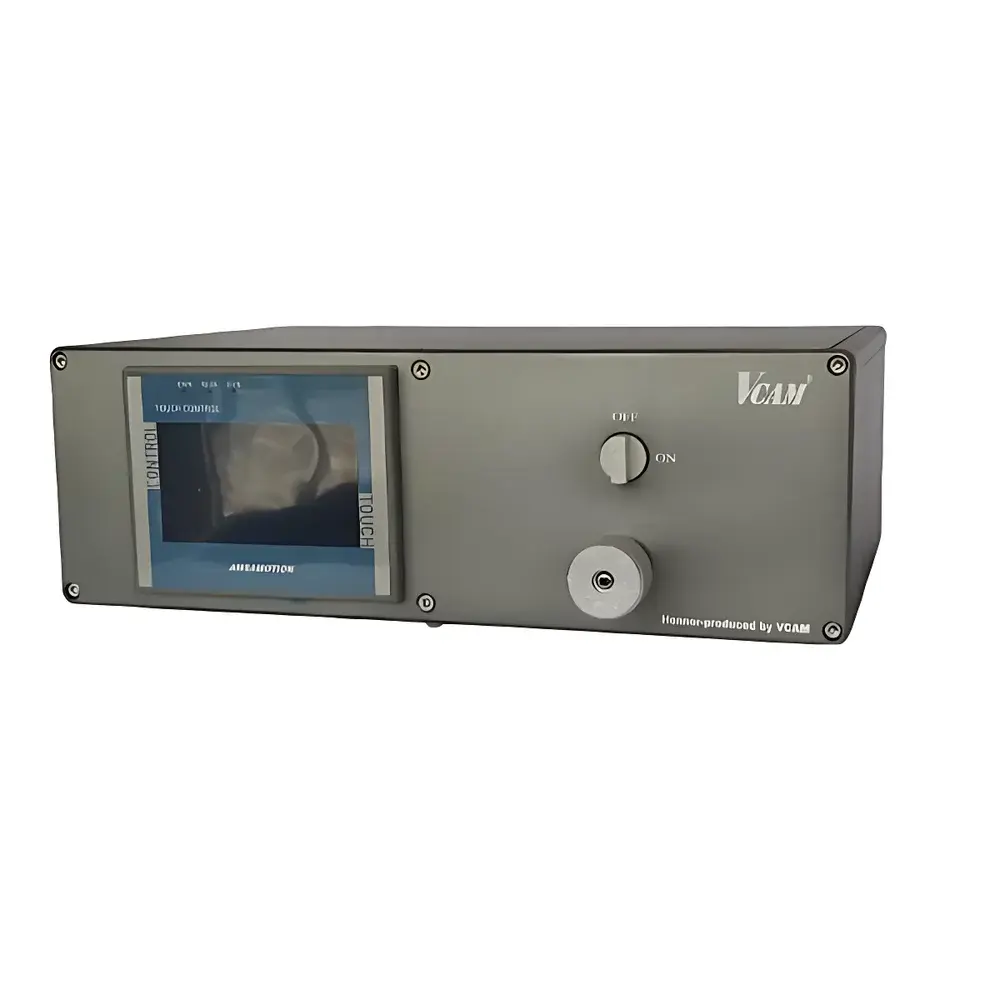
- Backlit LCD display with intuitive menu navigation provides real-time concentration, status indicators, alarm thresholds, and diagnostic codes—no external interface required for routine operation.
- Low-maintenance architecture: fuel cell sensor life exceeds 24 months under typical natural gas service; no consumables, electrolyte refills, or optical alignment required.
- Robust mechanical housing (IP65-rated enclosure) with aluminum alloy chassis ensures resistance to vibration, dust ingress, and condensation during mobile field surveys or fixed-point monitoring.
Sample Compatibility & Compliance
The H2S-780 is validated for direct analysis of raw and conditioned natural gas containing up to 95% methane, with permissible total sulfur content ≤ 5000 ppmv. It accommodates sample flow rates from 230 to 2500 mL/min—compatible with standard sample conditioning systems featuring particulate filtration, moisture removal, and pressure regulation. The analyzer meets CE marking requirements for electromagnetic compatibility (EMC Directive 2014/30/EU) and low-voltage safety (LVD Directive 2014/35/EU). Its hazardous location certification aligns with NFPA 70 (NEC) Article 500 and IEC 60079-0/-11 standards. While not explicitly designed for compliance with ISO 8573-1 (compressed air purity) or ASTM D6299 (precision of gas analysis), its measurement uncertainty (< ±2% FS) supports adherence to internal QA/QC protocols aligned with API RP 14E and GPA 2261 for sour gas monitoring.
Software & Data Management
Configuration and diagnostics are managed via local keypad navigation or remotely through MODBUS RTU commands. The device stores up to 32 event logs—including high/low alarm triggers, sensor zero/span events, and power cycle timestamps—with time-stamped entries compliant with basic GLP traceability requirements. While the H2S-780 does not feature embedded data logging or FDA 21 CFR Part 11-compliant electronic signatures, its MODBUS register map enables third-party SCADA historians to capture and archive all operational parameters—including live concentration, sensor voltage, temperature reading, and relay states—at user-defined intervals (1–300 seconds). Calibration records can be exported manually via serial interface for inclusion in laboratory information management systems (LIMS) or maintenance management software (CMMS).
Applications
- Upstream: Real-time H₂S monitoring at wellhead separators, glycol dehydrators, and amine contactor inlet/outlet streams.
- Midstream: Pipeline integrity assurance during pigging operations, compressor station feed gas screening, and odorant injection verification.
- Gas Processing: Inlet/outlet H₂S verification across Claus units, tail gas treating units (TGTUs), and membrane separation modules.
- Landfill & Biogas: Continuous measurement of H₂S in raw landfill gas prior to combustion or upgrading to RNG—supporting corrosion mitigation and catalyst protection strategies.
- Industrial Safety: Confined space entry verification, flare stack emission pre-checks, and emergency response triage in petrochemical, fertilizer, and pulp & paper facilities.
FAQ
What sample conditioning is required before introducing natural gas to the H2S-780?
A particulate filter (≤5 µm), coalescing moisture trap, and pressure regulator (to maintain 1–2 psig at the inlet) are strongly recommended. Liquid hydrocarbons or free water must be removed to prevent sensor fouling.
Can the H2S-780 operate continuously in ambient temperatures below 0 °C?
Yes—the instrument functions down to –10 °C, but extended exposure below freezing may reduce sensor response time; optional heated sample line integration is advised for sustained sub-zero operation.
Is the fuel cell sensor replaceable in the field?
Yes—sensor replacement requires no recalibration tools; the unit retains factory calibration coefficients and performs automatic zero stabilization upon sensor initialization.
Does the H2S-780 support HART protocol?
No—it implements MODBUS RTU over RS-485 and analog outputs only; HART-compatible models are available under the Southland Sensing H2S-800 series.
How often should span calibration be performed?
Under stable process conditions, quarterly span checks with NIST-traceable H₂S standard gas (e.g., 50% of selected range) are sufficient; more frequent calibration is advised following exposure to >1000 ppm H₂S or after mechanical shock.