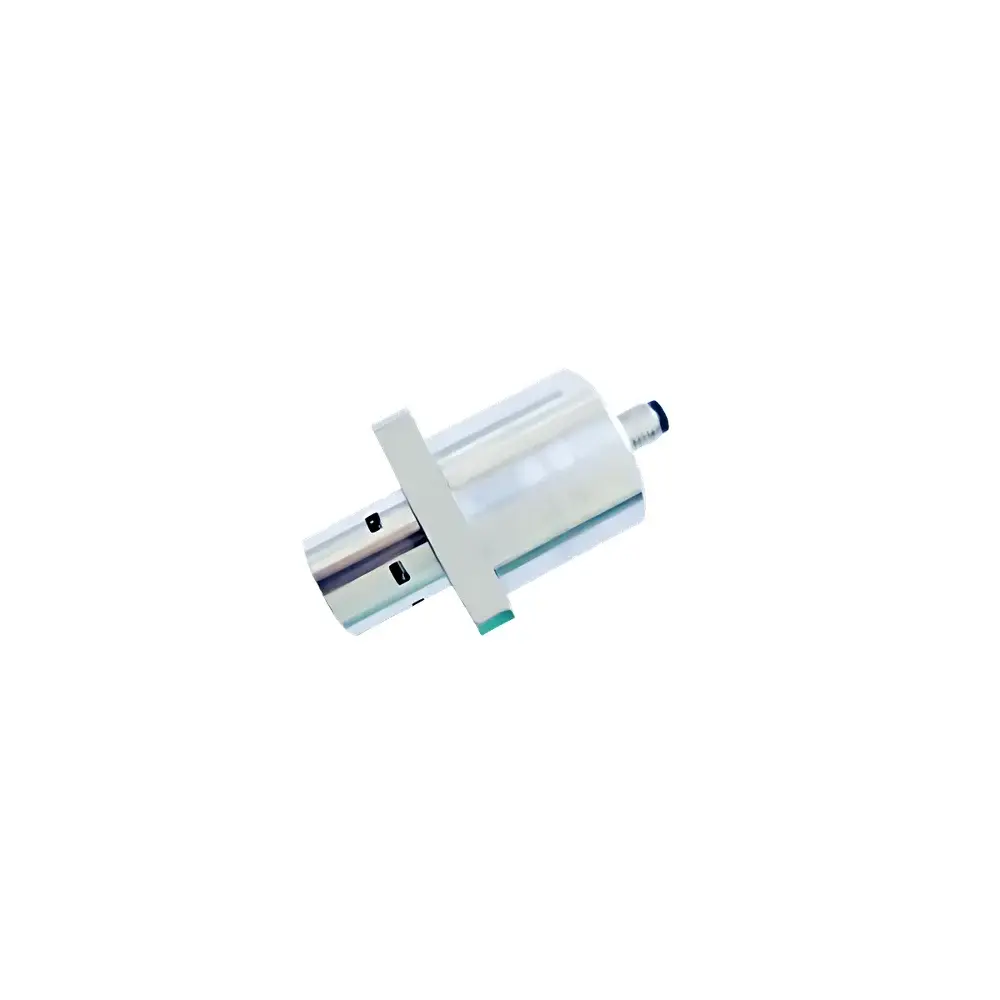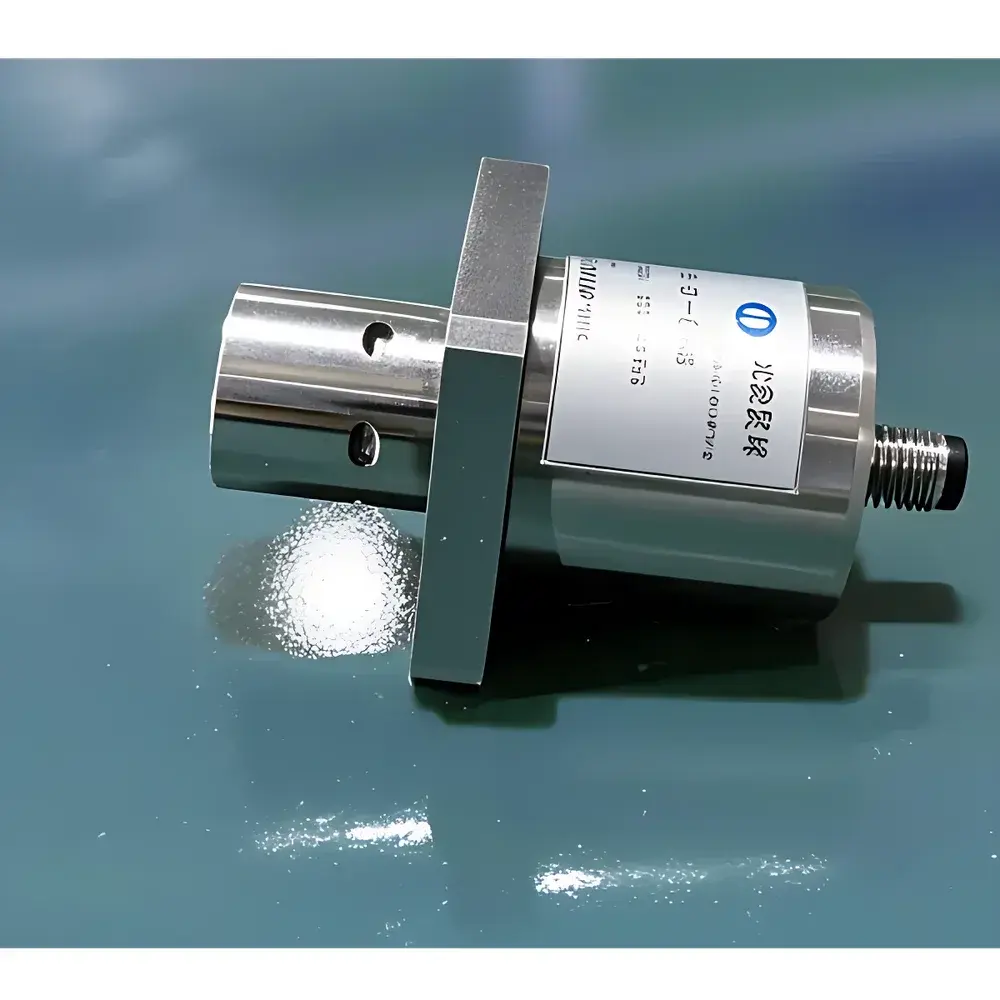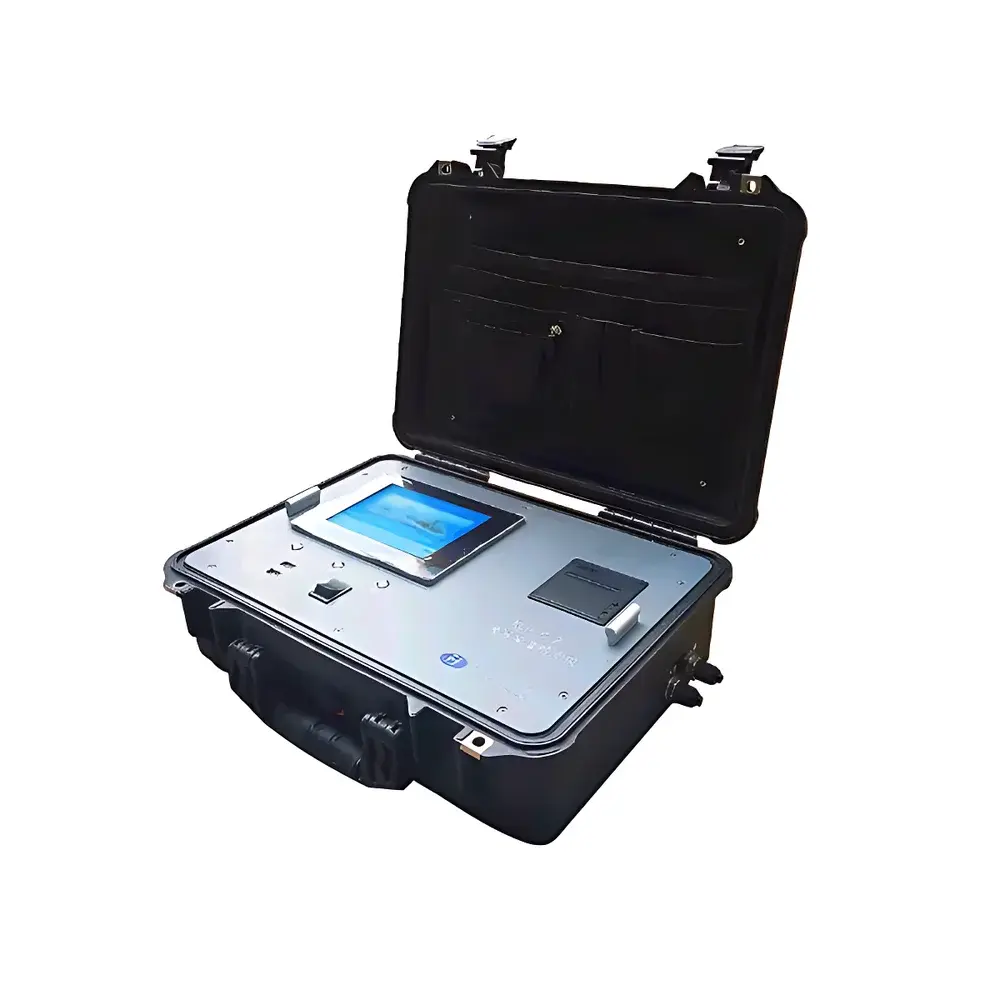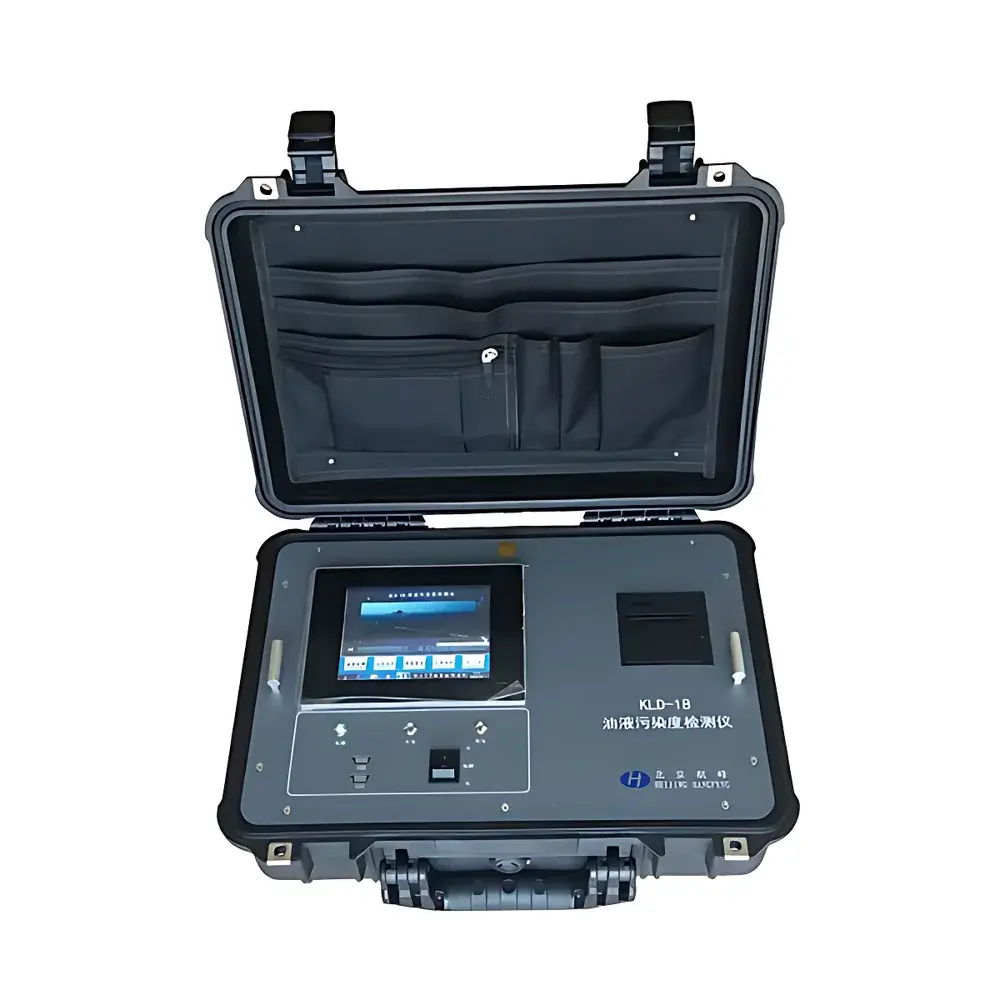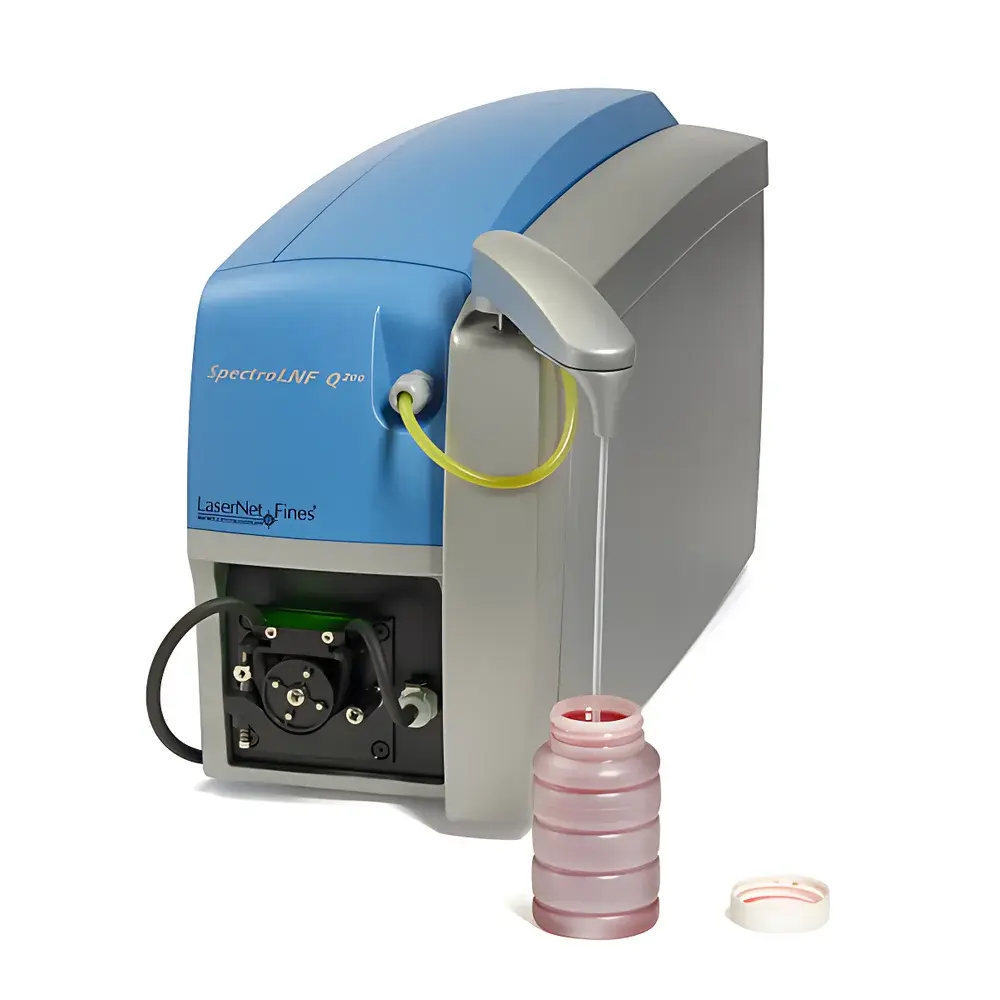
Spectro Scientific LaserNet 200 Multi-Function Wear Particle Analyzer
| Brand | Spectro Scientific |
|---|---|
| Origin | USA |
| Model | LaserNet 200 |
| Product Type | Laboratory Instrument |
| Particle Sizing Range | 4–100 µm |
| Max. Particle Concentration | 5,000,000 particles/mL |
| Viscosity Range (undiluted) | 15–320 cSt |
| Detection of Water Droplets & Air Bubbles | Yes |
| Compliance Standards | ISO 4406, NAS 1638, SAE AS4059, ASTM D6786, NAVAIR 01-1A-17, GOST, HAL |
| Optional Modules | Ferrous Particle Monitoring (ppm + size distribution ≥25 µm), Morphological Imaging & Neural Network-Based Classification (≥20 µm), Kinematic & Dynamic Viscosity Measurement at 40 °C, Automated Sample Processor (ASP) for 24 samples |
Overview
The Spectro Scientific LaserNet 200 Multi-Function Wear Particle Analyzer is an advanced laboratory instrument engineered for comprehensive oil condition monitoring and predictive maintenance in critical rotating machinery systems. Based on Spectro’s proprietary LaserNetFines® optical imaging and real-time scattering analysis technology, the LaserNet 200 performs simultaneous particle counting, morphological classification, ferrous quantification, and optional viscosity measurement—all within a single, unattended analytical workflow. Unlike conventional light extinction (optical blockage) particle counters, the LaserNet 200 employs high-resolution laser illumination coupled with adaptive gain control (AGC) to maintain consistent signal fidelity across highly opaque samples—enabling reliable analysis of engine oils with up to 2% soot content and hydraulic fluids contaminated with up to 5 × 10⁶ particles per milliliter. Its core architecture adheres to fundamental principles of Mie scattering theory and digital image-based particle characterization, delivering traceable, repeatable data essential for root-cause failure analysis in turbine, gearbox, compressor, and diesel engine lubrication systems.
Key Features
- Optical particle sizing and counting from 4 µm to 100 µm with <2% coefficient of variation under repeatability conditions
- Adaptive Gain Control (AGC) illumination system enabling direct analysis of undiluted oils with viscosity range 15–320 cSt and soot content ≤2% w/w
- Real-time differentiation of water droplets, air bubbles, fibers, and non-metallic debris using dual-wavelength scattering signatures
- Integrated ferrous particle monitoring module (optional) providing ppm-level ferrous concentration and size-resolved distribution for particles ≥25 µm
- High-magnification digital imaging (≥20 µm resolution) combined with trained artificial neural network algorithms for automated wear debris classification: cutting wear, fatigue wear, sliding/contact wear, non-metallic particles, water, air, and fiber contaminants
- Optional dynamic and kinematic viscosity measurement at 40 °C via differential pressure transducers and calibrated flow cell
- Modular Auto Sample Processor (ASP) supporting batch analysis of up to 24 samples with fully automated aspiration, dilution (if required), rinsing, and calibration verification
Sample Compatibility & Compliance
The LaserNet 200 is validated for use with mineral, synthetic, and bio-based lubricants—including engine oils, turbine oils, hydraulic fluids, gear oils, and greases (after solvent extraction). It operates without chemical reagents or consumable filters and requires no routine calibration due to its self-referencing optical path and factory-traceable reference standards. All reported particle counts are compliant with internationally recognized contamination rating standards including ISO 4406:2017, NAS 1638 Class Code, SAE AS4059F, ASTM D6786-22, NAVAIR 01-1A-17, GOST R 52662-2006, and HAL 5006. Data integrity meets GLP/GMP documentation requirements, with full audit trail support for FDA 21 CFR Part 11–compliant environments when integrated with SpectroTrack LIMS or AMS platforms.
Software & Data Management
The instrument runs on Spectro’s unified Analytical Workbench™ software, featuring intuitive touchscreen navigation, customizable reporting templates, and embedded trend analysis tools. All raw images, scatter profiles, and classification metadata are stored in a relational database with time-stamped acquisition logs. Export formats include CSV, PDF, XML, and direct API integration with enterprise CMMS, ERP, and cloud-based asset health platforms. SpectroTrack LIMS interface enables automated sample registration, result validation workflows, and multi-site data aggregation with role-based access control and electronic signature capability.
Applications
- Early detection of abnormal wear modes in gas and steam turbines, wind turbine gearboxes, and marine propulsion systems
- Verification of filtration efficiency and breather performance in hydraulic power units
- Root-cause diagnostics for bearing spalling, gear pitting, piston ring scuffing, and valve train wear
- Condition-based oil change scheduling aligned with OEM specifications and industry best practices (e.g., ISO 17359, API RP 546)
- Support for ISO 12171-1 (oil analysis program management) and ISO 22136 (wear debris analysis methodology) implementation
- Research and development of advanced lubricants and additive packages under controlled tribological stress conditions
FAQ
Does the LaserNet 200 require periodic recalibration?
No. The system utilizes a self-validating optical architecture with built-in reference checks; routine calibration is not required. Annual verification using NIST-traceable particle standards is recommended for ISO/IEC 17025 accreditation.
Can it analyze used diesel engine oil with high soot content?
Yes. The AGC-enabled laser optics allow direct analysis of engine oils containing up to 2% soot by weight without dilution or pre-treatment.
Is ferrous particle detection available on all LaserNet 200 configurations?
Ferrous monitoring is an optional hardware module. Base models perform non-ferrous particle counting and morphology classification only.
What viscosity measurement accuracy can be expected?
When equipped with the optional viscosity kit, dynamic viscosity accuracy is ±1.5% of reading (typical) at 40 °C, traceable to NIST SRM 2786 and ISO 3104.
How does the ASP auto-sampler integrate with laboratory QA/QC protocols?
The ASP includes programmable blank and standard runs between sample batches, automatic line flush cycles, and integrated QC flagging for pressure deviation, air bubble detection, or flow inconsistency—fully documented in the audit trail.
Related Products