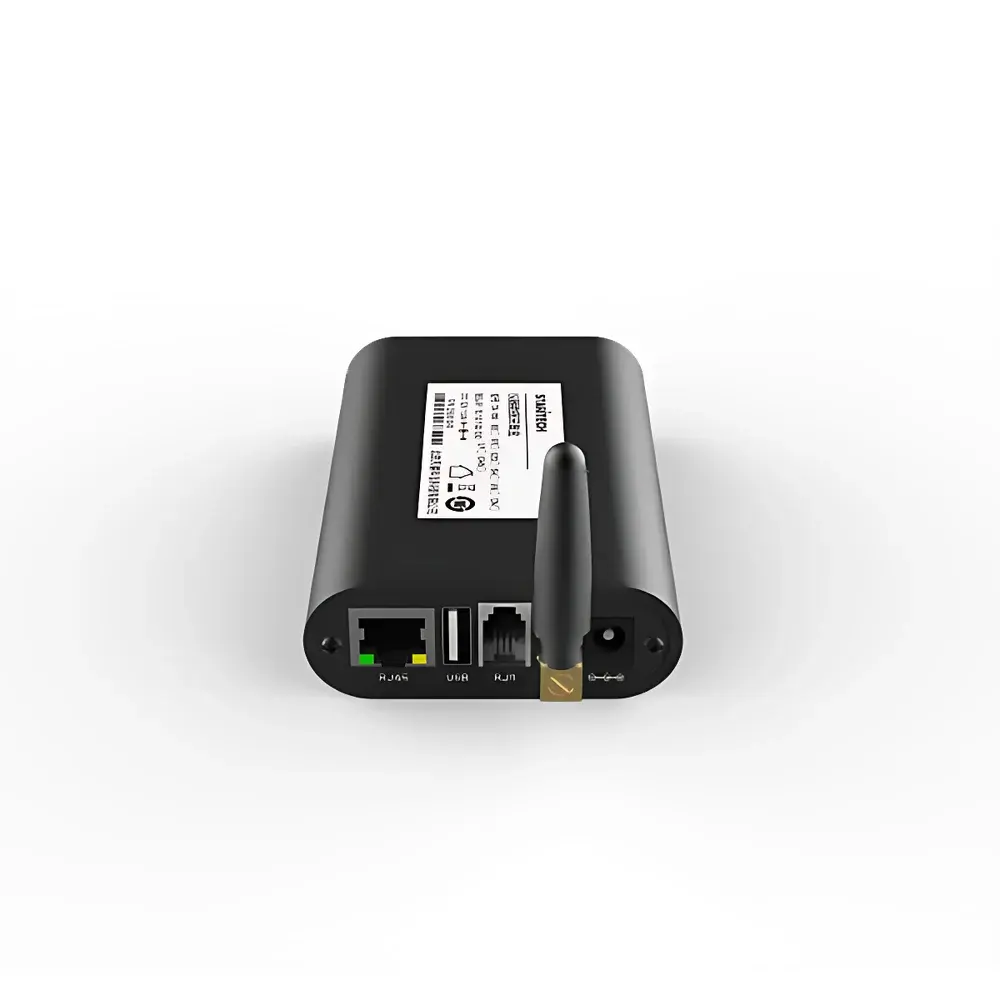
STARiTECH TX-186 Universal Instrument Data Acquisition Gateway
| Brand | STARiTECH |
|---|---|
| Origin | Beijing, China |
| Model | TX-186 |
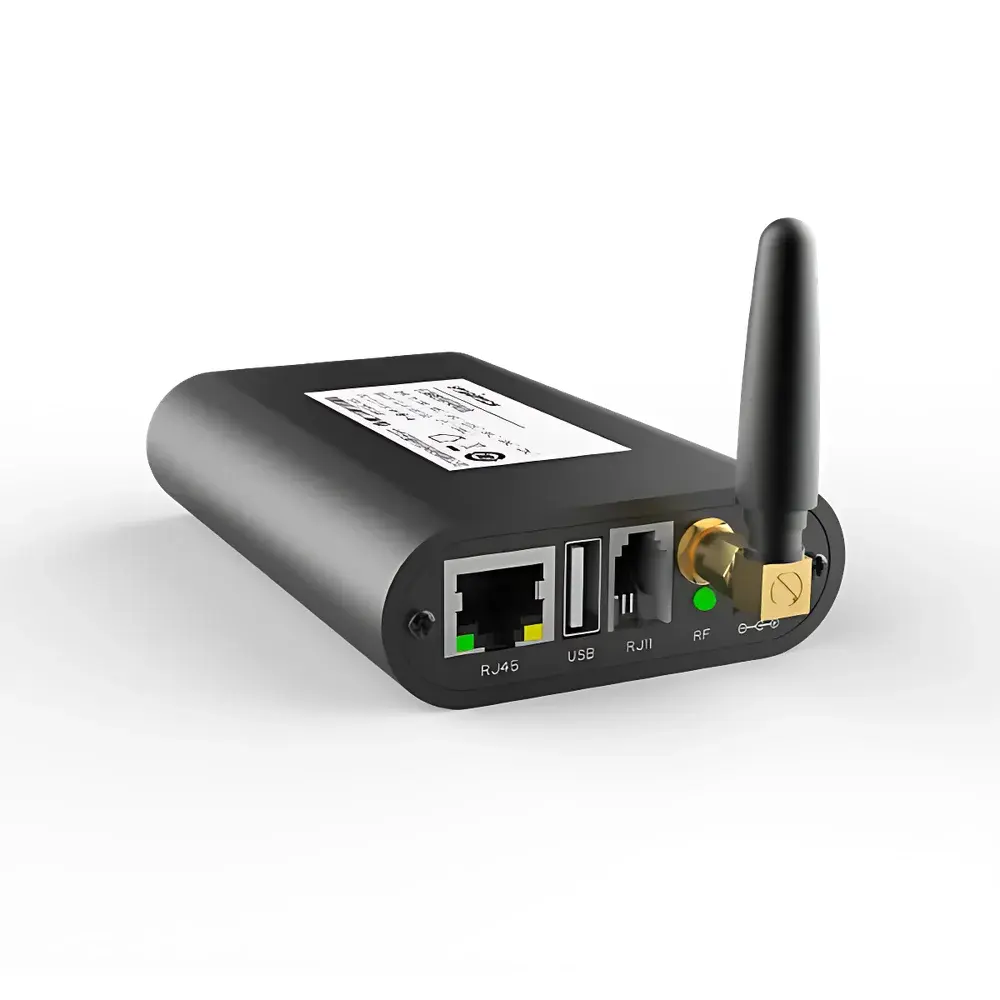
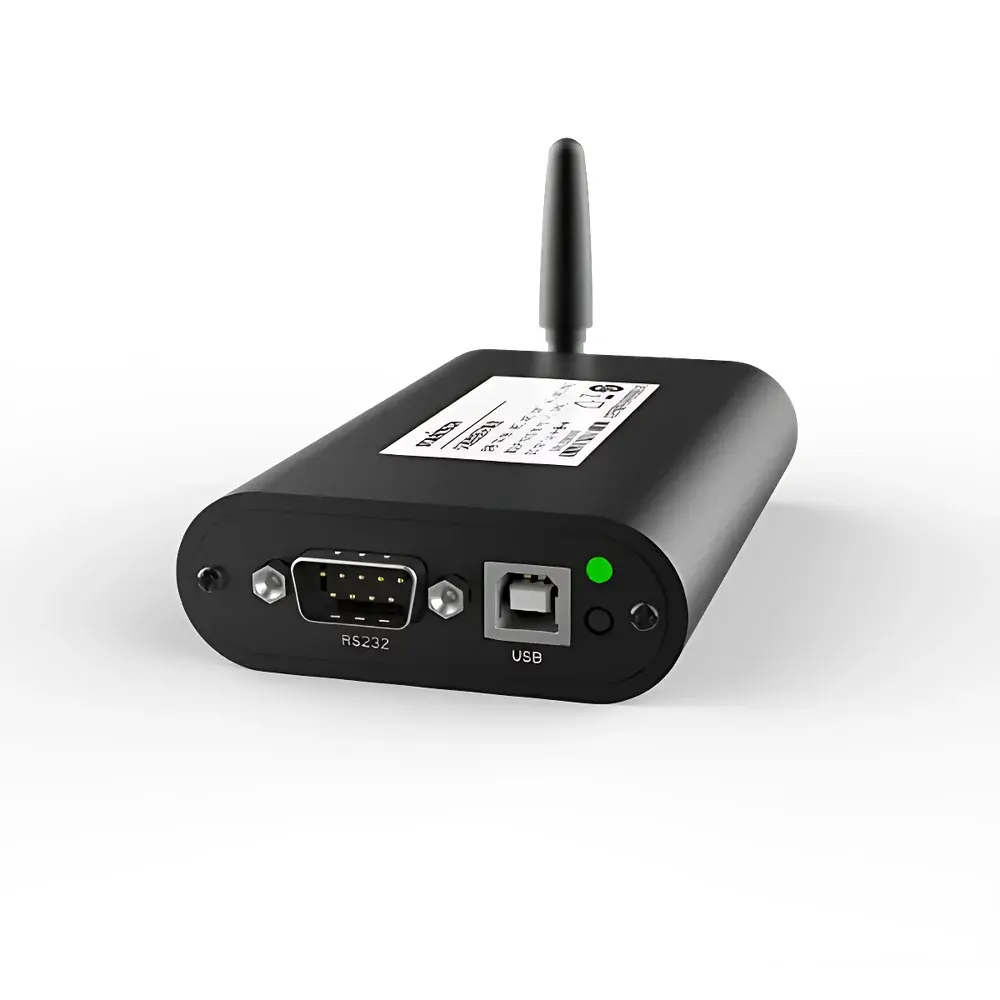
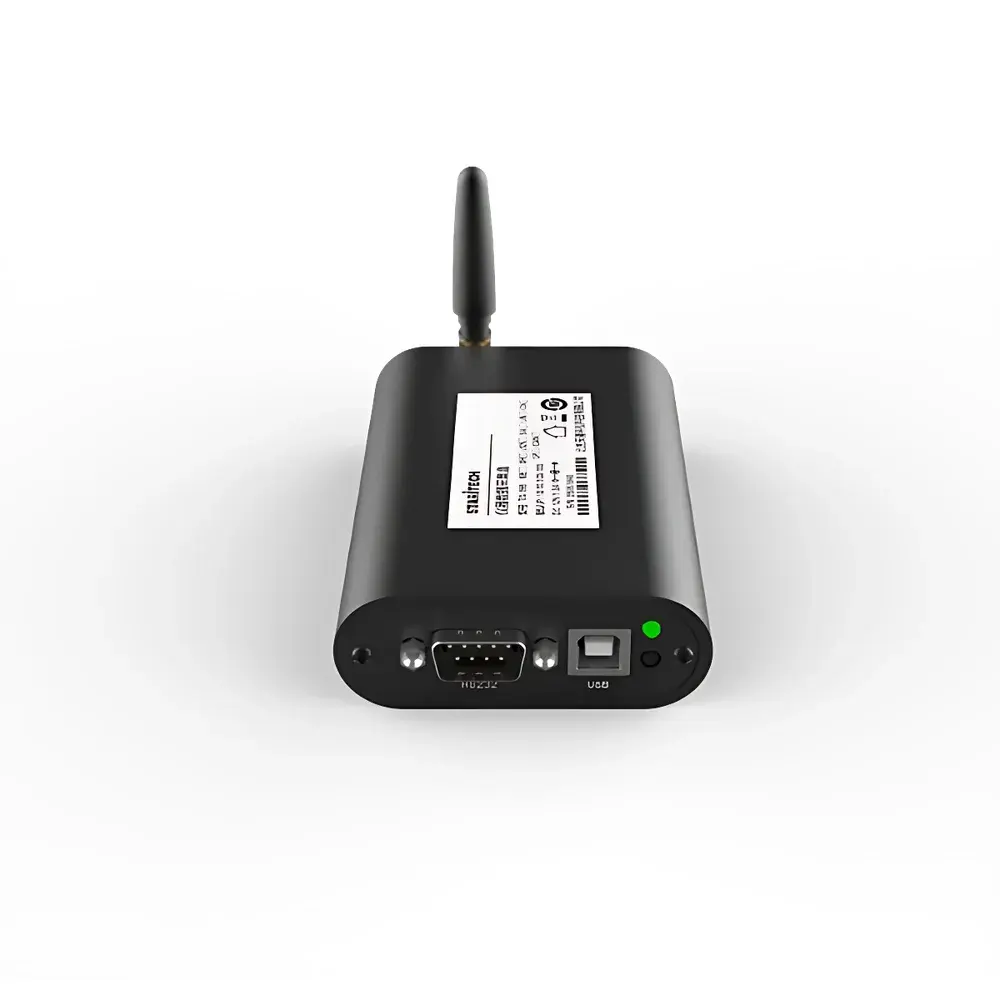
| Interface Support | RS-232, USB, Parallel (LPT) |
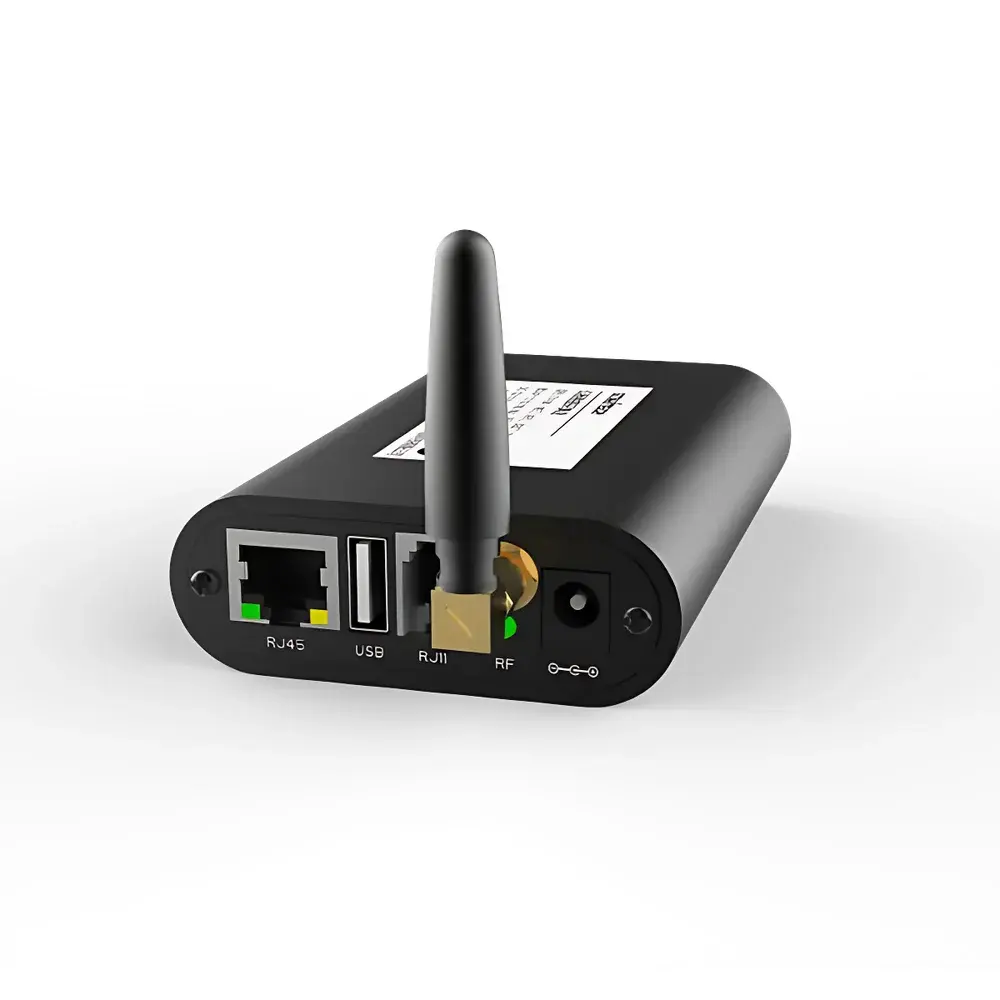
| Network Connectivity | Ethernet, Wi-Fi 802.11 b/g/n, Optional 4G LTE Module |
| Operating Mode | Client/Server Architecture |
| Device Compatibility | Analytical Balances, pH Meters, Potentiometric Titrators, Moisture Analyzers, Environmental Chambers (Temperature/Humidity Controlled) |
| Compliance | Designed for GLP/GMP-aligned laboratory informatics environments |
| Software Protocol Handling | Built-in protocol interpreter for vendor-specific balance/titrator command sets (e.g., Mettler Toledo SICS, Sartorius BC, Ohaus SP, A&D GP-IB/ASCII) |
Overview
The STARiTECH TX-186 Universal Instrument Data Acquisition Gateway is an industrial-grade interface bridge engineered to resolve interoperability challenges in modern laboratory informatics infrastructure. Unlike generic RS-232-to-Ethernet converters that assume ASCII-based, open-protocol serial communication, the TX-186 embeds a programmable protocol interpreter capable of parsing and normalizing proprietary instrument command languages—including Mettler Toledo’s SICS, Sartorius’ BC-series ASCII variants, Ohaus’ SP protocol, and A&D’s GP-IB–emulated serial framing. It operates as a transparent data conduit between legacy and contemporary analytical instruments and centralized systems such as Laboratory Information Management Systems (LIMS), Electronic Lab Notebooks (ELN), SCADA platforms, and MES—without requiring firmware modification or instrument replacement. Its architecture adheres to ISO/IEC 17025–recommended traceability principles by preserving original timestamped raw values and supporting audit-ready metadata tagging (e.g., operator ID, instrument serial, acquisition context).
Key Features
- Multi-interface hardware abstraction layer: Simultaneous support for RS-232 (DB9), USB 2.0 (device mode), and legacy parallel (Centronics LPT) ports—enabling connection to balances with proprietary print ports, older titrators with parallel output, and moisture analyzers lacking native network stacks.
- Dual-network redundancy: Integrated 10/100 Mbps Ethernet port plus IEEE 802.11 b/g/n Wi-Fi; optional field-upgradable 4G LTE module (Cat 1) for deployment in shielded rooms, mobile labs, or remote environmental monitoring stations where cabling or Wi-Fi coverage is unavailable.
- Client/Server operational flexibility: Configurable as a TCP/IP client pushing data to designated LIMS endpoints, or as a lightweight server responding to HTTP GET/POST requests from ELN scripts—supporting both push and pull architectures per institutional IT policy.
- Protocol auto-negotiation engine: On first connection, the unit performs handshake detection and selects from >32 preloaded instrument profiles; custom protocol definitions can be uploaded via secure HTTPS web console or CLI over SSH.
- Embedded TLS 1.2 and IEEE 802.1X authentication: Ensures encrypted data transmission and network access control compliant with FDA 21 CFR Part 11 Annex 11 requirements for electronic records integrity.
Sample Compatibility & Compliance
The TX-186 is validated for integration with Class I and II laboratory instruments regulated under ISO 9001 and ISO/IEC 17025 quality frameworks. It supports weight data acquisition from analytical and precision balances (0.1 mg to 10 kg range), pH and ion concentration readings from calibrated meters, titration endpoint logs from potentiometric systems, gravimetric moisture loss outputs, and environmental chamber telemetry (temperature ±0.1°C, humidity ±1% RH). All acquired data retain native resolution and units without interpolation or rounding—critical for USP and ASTM E2656 compliance in pharmaceutical QC. The device itself carries CE marking for EMC Directive 2014/30/EU and RoHS 2011/65/EU conformance.
Software & Data Management
Configuration and monitoring are performed via a role-based web interface accessible over HTTPS, featuring RBAC (Role-Based Access Control) with administrator, operator, and auditor permission tiers. Data payloads follow IUPAC-recommended JSON-LD schema: each record includes @timestamp, instrument:serialNumber, measurement:value, measurement:unit, and provenance:sourceInterface. Audit trails log all configuration changes, firmware updates, and connection events with SHA-256 hashed entries—meeting GLP requirement for “complete, durable, and attributable” records. Optional Syslog forwarding enables centralized SIEM integration (e.g., Splunk, QRadar) for real-time anomaly detection on instrument communication failures.
Applications
- Pharmaceutical manufacturing: Automating batch record generation from balance weighings during API dispensing, with Part 11–compliant electronic signatures.
- Contract research organizations (CROs): Harmonizing multi-vendor instrument data streams into single ELN instances without custom middleware development.
- Academic core facilities: Retrofitting 10+ year-old analytical balances and titrators into university-wide LIMS deployments—reducing CapEx by >65% versus instrument replacement.
- Food safety labs: Capturing real-time moisture content and pH trends from production-line analyzers into HACCP dashboards with automated alert thresholds.
- Environmental testing labs: Aggregating chamber stability data across geographically dispersed sites using 4G backhaul—eliminating leased-line dependencies.
FAQ
Does the TX-186 require instrument-specific drivers or software installation on host systems?
No. It operates as a headless network node; no client-side software or OS-level drivers are needed. Data appears at the destination system as standard TCP socket streams or RESTful JSON payloads.
Can it handle instruments with non-standard baud rates or custom handshaking (e.g., XON/XOFF, hardware flow control)?
Yes. Serial port parameters—including baud rate (300–115200 bps), parity, stop bits, and flow control mode—are fully configurable per-port via the web interface.
Is firmware update supported remotely, and does it preserve configuration during upgrade?
Yes. Firmware updates are delivered via signed .bin files over HTTPS; configuration is retained in non-volatile memory and automatically reapplied post-reboot.
How is time synchronization managed across distributed TX-186 units?
Units support NTP client mode with configurable primary/secondary servers and drift compensation—ensuring sub-second timestamp alignment across multi-site deployments.
What cybersecurity certifications does the TX-186 hold?
It complies with IEC 62443-3-3 SL1 requirements for secure device boot, encrypted storage, and authenticated firmware updates. Penetration test reports are available under NDA for regulated industry clients.