
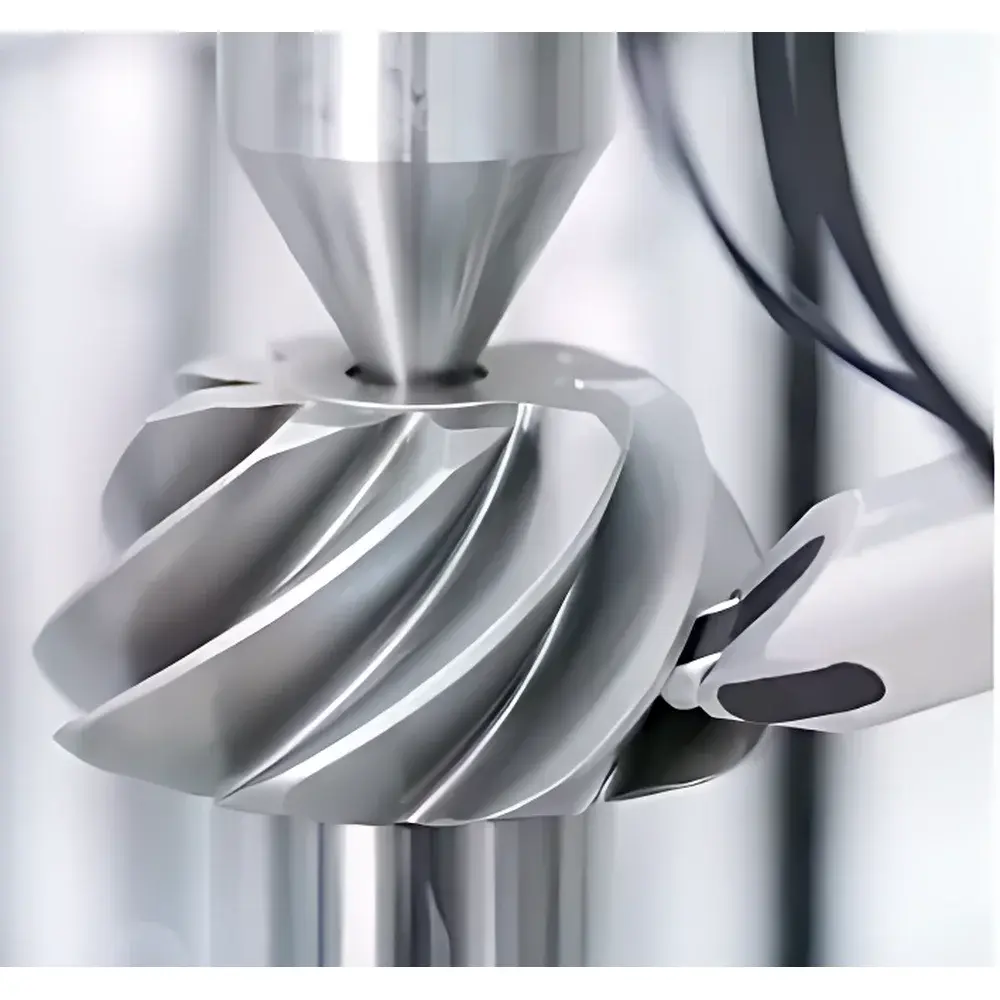
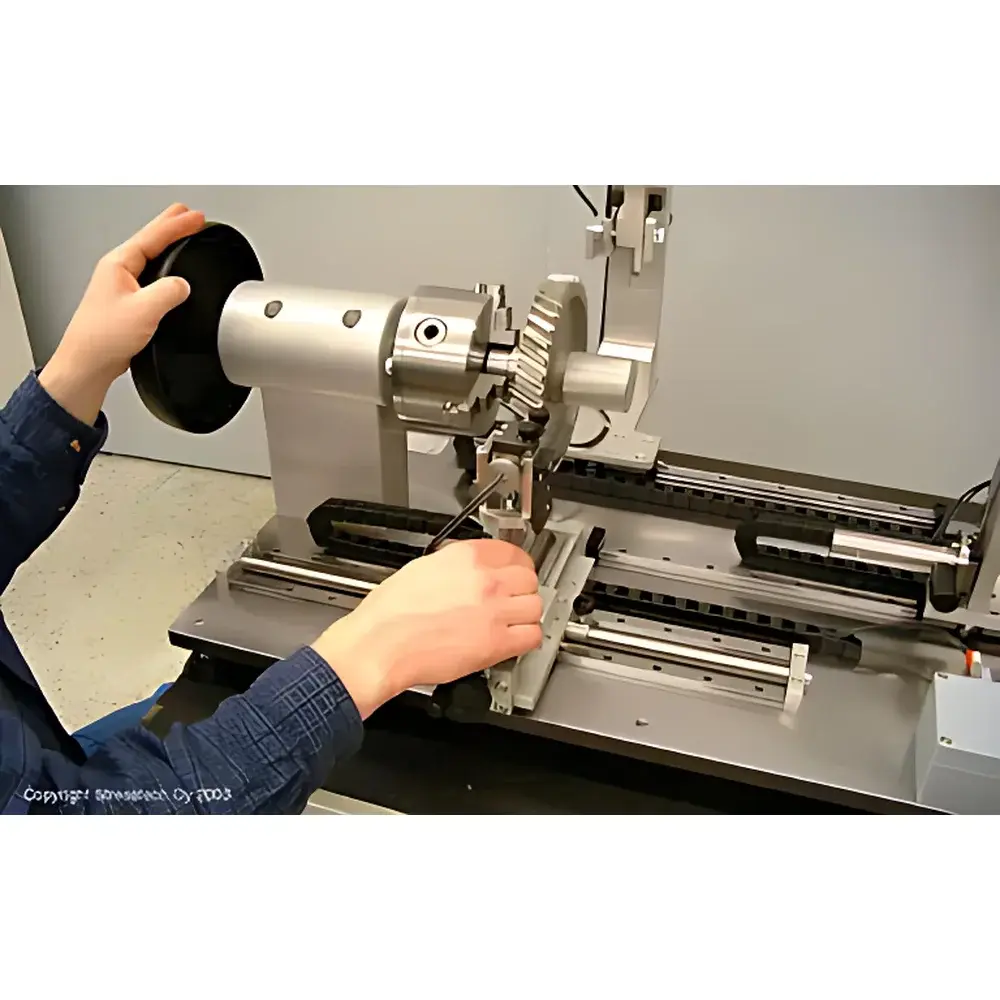
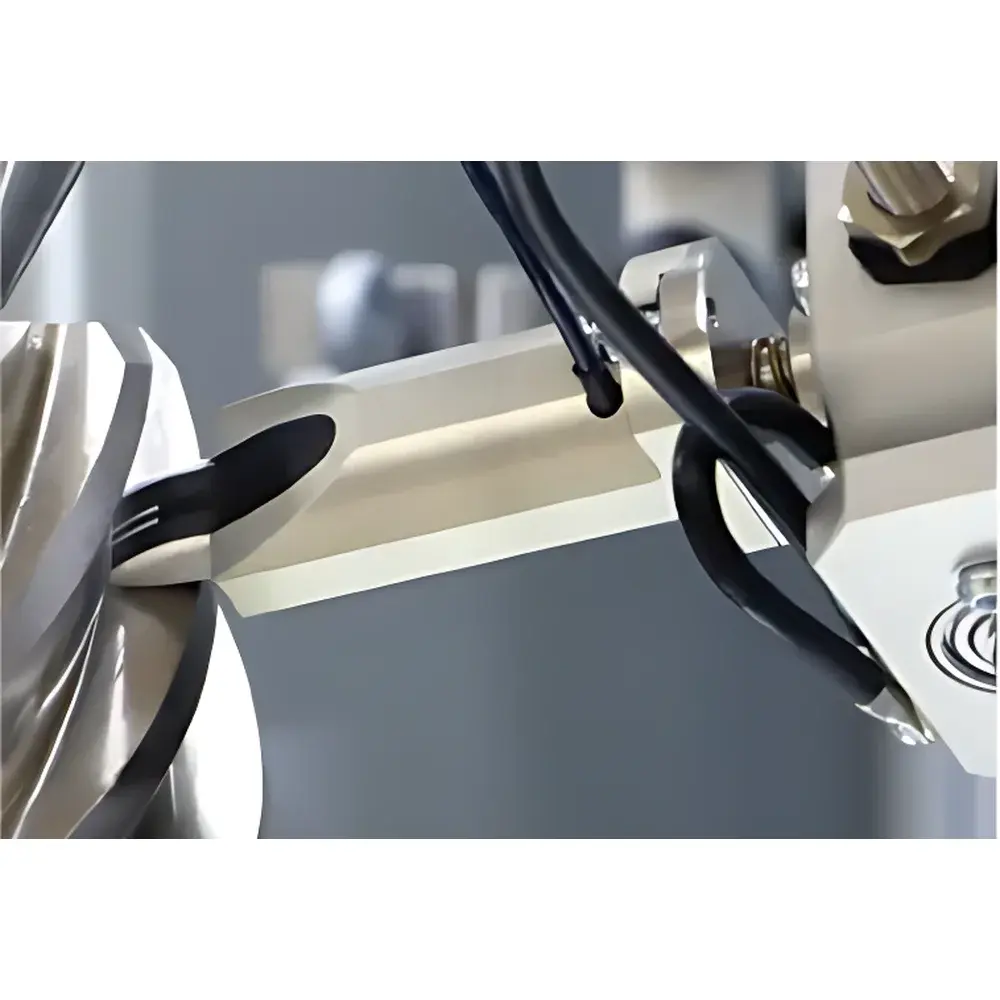
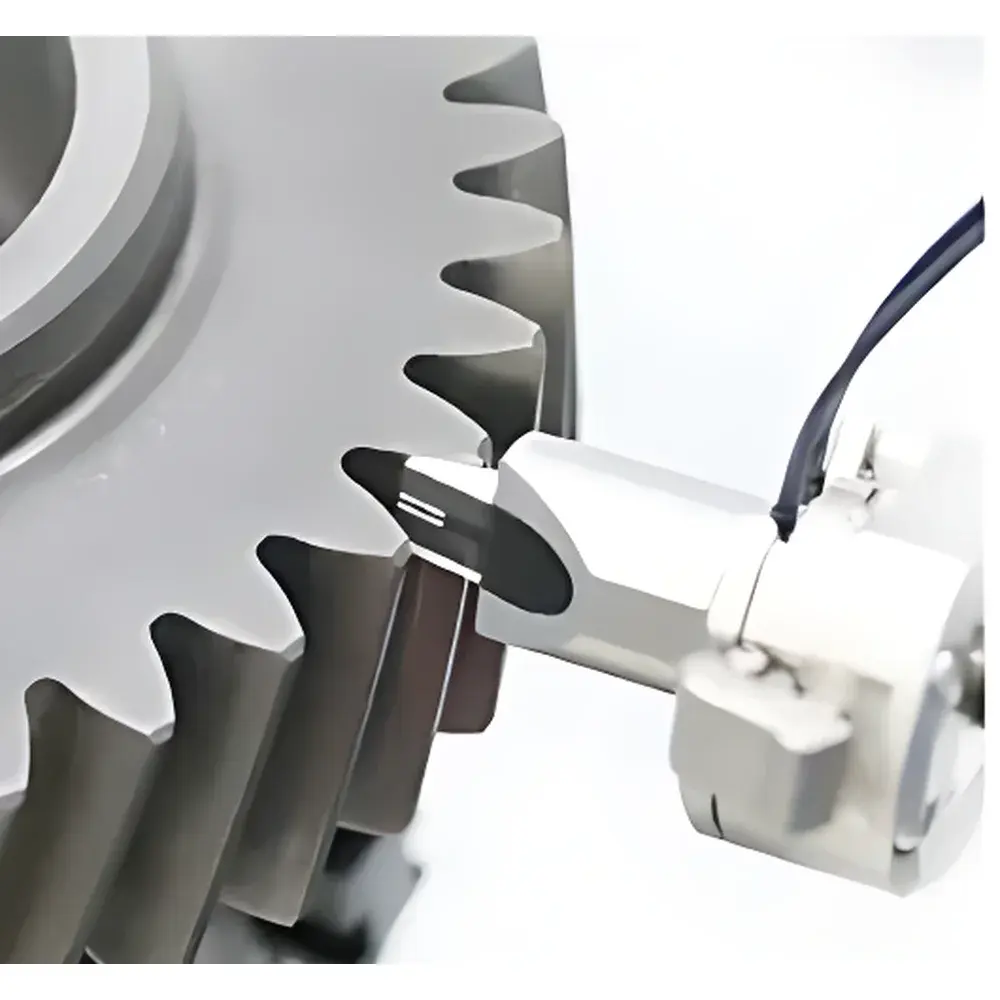
Stresstech GearScan Gear Surface Grinding Burn Detection System
| Brand | Stresstech Oy |
|---|---|
| Origin | Finland |
| Model | GearScan |
| Measurement Principle | Barkhausen Noise Analysis (BNA) |
| Diameter Range | 5–2000 mm |
| Module Range | 1–70 |
| Measurement Time per Tooth | 2–30 s (dependent on gear geometry and surface condition) |
| Motion Control | PC-controlled precision DC servo motor with linear bearing–guided probe |
| Compliance | Designed for ISO 11368, ASTM E1444/E1444M, and EN 10204 Type 3.1 documentation support |
| Software | GearScan Suite v5.x with audit trail, user access levels, and FDA 21 CFR Part 11–ready configuration options |
Overview
The Stresstech GearScan Gear Surface Grinding Burn Detection System is an industrial-grade, non-destructive testing (NDT) instrument engineered for the reliable identification of grinding-induced thermal damage—commonly referred to as “grinding burn”—on ferromagnetic gear teeth. Ground exclusively on hardened steel components, this system applies the Barkhausen Noise Analysis (BNA) principle: high-frequency magnetic domain wall motion is stimulated by a time-varying magnetic field, and the resulting noise signal is quantitatively correlated with subsurface microstructural changes—including untempered martensite, retempered zones, and residual stress gradients—that arise during improper or aggressive grinding operations. Unlike destructive metallography or time-intensive etching methods, GearScan delivers objective, repeatable, and traceable results in seconds per tooth—making it indispensable for quality assurance in wind turbine gearboxes, automotive transmissions, aerospace actuators, and heavy-duty industrial gear manufacturing.
Key Features
- High-sensitivity BNA probe with linear bearing–driven positioning ensures consistent probe-to-surface coupling across variable gear geometries (spur, helical, herringbone) and pitch diameters from 5 mm to 2000 mm.
- Full programmability of motion parameters—including axial feed rate, rotational indexing step, dwell time, and probe lift-off compensation—enables adaptation to complex gear architectures without hardware modification.
- Real-time signal processing engine with adaptive noise filtering minimizes interference from surface roughness, oil film residue, or minor machining marks—enhancing measurement robustness under shop-floor conditions.
- Integrated calibration verification routine using certified reference gears (traceable to NIST/PTB standards) supports GLP/GMP compliance and internal audit readiness.
- Modular hardware architecture allows future integration with automated handling systems (e.g., robotic arms or CNC gear inspection cells) via Ethernet/IP or Modbus TCP interfaces.
Sample Compatibility & Compliance
GearScan is validated for use on case-hardened, through-hardened, and induction-hardened ferrous gears—including carburized 18CrNiMo7-6, nitrided 31CrMoV9, and tempered 42CrMo4 alloys—commonly employed in wind power drivetrains and high-torque transmission systems. It does not require surface preparation beyond standard cleaning (ISO 8502-3 compliant degreasing). The system conforms to key international NDT standards: ASTM E1444/E1444M for magnetic particle testing methodology alignment, ISO 11368 for residual stress evaluation context, and EN 10204 Type 3.1 for material certification traceability. All software configurations support configurable user roles, electronic signatures, and full audit trail logging—meeting baseline requirements for FDA 21 CFR Part 11 and EU Annex 11 validation frameworks.
Software & Data Management
The GearScan Suite v5.x software provides a deterministic, deterministic workflow interface for test setup, data acquisition, result interpretation, and report generation. Each measurement session captures raw BNA waveforms, envelope spectra, and statistical descriptors (RMS, peak amplitude, spectral centroid), stored in vendor-neutral HDF5 format. Reports are exportable as PDF (with embedded digital signatures) or CSV (for SPC integration into Minitab, JMP, or MES platforms). Version-controlled firmware updates, secure remote diagnostics (via TLS-encrypted VNC), and optional cloud-based data archiving (AWS-hosted, GDPR-compliant) ensure long-term maintainability and regulatory continuity across global production sites.
Applications
- Final inspection of wind turbine main gearbox pinions and ring gears prior to assembly and commissioning.
- In-process monitoring of gear grinding lines to detect wheel dressing degradation or coolant flow failure before batch rejection occurs.
- Root cause analysis of premature gear tooth pitting or spalling—correlating BNA anomalies with fatigue test outcomes per ISO 6336-6.
- Supplier qualification audits where grinding process capability (Cpk ≥ 1.33) must be demonstrated per AIAG CQI-11 guidelines.
- Technical due diligence during M&A activities involving gear manufacturing assets, providing rapid assessment of legacy process health.
FAQ
Does GearScan require surface coating or conductive coupling agents?
No. The system operates contactlessly via magnetic excitation and requires only clean, dry, non-painted ferromagnetic surfaces.
Can GearScan distinguish between grinding burn and shot peening effects?
Yes—through multi-parameter spectral analysis and depth profiling algorithms calibrated against cross-sectional SEM/EBSD validation studies.
Is operator certification required to run GearScan?
While no formal NDT Level II certification is mandated, Stresstech provides ISO 9712-aligned training programs covering measurement physics, parameter optimization, and report interpretation.
What is the recommended recalibration interval?
Annual traceable recalibration is advised; however, daily verification using a reference gear and quarterly system performance checks are required under most QMS implementations.
Does GearScan support integration with factory MES or SAP QM modules?
Yes—via standardized RESTful API and configurable ODBC drivers for direct data ingestion into enterprise quality databases.





