
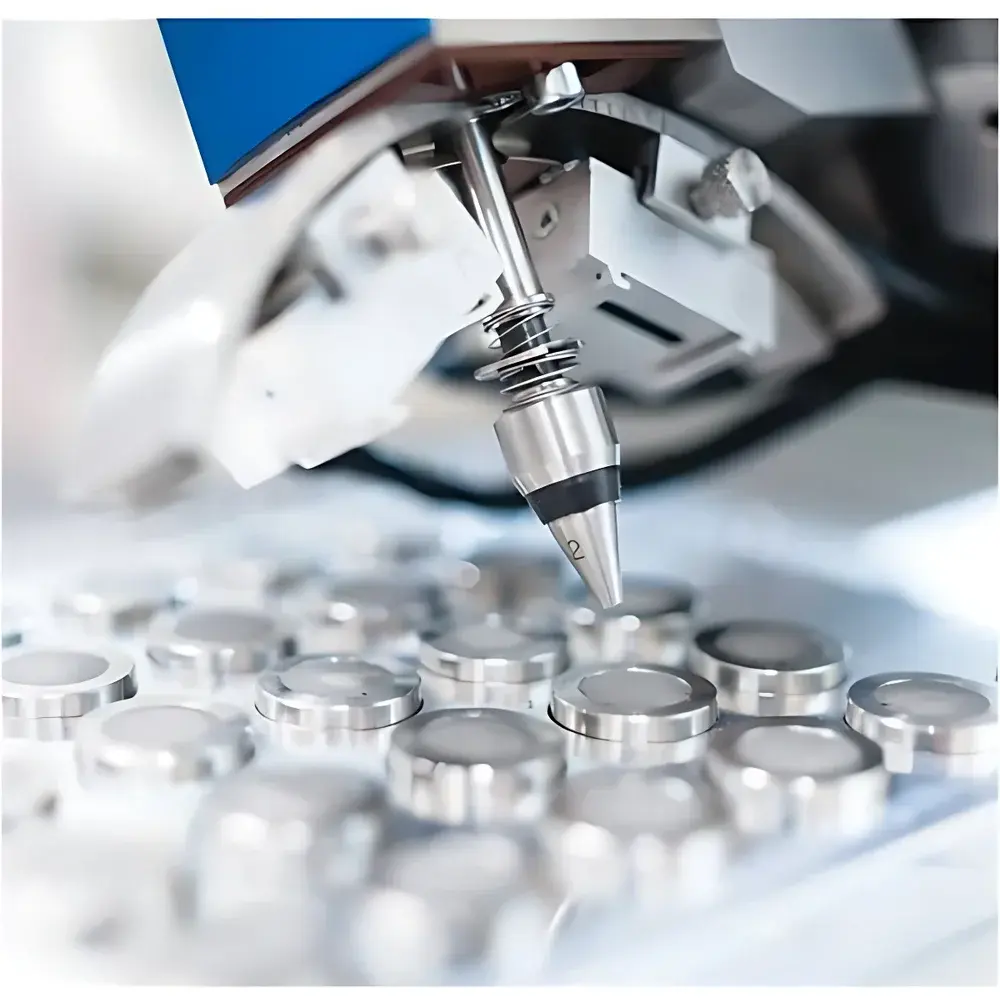
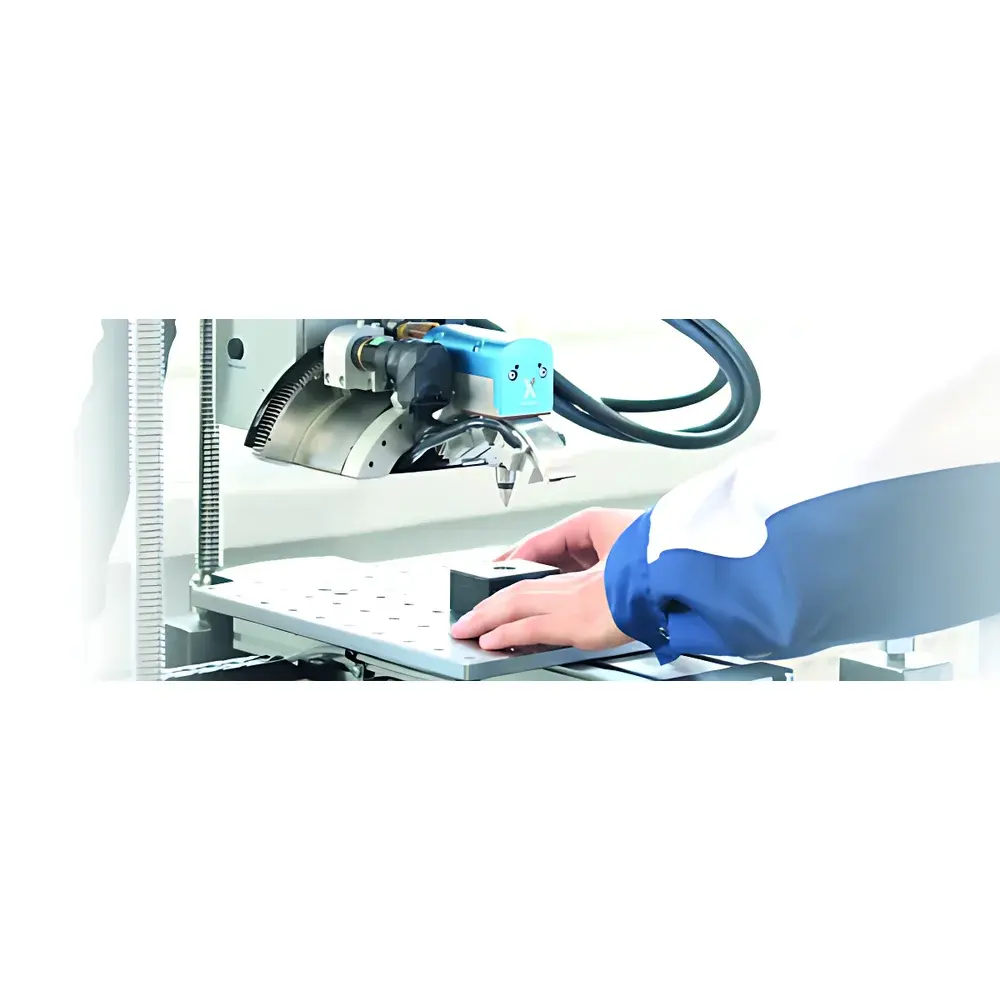
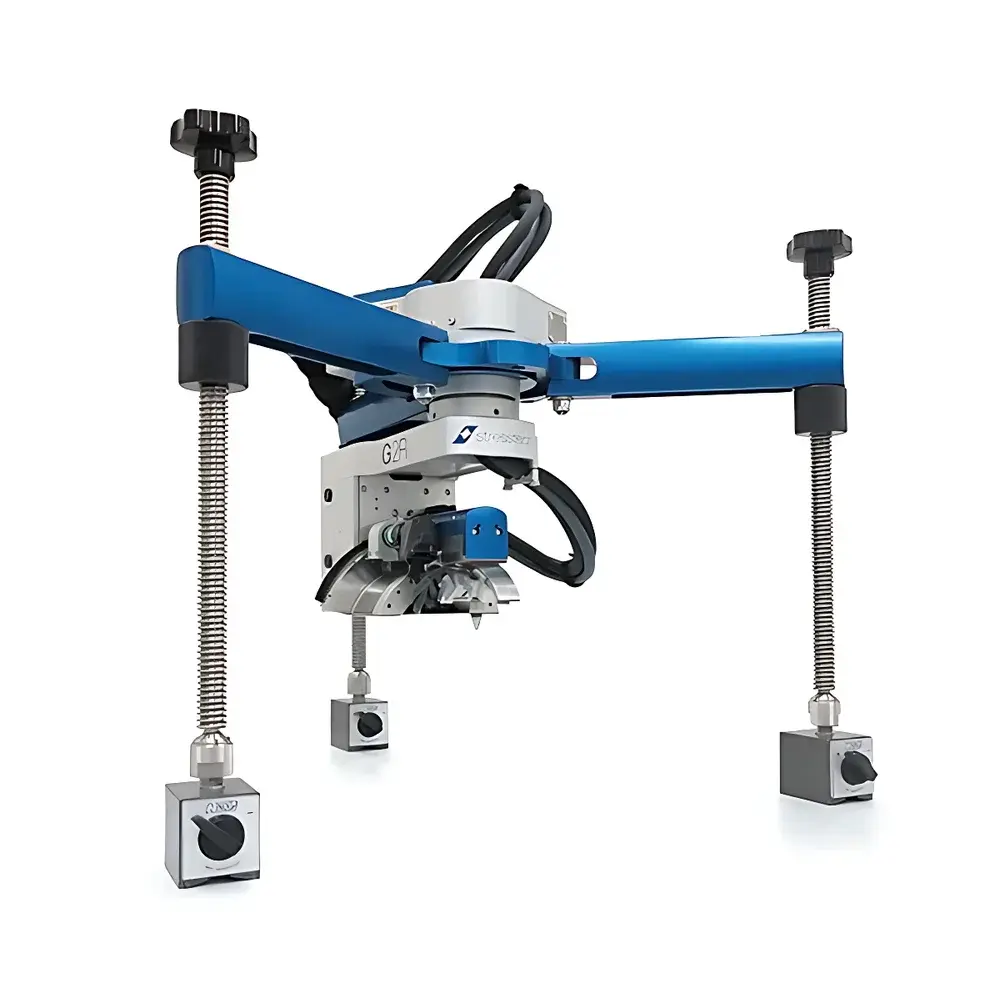
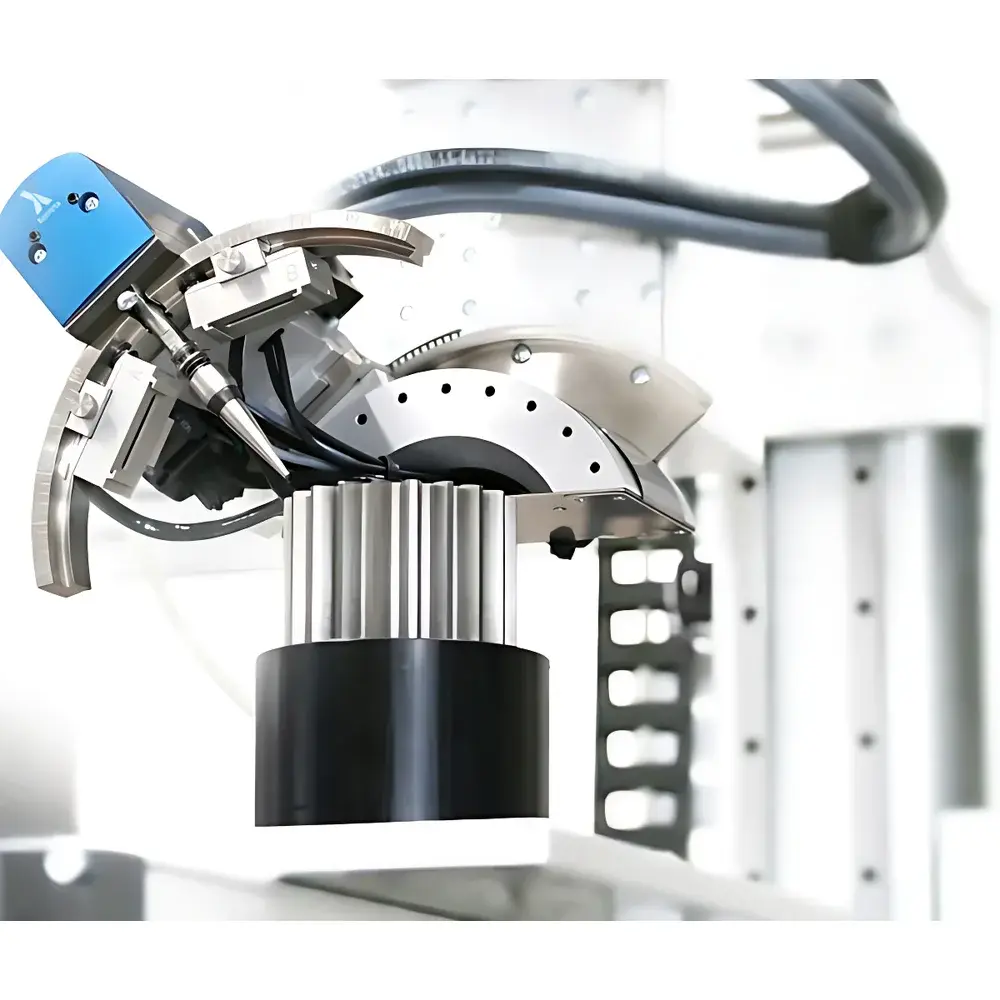
Stresstech XStress 3000 Portable X-Ray Residual Stress Analyzer
| Brand | Stresstech Oy |
|---|---|
| Origin | Finland |
| Model | XStress 3000 |
| Type | Portable X-ray Diffraction (XRD)-Based Residual Stress Analyzer |
| Compliance | ASTM E915, ISO 21432, EN 15305 |
| Weight | ~12 kg |
| Measurement Principle | Sin²ψ Method via Monochromatic Cu-Kα Radiation (λ = 0.15406 nm) |
| Detector | High-resolution 1D or 2D CCD/CMOS detector |
| Angular Range | 2θ ≈ 135°–165° |
| Minimum Spot Size | 1 mm × 1 mm |
| Data Acquisition Time | < 90 s per measurement point |
| Software Platform | XStress Suite v5.x with GLP-compliant audit trail and FDA 21 CFR Part 11-ready user management |
Overview
The Stresstech XStress 3000 is a field-deployable, laboratory-grade portable X-ray diffraction (XRD) system engineered for quantitative, non-destructive residual stress analysis in metallic components. It operates on the well-established sin²ψ method, utilizing monochromatic Cu-Kα radiation (λ = 0.15406 nm) to measure lattice strain shifts in crystalline materials—primarily ferrous alloys (e.g., steel, cast iron), aluminum, titanium, nickel-based superalloys, and austenitic stainless steels. By analyzing peak position shifts in the diffraction pattern (typically the (211), (310), or (200) planes depending on material), the instrument calculates both surface and near-surface (up to ~20–30 µm depth, adjustable via electrolytic polishing or incremental etching) normal and shear stress components with high reproducibility (< ±15 MPa typical standard deviation under controlled conditions). Its compact, ruggedized architecture enables reliable operation outside controlled lab environments—on factory floors, inside pressure vessel manways, at wind turbine nacelles, or adjacent to additive-manufactured part builds—without compromising metrological traceability.
Key Features
- True portable design: Weighing approximately 12 kg, fully integrated into a shock-absorbing transport case with ergonomic handles and optional tripod mount for stable field positioning.
- Monochromatic X-ray source with high-stability microfocus tube and graphite monochromator ensures consistent beam quality and minimizes background noise and fluorescence interference.
- Automated ψ-tilt stage with precision angular control (±0.02° repeatability) and motorized sample alignment for rapid multi-orientation data collection.
- Dual detection options: Selectable 1D linear PSD or high-dynamic-range 2D CCD/CMOS detector to optimize resolution vs. acquisition speed based on application requirements.
- Onboard real-time diffraction pattern visualization and live stress calculation—no external PC required for basic operation.
- IP54-rated enclosure for dust and splash resistance; operating temperature range: 5–40 °C; battery-operated mode supports ≥4 hours of continuous measurement.
Sample Compatibility & Compliance
The XStress 3000 accommodates flat, curved, or irregularly shaped metallic parts with minimum radius of curvature ≥25 mm and surface roughness Ra ≤ 3.2 µm (polished or ground finish recommended). It is validated for use on critical components including gear teeth, bearing races, welded joints, turbine blades, rolled shafts, and additively manufactured (LPBF, DED) test coupons. All measurement protocols adhere to internationally recognized standards: ASTM E915 (Standard Test Method for Verifying the Alignment of X-Ray Diffraction Instrumentation for Residual Stress Measurement), ISO 21432 (Non-destructive testing — Standard test method for determining residual stresses by X-ray diffraction), and EN 15305 (Non-destructive testing — Test method for residual stress analysis by X-ray diffraction). The system supports full GLP/GMP documentation workflows, including electronic signatures, audit trails, and configurable user access levels compliant with FDA 21 CFR Part 11 requirements.
Software & Data Management
XStress Suite v5.x serves as the unified software platform for instrument control, data acquisition, peak fitting (Pseudo-Voigt profile deconvolution), stress tensor calculation, and reporting. It features automated calibration routines (including interplanar spacing d₀ reference library), batch processing for serial measurements, and export to CSV, XML, or PDF formats compatible with enterprise LIMS and QMS systems. Raw diffraction patterns are stored with full metadata (time stamp, operator ID, location tag, exposure parameters, ψ/2θ angles), ensuring full traceability. The software includes built-in uncertainty estimation per measurement point based on peak signal-to-noise ratio, angular resolution, and lattice parameter sensitivity—supporting ISO/IEC 17025-compliant uncertainty budgets.
Applications
- Aerospace: Verification of shot-peened wing spar surfaces, residual stress mapping in Ti-6Al-4V turbine disks post-heat treatment.
- Automotive: Quantification of grinding burn-induced tensile stresses in crankshaft journals and cam lobes.
- Additive Manufacturing: In-process and post-build stress profiling of AlSi10Mg and Inconel 718 components to correlate build parameters with distortion risk.
- Energy: Stress assessment in nuclear reactor pressure vessel weld overlays and steam generator tubing bends.
- Rail & Heavy Machinery: Monitoring compressive stress retention in rail head after roller burnishing and fatigue life validation of forged axle components.
FAQ
Is the XStress 3000 suitable for measuring residual stress in non-ferrous metals such as aluminum or titanium?
Yes—the system supports standard diffraction planes for common non-ferrous alloys, including Al (311), Ti (103), and Ni (200), with appropriate calibration and detector configuration.
Can it perform through-thickness stress profiling?
Not inherently; it measures near-surface stresses (~10–30 µm). For depth profiling, it must be combined with controlled material removal techniques (e.g., electrochemical polishing or layer-by-layer milling) following ISO 21432 Annex B guidelines.
Does the system require annual recalibration by the manufacturer?
While no mandatory annual recalibration is stipulated, Stresstech recommends biannual verification using NIST-traceable stress calibration standards (e.g., stressed silicon or certified steel specimens) to maintain measurement confidence.
Is remote support and firmware updates available?
Yes—XStress Suite supports secure remote desktop assistance and over-the-air firmware/software updates via encrypted HTTPS channel, with version-controlled release notes and change logs archived per ISO 9001 requirements.





