
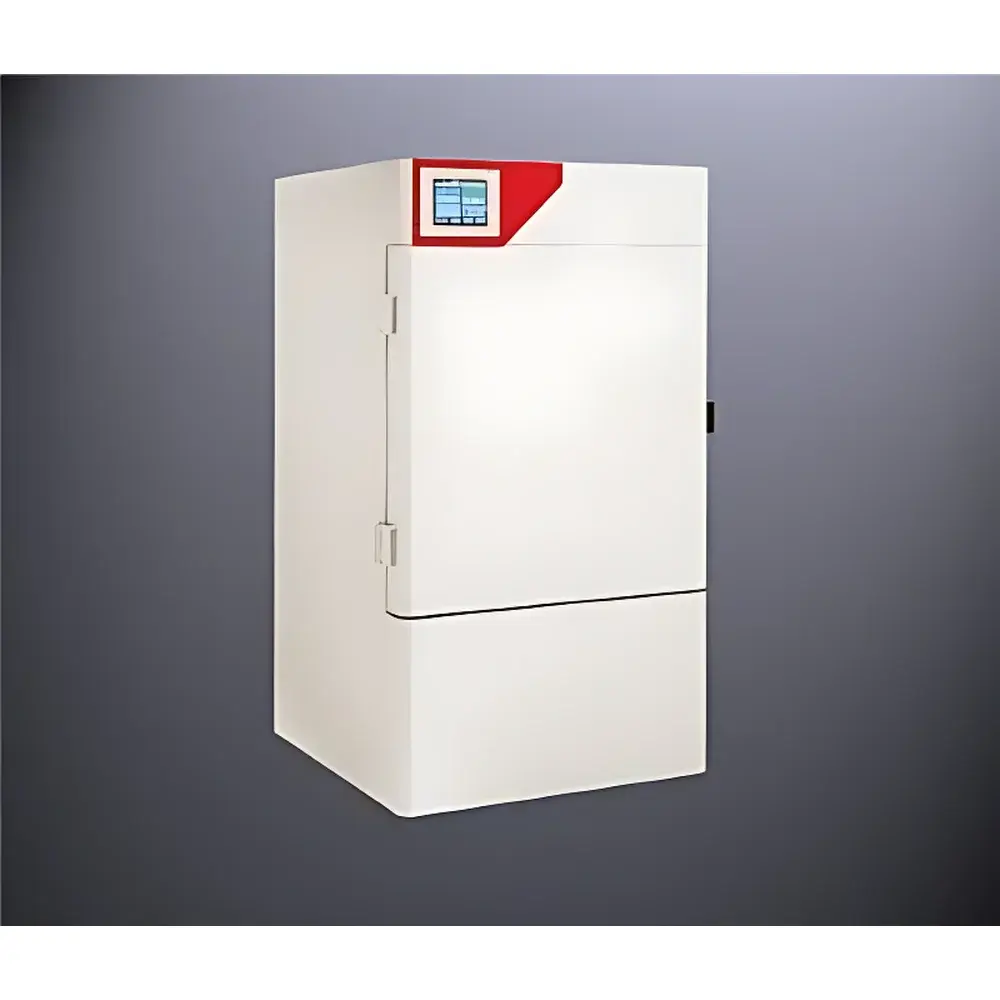
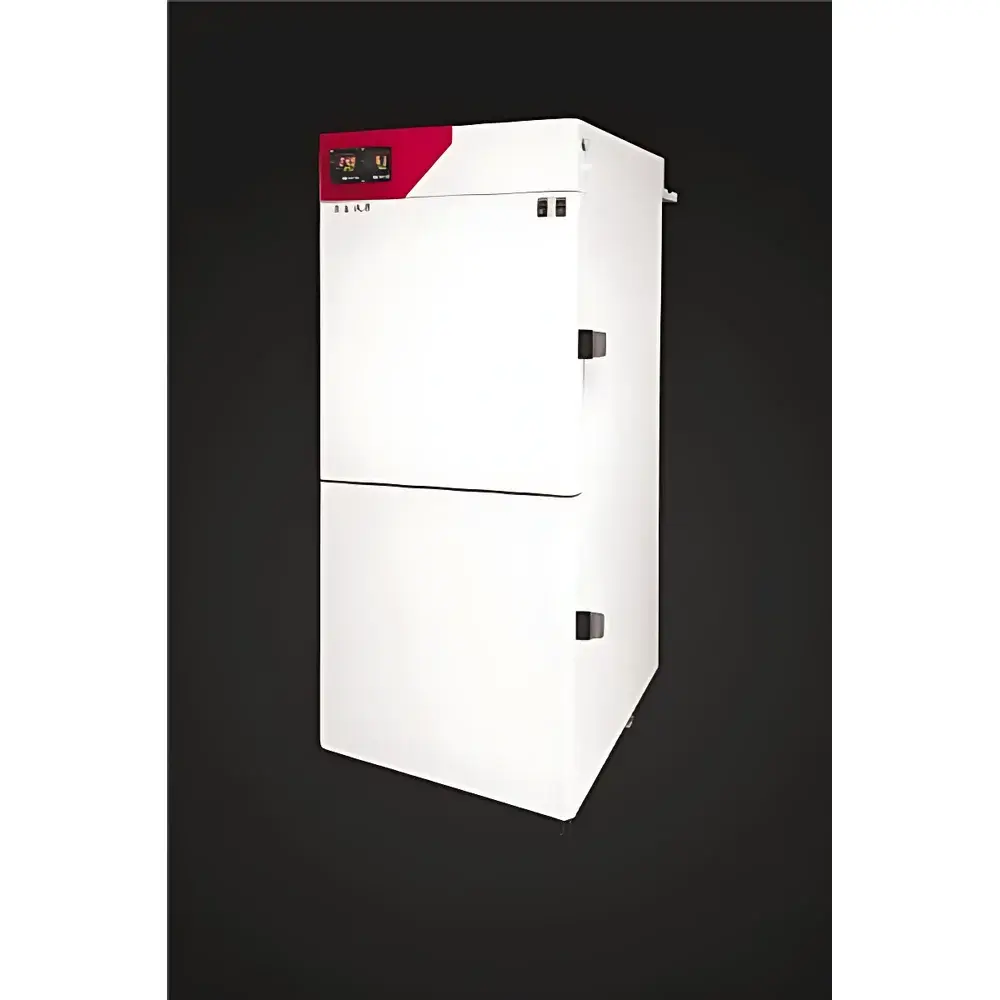
Suying YP-Series Pharmaceutical Stability Testing Chambers (YP-SD, YP-SDP, YP-GSP, YP-GSD, YP-TSD)
| Brand | Suying |
|---|---|
| Origin | Shanghai, China |
| Model Variants | YP-150SD / YP-250SD / YP-500SD / YP-1000SD, YP-150SDP / YP-250SDP / YP-500SDP, YP-150GSP / YP-250GSP / YP-500GSP, YP-GSD (dual-chamber), YP-TSD (triple-chamber) |
| Temperature Range | 0–65°C (dark), 10–65°C (with illumination) |
| Temperature Uniformity | ±0.5°C |
| Humidity Range | 30–95% RH |
| Humidity Uniformity | ±0.5% RH |
| Illumination Intensity | 0–8000 lx (adjustable), accuracy ±500 lx |
| Control Resolution | 0.1°C / 0.1% RH |
| Refrigeration | Danfoss hermetic compressor, R404A/R23 refrigerant |
| Internal Material | Mirror-finish SUS304 stainless steel |
| Compliance | ICH Q1A(R2), USP <1150>, FDA 21 CFR Part 11 (software-enabled), ISO 14644-1 (cleanroom-compatible design), GB/T 10586-2018 |
Overview
The Suying YP-Series Pharmaceutical Stability Testing Chambers are precision-engineered environmental simulation systems designed to meet the rigorous requirements of regulatory-compliant drug stability studies. These chambers operate on the principle of controlled environmental stress testing—systematically exposing pharmaceutical products to defined temperature, humidity, and photostability conditions over extended durations—to assess chemical degradation kinetics, shelf-life prediction, and formulation robustness. Fully aligned with ICH Q1A(R2) guidelines, they support long-term testing at 25°C/60% RH and accelerated testing at 40°C/75% RH for six months, as mandated by global regulatory authorities including the FDA, EMA, PMDA, and WHO. The chambers integrate thermodynamic equilibrium control architecture, ensuring stable setpoint maintenance under continuous operation for ≥5 years—validated through factory-installed 3Q (IQ/OQ/PQ) documentation packages compliant with GMP Annex 15 and ALCOA+ data integrity principles.
Key Features
- Triple-parameter independent control: Simultaneous, decoupled regulation of temperature, relative humidity, and illumination intensity—each monitored via traceable Pt100 platinum resistance sensors and high-stability capacitive RH transducers.
- Dual- and triple-chamber configurations (YP-GSD, YP-TSD): Enable parallel execution of distinct test protocols—including dark/humid, light/humid, and photostability-only cycles—eliminating cross-contamination risk and reducing qualification overhead.
- Advanced thermal management: Optimized air circulation path with backward-curved centrifugal fans and vortex-free laminar flow ducting ensures ≤±0.5°C temperature uniformity and ≤±0.5% RH spatial homogeneity across full working volume (per ISO 14644-3 Class 5 validation methodology).
- Robust mechanical construction: Seamless mirror-finish SUS304B interior chamber walls; arc-shaped external enclosure for structural rigidity and cleanroom-compatible surface hygiene; double-glazed vacuum-insulated observation window with anti-fog heating element.
- Regulatory-grade control system: TEMI880 programmable controller (Korean origin) with PID auto-tuning, real-time deviation correction, audit trail logging, and optional 21 CFR Part 11 compliance module—including electronic signatures, role-based access control, and immutable data archiving.
Sample Compatibility & Compliance
The YP-Series accommodates diverse sample formats—including blister packs, vials, ampoules, sachets, and lyophilized powders—on adjustable stainless-steel trays with configurable height spacing and standardized 30-mm-diameter cable ports (left-side mounted, gasket-sealed). All models conform to ICH Q5C (stability testing of biotechnological/biological products), USP (pharmaceutical stability), and WHO Technical Report Series No. 953 Annex 2. Chamber validation follows ASTM E2500-13 (verification of pharmaceutical manufacturing equipment) and EU GMP Annex 15. Optional IQ/OQ/PQ protocols include mapping per ISO 14644-3, uncertainty budgeting per EURACHEM/CITAC Guide, and traceability to NIST-certified reference standards.
Software & Data Management
Embedded firmware supports continuous acquisition of temperature, humidity, irradiance, and alarm status at user-defined intervals (1–60 sec resolution). Raw data exports in CSV/Excel format with embedded metadata (timestamp, operator ID, protocol ID, chamber ID). Optional Suying StabilityLink™ software provides trend analysis, degradation modeling (zero-/first-order kinetics), Arrhenius plot generation, and automated report generation compliant with FDA eCTD Module 5.2.4 requirements. All electronic records maintain full ALCOA+ attributes: attributable, legible, contemporaneous, original, and accurate—with tamper-evident SHA-256 hashing and time-stamped digital signatures.
Applications
These chambers serve as primary tools in pharmaceutical quality assurance laboratories for conducting ICH-aligned stability protocols—including long-term, accelerated, intermediate, and stress testing (oxidative, thermal, photolytic). They are routinely deployed during pre-formulation screening, generic product development, post-approval change management (PACMP), and comparability studies for biosimilars. Beyond pharma, applications extend to medical device packaging validation (ISO 11607), excipient compatibility assessment, vaccine thermal stability profiling, and nutraceutical stability under cGMP conditions per 21 CFR Part 111.
FAQ
What ICH guidelines does this chamber support?
It fully supports ICH Q1A(R2), Q1B (photostability), Q5C (biotech products), and Q5D (cell substrate stability), with preconfigured test profiles for all recommended conditions.
Is 21 CFR Part 11 compliance available?
Yes—optional software module includes electronic signatures, audit trails, role-based permissions, and data encryption meeting FDA requirements for electronic records.
Can the chamber perform simultaneous light + humidity testing?
Yes—dual-chamber (YP-GSD) and triple-chamber (YP-TSD) variants allow concurrent photostability and humid stability cycles without parameter interference.
What validation documentation is provided?
Factory-issued 3Q package (IQ/OQ/PQ), temperature/humidity uniformity maps, calibration certificates traceable to NIST, and a complete Design Qualification (DQ) summary per GAMP 5.
How is long-term reliability ensured?
All units undergo 168-hour burn-in testing, use industrial-grade Danfoss compressors rated for >50,000 hours MTBF, and feature redundant safety circuits (over-temperature, low-humidity cutoff, refrigerant leak detection).




