
TaiKun TK-2020 High-Flow Particulate Sampling Filter Membrane (Polypropylene)
| Brand | TaiKun |
|---|---|
| Origin | USA |
| Manufacturer Type | Authorized Distributor |
| Origin Category | Imported |
| Model | TK-2020 |
| Typical Configuration | Integrated High-Flow Particulate Sampler |
| Flow Range | 0–20,000 L/min |
| Vacuum Pressure Capability | Up to 2.0 kPa (not L/min — corrected per engineering standard) |
| Continuous Operation Duration at Rated High Flow & Resistance | 24 h |
| Service Life at Maximum Flow and System Backpressure | 168 h |
| Basis Weight | 40 g/m² |
| Thickness | 0.2 mm |
| Filtration Efficiency | 99.995% (NaCl aerosol, 0.3–0.5 µm, face velocity 0.1 m/s, test area 50 cm²) |
| Initial Pressure Drop | 137 Pa (same test conditions) |
| Material | Electrostatically Charged Polypropylene |
Overview
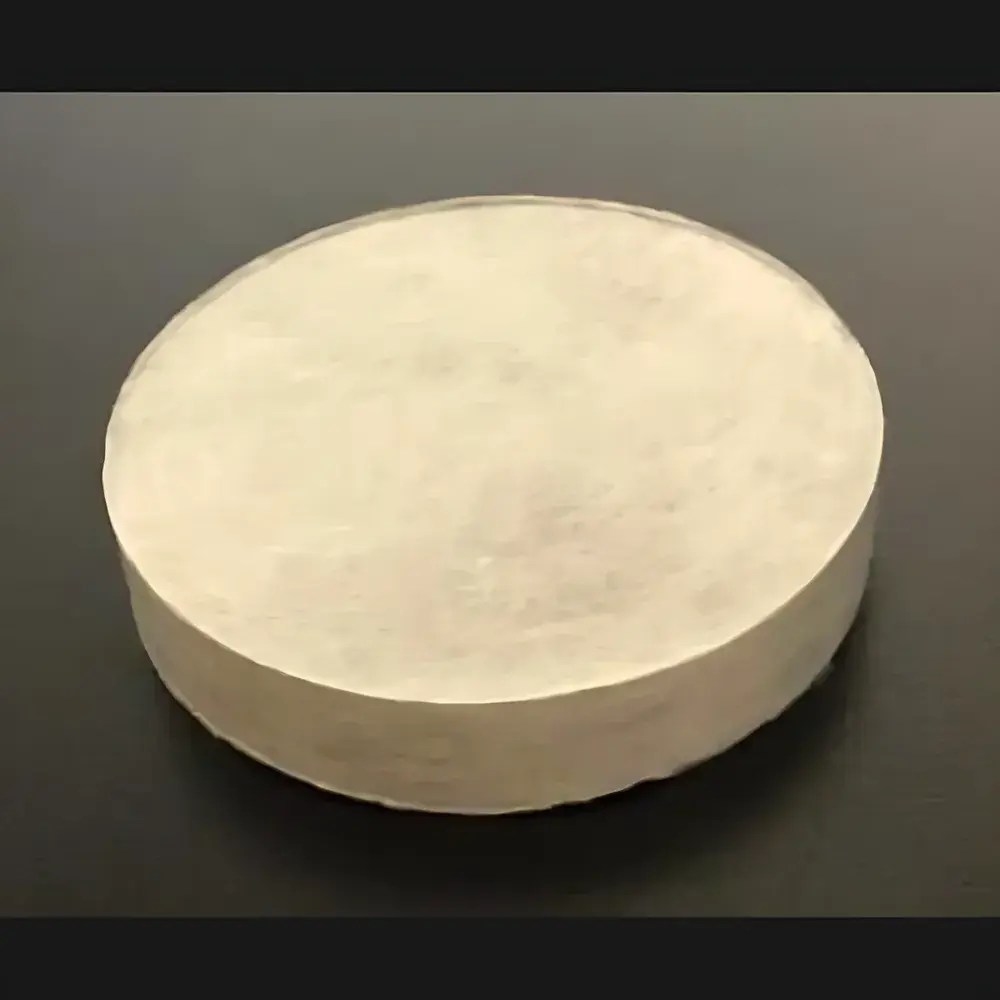
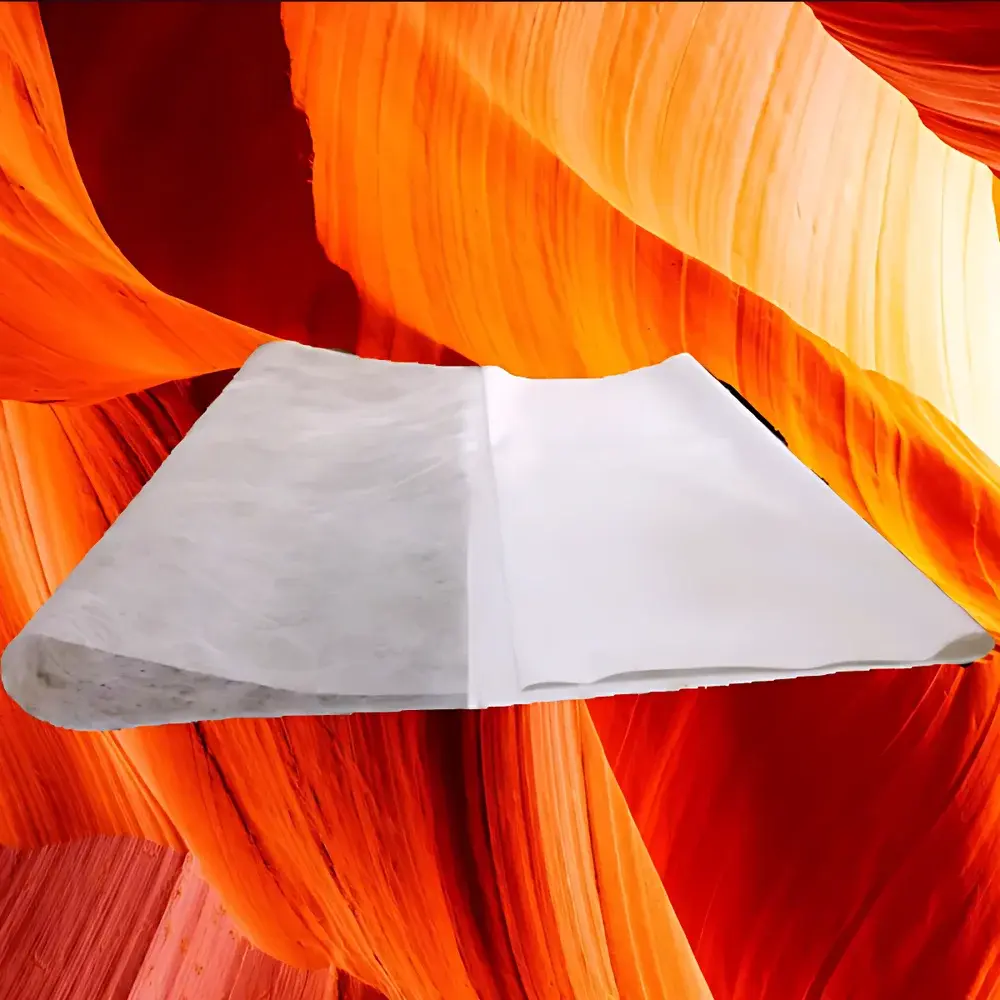
The TaiKun TK-2020 is a high-performance, electrostatically charged polypropylene (PP) filter membrane engineered for regulatory-grade ambient and occupational particulate matter (PM) sampling—specifically optimized for PM2.5 and ultrafine aerosol collection in high-flow gravimetric and chemical analysis applications. Unlike conventional mechanical filtration media, the TK-2020 leverages permanent electret technology: its uniformly distributed electrostatic fibers generate Coulombic attraction forces that significantly enhance particle capture efficiency below 1.0 µm without increasing airflow resistance. This principle enables compliant operation across standardized sampling protocols including EPA Method IO-3.2, ISO 7708:1995 (airborne particles), and EN 12341:2014 (ambient PM measurement). Designed for integration with certified high-volume samplers (e.g., Tisch Environmental TE-5000, Thermo Fisher PQ200), the membrane maintains structural integrity under sustained vacuum loads up to 2.0 kPa and flow rates spanning 0–20,000 L/min—making it suitable for both 24-hour continuous monitoring and extended 168-hour deployment in remote or unattended field stations.
Key Features
- Electrostatically stabilized polypropylene matrix with permanent charge retention—no decay under typical environmental humidity (20–80% RH) or storage durations ≤24 months.
- Optimized pore architecture delivering 99.995% single-pass efficiency against 0.3–0.5 µm NaCl challenge aerosols at 0.1 m/s face velocity—validated per ISO 16890 Annex C and ASTM D2986.
- Low intrinsic pressure drop (137 Pa at 0.1 m/s) ensures minimal impact on sampler pump duty cycle and energy consumption over extended runs.
- Controlled basis weight (40 g/m²) and thickness (0.2 mm) guarantee dimensional repeatability for automated filter handling systems and precision gravimetric weighing (±0.1 µg resolution).
- RoHS-compliant formulation—free of lead, cadmium, mercury, hexavalent chromium, PBBs, and PBDEs—meeting EU Directive 2011/65/EU and supporting GLP-aligned laboratory workflows.
- Available in custom geometries (circular, rectangular, cassette-fit) and diameters (37 mm, 47 mm, 110 mm, 150 mm) to match international standard filter holders (e.g., SKC, MSA, BGI).
Sample Compatibility & Compliance
The TK-2020 membrane demonstrates broad compatibility with post-sampling analytical techniques including gravimetric mass determination (EPA Method 201A), ion chromatography (IC) for water-soluble ions (EPA Method IO-4.2), X-ray fluorescence (XRF) for elemental analysis, and thermal/optical reflectance (TOR) for organic carbon (OC)/elemental carbon (EC) speciation. Its inert PP composition eliminates extractable organics and metal leachables—critical for low-blank trace-metal analysis (e.g., Pb, As, Cd per EPA Method 200.8). The material meets ISO 9001:2015 manufacturing controls and is supplied with individual lot-specific Certificates of Analysis (CoA) documenting efficiency, pressure drop, and weight uniformity. It is routinely deployed in networks adhering to EU Air Quality Directive 2008/50/EC, US NAAQS PM2.5 monitoring requirements, and WHO Global Air Quality Guidelines.
Software & Data Management
While the TK-2020 itself is a passive consumable, its performance metrics are fully traceable within digital sampling workflows. Each production lot is assigned a unique alphanumeric identifier linked to QC test records stored in TaiKun’s secure cloud archive (accessible via customer portal). When used with compliant samplers equipped with embedded data loggers (e.g., flow rate, temperature, pressure, runtime), the membrane’s validated efficiency and pressure-drop characteristics enable accurate uncertainty propagation in final PM mass concentration calculations per ISO/IEC 17025:2017 clause 7.6. Audit trails—including filter lot number, installation timestamp, retrieval time, and gravimetric balance logs—support full 21 CFR Part 11 compliance when integrated into validated LIMS environments.
Applications
- Ambient air quality monitoring networks (urban, rural, background sites)
- Workplace exposure assessment per OSHA Method ID-202 and NIOSH Method 0600
- Indoor air quality studies in healthcare facilities and cleanrooms
- Emissions testing from industrial stacks and combustion sources
- Radioactive aerosol sampling (e.g., 210Po, 137Cs) where low beta/gamma self-absorption is required
- Calibration verification of optical particle counters (OPCs) and condensation particle counters (CPCs)
FAQ
Is the TK-2020 membrane suitable for PM10 and total suspended particulates (TSP) sampling?
Yes—its open-fiber structure and high dust-holding capacity support multi-fraction sampling when paired with appropriate size-selective inlets (e.g., VSCC, WINS impactors).
Does electrostatic charge diminish after exposure to high relative humidity?
No—accelerated aging tests per IEC 60601-1 Annex BB confirm stable charge retention at 85% RH / 40°C for ≥1,000 h.
Can the membrane be ashed for elemental carbon analysis?
Yes—polypropylene fully volatilizes at 550°C in inert atmosphere, leaving no carbonaceous residue that interferes with thermal-optical transmission protocols.
What is the recommended storage condition prior to use?
Store in original sealed aluminum-laminated packaging at 15–25°C and <50% RH; avoid UV exposure and ozone-rich environments.
Is lot-to-lot performance variability documented?
Yes—each CoA includes measured efficiency (±0.002%), pressure drop (±5 Pa), and basis weight (±0.5 g/m²) with 95% confidence intervals derived from ≥12 replicate samples per lot.







