
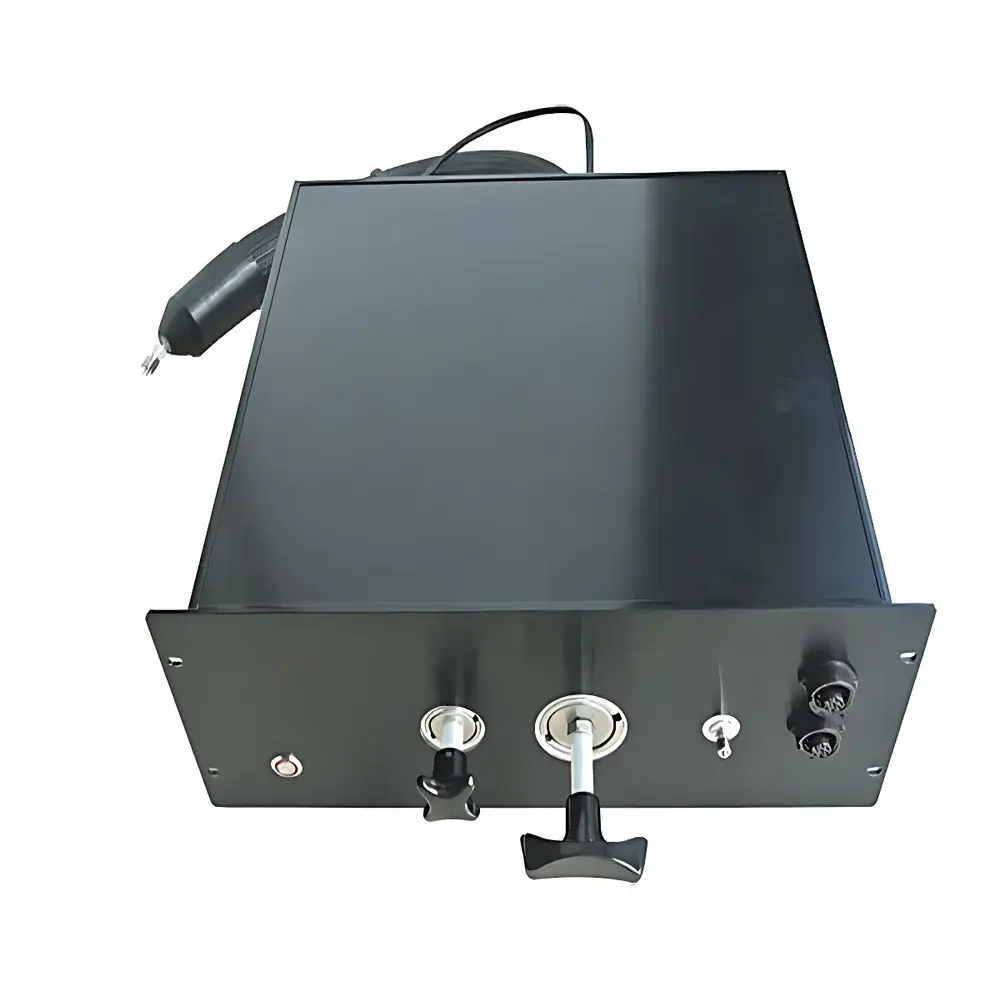
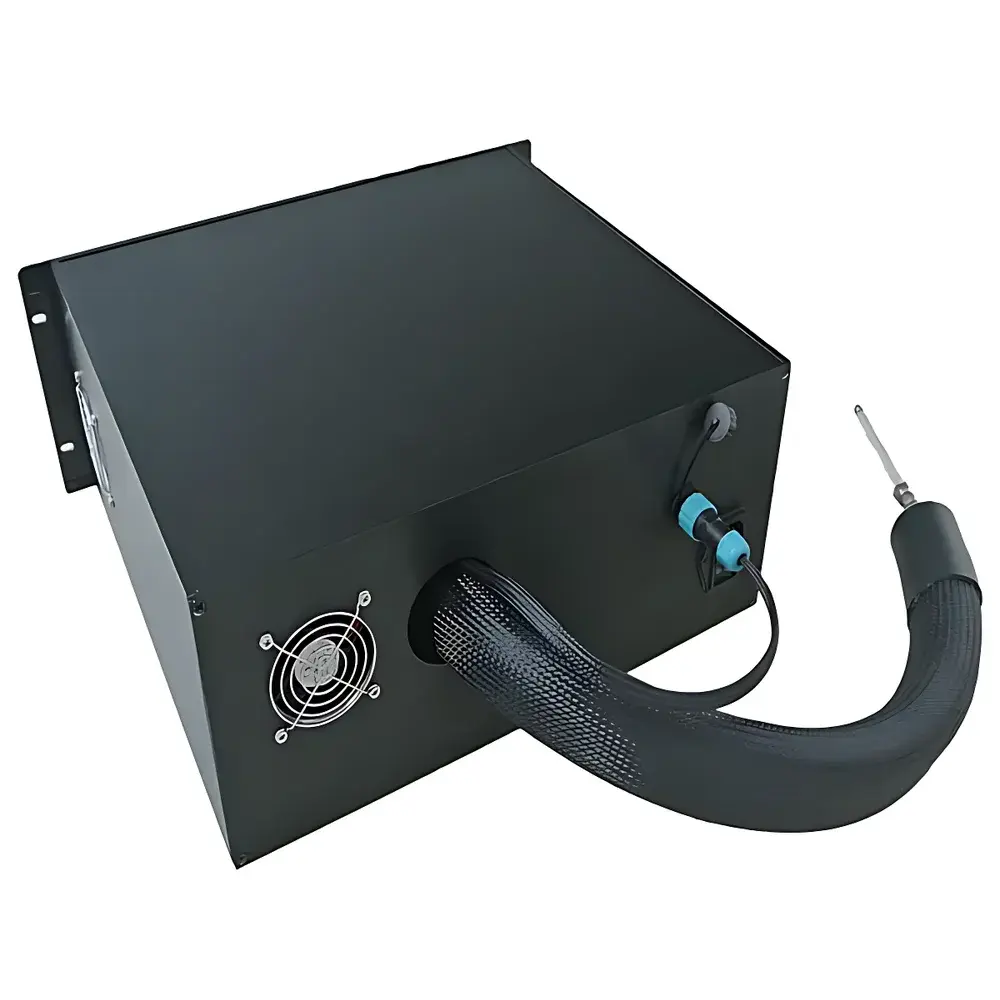
TCT GPT100 High-Temperature Gas Conditioning System
| Brand | TCT (Xiamen Tongchuang) |
|---|---|
| Origin | Fujian, China |
| Model | GPT100 |
| Form Factor | Rack-Mountable (19″), Fan-Cooled Enclosure |
| Operating Temperature Range | 100–200 °C |
| Filter Rating | 0.3 µm (standard) |
| Construction | Stainless Steel Tubing & 1/4″ SS Bulkhead Fittings |
| Optional Components | Heated Pump Module, Calibrated Solenoid Valves, Motorized Ball Valve, Heated Flow Meter |
Overview
The TCT GPT100 High-Temperature Gas Conditioning System is an engineered solution for conditioning hot, moisture-laden, and particulate-rich gas streams prior to analysis by in-situ or extractive analyzers—particularly in demanding combustion and emissions monitoring applications. Unlike ambient-conditioned sampling systems, the GPT100 maintains the entire sample path—including filtration, flow control, and transfer lines—at elevated temperatures (100–200 °C) to prevent condensation, adsorption, and thermally induced species alteration (e.g., HCl recombination, NH₃ loss, or SO₃ hydration). It operates on the principle of *hot-wet sampling*, where gas integrity is preserved by eliminating water phase change and minimizing wall interactions. Designed for integration with automotive exhaust gas analyzers, continuous emissions monitoring systems (CEMS), and laboratory-grade FTIR or NDIR analyzers, the GPT100 ensures representative, stable, and chemically faithful sample delivery under real-world thermal and compositional variability.
Key Features
- Heated filtration assembly with front-panel accessible T-handle filter housing—enabling rapid, tool-free replacement of 0.3 µm sintered stainless-steel filters (compatible with optional 0.1 µm grade for GPT200 configuration)
- Precise temperature regulation across all critical zones: heated enclosure (150–191 °C nominal setpoint), internal sampling line, and analyzer inlet jacket—controlled via integrated PID circuitry with redundant thermal sensors
- Rack-mountable 19-inch chassis with forced-air cooling architecture, ensuring thermal stability of electronics while maintaining external surface temperatures within safe handling limits
- Full stainless-steel wetted path (316L SS tubing and 1/4″ bulkhead fittings) for corrosion resistance against acidic gases (SO₂, NOₓ, HCl) and high-temperature oxidation
- Modular design supporting factory-installed options: heated diaphragm pump module, calibrated solenoid valves for zero/span calibration sequences, motorized ball valve for automated sampling/calibration mode switching, and high-temperature mass flow meter (up to 200 °C operating range)
- EMC-compliant power supply and I/O interface compatible with standard 4–20 mA analog inputs/outputs and digital relay signals for seamless integration into PLC- or DCS-controlled monitoring stations
Sample Compatibility & Compliance
The GPT100 accommodates a broad spectrum of hot process gases—including diesel and gasoline engine exhaust, industrial boiler flue gas, incinerator off-gas, and catalytic converter effluent—with inlet temperatures up to 200 °C and particulate loadings ≤100 mg/m³. Its hot-wet configuration complies with key methodological requirements outlined in EPA Method 320, ISO 12039, and EN 15267-3 for gaseous pollutant measurement. While not itself a certified analyzer, the system supports regulatory-grade data integrity when paired with analyzers meeting US EPA PS-11, TÜV-certified CEMS, or ISO/IEC 17025-accredited test setups. All optional calibration components (solenoid valves, motorized valves) are traceable to NIST standards and support audit-ready calibration logging per GLP and FDA 21 CFR Part 11 requirements when integrated with compliant data acquisition software.
Software & Data Management
The GPT100 operates as a hardware-conditioning subsystem and does not include embedded firmware or onboard data storage. However, its analog and digital I/O interfaces enable full interoperability with third-party SCADA, LabVIEW, or custom emissions management platforms. Temperature setpoints, status alarms (over-temp, filter clog, flow loss), and valve actuation signals can be logged alongside analyzer output for synchronized time-series correlation. When deployed in regulated environments (e.g., EU IED compliance reporting or U.S. Title V permitting), users commonly integrate the GPT100 into systems featuring electronic audit trails, user access controls, and calibration event timestamping—ensuring alignment with ISO 17025 clause 7.7 and ASTM D6522-22 documentation expectations.
Applications
- Pre-conditioning of raw engine exhaust for real-time NOₓ, CO, CO₂, THC, and NH₃ measurement in R&D dynamometer cells and certification labs
- Hot sampling interface for Fourier-transform infrared (FTIR) spectrometers analyzing transient combustion species (e.g., formaldehyde, unburnt hydrocarbons) without cold-trap artifact
- Flue gas conditioning upstream of paramagnetic O₂ sensors, electrochemical SO₂ modules, or laser-based CH₄ analyzers in waste-to-energy plants
- Supporting Method 26A (HCl) and Method 320 (multi-pollutant) stack testing by preserving reactive halogen speciation and preventing aqueous-phase scrubbing losses
- Enabling long-term stability in field-deployed mobile emissions testing units where ambient temperature swings would otherwise compromise dew point control
FAQ
What is the maximum continuous inlet gas temperature the GPT100 can handle?
The system is rated for continuous exposure to gas streams up to 200 °C at the inlet port; sustained operation above this threshold may compromise filter integrity and sensor accuracy.
Does the GPT100 include built-in calibration functionality?
No—the base GPT100 model provides passive conditioning only. Calibration valves, motorized switching, and flow metering are optional add-ons configured at time of order.
Is the unit suitable for use with corrosive gases such as HCl or HF?
Yes—wetted components are fabricated from 316L stainless steel, and the heated path prevents acid condensation, significantly reducing corrosion risk compared to cooled sampling trains.
Can the GPT100 be integrated with non-TCT analyzers?
Yes—it is vendor-agnostic and interfaces via standard 4–20 mA, 0–10 V, and dry-contact relay signals, making it compatible with analyzers from Sick, Horiba, Testo, MRU, and Siemens.
What maintenance intervals are recommended for the heated filter?
Filter replacement frequency depends on particulate loading; typical service intervals range from 50–200 operating hours in heavy-duty diesel exhaust applications, with visual inspection and differential pressure monitoring advised.







