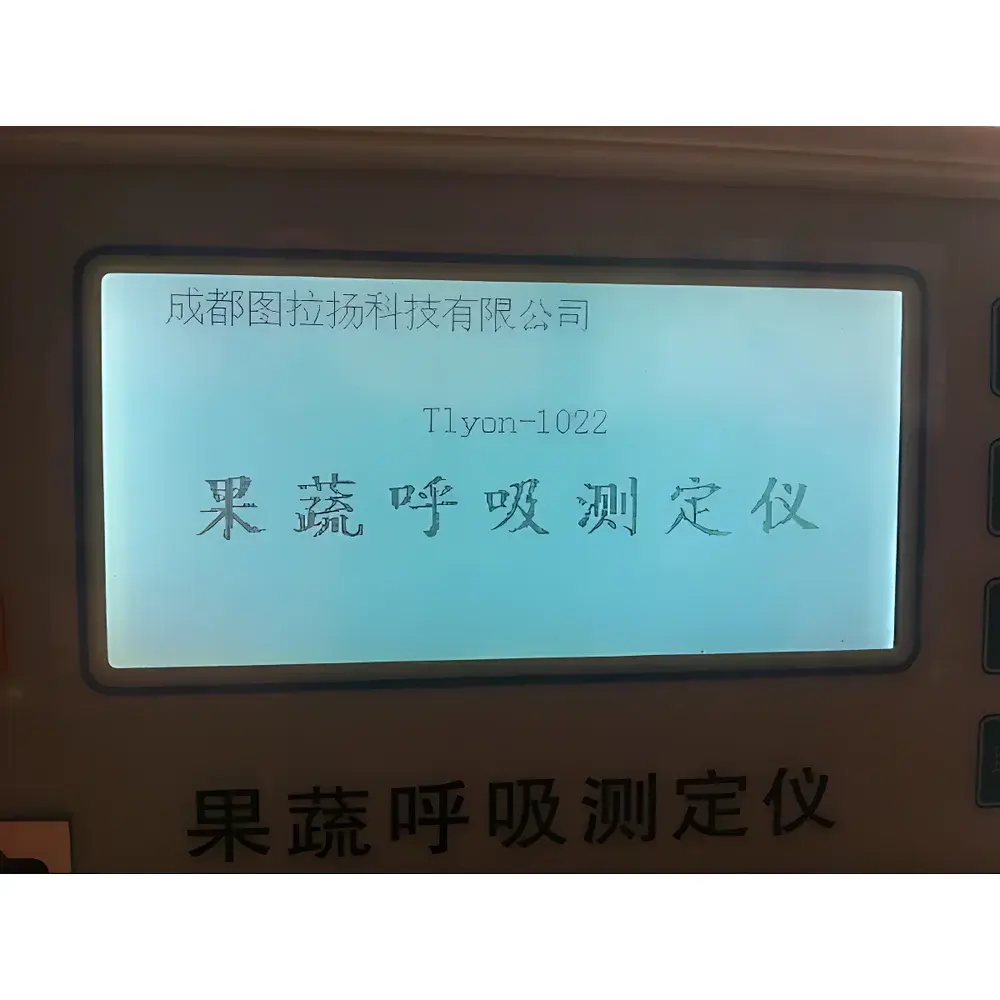
Tlyon-1022 Respirometry Analyzer for Horticultural Produce
| Origin | Sichuan, China |
|---|---|
| Manufacturer Type | Authorized Distributor |
| Origin Category | Domestic (PRC) |
| Model | Tlyon-1022 |
| Price Range | USD 2,800 – 7,000 |
| CO₂ Detection | NDIR, 0–2000 ppm, ≤±1% F.S. linearity, ≤±1% repeatability, ≤15 s response, ≤±2% F.S./24h zero & span drift |
| O₂ Detection | Electrochemical sensor, 0–30% vol, ≤±2% F.S. linearity, ≤±1% repeatability, 30 s response, ≤±2% F.S./24h zero & span drift |
| Temperature | −20 to +95 °C, 0.1 °C resolution, ±0.2 °C accuracy |
| Relative Humidity | 0–100% RH, 0.1% RH resolution, ±0.2% F.S. accuracy |
| Preheat Time | 2 h |
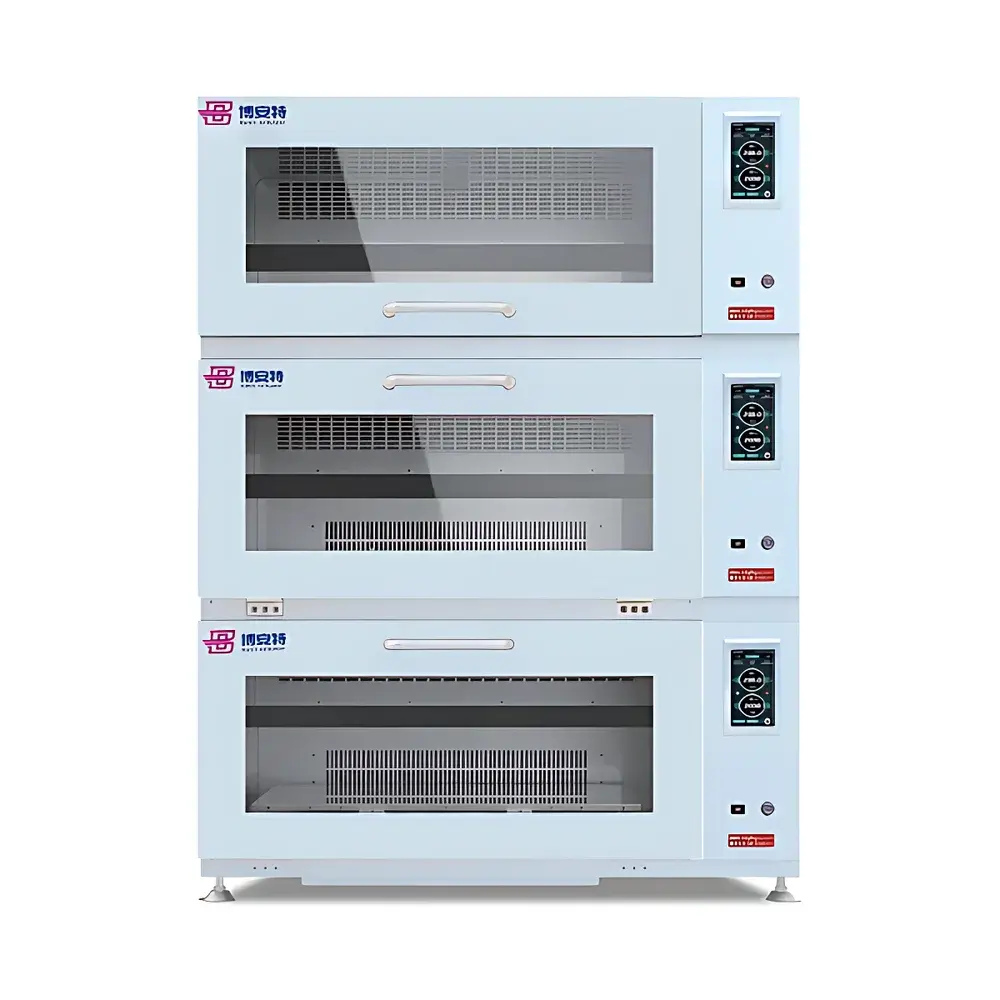
| Respiratory Chamber Options | Φ120 × 170 mm, Φ60 × 90 mm, Φ40 × 80 mm (custom chambers available upon request) |
Overview
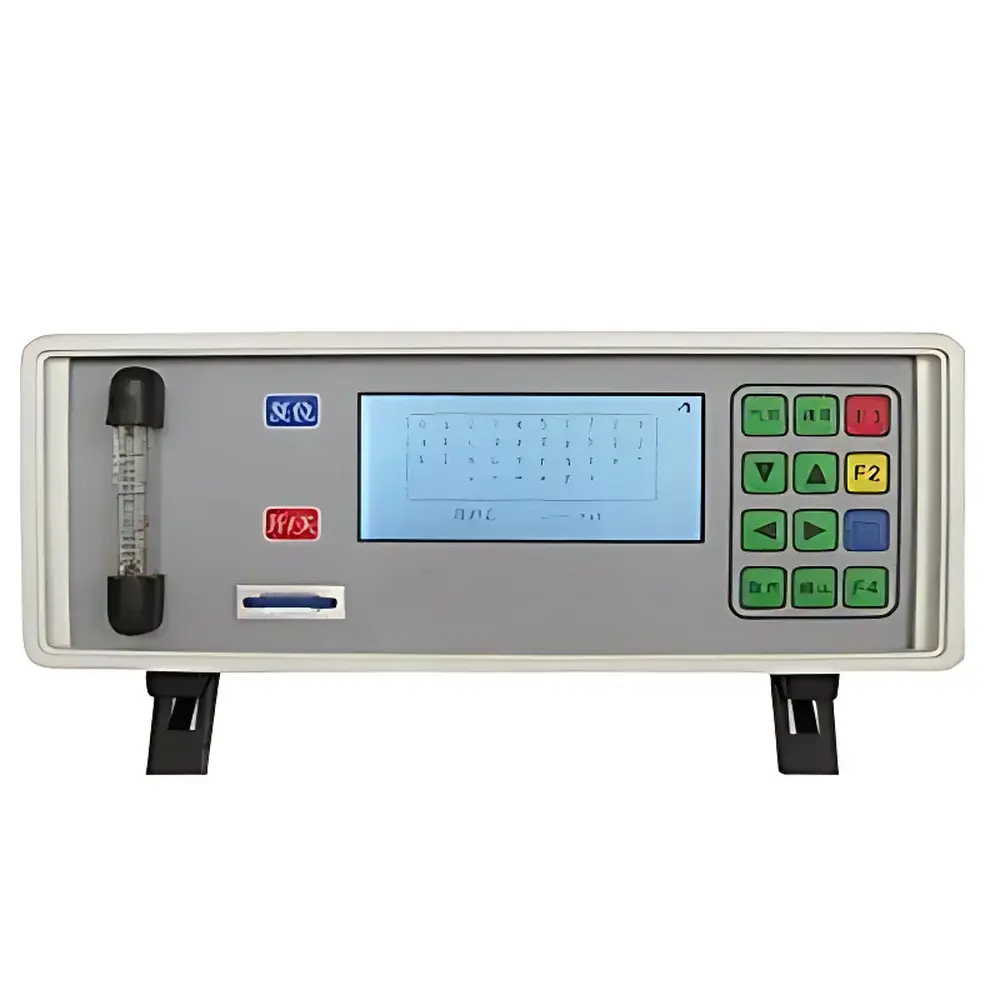
The Tlyon-1022 Respirometry Analyzer is a dedicated, non-destructive gas exchange measurement system engineered for quantitative assessment of respiration rates in fresh horticultural commodities—including fruits, vegetables, and cut flowers—under controlled storage environments. It operates on the principle of real-time, dual-gas differential analysis: simultaneous, continuous monitoring of CO₂ evolution and O₂ consumption within sealed, temperature- and humidity-regulated respiratory chambers. This enables calculation of respiratory quotient (RQ), metabolic heat production, and postharvest physiological status without tissue disruption. Designed specifically for ambient, refrigerated, controlled-atmosphere (CA), and retail cold-chain conditions, the instrument supports dynamic respiration profiling across storage durations—from short-term shelf-life trials to long-term CA optimization studies. Its architecture integrates industrial-grade NDIR (non-dispersive infrared) and electrochemical sensing technologies with embedded environmental control feedback, ensuring stable baseline performance under variable ambient loads.
Key Features
- Triple-chamber modular design: Interchangeable cylindrical respiratory chambers (Φ40 × 80 mm, Φ60 × 90 mm, Φ120 × 170 mm) allow optimized gas exchange kinetics for samples ranging from single berries to whole melons—reducing equilibration time by up to 40% compared to fixed-volume systems.
- Simultaneous multi-parameter acquisition: Real-time concurrent display and logging of CO₂ concentration (ppm), O₂ concentration (% vol), chamber temperature (°C), and relative humidity (% RH) with synchronized timestamping.
- High-fidelity gas sensing: NDIR-based CO₂ detection with ≤±1% F.S. linearity and <15 s response time; electrochemical O₂ sensor with ≤±1% repeatability and calibrated stability over 24-hour continuous operation.
- Environmental robustness: Operates reliably across −20 to +95 °C ambient range; humidity sensor maintains ±0.2% F.S. accuracy at 0–100% RH—critical for condensation-prone cold-storage applications.
- Field-deployable calibration protocol: Onboard zero/span verification using certified gas standards; drift compensation algorithms applied automatically during extended measurements.
Sample Compatibility & Compliance
The Tlyon-1022 accommodates intact, unprocessed produce—no sample homogenization or extraction required. Compatible with climacteric (e.g., apple, tomato, banana) and non-climacteric (e.g., citrus, grape, lettuce) species, as well as root crops (potato, carrot) and floral stems. Chamber sealing integrity meets ISO 8573-1 Class 4 particulate and moisture specifications. Data output complies with ASTM D5117-22 (Standard Practice for Determining Respiration Rates of Fresh Produce) and supports traceability requirements under GLP-aligned laboratory workflows. While not FDA 21 CFR Part 11-certified out-of-box, audit-ready data export (CSV, Excel-compatible .xlsx) and user-accessible calibration logs facilitate internal validation for GMP-relevant quality assurance programs.
Software & Data Management
The analyzer connects via USB or RS-232 to Windows-based TlyonView™ software (v3.2+), providing real-time graphing, automatic RQ derivation, and batch-wise comparative analysis across storage treatments. Raw sensor outputs are logged at user-selectable intervals (1 s to 10 min), with metadata tagging for chamber ID, operator, ambient condition, and sampling date/time. Exported datasets include full audit trails: sensor diagnostics, preheat status, calibration timestamps, and manual annotation fields. Software supports statistical overlay (mean ± SD), linear/non-linear regression fitting for respiration kinetics, and export to third-party platforms including MATLAB, R, and LabChart for advanced modeling.
Applications
- Postharvest physiology research: Quantifying temperature-dependent Q₁₀ effects, ethylene inhibition efficacy, and hypoxia/anoxia thresholds in modified atmosphere packaging (MAP).
- Commercial cold-chain validation: Benchmarking respiration-driven CO₂ accumulation in palletized shipments; correlating O₂ depletion rates with shelf-life endpoints.
- Varietal screening: High-throughput comparison of respiratory vigor across breeding lines under standardized CA conditions (e.g., 1–5% O₂, 3–10% CO₂).
- Educational laboratories: Undergraduate and graduate instruction in plant metabolism, food science, and postharvest technology—fully documented SOPs included.
- Regulatory compliance support: Generating respiration baselines for USDA-AMS, GlobalG.A.P., and HACCP-aligned storage protocols.
FAQ
What chamber volume should I select for small leafy greens like spinach or kale?
For loose-leaf samples, the Φ60 × 90 mm chamber is optimal—providing sufficient headspace for uniform gas mixing while minimizing dilution error.
Can the instrument operate continuously for 72 hours in a walk-in cold room at 2 °C?
Yes—the system’s thermal management and low-power sensor architecture maintain specification compliance at stable sub-5 °C ambient temperatures; preheat time remains 2 h regardless of ambient setpoint.
Is external gas calibration required before each use?
No—zero calibration is performed automatically on power-up; span calibration with certified 1000 ppm CO₂ / 21% O₂ standard gas is recommended every 30 days or after transport-induced shock.
Does the software support automated calculation of respiration rate in µmol CO₂ kg⁻¹ s⁻¹?
Yes—TlyonView™ applies chamber volume, sample mass input, and ideal gas law corrections to compute standardized molar flux rates, with unit toggle between µmol kg⁻¹ s⁻¹, mL kg⁻¹ h⁻¹, and mg CO₂ kg⁻¹ h⁻¹.
Are custom chamber geometries available for irregularly shaped produce such as asparagus or broccoli?
Yes—bespoke stainless-steel or food-grade acrylic chambers can be fabricated per client-provided CAD drawings; lead time is 12–16 business days.